Top 7 Watt Dual Fuel Generator For RV Use
On this page (6 sections)
- 3 Standout Picks: Whole Home Backup, Home Power, and Camping Trips
- 7 Models Side by Side: Features, Best Use Cases, and Tradeoffs
- 7 Models Reviewed in Depth
- Powering Your Adventures: A Watt Dual Fuel Generator for RVs
- Your RV’s Powerhouse: Final Dual Fuel Generator Picks
- Final 3 Picks: Whole Home Backup, Home Power, and Camping Trips
The best Watt Dual Fuel Generators for RV use include the DuroStar DS13000MX, the Westinghouse WGen10500DFc, and the BILT HARD 5500W, selected for their power output, fuel flexibility, and durability.
These versatile generators offer the convenience of propane and gasoline, ensuring you have reliable power whether you’re boondocking off the grid or need a whole home backup. Their dual-fuel capability provides significant cost savings and operational flexibility, making them an indispensable addition for any RV enthusiast.
After comparing specs and features and comparison, we’ve narrowed down the field to our top seven picks. We evaluated each generator on key performance metrics such as starting watts, running watts, noise level, and fuel efficiency. This comprehensive review will help you find the perfect unit to meet your specific RV power needs and budget. Continue reading to explore our detailed comparison and discover the ideal generator for your next adventure.
3 Standout Picks: Whole Home Backup, Home Power, and Camping Trips
Start with these 3 standouts. Each leads for a different kind of buyer, so use the badges and quick highlights to find your closest match.


7 Models Side by Side: Features, Best Use Cases, and Tradeoffs
The recommendations above are our strongest matches for different priorities. Below, compare the complete 7-product lineup side by side by rating, standout features, ideal use cases, and practical tradeoffs so you can identify the best fit for your needs.
- 13,000 Peak Watts
- Dual Fuel
- Remote Electric Start
- 13,500 Peak Watts
- Dual Fuel
- Remote Electric Start
- 5500 Starting Watts
- Dual Fuel
- Quiet Operation

- 6500 Peak Watts
- Dual Fuel
- RV Ready 30A Outlet

- 6600 Peak Watts
- Dual Fuel
- Remote Electric Start

- 4650 Peak Watts
- Dual Fuel (Gas/Propane)
- RV Ready 30A Outlet
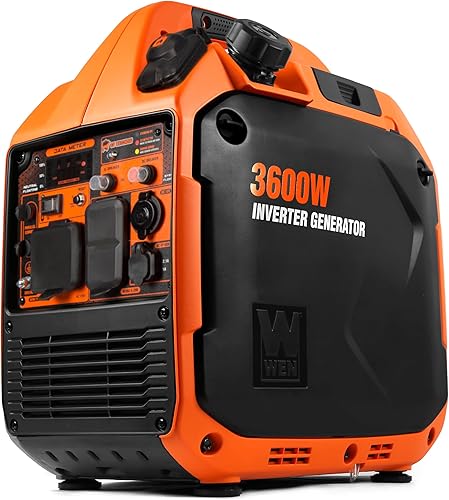
- 3600 Surge Watts
- Quiet Inverter
- CO Watchdog
7 Models Reviewed in Depth
#1. DuroStar DS13000MX
Power Backup
Gas or Propane
Push Button
You’ll be impressed by the sheer power of the DuroStar DS13000MX, offering a massive 13,000 peak watts and 10,500 running watts on gasoline. Its dual-fuel capability ensures you have options, whether you prefer gasoline for maximum output or propane for cleaner emissions and longer run times. The push-button electric start and included remote control make powering up effortless, and the 50-amp outlet is ready for your transfer switch for whole-home backup.
Be aware that this generator is a substantial unit, weighing in at 220 pounds, so portability isn’t its strong suit. However, if your primary need is to power your entire home during an outage, its immense power and robust features make it an exceptional choice for reliable emergency preparedness.
Pros
- Massive power output
- Remote start included
- Transfer switch ready
Cons
- Very heavy at 220 lbs
- Higher fuel consumption
- No USB ports listed
Specifications
#2. Westinghouse WGen10500DFc
Transfer Ready
Gas or Propane
Key Fob
You’ll find the Westinghouse WGen10500DFc to be a powerhouse for home backup needs, boasting 13,500 peak watts and 10,500 running watts on gasoline. Its dual-fuel capability offers flexibility, and the push-button electric start with a remote key fob ensures easy operation. The inclusion of both a 50A (NEMA 14-50) and a 30A (L14-30R) outlet makes it highly compatible with transfer switches for seamless home power integration.
While this generator provides substantial power, its 230-pound weight means it’s not designed for frequent relocation. However, for those seeking a robust solution for home power outages with convenient starting options, this Westinghouse model delivers impressive performance and versatility.
Pros
- High power output
- Remote start and electric start
- Multiple large outlets
Cons
- Heavy at 230 lbs
- No USB ports listed
- Requires assembly
Specifications
#3. BILT HARD 5500W
Gas or LPG
TT-30R Outlet
Safety Feature
You’ll find the BILT HARD 5500W generator to be a versatile companion for various power needs, from RV trips to home backup. It offers 5500 starting watts on gasoline and 5000 on LPG, with 4000 running watts on gas, making it capable of handling essential appliances. The inclusion of an RV-ready TT-30R outlet, USB ports, and parallel connectivity adds significant convenience for campers and those needing flexible power solutions.
While this generator is relatively lightweight at 61.7 pounds, its 1.14-gallon fuel tank means you’ll be refilling it more frequently during extended use compared to larger models. However, for its power output, portability, and dual-fuel capability, it’s an excellent choice for camping and light home backup scenarios.
Pros
- Good balance of power and weight
- RV and USB outlets
- Parallel capable
Cons
- Smaller fuel tank
- Limited runtime on propane
- CO sensor is a must-have
Specifications
#4. Westinghouse WGen5300DFcv
Up to 14.5 Hrs
Gas or Propane
TT-30R Outlet
You’ll find the Westinghouse WGen5300DFcv to be a reliable workhorse, offering 5300 running watts on gasoline and 4800 on propane. Its 4.7-gallon fuel tank provides an impressive runtime of up to 14.5 hours, making it suitable for extended use. The inclusion of an RV-ready TT-30R outlet and a transfer-switch-ready L14-30R outlet ensures versatility for both your travel trailer and home backup needs.
While this generator offers a great balance of power and runtime, its 135.6-pound weight means it’s not the most portable option. However, for RV enthusiasts or homeowners seeking dependable dual-fuel power with a focus on extended operation and essential outlets, this model is a strong contender.
Pros
- Long runtime
- Dual fuel capability
- RV and transfer switch outlets
Cons
- Heavy at 135.6 lbs
- No remote start
- Propane running watts lower
Specifications
#5. Westinghouse WGen5300DFc
Key Fob Included
Gas or Propane
TT-30R Outlet
You’ll appreciate the convenience of the Westinghouse WGen5300DFc, featuring both push-button electric start and a remote key fob for effortless operation. It delivers 5300 running watts on gasoline and 4800 on propane, with a 4.7-gallon fuel tank providing up to 14.5 hours of runtime. The inclusion of an RV-ready TT-30R outlet and a transfer-switch-ready L14-30R outlet makes it highly adaptable for various power needs.
While the 135.6-pound weight makes it less portable, the added starting convenience and solid power output are significant advantages. This generator is a great choice if easy starting and reliable dual-fuel power for your RV or home backup are your top priorities.
Pros
- Remote and electric start
- Good runtime
- Dual fuel capability
Cons
- Heavy at 135.6 lbs
- Propane running watts lower
- No USB ports listed
Specifications
#6. Westinghouse WGen3600DFcv
Gas or Propane
TT-30R Outlet
Auto Shutdown
You’ll appreciate the Westinghouse WGen3600DFcv for its robust dual-fuel capability, allowing you to seamlessly switch between gasoline and propane. With 4650 peak watts and 3600 running watts on gasoline, it’s well-equipped to handle your RV essentials, including a 15,000 BTU air conditioner. The RV-ready TT-30R outlet and included household receptacles offer versatile power options, and the built-in CO sensor adds a crucial layer of safety.
While this generator offers excellent versatility, its weight of 108 pounds might be a consideration for those prioritizing extreme portability. However, for RV owners needing reliable power on the go, its performance and features make it a solid choice for powering your adventures without constant worry.
Pros
- Dual fuel flexibility
- RV-ready outlet
- CO sensor for safety
Cons
- Heavy at 108 lbs
- Propane running watts lower
- No remote start
Specifications
#7. WEN DF360iX
65 dB
Auto Shutoff
TT-30R Outlet
You’ll appreciate the WEN DF360iX for its exceptionally quiet operation, making it ideal for camping and situations where noise is a concern, with a modest 65-decibel output. Its dual-fuel capability provides flexibility, running on gasoline or propane, and the CO Watchdog sensor offers peace of mind. The clean power output is safe for sensitive electronics, and the RV-ready TT-30R outlet adds to its camping convenience.
While its 2900 running watts on gasoline are sufficient for many needs, it won’t power larger appliances or multiple high-demand devices simultaneously. However, if quiet operation, portability (at 49 pounds), and safe power for electronics are your priorities for camping or tailgating, this WEN inverter generator is an excellent choice.
Pros
- Very quiet operation
- Lightweight and portable
- CO sensor included
Cons
- Lower running wattage
- Smaller fuel tank
- Runtime limited on gas
Specifications
Powering Your Adventures: A Watt Dual Fuel Generator for RVs
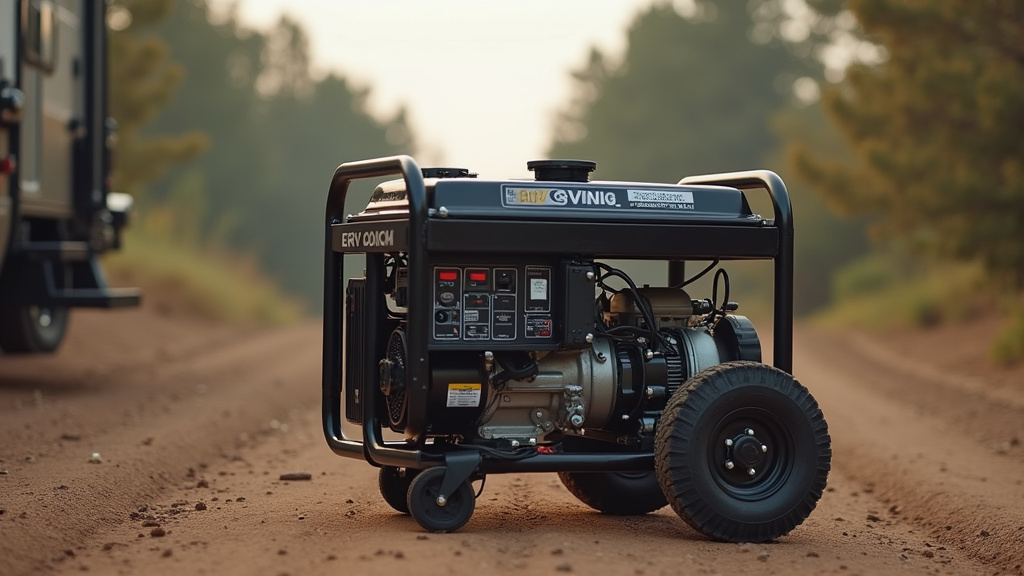
Bringing the comforts of home to the open road requires reliable power, and a dual-fuel generator is a versatile solution for any RV enthusiast. This type of generator offers the flexibility to run on either gasoline or propane, giving you options based on availability and preference. Investing in the right unit means ensuring your essential appliances, from your air conditioner to your entertainment system, stay powered up, no matter where your travels take you.
Decoding the Demands of Your Mobile Powerhouse
When selecting a watt dual fuel generator for your RV, several key considerations will guide you toward the best fit for your needs. Think about these factors as you explore your options.
- Power Output: Consider the total wattage required by the appliances you anticipate running simultaneously. It’s wise to have a buffer beyond your estimated peak demand to ensure smooth operation.
- Fuel Flexibility: The dual-fuel capability is a primary advantage. Evaluate how important the convenience of switching between gasoline and propane is for your typical travel scenarios.
- Portability and Size: RV generators vary in size and weight. Think about where you’ll store the generator when not in use and how easy it needs to be to move it around your campsite.
- Noise Level: Many campgrounds have decibel limits, and a quieter generator can significantly enhance your camping experience and that of your neighbors. Look for models that advertise low noise operation.
- Runtime: Consider how long you expect to run the generator on a single tank of fuel or propane cylinder. This will influence your decisions about fuel storage and refueling stops.
Common Missteps to Sidestep on Your Generator Journey
Navigating the world of generators can have a few hidden traps. Be aware of these common issues to make a confident purchase.
- Underestimating Power Needs: It’s easy to overlook the combined wattage of multiple appliances, especially when the air conditioner kicks in. Always err on the side of more power than you think you’ll need.
- Ignoring Maintenance Requirements: Dual-fuel generators, like any engine, require regular upkeep. Ensure you’re comfortable with the recommended maintenance schedule for the models you’re considering.
- Overlooking Fuel Storage Logistics: While dual-fuel offers options, you still need a plan for storing and transporting your chosen fuel safely and efficiently for your RV lifestyle.
Your RV’s Powerhouse: Final Dual Fuel Generator Picks
For ultimate power and whole-home backup, the DuroStar DS13000MX is your champion. The Westinghouse 13500 Watt and 6600 Watt models are fantastic all-rounders, especially if remote start is a must. If portability and quiet operation are key, the WEN DF360iX is your go-to. For solid mid-range options that are RV-ready, the Westinghouse 6500 and 4650 Watt generators shine. The BILT HARD 5500W offers a strong inverter option.
No matter your specific needs, these dual-fuel generators offer flexibility and reliability for your adventures. Don’t wait – check the current availability for your chosen model right now!
Final 3 Picks: Whole Home Backup, Home Power, and Camping Trips
Ready to decide? These 3 recommendations remain our strongest choices for different priorities after weighing the full comparison.