Portable Generator vs Power Station: Which Is Better? (November 2026)
Choose a portable generator for longer, higher-output backup power, and a power station for quiet, fume-free power for smaller loads. Your fuel access, essential devices and charging options decide which fits.
On this page (7 sections)
- Portable generator vs power station: what is the main difference?
- Which one should you choose for home backup?
- How do fuel and recharging affect outage planning?
- Is a portable power station a generator?
- Which is easier to use and maintain?
- What safety rules matter most?
- Portable generator vs power station: which should you choose?
Choose a portable generator for longer, higher-output backup power, and a power station for quiet, fume-free power for smaller loads. The portable generator vs power station choice depends on the devices you need to run, how long you need power and whether fuel or recharging is practical.
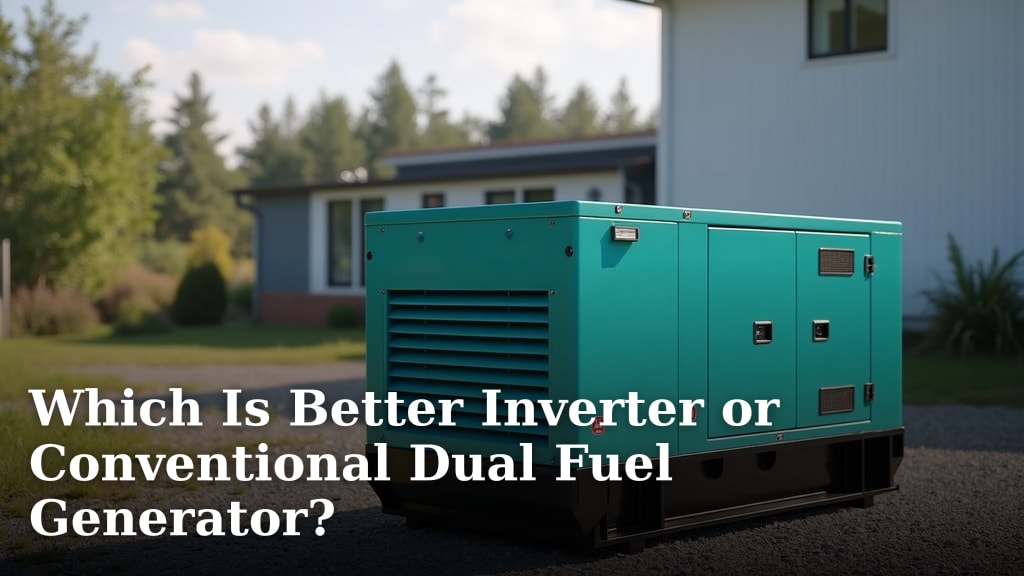
A fuel generator runs an engine and needs gasoline or propane. A power station stores electricity in a battery, so it can run without engine noise or exhaust at the point of use.
 Best for home backup loads
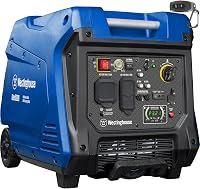
Westinghouse 12500 Watt Dual Fuel Home Backup
 Best for light travel loads
Jackery Explorer 300 Portable Power Station
Portable generator vs power station: what is the main difference?
A portable generator makes power from fuel, while a power station stores electricity for later use. That changes how you prepare, where you can operate the unit and what happens when an outage lasts.
A fuel generator can keep producing power as long as it has suitable fuel and is maintained. A power station runs until its battery is depleted, then needs a charging source such as a wall outlet, car outlet or compatible solar panel.
The Westinghouse 12500 Watt Dual Fuel Home Backup offers 9500 running watts on gasoline and 8500 on propane. The Jackery Explorer 300 has a 300-watt rated output, so it fits a different scale of use, such as charging small devices.
For a compact fuel-powered camping or RV option, compare the Honda EU2200i and Companion.
Which one should you choose for home backup?
Choose a fuel generator when you need to run larger loads for an extended outage, and a power station when you mainly need quiet backup for a few devices. Build the choice around actual wattage and runtime, not the words “generator” or “power station.”
A refrigerator, sump pump or other motor may need more power to start than to keep running. Add up running watts for the devices you plan to use, then check each device's startup needs against the generator's peak output.
The Westinghouse has a transfer switch ready 120V L14-30R outlet and a 120/240V RV-ready 14-50R outlet. Have a qualified electrician assess the right connection for a home circuit, and follow the generator and transfer switch instructions.
A power station avoids engine exhaust and refueling at the point of use. It can help keep a phone, router or laptop powered, but its capacity sets a limit on how long those devices can run.
The Jackery Explorer 1000 v2 provides 1070Wh capacity and 1500W AC output. Its maker says it can power multiple appliances, but your runtime depends on the devices connected and the power they draw.
For broader fuel-generator choices, see our guide to the Best Portable Dual Fuel Generator For Power Outages. If you are weighing engine style as well as fuel, How Do You Choose Between Inverter or Conventional Dual Fuel Generator? explains the tradeoffs.
How do fuel and recharging affect outage planning?
A fuel generator needs an ongoing supply of gasoline or propane, while a power station needs a way to refill its battery. Plan how you will get more energy before an outage rather than assuming either source will always be available.
The Westinghouse runs on gasoline or propane. Its stated run time is up to 12 hours on a 6.6-gallon gasoline tank, though actual run time changes with load and conditions.
A power station can be charged from a wall outlet before an expected outage. Solar charging can provide another option in daylight, but panel compatibility and charging time vary by model.
The Jackery Explorer 300 supports solar charging with compatible Jackery panels, sold separately. Its capacity is 292Wh, so it is better for smaller loads than for keeping multiple large appliances running.
The BLUETTI Elite 30 V2 stores 288Wh and supports AC, car and solar charging, along with other methods. BLUETTI says it can recharge from 0 to 80% in 45 minutes with its specified wall charging setup; that speed doesn't change the unit's total stored energy.
If you are considering a fuel generator that can also work with solar equipment, compare the details in our inverter generator vs solar generator guide. For more than 2 fuel choices, see How Do You Choose Between Dual Fuel or Tri Fuel Generator?.
Is a portable power station a generator?
A portable power station is a battery-based power source, even when a brand calls it a solar generator. The term describes a portable unit that supplies power, but it doesn't mean the device burns fuel like an engine generator.
A power station does not create new energy from nothing. It stores electricity from a wall outlet, car outlet or compatible solar panel and then delivers that energy through its ports.
That distinction matters during a long outage. A fuel generator can be refueled and run again, while a battery station needs a working charging source and enough time to restore its capacity.
Which is easier to use and maintain?
A power station usually needs less routine engine care, while a fuel generator needs safe setup, fuel handling and maintenance. The simpler choice depends on whether you value quiet operation or longer power from stored fuel.
The Westinghouse has electric, recoil and remote start, plus an automatic low-oil shutdown and digital hour meter. It still has a 4-stroke engine, so follow the manual for oil, fuel and maintenance requirements.
A power station has no fuel engine to start or maintain. You still need to keep it charged, use the right charging method and stay within its output limits.
The BLUETTI Elite 30 V2 includes a UPS function with a stated 10ms switchover. That can help keep compatible connected devices powered through a brief interruption, but it is not a substitute for checking device requirements or planning for a prolonged outage.
For comparisons among fuel-powered inverter models, see Which Is Better Inverter or Conventional Dual Fuel Generator? and Champion vs Honda Inverter Generators: Which Should You Choose?. You can also read Pulsar G12KBN Generator Review and Are DuroStar Generators Any Good? for brand-specific generator context.
What safety rules matter most?
Run fuel generators outdoors, far from doors, windows and vents, and follow the manual's clearance instructions. Carbon monoxide from engine exhaust can build up indoors or in partly enclosed spaces.
Never use a generator in a home, garage, basement or enclosed porch. The CDC's generator safety guidance advises keeping generators outdoors and at least 20 feet from windows, doors and vents.
Use a transfer switch or other approved connection method for home circuits. Never connect a generator directly to a wall outlet, and ask a qualified electrician about safe installation.
Power stations don't create exhaust while operating, so they can be used indoors if the manufacturer allows it and the unit is kept dry, ventilated as directed and away from heat. Keep cords in good condition and avoid exceeding the station's output rating.
Portable generator vs power station: which should you choose?
Pick a portable generator if your priority is higher output and the ability to refuel; pick a power station if quiet operation and easy indoor use matter more. Match the choice to your essential devices and how you will replenish its energy.
The Westinghouse is the stronger fit for substantial home backup loads, with gasoline or propane operation and high running output. A power station such as the Explorer 1000 v2 or Elite 30 V2 can suit smaller loads, while the Explorer 300 is a light option for phones and other low-draw devices.
For another generator model comparison, see Champion vs Predator generators.
If engine power fits your needs, compare fuel, output and noise across models before choosing. For a portable inverter option, see our Predator 3500 generator review.
If battery power fits better, calculate likely runtime and confirm how you'll recharge it.
Frequently asked questions
Is a portable power station a generator?
A portable power station supplies electricity from energy stored in a battery, while a fuel generator makes electricity by running an engine. Some brands call power stations solar generators, but they do not burn fuel to produce power and need recharging when their stored energy runs low.
Can a power station run a refrigerator?
It depends on the refrigerator's running and startup draw, the power station's output and its battery capacity. Check both the appliance label and the station's limits, then estimate runtime from usable watt-hours and the appliance's actual use.
Which is better for a power outage?
A fuel generator is usually the better fit for higher loads or longer outages when you can store fuel and run it safely outdoors. A power station suits smaller devices, quiet indoor use and short interruptions, especially when you can recharge it from AC or compatible solar panels.
Can you use a portable generator indoors?
No. Never run a fuel-powered generator inside a home, garage or other enclosed space because engine exhaust can be deadly.
Follow the generator manual and official safety guidance for outdoor placement, distance from openings and carbon monoxide alarms.