
How Do You Choose Between Inverter or Conventional Dual Fuel Generator?
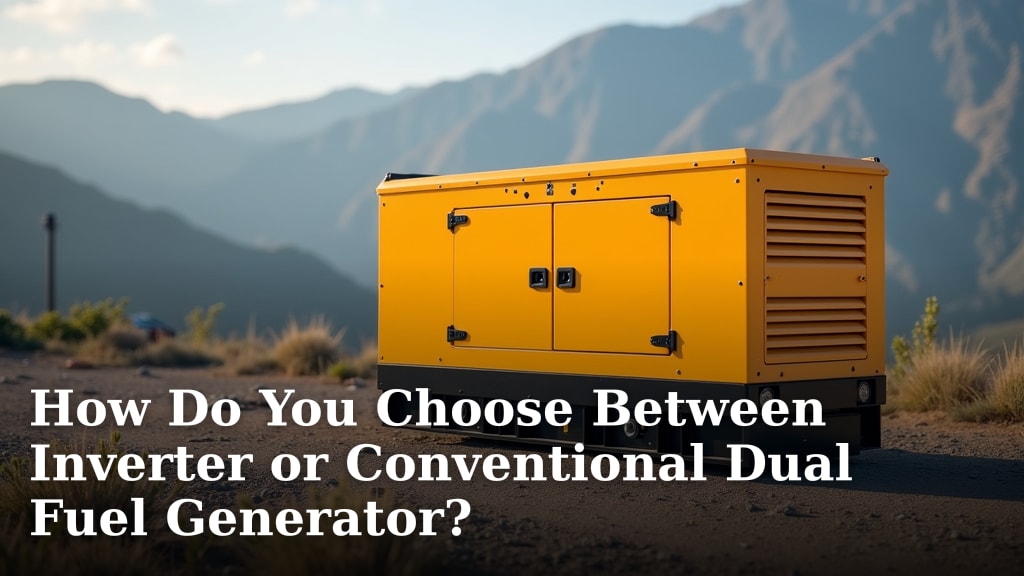
Choosing between an inverter or conventional dual fuel generator depends on your specific needs. Inverter generators offer clean, stable power for sensitive electronics and are generally quieter. Conventional generators provide more raw power for heavy-duty tools and appliances, often at a lower cost.
You’re probably wondering which one is right for your home, RV, or job site. We found that the type of power you need and your budget are the main things to consider. Thinking about noise levels and how much fuel you’ll use also plays a big part in your decision.
- Inverter generators: clean power, quiet operation, higher price.
- Conventional generators: raw power, louder, more affordable.
- Dual fuel: uses both gasoline and propane.
- Consider your power needs (electronics vs. heavy tools).
- Think about noise and fuel efficiency.
Let’s walk through everything you need to know to pick the perfect dual fuel generator for your situation.
Understanding Your Generator Options: Inverter vs. Conventional Dual Fuel
Making the right choice between an inverter and a conventional dual fuel generator starts with understanding their core differences. It’s like choosing between a sports car and a heavy-duty truck. Both get you where you need to go, but they do it in very different ways.
What is a Dual Fuel Generator?
First, let’s talk about the “dual fuel” part. This simply means your generator can run on two different types of fuel: gasoline and propane. We found this is a huge advantage for many users. Why? Because it offers flexibility. If gas prices spike or you run out of one fuel source, you can switch to the other. Propane, in particular, has a longer shelf life than gasoline, which is great for emergency preparedness.
- Gasoline: Readily available, high energy density.
- Propane: Cleaner burning, longer storage life, often more stable during power outages.
Inverter Generators: The Smart Choice for Sensitive Electronics
Imagine plugging your laptop directly into a power plant. That’s a bit what conventional generators do. But inverter generators are different. We found they use advanced technology to produce a very “clean” sine wave of electricity. Think of it as a smooth, consistent flow of power, much like what you get from your wall outlets at home.
This clean power is essential for sensitive electronics like computers, smartphones, medical devices, and even modern refrigerators. You wouldn’t want a power surge or a fluctuating voltage to damage your expensive gadgets, would you?
Key Advantages of Inverter Generators
- Clean Power: Provides stable AC power, preventing damage to electronics (Energy.gov).
- Quieter Operation: They often have enclosed designs and engine technology that makes them significantly quieter. You can have a conversation nearby without shouting. We found many users love this feature, especially in camping or RV settings.
- Fuel Efficiency: Many inverter generators adjust engine speed to match the power demand. This means they don’t always run at full throttle, leading to better fuel economy. It’s like your car automatically shifting gears for better mileage.
- Portability: They are typically lighter and more compact, making them easier to move around.
Potential Downsides of Inverter Generators
Of course, there are trade-offs. We found that inverter generators usually come with a higher price tag. This advanced technology costs more to produce. Also, while they are great for sensitive items, their power output is generally lower than conventional generators. You might struggle to run multiple large appliances simultaneously.
Conventional Generators: Raw Power for Heavy-Duty Needs
Conventional generators are the workhorses of the generator world. They’ve been around for a long time and are known for their ability to deliver raw, brute power. If you need to power an entire job site with heavy tools or run most of your home during an outage, a conventional generator might be your go-to option.
They generate electricity directly from the engine’s output. This power isn’t as “clean” or stable as an inverter’s, which is why they’re not ideal for your gaming console or smart TV.
Key Advantages of Conventional Generators
- Higher Power Output: They are built to provide more watts, making them suitable for running multiple high-amperage appliances or tools.
- More Affordable: Generally, you’ll find conventional generators at a lower upfront cost for the same wattage output compared to inverters.
- Durability: Often built with robust, open frames, designed to withstand tough conditions.
Potential Downsides of Conventional Generators
The biggest complaint we hear about conventional generators is the noise. They can be very loud, making them less suitable for residential areas or campgrounds. Their “dirty” power can also be an issue for delicate electronics. Additionally, they tend to be less fuel-efficient because they often run at a constant engine speed, regardless of the load.
They are also usually much heavier and bulkier, making them less portable.
Comparing Inverter and Conventional Dual Fuel Generators
To help you visualize the differences, let’s put them side-by-side. It’s like comparing apples and oranges, but both are fruit! Your specific needs will dictate which “fruit” is best for you.
| Feature | Inverter Dual Fuel Generator | Conventional Dual Fuel Generator |
|---|---|---|
| Power Quality | Clean, stable sine wave (ideal for electronics) | Raw, sometimes fluctuating power |
| Noise Level | Quiet (often 50-60 dB) | Loud (often 70+ dB) |
| Fuel Efficiency | Excellent (engine speed adjusts to demand) | Good to fair (often runs at constant speed) |
| Portability | High (lighter, more compact) | Low (heavier, bulkier) |
| Price | Higher | Lower |
| Best For | Camping, RVs, sensitive electronics, quiet backup | Job sites, whole-home backup, heavy tools |
Matching Your Needs to the Right Generator
Choosing your generator really boils down to what you plan to power and where you’ll use it. Don’t buy a sledgehammer if you just need a tack hammer, right?
For Home Backup Power
If you’re looking for a backup power source for your home during an outage, consider your priorities. Do you need to run your whole house, including central AC and a well pump? Or just essential items like the fridge, a few lights, and the internet router?
- Whole-Home Power: A larger conventional dual fuel generator is often needed for high wattage requirements, like running a central air conditioner (Consumer Reports).
- Essential Circuits Only: An inverter dual fuel generator might be sufficient if you only need to power critical, sensitive appliances. Plus, it’ll be much quieter during a stressful outage.
For RV and Camping Adventures
This is where inverter generators really shine. We found that most campers and RV enthusiasts prioritize peace and quiet. No one wants to hear a roaring engine spoiling their nature experience.
- Quiet Operation: Inverter generators are ideal for campgrounds with noise restrictions or if you just want to enjoy the tranquility.
- Sensitive Devices: You’ll likely want to charge phones, run a TV, or use other electronics in your RV. The clean power of an inverter protects these items.
- Portability: Easier to load and unload from your vehicle.
For Job Sites and Heavy Equipment
If you’re a contractor or need serious power for power tools, air compressors, or welding equipment, a conventional generator is usually the better fit. These tools are built to handle less-than-perfect power and demand high watts.
- High Wattage: Conventional generators deliver the sustained power needed for heavy-duty applications.
- Durability: Their rugged construction is often better suited for the harsh environment of a construction site.
Important Considerations for Both Types
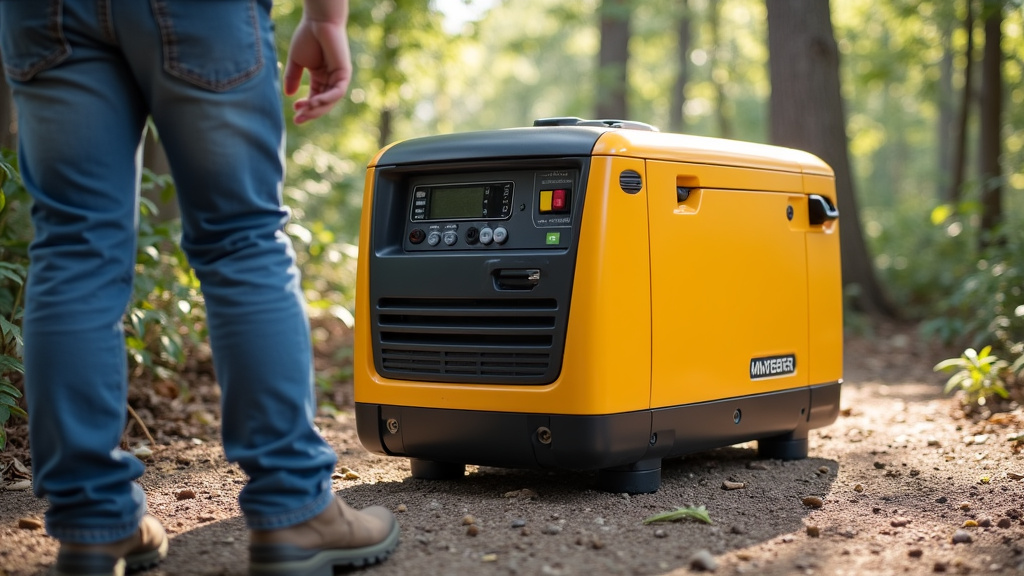
Regardless of whether you pick an inverter or conventional model, there are a few things to keep in mind about dual fuel generators specifically.
Wattage Requirements
Always calculate the total wattage you’ll need. List all the appliances and tools you plan to run simultaneously. You’ll need to know both their running watts and their higher starting watts for certain motors (like refrigerators or power saws). Add them up to get a clear picture of your total power needs.
Fuel Storage and Availability
Think about how you’ll store gasoline and propane. Gasoline needs careful handling and doesn’t last indefinitely without stabilizers. Propane, on the other hand, can be stored for much longer in tanks. We found that having the option to switch fuels gives you a great safety net.
Noise Levels and Neighbors
If you live close to others, the noise from a conventional generator can be a real issue. Many municipalities have noise ordinances. Always check the decibel (dB) rating of any generator you consider. Inverter generators are generally quieter than a normal conversation (around 60dB), while conventional models can be as loud as a vacuum cleaner or even a lawnmower (70-80dB+).
Your Generator Decision Checklist
Before you make your final choice, run through this quick checklist. It will help confirm you’re making a choice that truly fits your life.
- What appliances and tools do I need to power? (List them!)
- Is clean, stable power essential for my sensitive electronics?
- How important is quiet operation for my intended use (camping, residential area)?
- What is my budget for this generator?
- How often will I use the generator, and for what duration?
- Do I prioritize portability or maximum power output?
Conclusion
Choosing the right dual fuel generator really comes down to your priorities and what you need to power. We found that if you’re protecting sensitive electronics, value quiet operation, and need portability, an inverter dual fuel generator is your best bet. For heavy-duty tools, whole-home backup, or if budget is your primary concern, a conventional dual fuel generator will likely serve you better.
Take the time to evaluate your specific needs using our checklist. By understanding your wattage requirements, noise tolerance, and budget, you can confidently select the perfect generator to keep your power flowing, no matter the situation.
Frequently Asked Questions
Can I convert a conventional generator to an inverter generator?
No, you cannot convert a conventional generator into an inverter type. The technology is fundamentally different. Inverter generators use advanced electronic components to produce clean power, which is not present in a conventional model.
Do inverter generators always cost more than conventional ones?
Generally, yes, inverter generators have a higher upfront cost. This is due to the sophisticated technology required to produce stable, clean power and their quieter, more fuel-efficient designs. However, their long-term fuel savings and protection for electronics can offset this difference.
Is a dual fuel generator harder to maintain than a single fuel generator?
We found dual fuel generators require similar basic maintenance to single-fuel models. The main difference is occasionally switching between fuel types to ensure both systems remain in good working order. Always follow the manufacturer’s specific maintenance schedule for the best performance.
Can I use an inverter generator for a construction site?
You can use an inverter generator on a construction site for smaller, sensitive electronics like laptops or battery chargers. However, for heavy-duty power tools like saws, air compressors, or welders, a conventional generator typically offers the higher wattage and raw power needed.
How much quieter is an inverter generator compared to a conventional one?
Inverter generators are significantly quieter. We found they often operate in the 50-60 decibel (dB) range, similar to a normal conversation. Conventional generators can easily reach 70-80 dB or higher, which is comparable to a vacuum cleaner or lawnmower.
