
How to Fix Generator Electric Start Not Working?
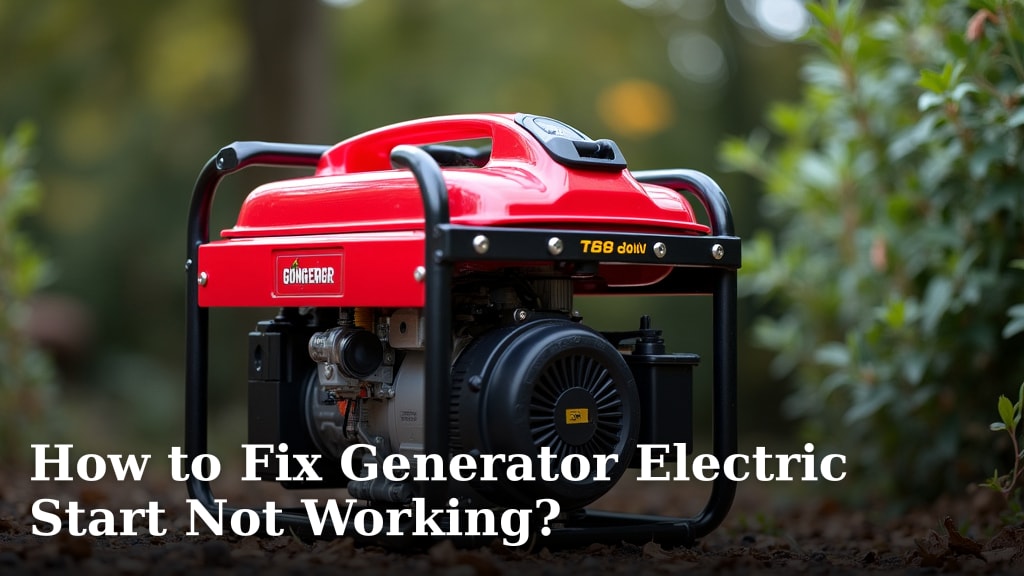
Your generator’s electric start won’t engage? Don’t panic! You can often fix a generator electric start not working by checking the battery, the solenoid, or the ignition switch. These are the most common culprits. We’ll help you diagnose the problem and get your generator running again in no time.
When your generator’s electric starter fails, it’s usually due to a simple issue. It’s frustrating when you need power. We’ve researched common generator problems and found that these three components are key. Understanding how they work is half the battle. Let’s troubleshoot together to get your generator back online.
- Check the battery first.
- Inspect the starter solenoid.
- Test the ignition switch.
- Look for loose connections.
- Ensure the generator is in the “start” position.
Below, we’ll walk you through these troubleshooting steps in detail. You’ll be able to pinpoint the exact reason your electric start isn’t working. Let’s get this fixed!
Troubleshooting Your Generator’s Electric Start Issues
Your generator’s electric start should be a convenient way to get power quickly. When it doesn’t work, it can be frustrating, especially when you need that backup power. We’ve found that most electric start problems boil down to a few common culprits. Let’s dive into how you can fix your generator electric start not working.
The Battery: The Heart of the Electric Start
The battery is often the first place to look when your electric start fails. Think of it as the generator’s power source for starting. If it’s weak or dead, the starter motor won’t get enough juice to crank the engine.
Checking Your Battery’s Charge
First, ensure your battery is properly charged. You can often do this with a simple multimeter. Attach the red probe to the positive terminal and the black probe to the negative terminal. A healthy, fully charged battery should read around 12.6 volts or higher.
If your reading is significantly lower, the battery might be discharged. You can try charging it with a suitable battery charger. Many generator manuals suggest a specific charging rate, so it’s good to check that first.
Inspecting the Battery Terminals and Connections
Corrosion on the battery terminals is another common issue. It looks like a powdery, colorful buildup, often white or greenish-blue. This corrosion can prevent a good electrical connection.
You can clean terminals with a wire brush or a specialized terminal cleaner. A mixture of baking soda and water can also help neutralize acid. After cleaning, apply a thin layer of dielectric grease to prevent future corrosion. This simple maintenance can make a big difference.
Make sure the battery cables are tightly secured to the terminals. Loose connections are sneaky; they can make a good battery seem dead. Wiggle them a bit – they shouldn’t move at all.
When to Consider a New Battery
Batteries don’t last forever. If your battery is several years old, or if it consistently fails to hold a charge, it might be time for a replacement. Most lead-acid batteries have a lifespan of 3-5 years, depending on usage and maintenance (Interstate Batteries).
Understanding and Testing the Starter Solenoid
The starter solenoid is a sort of heavy-duty switch. When you turn the ignition key, it receives a small electrical signal. This signal tells the solenoid to close a larger circuit, sending full battery power to the starter motor. It also often engages the starter gear with the engine’s flywheel.
What Does a Solenoid Do?
Imagine a light switch. A regular switch controls a small light. The solenoid is like a powerful switch controlled by a small button. It lets your ignition switch, which isn’t designed for high current, control the very high current needed by the starter motor. It also acts as a safety interlock, ensuring the starter only engages when conditions are right.
Signs of a Failing Solenoid
A common symptom of a faulty solenoid is a single “click” when you try to start the generator, but the engine doesn’t crank. You might hear the solenoid engage, but the starter motor remains silent. Conversely, sometimes you might hear nothing at all if the solenoid isn’t getting power or is internally damaged.
How to Test the Solenoid
Testing a solenoid usually requires a multimeter and some basic knowledge of your generator’s wiring diagram. You’ll typically check for voltage at the solenoid terminals. When you turn the key to start, you should see battery voltage at the low-current (control) terminal of the solenoid.
If you have voltage at the control terminal but no power going to the starter motor, the solenoid itself is likely the problem. You may need to replace it. Be sure to disconnect the battery before working on the solenoid to avoid accidental shorts.
The Ignition Switch: Your Command Center
The ignition switch is what you interact with directly – the key or button you use to start the generator. It sends the signal that begins the whole starting process.
Common Ignition Switch Failures
Ignition switches can fail in a few ways. They can have internal breaks, preventing them from sending the signal. Sometimes, the contacts inside can become worn or corroded, leading to an intermittent connection.
If you turn the key and absolutely nothing happens – no click, no lights, no response at all – the ignition switch is a prime suspect. It’s like a dead button on a remote control.
Testing the Ignition Switch
Similar to the solenoid, testing the ignition switch involves using a multimeter. You’ll need to identify the correct terminals for the start position on your switch. With the battery connected, you can check if voltage is present on the input terminal and if it’s being sent out on the start terminal when the key is turned.
Consulting your generator’s owner’s manual or a wiring diagram is essential here. Many switches have multiple positions (off, run, start). Ensure you’re testing the specific circuit for the “start” function. If the switch isn’t passing power when it should, it needs to be replaced.
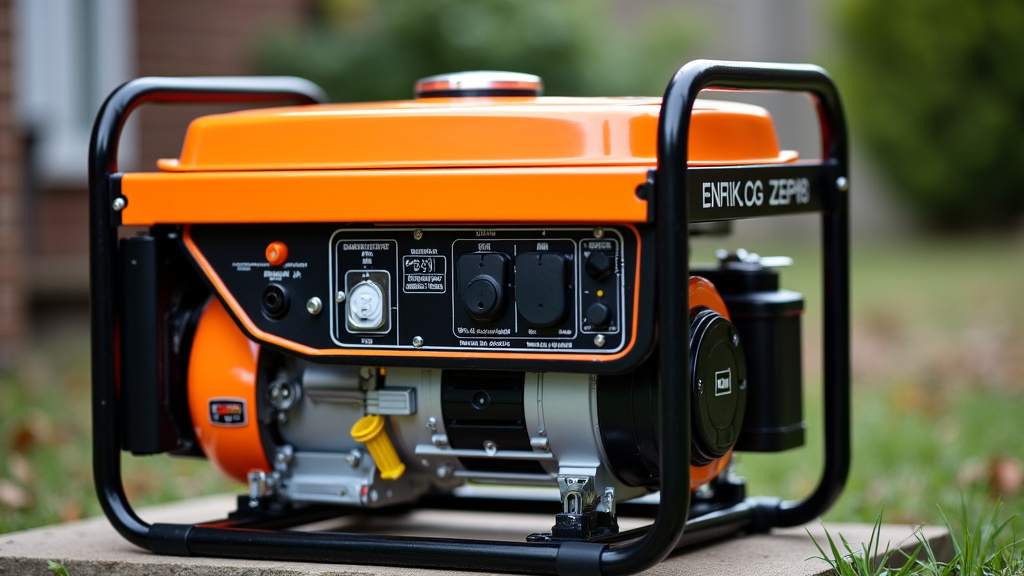
Other Potential Issues to Investigate
While the battery, solenoid, and ignition switch are the most frequent culprits, other minor issues can also cause your electric start to fail. It’s worth a quick check before assuming a major component is broken.
Loose or Damaged Wiring
Generators have a network of wires connecting all the starting components. Vibrations from the engine can cause wires to loosen over time. A wire could also become frayed or damaged, interrupting the electrical flow.
Visually inspect all accessible wiring, especially around the battery, solenoid, ignition switch, and starter motor. Look for any signs of wear, loose connectors, or pinched wires. Sometimes, a simple tightening of a connection is all that’s needed.
Starter Motor Problems
Less commonly, the starter motor itself might be the issue. If you’re getting power to the starter but it’s not turning the engine, the motor could be seized or have internal damage. Diagnosing a faulty starter motor often requires more advanced electrical testing and might be a job for a professional.
Safety Interlocks and Neutral Start Switches
Many generators have safety features. These might include a neutral safety switch that ensures the generator is in neutral before allowing it to start, or a parking brake interlock. If these switches are faulty or misadjusted, they can prevent the electric start from engaging, even if all other components are working perfectly. Your manual should detail these features.
A Quick Checklist for Electric Start Woes
Here’s a handy checklist to run through:
- Confirm fuel and oil levels. Some generators won’t start if low on essential fluids.
- Check battery voltage with a multimeter. Aim for 12.6V or higher.
- Inspect battery terminals for corrosion and tightness. Clean and secure as needed.
- Listen for a “click” when trying to start. This can point to the solenoid.
- Verify ignition switch engagement. Does it feel loose or unresponsive?
- Visually inspect all visible wiring for damage or loose connections.
Conclusion
You’ve now got a clear path to fixing your generator’s electric start. We’ve seen that the most common issues are with the battery, solenoid, or ignition switch. By systematically checking these components, you can often pinpoint the problem yourself. Don’t let a non-starting generator leave you in the dark. If you’ve gone through these steps and are still stumped, it might be time to consult your generator’s manual or call a qualified technician. Getting your generator back online is definitely achievable!
Frequently Asked Questions
My generator makes a single click, but won’t crank. What’s wrong?
That single “click” often points to a faulty starter solenoid. The solenoid is trying to engage, but it’s not successfully sending power to the starter motor to turn the engine over. You may need to test or replace the solenoid.
Can I use a car battery to start my generator?
While a car battery might provide enough initial power, it’s generally not recommended for long-term use. Generator batteries are often designed for a different discharge rate and vibration resistance. Using the correct type of battery ensures reliable starting and longevity.
How often should I check my generator’s battery?
It’s a good idea to check your generator’s battery at least once a year, or before the start of the storm season. Inspect the terminals for corrosion and ensure connections are tight, and test the voltage if possible.
What if my generator has no power at all when I turn the key?
If turning the ignition key results in absolutely no response – no clicks, no lights – the issue is likely with the ignition switch itself or a completely dead battery. Ensure your battery has a charge and then test the switch’s connections and function.
Is it safe to clean battery terminals myself?
Yes, cleaning battery terminals is a safe DIY task. Disconnect the battery first, then use a wire brush or terminal cleaner, often with a baking soda and water paste, to remove corrosion. Always ensure the connections are secure and consider dielectric grease afterward.
