How Do Rechargeable Light Bulbs Work?
A rechargeable light bulb works like a normal LED bulb with a built-in battery and charging circuit. It screws into a standard socket, charges from mains power while switched on, and switches to battery power when the supply fails.
On this page (11 sections)
- How Does a Rechargeable Light Bulb Work Inside?
- What Is a Rechargeable Light Bulb, Exactly?
- How Do Rechargeable Light Bulbs Charge?
- Do Rechargeable Light Bulbs Work When the Power Goes Out?
- How to Use Rechargeable Light Bulbs in a Home
- How Long Does a Rechargeable Bulb Last on Battery?
- What Happens When the Power Comes Back?
- How Do You Choose the Right Rechargeable Bulb?
- Can a Rechargeable Bulb Work Without a Socket?
- What Are the Limits of Rechargeable Bulbs?
- How Does a Rechargeable Light Bulb Work: The Short Answer
A rechargeable light bulb works like a normal LED bulb with a built-in battery and charging circuit. It screws into a standard socket, charges from mains power while switched on, and switches to battery power when the supply fails.
That shift makes rechargeable bulbs different from a plain LED. The battery sits inside the bulb body, the charging parts draw power from the socket, and a small control circuit decides which source feeds the LED.
How Does a Rechargeable Light Bulb Work Inside?
A rechargeable bulb works by charging a sealed battery pack from the socket and feeding the LED from that battery when mains power stops. The LED driver, battery, and charging circuit share one compact body.
In everyday use, you screw it in and switch the room on. It gives normal light while part of the incoming power tops up the battery.
When power fails, the control circuit moves the LED to battery power. Many models turn on automatically, so you get light without finding the switch in the dark.
What Is a Rechargeable Light Bulb, Exactly?
A rechargeable light bulb is an LED bulb with a built in rechargeable battery, charging circuit, and backup control. It fits a standard screw socket and works as a normal bulb when power is on.
The battery is usually lithium ion or a sealed type. Capacity, charge time, and brightness on battery vary by model, so check those details on the box.
Also check base size, shape, and fit for dimmers, enclosed fixtures, lamps, or chandeliers. Our guide to best rechargeable light bulbs for lamps covers fit issues a standard ceiling socket may not raise.
How Do Rechargeable Light Bulbs Charge?
Rechargeable bulbs charge from the light socket itself while the bulb is switched on. The charging circuit takes mains power, converts it safely for the battery, and stores energy for backup.
That means the bulb must stay installed to recharge. It cannot charge with the room switch off unless the model has another charging method.
Once full, most bulbs use controlled charging. They keep the battery ready without drawing extra power for needless charging.
Charge time depends on battery size and charging rate. A larger battery will usually take longer to refill, so leave the switch on after a power cut.
Do Rechargeable Light Bulbs Work When the Power Goes Out?
Do rechargeable light bulbs work in an outage? Yes, if they are charged and left switched on.
The bulb detects the loss of supply and moves the LED to battery power at once.
Switch position matters most. If the bulb is off when power fails, it will not turn on.
Some bulbs step down brightness on battery to save charge. Read stated output on battery, not only on mains power.
Runtime is not fixed. Higher brightness shortens backup time, so test each bulb by switching the breaker off briefly after install.
How to Use Rechargeable Light Bulbs in a Home
How to use rechargeable light bulbs comes down to install, charge, leave on, and test. Screw the bulb into a compatible socket and switch the room on for a full charge.
Place them where light matters most. Hallways, stairs, bedrooms, and entry points help you move safely during an outage.
Check fixture rules before you install. Some bulbs need open airflow, and some do not suit enclosed fixtures, dimmers, or smart switches.
Keep a note of install dates, as batteries age with time and use and backup light may fade after several years.
Which fixture types suit rechargeable bulbs best?
Open ceiling sockets and standard lamp sockets suit most rechargeable bulbs best. They allow heat to escape and keep the base accessible for charging and testing.
Enclosed fixtures can trap heat around the battery and charging parts. If your fixture is fully enclosed, check that the bulb maker allows that use before you fit it.
Chandeliers add a fit question. Our guide to best rechargeable chandelier light bulbs helps when the base, shape, or clearance differs from a standard ceiling bulb.
Dimmers need care too, as some bulbs flicker or fail to switch to backup mode on a dimmed circuit.
How Long Does a Rechargeable Bulb Last on Battery?
A rechargeable bulb lasts on battery for the hours stated for its battery size and brightness setting. Runtime falls as brightness rises and as the battery ages.
Treat stated hours as a guide at a set brightness. The same bulb may run much longer at low output and much shorter at full output.
Heat matters too. A bulb in a hot enclosed fixture may age its battery faster than one in an open fixture.
For longer outages, pair it with another light source, and our guide to emergency lanterns covers lights built for longer portable use.
Do rechargeable bulbs replace a generator?
No, rechargeable bulbs do not replace a generator. A bulb gives light only, while a generator can run appliances, chargers, and other loads.
Use bulbs for instant light at the socket. Use a generator, power station, or lantern when you need power for more than lighting.
That split keeps expectations honest. A bulb can light a hallway at once, but it cannot run a fridge, a fan, or a phone charger unless it has a separate output, which most bulbs do not.
What Happens When the Power Comes Back?
When power returns, the bulb switches back to mains power and starts recharging the battery. Brightness may shift slightly as the source changes.
Leave the bulb switched on so the recharge can finish. Switching it off right away can leave the battery partly charged for the next outage.
If the bulb flickers during switchover, check the switch, socket, and dimmer setting. A loose socket or incompatible dimmer can look like a battery fault.
After a long outage, do not expect the battery to refill at once. Charge time depends on how far it was drained and how fast the bulb can charge it.
How Do You Choose the Right Rechargeable Bulb?
Choose a rechargeable bulb by battery hours, brightness on battery, base size, and fixture fit. Those details decide whether it helps you or leaves you in the dark.
Check the base first. Standard screw bases suit most home sockets, while lamp and chandelier styles may need a different shape or size.
Our roundup of best rechargeable light bulbs compares options by those details. If you prefer USB, see the best usb rechargeable light bulb guide for charging by cable instead of by socket.
Which backup light suits a power cut best?
A rechargeable bulb suits fast light at a fixed socket, while a lantern or headlamp suits moving around. The bulb turns on where it sits, and a portable light goes with you.
The BLACK+DECKER dustbuster Cordless Handheld Vacuum helps after an outage when crumbs, dust, and debris need quick clean-up. It is a 1.4 pound handheld vacuum with a 0.09 gallon clear bowl, a built-in crevice tool, and a wall mount for charging and storage.
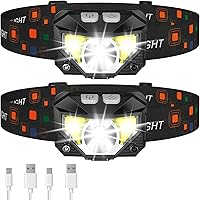
The LHKNL Headlamp Flashlight suits hands-free work in the dark. It weighs 1.87 ounces, has a 1500mAh built-in rechargeable battery, and LHKNL says it runs for 4 to 10 hours when fully charged.
It also has a motion sensor mode and IPX4 waterproof rating.
The Energizer Auto-On LED Flashlights Rechargeable set suits plug-in backup light. The 3-pack has a retractable plug for standard outlets, and Energizer says each light runs for up to 3 hours and turns on automatically when power goes out.
For garage or workshop tasks, our guide to best rechargeable work light for mechanics covers lights built for close work. If you camp or hike, the Black Diamond Astro 300 Headlamp review covers a different kind of portable light.
Can a Rechargeable Bulb Work Without a Socket?
Most rechargeable bulbs need a socket to charge, even if they can run on battery for a short time. Once the battery fades, the bulb must return to a powered socket.
Some models can be removed and carried to another room on battery. That makes them useful as brief portable light, but not as a long term cordless lamp.
USB rechargeable bulbs charge by cable and may suit a different use. They still need a power source, and brightness and runtime follow the same battery limits.
A bulb also cannot charge while the switch is off in most designs.
What Are the Limits of Rechargeable Bulbs?
Rechargeable bulbs have finite battery life, heat limits, and brightness trade offs. They give instant backup light, but not unlimited light or power for other devices.
The battery will age. After many charge cycles and years of heat, it will hold less charge and backup runtime will fall.
The bulb may also dim on battery to save power. That lower output can still help you move, but may not light a full room as brightly as mains power.
Keep a lantern, headlamp, or generator for longer needs.
How Does a Rechargeable Light Bulb Work: The Short Answer
How does a rechargeable light bulb work? It charges a built-in battery from the socket, then uses that battery to power the LED when mains power fails.
The switch position, battery size, and brightness decide how useful that backup light is.
Pick a bulb that fits your socket, suits your fixture, and states its battery hours at the brightness you need. Keep it switched on and charged, and test it after install.
For the next step, check the best rechargeable light bulbs options against your socket and room, then add an emergency lantern if you need light you can carry.
Frequently asked questions
Do rechargeable light bulbs work during a power outage?
Yes, if the bulb is fully charged and its switch is left on, most designs detect the loss of power and switch to the built-in battery. Runtime depends on the bulb, brightness setting, and battery size, so check those details before you rely on it.
What are rechargeable light bulbs?
Rechargeable light bulbs are LED bulbs with a built-in rechargeable battery, charging circuit, and a switch or sensor that shifts the light source when power fails. They fit a standard light socket and can also be removed to carry light to another room.
How do you use rechargeable light bulbs?
Screw the bulb into a compatible socket, charge it with the switch on, and leave it on so it can detect an outage. Use the controls to set brightness, remove it for portable light if your model allows it, and return it to the socket to recharge.
How long does a rechargeable bulb last on battery?
Runtime varies by bulb, brightness, and battery capacity, and higher brightness usually uses the battery faster. If you need hours of light, compare the stated battery life at the brightness you plan to use rather than relying on the maximum figure alone.