
Can You Learn to Power an RV with a Dual Fuel Generator?
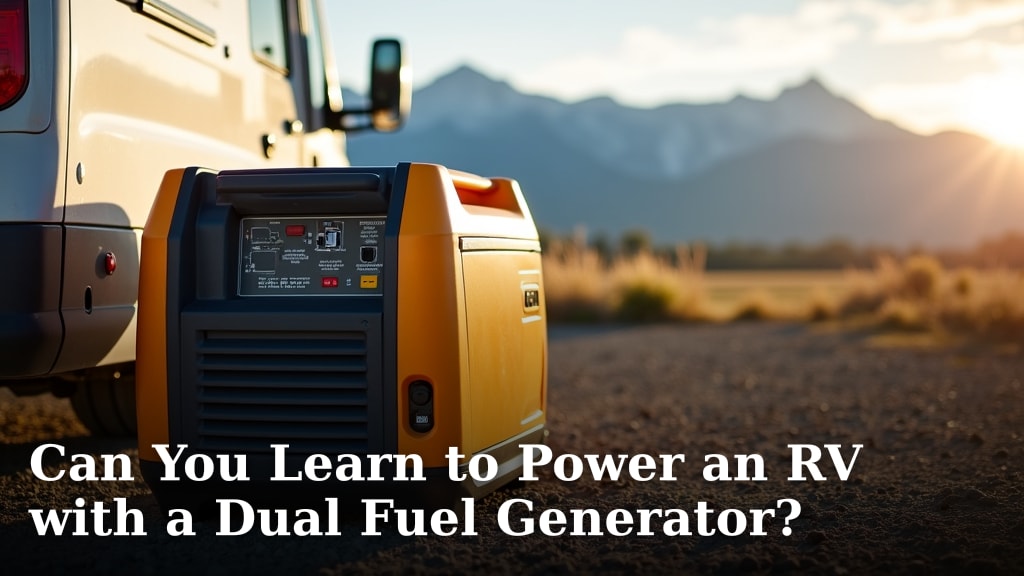
Yes, you absolutely can learn to power your RV with a dual fuel generator. These handy devices run on both propane and gasoline, giving you flexible fuel options on the go. Many RVers find them a reliable way to keep their adventures powered up without hassle.
Dual fuel generators offer a smart solution for RV owners who want convenience and choice. You can easily switch between fuels depending on what’s available or what you have on hand. This flexibility is a big win for extended trips and off-grid living.
- Dual fuel generators run on both propane and gasoline.
- This offers great flexibility for powering your RV.
- You can choose the most convenient fuel source.
- They are a popular choice for RVers seeking reliable power.
We found that understanding how these generators work can make all the difference. Let’s walk through the key features and benefits of using a dual fuel generator for your RV. Understanding how these generators work can make all the difference; our guide explains the key features and benefits.
Getting Your RV Powered with a Dual Fuel Generator
Yes, you can absolutely learn to power your RV using a dual fuel generator. These generators are designed to run on two different types of fuel. This gives you a great deal of flexibility when you’re out on the road. You can switch between propane and gasoline easily. This makes them a very popular choice for RV owners.
Understanding How Dual Fuel Generators Work
A dual fuel generator is built with two separate fuel systems. One system is for gasoline, and the other is for propane. You can choose which fuel to use through a simple selector switch. The generator then draws fuel from the selected tank or connection. This process is quite straightforward. It means you aren’t tied to just one fuel source.
Think of it like having two engines in one. You have the power of gasoline for situations where you need more output. You also have the convenience and often cleaner burn of propane. This dual capability is a major advantage for RV travel. It ensures you can keep your lights on and your devices charged.
Propane vs. Gasoline: What’s the Difference for Your RV?
Both propane and gasoline have their own pros and cons when powering your RV generator. Understanding these can help you make the best choice for your trip. We found that fuel availability is often a key factor. Understanding these can help you make the best choice for your trip; learn more about choosing between propane and gasoline.
The Benefits of Propane
Propane is a very clean-burning fuel. This often means less wear and tear on your generator’s engine. Many RVers prefer propane because it’s widely available at RV parks and propane refill stations. It also stores well for long periods without degrading. This is a big plus for infrequent generator users.
Propane tanks are also relatively easy to connect and disconnect. You can often use the same propane tanks that fuel your RV’s stove and heater. This simplifies your fuel management. Research indicates that propane generally has a higher octane rating than regular gasoline. This can sometimes lead to a smoother operation of the generator.
The Advantages of Gasoline
Gasoline is readily available at almost any gas station. This makes it a convenient option if you find yourself running low on propane. Many RVs already carry gasoline for their vehicle engines, so you might have it on hand. We found that gasoline can sometimes offer slightly more power output than propane.
However, gasoline can degrade over time if not stored properly. This means you might need to use fuel stabilizers if you plan to store gasoline for extended periods. It’s also a bit messier to handle than propane. Spills can be more common. Many experts advise using fresh gasoline for optimal generator performance (EPA).
Key Features to Look for in an RV Dual Fuel Generator
When you’re shopping for a dual fuel generator for your RV, a few features stand out. These can make your experience much smoother. We looked at what makes a generator truly user-friendly for campers.
Wattage Requirements for Your RV
First, you need to figure out how much power your RV needs. This is measured in watts. You’ll want a generator that can handle your essential appliances. Think about your air conditioner, microwave, and refrigerator. Check the wattage requirements for each. Add them up to get a total.
You’ll also want some extra wattage for starting surges. Many appliances, especially those with motors, require more power to start than to run. Aim for a generator with a running wattage that meets your needs. Also, ensure its peak or starting wattage can handle those initial power demands. A 2000-watt generator might run a few lights and charge devices. A 3500-watt or 4500-watt model is often needed for RV air conditioners (RV Industry Association).
Portability and Noise Level
Since you’ll be moving it around your campsite, portability is important. Look for generators with built-in wheels or comfortable handles. Also, consider the noise level. Many dual fuel generators are designed to be quieter. This is often referred to as “inverter” technology. These are much more pleasant for you and your neighbors.
Noise is measured in decibels (dB). For RV use, a generator that runs at 60 dB or lower is generally considered quiet. This is often comparable to normal conversation. Some very quiet models can operate in the 50s dB range. This is important for complying with campground noise regulations.
Ease of Fuel Switching
A good dual fuel generator will have a simple and obvious way to switch between fuels. You don’t want to be fiddling with complicated valves in the dark. Look for clear labels and easy-to-turn knobs or levers. This feature is key to the “dual fuel” convenience.
Setting Up Your Dual Fuel Generator for RV Use
Getting your generator ready to power your RV is a critical step. Proper setup ensures safety and optimal performance. We found that following the manufacturer’s instructions is always the best practice.
Safety First: Fuel Handling and Placement
When using gasoline, store it in an approved container. Keep it away from heat sources and open flames. Never refuel a generator while it’s running or hot. This is a fire hazard. Place your generator on a level surface. Ensure it’s at least 20 feet away from your RV and any other structures. This is to prevent carbon monoxide buildup.
For propane, ensure your connections are tight and leak-free. You can use a soapy water solution to check for leaks. If you see bubbles, tighten the connection or replace the seal. Proper ventilation is also important for propane. While it burns cleaner, you still need to avoid enclosed spaces.
Connecting to Your RV Power System
Most portable generators connect to your RV via a standard 30-amp or 50-amp RV power cord. You’ll plug this cord directly into the generator’s outlet. Then, you’ll plug the other end into your RV’s shore power inlet. Make sure your RV’s main breaker is switched off before you connect the generator.
Some RVs have a built-in generator switch. This allows you to select between shore power and the onboard generator. If your RV doesn’t have this, you’ll need to disconnect your RV from external power sources before connecting the generator. This prevents back-feeding power. This is a critical safety measure.
Maintaining Your Dual Fuel Generator
Just like any piece of equipment, your dual fuel generator needs regular maintenance. This will keep it running smoothly for years. We found that simple checks can prevent big problems down the road.
Checklist for Generator Maintenance:
- Change the oil regularly, following the manufacturer’s schedule.
- Clean or replace the air filter as needed.
- Inspect spark plugs for wear and tear.
- Test run the generator monthly, even in the off-season.
- Keep the generator clean and dry when not in use.
- Store fuel properly to prevent degradation.
A Comparative Look: Dual Fuel vs. Single Fuel Generators
Deciding between a dual fuel and a single fuel generator is a common choice for RVers. Each has its place. We put together a quick comparison to help you see the differences.
| Feature | Dual Fuel Generator | Single Fuel (Gasoline) Generator | Single Fuel (Propane) Generator |
|---|---|---|---|
| Fuel Options | Propane & Gasoline | Gasoline Only | Propane Only |
| Fuel Availability | Good (gasoline widely available, propane at stations) | Excellent (gasoline everywhere) | Good (propane at stations, campgrounds) |
| Storage & Shelf Life | Gasoline can degrade; propane stores well. | Gasoline can degrade; needs stabilizers. | Propane stores very well for long periods. |
| Cold Weather Performance | Gasoline generally better; propane can be affected. | Generally reliable in cold. | Can be less effective in very cold temperatures. |
| Engine Cleanliness | Propane burns cleaner. | Can leave more residue. | Burns very cleanly. |
| Flexibility | Highest | Limited to gasoline. | Limited to propane. |
As you can see, dual fuel generators offer the most adaptability. This is why they are such a smart investment for many RV travelers. They give you options when one fuel source might be less convenient.
Conclusion
You’ve learned that powering your RV with a dual fuel generator is entirely achievable and offers fantastic flexibility. By understanding how propane and gasoline perform differently and what features to prioritize, you’re well-equipped to choose the right generator. Remember to always follow safety guidelines for fuel handling and setup. Taking these steps ensures you’ll have reliable power for all your adventures. Your next step is to assess your RV’s power needs and start browsing models that fit your budget and lifestyle!
Frequently Asked Questions
What’s the biggest advantage of a dual fuel generator for RVers?
The biggest advantage is the flexibility it provides. You can switch between propane and gasoline based on what’s most convenient or available at your campsite, ensuring you always have a power source.
Can I use the same propane tank for my RV’s stove and my generator?
Yes, in most cases! Many dual fuel generators allow you to connect to your RV’s main propane tanks. This simplifies fuel management as you only need to track one type of fuel for multiple appliances.
Which fuel is generally better for generator longevity: propane or gasoline?
Propane is often considered better for generator longevity because it burns cleaner. This means less carbon buildup and potentially less wear and tear on the generator’s engine over time.
How do I know what wattage generator I need for my RV?
You need to calculate the total wattage of your essential appliances, like your air conditioner and microwave. Always add a buffer for starting surges, as motors require more power to kick on than to run.
Is a dual fuel generator significantly louder than a single fuel one?
Noise level depends more on the generator’s design (like inverter technology) than whether it’s dual fuel. Many modern dual fuel generators are designed to be very quiet, often comparable to normal conversation.
