
What Is a Dual Fuel Inverter Generator and How Does It Work?
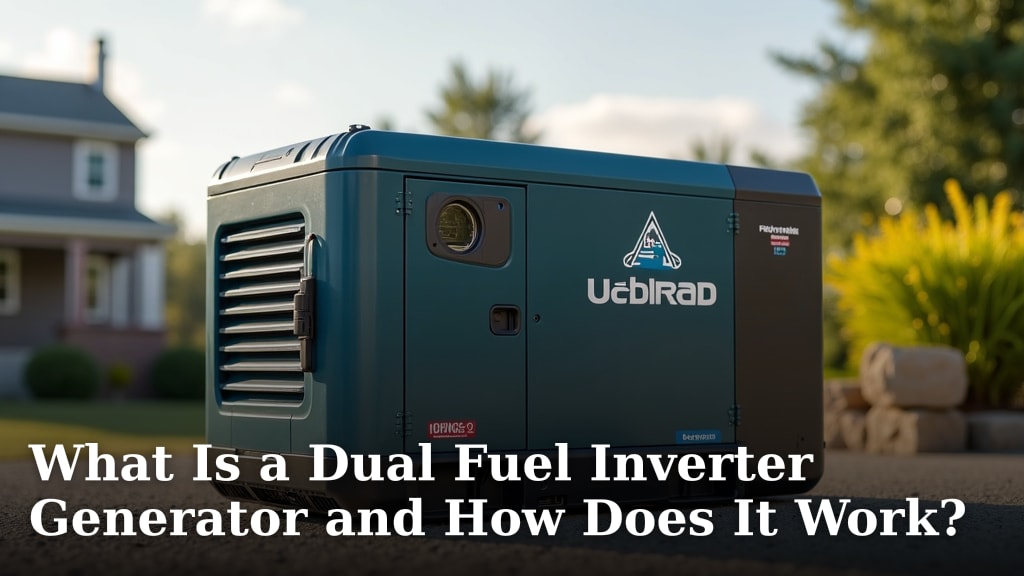
A dual fuel inverter generator is a versatile power source that can run on two different types of fuel, usually gasoline and propane. This allows for flexible operation and extended run times. It uses advanced inverter technology to produce clean, stable electricity, which is safe for sensitive electronics.
You get the best of both worlds with these generators. You can easily switch between fuels based on what’s available or your needs. This makes them ideal for everything from home backup power to camping trips, giving you reliable electricity wherever you are.
- Dual fuel generators run on gasoline and propane.
- Inverter technology provides clean, safe power.
- They are great for home use, RVs, and outdoor activities.
- Switching fuels offers flexibility and longer run times.
Ready to understand how these clever machines work their magic? Let’s break down the mechanics and benefits of a dual fuel inverter generator, so you can decide if it’s the right choice for your power needs.
Understanding Dual Fuel Inverter Generators
A dual fuel inverter generator combines the best features of two popular generator types. It runs on more than one fuel type. It also uses advanced inverter technology. This creates a highly efficient and versatile power source for your needs.
What Makes Them “Dual Fuel”?
The “dual fuel” part is pretty straightforward. It means your generator can run on two different kinds of fuel. Most often, these are gasoline and liquid propane (LP). This flexibility is a huge advantage. Imagine you’re out of gas, but you have a propane tank handy. No problem! Just switch fuels and keep your power running.
Gasoline Operation
Gasoline is a common fuel. It’s easy to find at almost any gas station. Generators running on gasoline often provide a higher power output. This means they can handle more demanding appliances. However, gasoline has some downsides. It doesn’t store well for long periods. It can also be more expensive than propane. Plus, burning gasoline creates more emissions.
Propane (LP) Operation
Propane is a clean-burning fuel. It stores very well, almost indefinitely. This makes it great for emergency preparedness. It produces fewer emissions than gasoline. Propane can also be safer to store. The downside? Propane might offer slightly less power output compared to gasoline. It also requires a separate tank, which adds to the setup.
How Does Inverter Technology Work?
This is where the “inverter” part comes in. Traditional generators produce raw AC power. This power can fluctuate. It might not be stable enough for sensitive electronics. Think about your laptop or smartphone charger. They need clean, consistent power.
Inverter generators work differently. First, they produce AC power. Then, this AC power is converted to DC power. Finally, it’s converted back to clean AC power using an inverter. This complex process creates a stable sine wave output. It’s just like the power you get from your wall outlets at home. This is why it’s called “clean power” or “safe power” for electronics.
You can plug in your phone, tablet, or computer without worry. There’s no risk of damaging them. This stable power also helps appliances run more efficiently. It can even extend their lifespan. Many people appreciate this peace of mind, especially during outages.
The Synergies of Dual Fuel and Inverter Tech
When you combine dual fuel capability with inverter technology, you get a powerful solution. You have the flexibility of two fuel types. You also get the clean, stable power of an inverter. This makes these generators incredibly versatile. They adapt to many different situations. You can use them for camping, tailgating, or powering your home.
For example, you might use gasoline for higher power needs. Then, switch to propane for extended run times. Propane tanks are easy to swap out. This means you can keep adding fuel without shutting down the generator. This is a huge benefit during a power outage that lasts for days (CDC).
Key Benefits of Owning a Dual Fuel Inverter Generator
These generators offer many advantages. They provide peace of mind and practical solutions. Let’s look at some of the most compelling reasons why people choose them.
Unmatched Fuel Flexibility
The ability to use two fuel types is a major plus. You are not reliant on a single fuel source. If one is scarce, you have a backup. This is especially useful during natural disasters. Gasoline might be hard to find. Propane could be your saving grace.
Extended Run Times
Because you can switch fuels, you can keep your generator running longer. Imagine running out of gas. You just connect a propane tank and keep going. This means fewer interruptions. It’s ideal for long camping trips or power outages that last for days. Many users keep several propane tanks on hand for this very reason.
Fuel Availability in Emergencies
During a widespread power outage, gasoline supplies can quickly disappear. Gas stations often run out or can’t pump fuel without electricity. Propane, on the other hand, is stored in tanks. You can keep multiple tanks ready. This makes propane a reliable option when other fuels are scarce (Ready.gov).
Clean and Safe Power for All Your Devices
We already touched on this. But it’s worth repeating. The inverter technology is a game-changer. You don’t have to worry about damaging sensitive electronics. This includes laptops, TVs, and medical equipment. Think about a CPAP machine. It needs consistent power. An inverter generator provides just that.
Quieter Operation
Inverter generators are generally much quieter than traditional generators. This is because they adjust their engine speed. They only run as fast as needed to meet the power demand. If you’re running just a few lights, the engine runs slower. This saves fuel and reduces noise. We found many users appreciate this quiet operation. It’s much nicer for camping or in residential areas.
Portability and Efficiency
Many dual fuel inverter generators are designed to be lightweight and portable. They often come with wheels and telescoping handles. This makes them easy to move around. Their efficiency is also impressive. Because the engine speed adjusts, they burn less fuel. This saves you money in the long run. It also reduces trips to refuel.
Checklist: Is a Dual Fuel Inverter Generator Right for You?
- Do you need clean power for sensitive electronics?
- Is fuel flexibility important for your peace of mind?
- Do you want quieter operation for various uses?
- Is portability a key factor for your power needs?
- Are you looking for a versatile generator for multiple scenarios (home, RV, camping)?
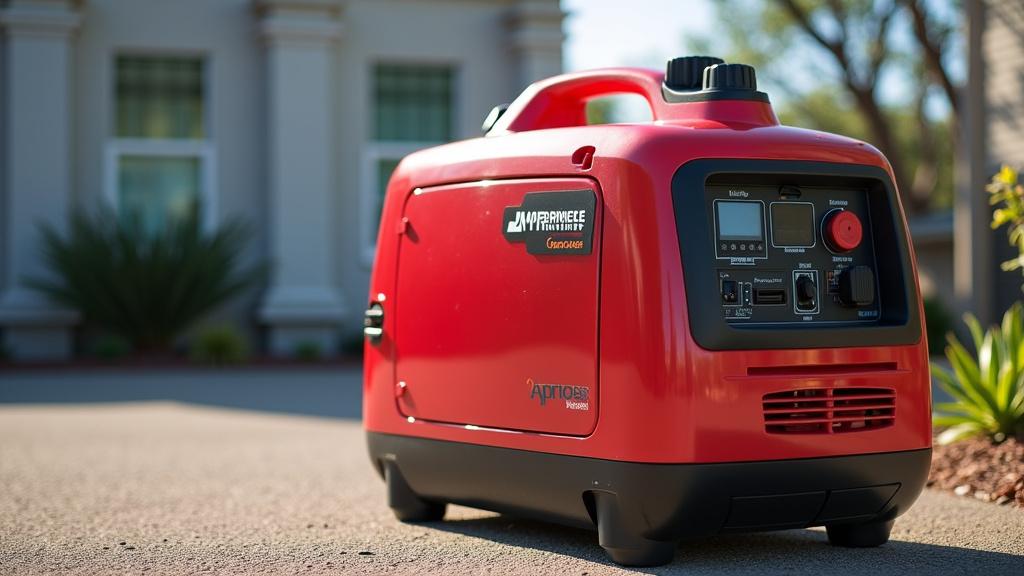
Choosing the Right Dual Fuel Inverter Generator
With so many options available, how do you pick the best one? It really comes down to your specific needs. Consider what you plan to power. Think about where and how often you’ll use it. Your budget is also a key factor.
Understanding Power Requirements (Watts)
Generators are rated in watts. This tells you how much power they can produce. You’ll see “running watts” and “starting watts.” Running watts are what an appliance needs to operate continuously. Starting watts are the extra surge of power needed to start motor-driven appliances. Refrigerators, air conditioners, and power tools often need high starting watts.
Make a list of all the items you want to power. Check their wattage requirements. Then, add them up. Always give yourself a little extra capacity. It’s better to have too much power than not enough. A common mistake is underestimating total power needs. We recommend adding a 20% buffer to your total calculated wattage.
Run Time and Fuel Capacity
How long do you need your generator to run on a single tank or cylinder? This is important. Generators often list run times at 25% or 50% load. Pay attention to these numbers. A larger fuel tank or the ability to easily swap propane tanks will give you longer run times. Consider your typical usage patterns. Will you be running it for hours on end, or just occasionally?
Noise Level (Decibels)
Noise level is measured in decibels (dB). For reference, a normal conversation is about 60 dB. Many inverter generators operate between 50 dB and 65 dB. This is much quieter than traditional models. If you plan to use your generator in a campground or residential area, a quieter model is a must. Check the decibel rating before you buy.
Features and Accessories to Look For
Consider features like electric start. This makes starting the generator much easier. Remote start is also a nice convenience. Look for multiple outlets, including USB ports. A fuel gauge is essential. Some models even offer parallel capability. This lets you connect two identical generators for double the power. This is great if your power needs grow over time.
| Feature | Benefit | Consideration |
|---|---|---|
| Electric Start | Easy push-button starting. | Requires a battery. |
| Remote Start | Start/stop from a distance. | Range can vary. |
| USB Outlets | Directly charge phones/tablets. | Only for low-power devices. |
| Fuel Gauge | Monitor fuel levels easily. | May not be present on all models. |
| Parallel Capability | Combine two generators for more power. | Requires a special kit and a second generator. |
Remember, the best generator for you is the one that meets your specific requirements. Take your time. Do your research. You’ll find a dual fuel inverter generator that reliably powers your adventures and emergencies.
Conclusion
A dual fuel inverter generator truly offers the best of both worlds. You gain incredible fuel flexibility, allowing you to switch between gasoline and propane based on availability or need. This means longer run times and greater peace of mind during outages. Plus, the inverter technology delivers clean, stable power, keeping your sensitive electronics safe. Its quieter operation and portability make it a fantastic choice for many situations.
You now have a solid understanding of how these generators work and their benefits. To find the right one, list your power needs, consider run time, and check decibel levels. With this information, you’re ready to confidently choose a generator that will reliably power your life.
Frequently Asked Questions
Is it better to run a dual fuel generator on gasoline or propane?
It depends on your needs. Gasoline typically offers a higher power output for demanding appliances. Propane burns cleaner, stores indefinitely, and is often preferred for extended run times due to easy tank swapping and better availability during emergencies. Many users keep both fuels on hand for maximum flexibility.
Can I switch fuel types while the generator is running?
Most manufacturers recommend shutting down the generator before switching fuel sources. This ensures a smooth transition and prevents potential damage to the engine. Always consult your generator’s specific owner’s manual for the safest operating procedures.
Do dual fuel inverter generators require more maintenance than single-fuel models?
Not necessarily. While you’re dealing with two fuel systems, the maintenance is generally similar to a gasoline-only generator. Regular oil changes, spark plug checks, and air filter cleaning are standard. Storing your generator properly and stabilizing fuel are also important for longevity.
Are dual fuel inverter generators suitable for off-grid living?
Yes, they can be an excellent option for off-grid living. Their fuel flexibility means you’re not solely reliant on one source. Propane’s long shelf life makes it ideal for remote storage. Pairing a dual fuel inverter generator with a solar setup can provide a very robust and reliable power system.
What is “clean power” and why is it important for my electronics?
“Clean power” refers to the stable and consistent electrical current produced by inverter generators. It mimics the power from your home’s wall outlets, with a smooth sine wave. This is crucial because sensitive electronics like laptops, smartphones, and medical devices can be damaged by the fluctuating, “dirty” power from traditional generators.
