9 Best Generators for a Refrigerator and Freezer (November 2026)
The best generators for refrigerators and freezers include the Westinghouse 4650 Peak Watt Portable Generator for long home backup, the Oxseryn Power Equipment 4400 Watts Inverter Generator for portable inverter power, and the BLUETTI Elite 30 V2 Portable Power Station for quiet indoor-style backup.
On this page (6 sections)
- The best generator for refrigerator and freezer loads
- How much generator power does a refrigerator and freezer need?
- Fuel generator or portable power station?
- How should you connect a refrigerator and freezer?
- What should you check before buying?
- Final verdict for the best generator for refrigerator and freezer
The best generator for a refrigerator and freezer is the Westinghouse 4650 Peak Watt Portable Generator because it combines 3,600 running watts, 4,650 peak watts and up to 14 hours of gasoline runtime per tank. Choose the Oxseryn or PowerSmart for inverter output, or choose a battery station when quiet short-term backup matters more than long runtime.
A refrigerator and freezer both use compressors. Their startup demand can be higher than their normal running demand, so a generator that only matches the everyday wattage may struggle when both appliances cycle on.
This guide compares fuel generators and portable power stations for simultaneous refrigerator and freezer loads. We checked the stated output, starting capacity, runtime, battery size, outlet options and portability of each pick.
Start with the Best Dual Fuel Generator For Refrigerators if you want to compare fuel flexibility. For a battery-based setup, see the Best Dual Fuel Inverter Generator For Refrigerators guide for another way to think about clean backup power.
Our picks at a glance
-
1
 Best for long home backup
Westinghouse 4650 Peak Watt Portable Generator
9.6/10 our score
See it on Amazon -
2
 Best for portable inverter power
Oxseryn Power Equipment 4400 Watts Inverter Generator
9.5/10 our score
See it on Amazon -
3
 Best for quiet indoor-style backup
BLUETTI Elite 30 V2 Portable Power Station
9.4/10 our score
See it on Amazon
- 4
 Check it
PowerSmart 4000 Watt Portable Inverter Generator
Best for low-noise gasoline backup - 5
 Check it
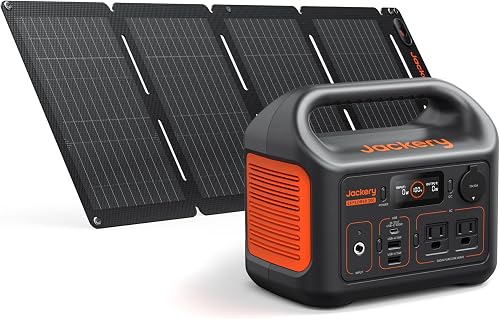
Jackery Solar Generator 300 and 40W Solar
Best for small emergency loads - 6
 Check it
EnginStar 296Wh Portable Solar Generator
Best for small devices beside the freezer - 7
 Check it
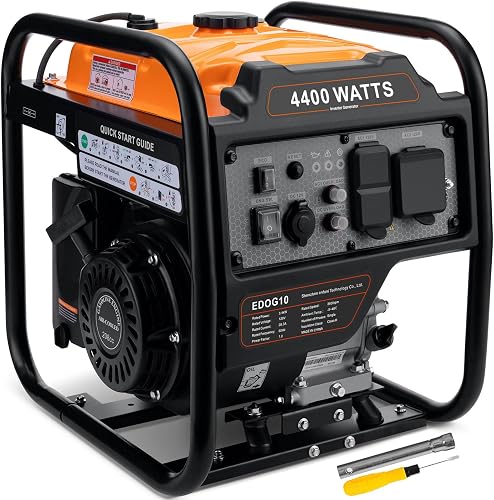
Oxseryn 4400-Watts Inverter Generator
Best for RV-ready backup - 8
 Check it
Oxseryn 5000-Watts Portable Inverter Generator
Best for higher running capacity - 9
 Check it
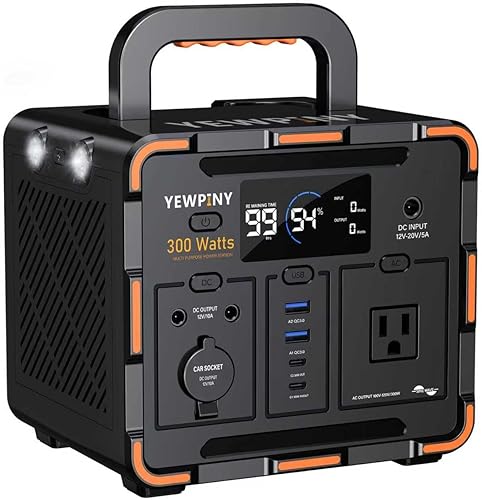
yewpiny 300W Portable Power Station
Best for compact basic backup
The best generator for refrigerator and freezer loads
The Westinghouse is the best overall fit when you want a large operating margin and long fuel runtime. The Oxseryn and PowerSmart models offer lower weight or lower stated noise, while the battery stations fit smaller loads and shorter outages.
Westinghouse 4650 Peak Watt Portable Generator: Best for long home backup
- 3,600 running watts
- 4,650 peak watts
- 4-gallon fuel tank
- Up to 14 hours per tank
The high running capacity and 4,650 peak watts give this generator the widest margin for starting and running a refrigerator and freezer together. Its 4-gallon tank suits longer outage coverage.
Pros
- High running and peak output
- Long stated runtime
- RV-ready 30A outlet
Cons
- 100.6 lb open-frame design
- Gasoline only
The Westinghouse 4650 Peak Watt Portable Generator gives you 3,600 running watts and 4,650 peak watts. That combination leaves more room for compressor startup than the smaller battery stations, and it can support additional essential loads when the refrigerator and freezer are already running.
Its 4-gallon fuel tank provides up to 14 hours of runtime per tank. A fuel gauge helps you check the remaining fuel, while automatic low-oil and carbon monoxide shutdown features add useful safeguards.
The outlet panel has two 5–20R 120V household duplex receptacles, one RV-ready TT-30R 30A receptacle and one L5-30R 30A receptacle. Rubber covers protect the outlets when they are not in use.
At 100.6 lb, this is the heaviest option here. The metal open-frame design and recoil start make it better for a planned backup location than frequent hand carrying.
Choose it when your priority is longer gasoline runtime and extra wattage margin. Follow safe outdoor placement and use an approved connection method for your home.
Never connect a generator directly to a household wall outlet.
Oxseryn Power Equipment 4400 Watts Inverter Generator: Best for portable inverter power
- 3,400 running watts
- 4,400 peak watts
- ECO mode
- 56 lb weight
This lighter inverter generator combines enough stated output for a refrigerator and freezer with a 56 lb frame. ECO mode and the 2-gallon tank suit buyers who value portability.
Pros
- Inverter technology
- Light 56 lb design
- RV port and fuel gauge
Cons
- Smaller tank than the Westinghouse
- Open-frame design
The Oxseryn Power Equipment 4400 Watts Inverter Generator offers 3,400 running watts and 4,400 peak watts in a 56 lb package. That gives you strong capacity for two cold appliances while keeping the frame easier to move than the Westinghouse.
Its 2-gallon fuel tank runs up to 14 hours at 25% load with ECO mode. The fuel gauge shows the level at a glance, and the generator includes two 120V AC ports, one 12V DC port and one RV port.
The under-72 dBA rating from 23 ft is useful when the generator sits near an occupied outdoor area. Inverter technology and overload protection add features that fit both emergency home backup and RV use.
The smaller tank means less stored gasoline at one time, but the 56 lb weight helps if you need to move the unit between storage and an outdoor operating spot. Confirm the total starting demand of both appliances before relying on it.
This is a strong pick for portable inverter power with a high output rating. It is also a practical option for buyers who need an RV port and do not want to handle a 100 lb generator.
BLUETTI Elite 30 V2 Portable Power Station: Best for quiet indoor-style backup
- 288Wh capacity
- 600W continuous output
- 1,500W Power Lifting Mode
- 10ms UPS
The BLUETTI is the quiet, compact choice for short backup periods where a refrigerator or freezer stays within its 600W output and available battery energy. Its UPS function helps with sudden power cuts.
Pros
- Lightweight 9.5 lb body
- Solar, AC and car charging
- 10ms UPS function
Cons
- Much less energy than fuel generators
- 288Wh capacity limits runtime
The BLUETTI Elite 30 V2 Portable Power Station has 288Wh of capacity and 600W of continuous output, so it suits a refrigerator or freezer load that stays within that limit for a short backup period. Its 1,500W Power Lifting Mode does not change the available battery energy.
At 9.5 lb, it is far easier to carry than a gasoline generator. The 10ms UPS function is useful when power drops suddenly, and the unit supports AC, car, lead-acid and solar charging methods.
BLUETTI includes an AC charging cable, car charging cable and user manual. The unit has 9 total power outlets and supports 120V output.
The key trade-off is energy capacity. A refrigerator's compressor cycles can use the battery faster than a phone, laptop or light, so estimate the appliance load before expecting overnight coverage.
Choose this for quiet, compact backup where the appliance load is modest and you can recharge from AC, a vehicle or solar power. For a fuel option focused specifically on freezer loads, compare the Best Dual Fuel Generator For Freezers guide.
PowerSmart 4000 Watt Portable Inverter Generator: Best for low-noise gasoline backup
- 3,200 running watts
- 4,000 starting watts
- 59 dBA at 23 ft
- Under 3% THD
PowerSmart gives you inverter output, a 3,200-watt running rating and a low 59 dBA noise claim. It fits buyers who want gasoline backup with less open-frame noise.
Pros
- Quiet 59 dBA rating
- Clean power under 3% THD
- Parallel-ready design
Cons
- Recoil start
- Parallel kit sold separately
The PowerSmart 4000 Watt Portable Inverter Generator provides 3,200 running watts and 4,000 starting watts with stated total harmonic distortion under 3%. That makes it a good fit for buyers who want gasoline output for cold appliances plus a cleaner power profile for electronics.
PowerSmart rates the unit at 59 dBA from 23 ft and includes Eco Mode. The control panel has a 120V 20A duplex outlet, a 120V 30A L5-30R twist-lock outlet, a 12V 8A DC outlet and two 5V 2.1A USB ports.
The generator uses recoil start and weighs 50.7 lb. It can connect two 4,000W generators in parallel, but the parallel kit is sold separately.
Its 3,200 running watts give plenty of room for many refrigerator and freezer combinations, but you still need to add any other outage loads. Lights, internet equipment, sump pumps and cooking appliances all reduce the remaining capacity.
Pick it for lower-noise inverter backup with a 3,200-watt running rating. It works best when you want gasoline runtime but prefer a smaller body and a stated 59 dBA operating level.
Jackery Solar Generator 300 and 40W Solar: Best for small emergency loads
- 292Wh capacity
- 300W rated output
- 600W peak surge
- 40W solar panel
The Jackery is a compact battery option for a small refrigerator or freezer load that stays below its 300W rated output. The included 40W panel adds a recharging path for emergency and outdoor use.
Pros
- Portable 7.5 lb design in the feature data
- 40W panel included
- Pure sine wave AC outlet
Cons
- 300W rated output is limited
- Battery backup is shorter than fuel runtime
The Jackery Solar Generator 300 and 40W Solar includes a 292Wh battery, 300W rated output and 600W peak surge. It is suitable for a small refrigerator or freezer load that stays below 300W, but it is not a substitute for a high-capacity fuel generator.
The package includes the Explorer 300, a SolarSage 40W Air panel, an AC adapter, a car charger cable and a user guide. The unit has two AC outlets, a 100W USB-C PD port, two USB-A ports and a 120W car port.
Jackery states that the Explorer 300 weighs 7.5 lb in the product features, while the specifications list 12.9 lb. That difference is worth checking before you plan to carry it often.
The 40W panel gives you a solar charging path, but solar recharge speed depends on available sunlight and the station's charging needs. Keep the battery ready before an expected storm.
Choose it for small emergency loads and portable charging. If your refrigerator or freezer needs more than 300W while running, move up to a fuel generator with a higher continuous rating.
EnginStar 296Wh Portable Solar Generator: Best for small devices beside the freezer
- 296Wh capacity
- 300W output
- Pure sine wave AC outlets
- Wall, solar and car charging
EnginStar works best when the refrigerator or freezer load is below 300W and the goal is short backup or support for smaller devices. Its 296Wh battery and multiple charging paths make it easy to keep ready.
Pros
- Two pure sine wave AC outlets
- 296Wh capacity
- Overload and short-circuit protection
Cons
- Not intended for large refrigerator loads
- Solar panel sold separately
The EnginStar 296Wh Portable Solar Generator provides 300W of output and 296Wh of battery capacity. Its product information specifically warns that it may not support a refrigerator, electric grill, induction cooker, microwave or heater, so treat it as a limited backup choice for cold appliances.
It has two 110V pure sine wave AC outlets, a 12V car port, two DC outputs, two USB outputs and an 18W USB-C fast-charge port. The unit can charge from a wall charger, solar panel or car charger.
EnginStar lists overload, over-discharge, overcharge, overheating and short-circuit protection. It also recommends charging the station every 3 to 6 months when stored and keeping it in a dry environment between 40 F and 100 F.
The 6.5 lb weight in the product features makes it easy to move, although the listed dimensions vary between the feature text and specifications. Measure your storage space before setting aside a permanent shelf.
Choose this for small devices beside the freezer, such as lights, phones or a low-wattage load that you have confirmed stays under 300W. Do not choose it for a large refrigerator backup plan without checking the appliance's power draw.
Oxseryn 4400-Watts Inverter Generator: Best for RV-ready backup
- 3,400 running watts
- 4,400 peak watts
- 14 hours at 25% load
- 30A RV outlet
This Oxseryn gives you the same main output class as the other 4,400-watt option, with a 30A RV outlet and stated 14-hour runtime at 25% load. It suits home and RV backup planning.
Pros
- High running wattage
- 30A RV outlet
- ECO mode and overload protection
Cons
- 57 lb weight
- Gasoline only
The Oxseryn 4400-Watts Inverter Generator delivers 3,400 running watts and 4,400 peak watts, with a stated 14-hour runtime at 25% load. That makes it suitable for buyers who want a gasoline generator with enough capacity for both cold appliances and selected essential loads.
Its 2-gallon fuel tank, 30A RV outlet, two 120V AC ports and 12V DC port cover common home and RV uses. ECO mode, overload protection, low-oil shutdown and cold-start technology are also included in the feature data.
The unit weighs 57 lb and measures 19.4 x 15.2 x 19.2 in. It is close in output to the other Oxseryn 4,400-watt model, so compare the stated noise, outlet setup and included items before choosing between them.
The product information notes that factory testing can leave a slight gas smell when received. Let the unit air out as directed and follow the manual before first operation.
Pick it for RV-ready gasoline backup with a 30A outlet and a high running rating. For step-by-step connection planning, read How to Power a Refrigerator with a Dual Fuel Generator?.
Oxseryn 5000-Watts Portable Inverter Generator: Best for higher running capacity
- 4,000 running watts
- 5,000 peak watts
- 6 hours at 50% load
- 30A RV outlet
The 4,000-watt running rating gives this generator the most continuous capacity in the group. It fits buyers who want room for both cold appliances and other essential loads.
Pros
- Highest running wattage here
- 5,000 peak watts
- Electric start and ECO mode
Cons
- 60 lb weight
- Shorter stated runtime at 50% load
The Oxseryn 5000-Watts Portable Inverter Generator has the highest running rating in this roundup at 4,000 watts, plus 5,000 peak watts. That extra continuous capacity can help when the refrigerator and freezer run alongside other essential household loads.
It uses gasoline, has a 2-gallon tank and runs up to 6 hours at 50% load. ECO mode adjusts engine speed with demand, and a fuel gauge helps you track the tank.
The unit includes a 30A RV outlet and is rated at 70 dB from 23 ft. Its open-frame body weighs 59.5 lb and measures 19 x 15.6 x 19 in.
Electric start makes the setup different from recoil-start models in this group. The shorter stated runtime at 50% load means you may need more frequent refueling during a longer outage.
Choose it for higher running capacity when you plan to power the refrigerator, freezer and other essential loads together. Stay below the 4,000-watt running rating and account for startup demand.
yewpiny 300W Portable Power Station: Best for compact basic backup
- 259Wh capacity
- 300W pure sine wave output
- 600W peak
- 65W USB-C PD
The yewpiny is a small battery station for a refrigerator or freezer that stays below 300W, plus phones and other small loads. Its 259Wh capacity makes it a short-duration option.
Pros
- 7.2 lb portable body
- LiFePO4 battery
- Solar and pass-through charging
Cons
- 300W output limit
- 259Wh capacity is modest
The yewpiny 300W Portable Power Station provides 300W of pure sine wave output, 259Wh of capacity and 600W peak power. It is a compact option for a small refrigerator or freezer load that has been checked against the 300W limit.
Its LiFePO4 battery supports wall, car and solar charging. The station has USB-C PD up to 65W, two USB-A ports, two DC ports and an AC outlet.
The 7.2 lb body has a built-in handle, and pass-through charging lets it recharge while powering devices. Protection features include short-circuit, over-current, over-voltage and overload protection.
The modest battery capacity is the main trade-off. A compressor load can use it quickly, so this unit is better for short interruptions or smaller appliances than for running a full-size refrigerator and freezer overnight.
Choose it for compact basic backup when portability matters more than duration. If you need help sizing the setup, read What Do You Need to Power a Refrigerator with a Dual Fuel Generator?.
How much generator power does a refrigerator and freezer need?
A refrigerator and freezer need enough running wattage for both appliances plus extra peak capacity for compressor startup. The exact numbers vary by appliance, so check each nameplate or manual before selecting a generator.
The large fuel generators here provide a wide margin:
- Westinghouse: 3,600 running watts and 4,650 peak watts.
- Oxseryn 4,400W models: 3,400 running watts and 4,400 peak watts.
- PowerSmart: 3,200 running watts and 4,000 starting watts.
- Oxseryn 5,000W model: 4,000 running watts and 5,000 peak watts.
The battery stations are more limited. BLUETTI provides 600W continuous output, while Jackery, EnginStar and yewpiny provide 300W rated output.
Do not treat peak wattage as the amount a generator can supply all day. Use the running rating for the combined operating load, then use the peak rating as extra startup headroom.
Fuel generator or portable power station?
A fuel generator is the better choice for long outages and simultaneous refrigerator and freezer use when you can operate it outdoors. A portable power station is quieter and easier to carry, but its battery capacity limits how long it can run a compressor load.
Fuel models can continue operating after you add fuel. The Westinghouse gives up to 14 hours per tank, while the Oxseryn 4,400W model also states up to 14 hours at 25% load.
Battery models avoid gasoline storage and exhaust at the point of use. They still need safe charging, dry storage and enough remaining capacity for the next outage.
For quiet backup inside a suitable location, the BLUETTI's UPS function is the most direct fit here. For high output and longer runtime, choose a fuel generator and place it outdoors away from the home.
How should you connect a refrigerator and freezer?
Connect each appliance through the approved outlets on the generator whenever possible. That keeps the load clear, makes the total draw easier to track, and avoids improvised links that can overheat or fail.
Never plug a generator into a household wall outlet. Backfeeding can send power into utility lines, injure line workers, and damage equipment, so a direct wall connection is never an acceptable shortcut.
When the refrigerator or freezer is too far from the generator, use a heavy-duty outdoor-rated extension cord only if the appliance manual allows it. Check the cord rating against the load before you run it, and keep it out of standing water and doorways where it can be pinched.
Inspect every cord before an outage and after storage. Frayed insulation, loose prongs, or a cracked housing is a reason to stop and replace the cord rather than risk a fault under load.
A transfer switch is the safer home-backup method when you want selected household circuits powered. It separates those circuits from the utility supply and gives you a fixed point for the generator connection.
Have a transfer switch installed and inspected by a qualified electrician before an outage. Work done in a hurry during a storm is harder to check, and the setup should match your panel, outlets, and local code.
Start the generator outdoors and let it stabilize before adding loads. Connect the refrigerator first, then the freezer, and watch how the generator responds as each compressor starts.
Stagger the loads instead of switching everything on at once. Compressor startup can spike demand, so adding one appliance at a time gives the generator a better chance to settle.
If a breaker trips or the engine labors, unplug the last load and reassess. Reduce the total running watts rather than forcing the generator to carry more than its continuous rating.
Keep refrigerator and freezer doors closed during a power interruption. Every opening lets cold air escape, and the appliances then need more energy to recover once power returns.
Starting with full appliances can help preserve cold temperature for longer. A fuller freezer in particular holds its temperature more steadily than a nearly empty one during a short outage.
Plan the cable route before the outage so you are not improvising in the dark. Mark where cords will run, where the generator will sit, and which outlets will be used.
Store cords loosely coiled in a dry place and check them when you check the generator. Label the refrigerator and freezer cords or note their running watts in the manual.
What should you check before buying?
Check the combined running watts first, then compare peak watts, fuel or battery runtime, outlet types, and placement. A larger generator is not automatically the best fit if you cannot store fuel or move it safely outdoors.
For gasoline models, compare tank size and the runtime condition together. A statement such as up to 14 hours at 25 percent load will not mean the same runtime at maximum output.
Estimate how the compressor load will run through a full day. A refrigerator and freezer do not draw power at a flat rate, so the runtime figure that matters is the one closest to your expected load.
For battery models, compare watt-hours with the appliance's actual draw. A 300W output rating tells you the ceiling for connected devices, but it does not tell you how many hours the station will run a compressor.
Work out a rough energy budget before you choose a small station. A higher watt-hour rating stretches the same appliance over more time, while a lower rating may cover only a short interruption.
Also check whether the outlet matches your planned connection. The Westinghouse and Oxseryn models include 30A RV outlets, while the battery stations focus on AC, USB, DC, car, and solar charging.
Consider weight and storage as practical limits, not as minor details. A heavy open-frame unit may suit a garage storage spot near an outdoor area, while a lighter battery station fits a closet shelf.
Placement matters for gasoline models because they must run outdoors with clear airflow. Check that you have a flat, dry spot away from doors, windows, and vents before you commit to a fuel generator.
Noise can matter more than specs suggest if the generator will run near living areas. Compare the stated distance and decibel figure, and allow for open-frame noise carrying outdoors.
Look at the safeguards listed for each option. Low oil shutdown, carbon monoxide sensing, overload protection, and battery management features all affect how the unit behaves when something goes wrong.
Match the checks to your outage plan rather than buying for the longest possible list. Long outages favor fuel runtime and tank size, while short interruptions can favor a quiet station that stays ready on a shelf.
Note what is included in the box before you order. Funnels, charging cables, manuals, and solar parts change how ready the setup is on day one and what you still need to buy.
Final verdict for the best generator for refrigerator and freezer
The Westinghouse 4650 Peak Watt Portable Generator is the best generator for refrigerator and freezer loads when you want the strongest mix of running capacity, startup power, and stated gasoline runtime. Its 4-gallon tank and 3,600 running watts suit longer home outages where both compressors need sustained support.
Pick the Oxseryn Power Equipment 4400 Watts model if you want a lighter inverter generator for home or RV use. Its 56 lb frame and ECO mode make it easier to move between storage and an outdoor operating spot.
Pick PowerSmart if its 59 dBA noise rating and under 3 percent THD matter most to you. That combination fits buyers who want gasoline backup with lower stated noise and cleaner output for household electronics.
Choose the Oxseryn 5000-Watts model when the refrigerator and freezer will run alongside other essential loads. Its 4,000 running watts give the widest continuous margin in this group, even though the stated runtime at 50 percent load is shorter.
Choose BLUETTI for compact UPS-style battery backup with solar, AC, and car charging. The 288Wh capacity and 600W continuous output suit short interruptions where the appliance load stays within that limit.
Choose Jackery, EnginStar, or yewpiny only after confirming that your appliance load stays within the 300W class. These stations are easier to carry and quieter, but their smaller battery capacity will not match a fuel generator over a long outage.
For most buyers who need both appliances through a full outage, the Westinghouse remains the clearest overall choice. It pairs the highest stated runtime per tank with enough running and peak power to cover compressor startup without stretching the margin.
If weight is your main concern, the lighter inverter options deserve a close look. They trade some tank size or output margin for easier handling, which can matter when the generator must be moved more than once.
If quiet operation matters more than duration, a battery station may fit daily life better. Keep it charged, store it dry, and treat it as short-term cover rather than a replacement for a fuel generator.
The right choice is the one that covers both compressor startup and the length of outage you need to manage. Match the running watts, runtime, outlets, and placement to your home before you decide.
Our top 3 picks at a glance
-
1
Best for long home backup
Westinghouse 4650 Peak Watt Portable Generator
9.6/10 our score
See it on Amazon -
2
Best for portable inverter power
Oxseryn Power Equipment 4400 Watts Inverter Generator
9.5/10 our score
See it on Amazon -
3
Best for quiet indoor-style backup
BLUETTI Elite 30 V2 Portable Power Station
9.4/10 our score
See it on Amazon
Frequently asked questions
What size generator do I need for a refrigerator and freezer?
Choose a generator by adding the appliances' running watts and allowing extra capacity for compressor startup. A 3,200W to 4,000W running generator gives much more room than a 300W battery station, but your exact refrigerator and freezer ratings still control the final choice.
Can one generator run a refrigerator and freezer at the same time?
Yes, if its running wattage covers both appliances and its peak output covers their startup demand. The Westinghouse, Oxseryn 4,400W models and PowerSmart have much more continuous capacity than the 300W battery stations.
Avoid connecting loads above the rated output.
Is an inverter generator better for a refrigerator?
An inverter generator can be a strong choice when you want stable output for household electronics and appliances. PowerSmart states under 3% THD, while the Oxseryn models combine inverter technology with home backup features.
Capacity, safe placement and connection method still matter.
Can a portable power station run a refrigerator overnight?
It depends on the refrigerator's draw, compressor cycles and the station's usable battery energy. The BLUETTI has 288Wh, the Jackery has 292Wh and the yewpiny has 259Wh, so these are short-duration options compared with a gasoline generator's fuel runtime.
Where should I run a gasoline generator?
Run a gasoline generator outdoors, well away from doors, windows and vents, and follow the manual's clearance instructions. Never run it inside a home, garage or enclosed porch because carbon monoxide can build up quickly.
Review the CDC carbon monoxide safety guidance before an outage.