
How to Power a Refrigerator with a Dual Fuel Generator?
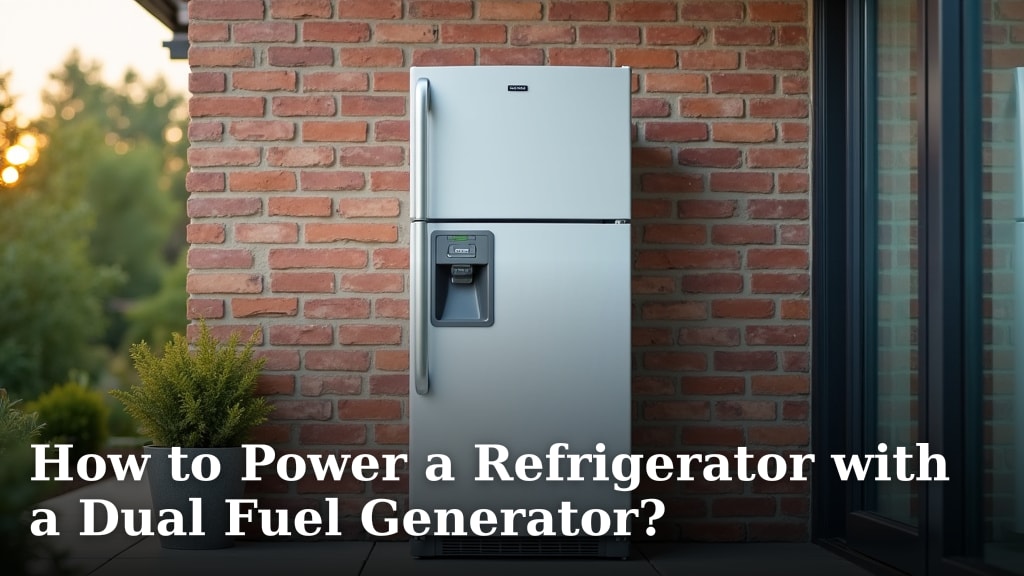
Yes, you absolutely can power a refrigerator with a dual fuel generator, and it’s a smart way to keep your food cold during an outage. Dual fuel generators offer the flexibility of using either gasoline or propane. This makes them a reliable backup power source for essential appliances like your fridge.
Keeping your refrigerator running means preventing food spoilage and avoiding those stressful grocery store runs after a power loss. A dual fuel generator is a great choice because you can store propane for longer periods than gasoline. Many people find this dual fuel flexibility provides great peace of mind.
- Dual fuel generators run on gasoline or propane.
- They can reliably power your refrigerator.
- Propane offers longer storage life than gasoline.
- This keeps your food safe and prevents spoilage.
Let’s walk through exactly how to set up your dual fuel generator to keep your refrigerator cool and your food fresh.
Keeping Your Fridge Cool with a Dual Fuel Generator
You’re wondering if your dual fuel generator can handle the job of keeping your refrigerator running. The answer is a resounding yes! A dual fuel generator is an excellent choice for this purpose. It gives you the flexibility to use either gasoline or propane, which is a huge plus during extended power outages. We’ll show you exactly how to get your generator hooked up safely and effectively.
Understanding Generator Power Needs for Your Refrigerator
Before you plug anything in, it’s important to understand what your refrigerator needs. Refrigerators have two power demands: starting wattage and running wattage. The starting wattage is the surge of power needed when the compressor kicks on. This is typically much higher than the running wattage.
Identifying Your Refrigerator’s Wattage Requirements
You need to find out how much power your specific refrigerator model requires. This information is usually found on a sticker inside the refrigerator door or on the back of the unit. It will list the voltage, amperage, and sometimes even the wattage directly.
- Check the appliance tag: Look for the manufacturer’s label.
- Starting watts: This is the peak power needed to start the motor.
- Running watts: This is the continuous power needed to keep it running.
If you can’t find the wattage, you can often estimate it. Multiply the voltage (usually 120V for refrigerators) by the amperage. For example, a fridge using 5 amps at 120 volts needs 600 watts to run. However, you must account for that starting surge, which can be 2-3 times higher. You must account for the starting surge when choosing a generator to power your refrigerator.
The Role of Starting vs. Running Watts
This distinction is critical for generator selection. A common mistake is only considering the running wattage. If your generator can’t handle the starting surge, the compressor might not kick on, or it could trip the generator’s overload protection.
We found that most standard refrigerators require between 700 and 1,200 starting watts. Running watts are usually between 100 and 200 watts. Always aim for a generator that can comfortably exceed both of these numbers for your specific appliance. It’s better to have a little extra power than not enough!
Choosing the Right Dual Fuel Generator Size
Now that you know your fridge’s needs, let’s talk about generator size. You don’t want a generator that’s too small, but you also don’t need one that’s excessively large. The goal is efficiency and proper operation.
Calculating Your Generator’s Capacity
You’ll need a generator with a higher running wattage than your refrigerator’s running wattage. More importantly, its surge or starting wattage capacity must be significantly higher than your refrigerator’s starting wattage. For example, if your fridge needs 1,000 starting watts and 200 running watts, you’ll want a generator with at least 1,200-1,500 running watts and ideally 2,000-2,500 starting watts.
Considering Other Appliances and Fuel Types
Think about other essential items you might want to power. Will it just be the fridge, or perhaps a few lights, a fan, or a phone charger? Adding more appliances means you’ll need a larger generator. Dual fuel generators offer a choice between gasoline and propane.
Propane is often preferred for backup power because it stores for a very long time without degrading. Gasoline, on the other hand, can go bad if not stabilized and used within a few months. Many people find having both options provides peace of mind and operational flexibility. For your refrigerator, either fuel will work once the generator is running.
Setting Up Your Dual Fuel Generator for Refrigerator Use
Getting your generator ready is straightforward. Safety is always the top priority, so let’s run through the steps carefully.
Safe Placement and Ventilation
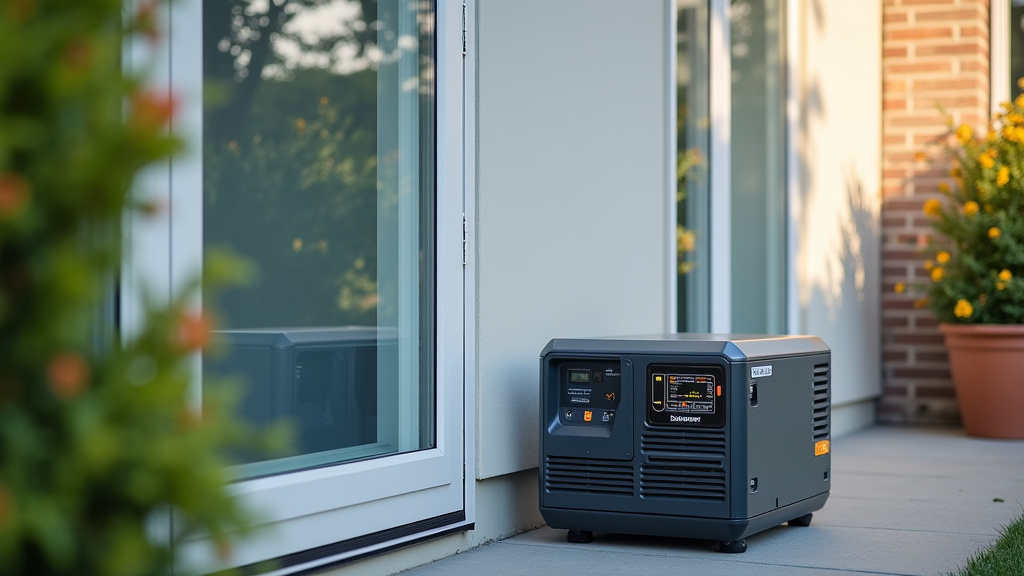
Generators produce carbon monoxide, a colorless, odorless, and deadly gas. You must operate your generator outdoors, far away from windows, doors, and vents. Think at least 20 feet away to be safe. Never run a generator in a garage, basement, or enclosed space.
Good ventilation is key. Ensure there’s plenty of airflow around the generator. This helps prevent overheating and ensures the exhaust fumes dissipate safely. We found that placing it on a level, non-combustible surface is also a good practice.
Connecting the Fuel Source: Gasoline vs. Propane
Your dual fuel generator will have separate fuel inlets. Follow the manufacturer’s instructions carefully for switching between fuels.
- Gasoline: If using gasoline, ensure it’s fresh and stabilized. Fill the tank while the generator is off and cool.
- Propane: Connect a standard propane tank (like those used for grills) using the regulator and hose provided with your generator. Ensure all connections are tight and leak-free. A soap and water test can help you check for leaks before starting.
Wiring Your Refrigerator: Direct Connection vs. Extension Cord
You have a couple of options for connecting your refrigerator. The best method depends on your generator’s outlets and your home’s setup.
Using a Generator Extension Cord
This is the most common method for temporary power. Use a heavy-duty, outdoor-rated extension cord designed for generators. It should be the appropriate gauge (thickness) for the wattage you’re drawing and the length of the cord. A thicker cord (lower gauge number) is better for longer runs and higher loads.
Plug the refrigerator directly into the generator’s outlet. Make sure the generator is running and producing stable power before you plug in the refrigerator. Once the fridge is running, you can then shut down the generator if needed, but always allow the fridge to stabilize before restarting the generator.
Employing a Transfer Switch (Advanced Setup)
For a more permanent or integrated solution, a manual transfer switch is the way to go. This is a professional installation that connects your generator directly to your home’s electrical panel. It safely isolates your generator from the utility grid, preventing dangerous back-feeding.
With a transfer switch, you can power selected circuits in your home, including your refrigerator, without using extension cords. You simply flip a switch to disconnect from the grid and connect to your generator during an outage. This requires a qualified electrician to install. It’s a safer and more convenient option for frequent power users.
Operating Your Generator and Refrigerator Effectively
Once everything is connected, you need to manage the generator and refrigerator correctly. Proper operation will ensure your food stays cold and your generator runs efficiently.
Starting the Generator and Plugging In the Fridge
Always start the generator first and let it run for a few minutes to stabilize. This allows the voltage and frequency to reach their optimal levels. Then, plug in your refrigerator.
When you plug in your refrigerator, listen for the compressor to kick on. If it doesn’t, or if the generator’s overload light comes on, you may need to unplug the fridge, check your generator’s wattage capacity, or try a different fuel source (if applicable). Sometimes, a brief pause before restarting the fridge can help.
Monitoring Generator Load and Fuel Consumption
Keep an eye on the generator’s load indicator. Most generators have a meter showing how much power you’re using. Try to keep the load within a safe range, typically 50-75% of the generator’s running capacity, to ensure longevity. Avoid running it at maximum capacity for extended periods.
Monitor your fuel levels. If you’re using gasoline, check it regularly, especially before extended outages. If using propane, you’ll know it’s running low when the generator’s power output decreases, or the engine may sputter. It’s wise to have extra fuel on hand.
Shutting Down the Generator Safely
When the power is restored, it’s time to shut down your generator. First, unplug the refrigerator from the generator. Then, turn off the generator’s engine according to the manufacturer’s instructions. Let it cool down completely before storing it.
We found that allowing the refrigerator to run for a few minutes after plugging it in, and before shutting down the generator, can help it maintain a cooler temperature for a bit longer. It’s a small step that can make a difference.
Troubleshooting Common Issues
Even with careful setup, you might run into a few snags. Here are some common problems and how to address them.
Refrigerator Not Starting or Compressor Not Engaging
This is usually a wattage issue. Your generator might not be providing enough starting watts. Double-check your refrigerator’s surge wattage requirement and compare it to your generator’s surge capacity. Make sure you’re using the correct heavy-duty extension cord.
Also, ensure the generator is producing stable power. Let it run for a full 5 minutes before plugging anything in. If you’re using propane, verify the tank valve is fully open and the regulator is functioning correctly. Sometimes, simply waiting a minute and trying to plug the fridge back in can resolve a temporary glitch.
Generator Overloading or Shutting Down
If your generator shuts off unexpectedly or its overload light illuminates, it’s trying to tell you it’s working too hard. You’ve likely exceeded its maximum wattage capacity. Unplug other appliances and the refrigerator. Restart the generator and plug in only the refrigerator. If it still overloads, your generator may be too small for your fridge.
Power Fluctuations or Unstable Output
Fluctuations can sometimes indicate a fuel issue or a problem with the generator’s voltage regulator. If using gasoline, ensure it’s fresh and the fuel line isn’t clogged. If using propane, ensure the tank isn’t nearly empty, as this can cause inconsistent fuel flow. Regular maintenance, as outlined in your generator’s manual, is key to preventing these issues.
Your Refrigerator Power Checklist
Here’s a quick checklist to ensure you’re ready:
- Confirm your refrigerator’s starting and running wattage.
- Ensure your dual fuel generator meets or exceeds these requirements.
- Operate the generator outdoors with plenty of ventilation.
- Use a heavy-duty, outdoor-rated extension cord if not using a transfer switch.
- Start the generator first, let it stabilize, then plug in the refrigerator.
- Monitor fuel levels and generator load regularly.
By following these steps, you can confidently use your dual fuel generator to keep your refrigerator humming and your food safely chilled during any power interruption. It’s a smart way to prepare and gain peace of mind.
Conclusion
You’ve learned that powering your refrigerator with a dual fuel generator is completely achievable and a smart preparation step. By understanding your fridge’s specific wattage needs and selecting the right generator size, you ensure reliable performance. Always prioritize safe operation, proper fuel connection, and correct wiring methods. With this knowledge, you can confidently keep your essential appliances running and your food fresh, giving you much-needed peace of mind during any power outage. Your next step is to confirm your refrigerator’s wattage and compare it against suitable generator models.
Frequently Asked Questions
How much propane does a dual fuel generator use to run a refrigerator?
The amount of propane used depends on the size of your generator and the refrigerator’s continuous power draw. Generally, a standard refrigerator won’t consume excessive fuel, but it’s wise to have at least one spare 20-pound propane tank on hand for extended outages.
Can I leave my refrigerator plugged into the generator overnight?
Yes, you can leave your refrigerator plugged in as long as the generator is operating safely and has sufficient fuel. Just ensure you monitor the fuel levels and the generator’s load to prevent any issues.
What happens if my generator doesn’t have enough starting watts for my fridge?
If your generator lacks sufficient starting watts, the refrigerator’s compressor won’t engage, or the generator’s overload protection will trip, causing it to shut down. You’ll need a generator with a higher surge capacity to start the appliance.
Is it better to use gasoline or propane in my dual fuel generator for the refrigerator?
For long-term storage and reliability, propane is often preferred as it doesn’t degrade like gasoline. However, both fuels will power your refrigerator effectively once the generator is running smoothly.
Can I run other small appliances along with my refrigerator on a dual fuel generator?
You can run other small appliances, but you must ensure the generator’s total running and starting wattage capacity exceeds the combined needs of all appliances. Check your generator’s wattage rating and your refrigerator’s requirements before adding other devices.
