6 Best Gas Powered Portable Generators (November 2026)
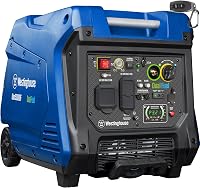
The best gas powered portable generators include the Westinghouse 12500 Watt Dual Fuel Home Backup for whole-home backup, the Westinghouse 4650 Peak Watt Portable Generator for RV and outage basics, and the Oxseryn Power Equipment 4400 Watts Inverter Generator for lighter inverter portability.
On this page (5 sections)
The best gas powered generator for large home backup is the Westinghouse 12500 Watt Dual Fuel Home Backup. For RV travel and camping, the smaller inverter generators here are easier to move, while the Westinghouse 4650 Peak Watt Portable Generator offers a strong balance of output and stated runtime.
A portable gasoline generator should be sized by running watts first. Peak watts help cover short startup demand, but the generator must support the continuous load of your refrigerator, lights, chargers, fans or other equipment.
If you are comparing fuel choices, start with What Is a Dual Fuel Generator and How Does It Work?. For another fuel option, see our guide to best portable diesel generators.
Our picks at a glance
-
1
 Best for whole-home backup
Westinghouse 12500 Watt Dual Fuel Home Backup
9.7/10 our score
See it on Amazon -
2
 Best for RV and outage basics
Westinghouse 4650 Peak Watt Portable Generator
9.6/10 our score
See it on Amazon -
3
 Best for lighter inverter portability
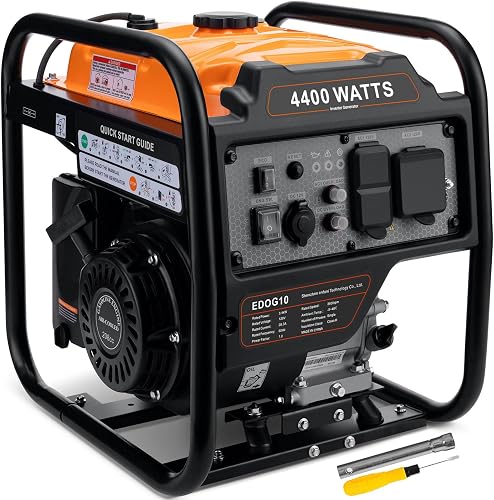
Oxseryn Power Equipment 4400 Watts Inverter Generator
9.5/10 our score
See it on Amazon
- 4
 Check it
Evernexta 4000W Gas-Powered Inverter Generator
Best for compact camping power - 5
 Check it
Oxseryn 4400-Watts Inverter Generator
Best for long light-load runtime - 6
 Check it
Genkins 4500W Inverter Generator for Home
Best for clean power on a 30A circuit
Which gas powered generator is best for each use?
The best gas powered portable generator depends on the load, outlet type and transport needs. The highest-output model is aimed at residential backup, while the inverter models focus on RVs, camping and smaller essential loads.
Our score weighs specs, features and buyer feedback against what you're shopping for. We compared the listed output, fuel setup, runtime claims, outlet choices, inverter design and portability.
| Product | Best for | Output | Fuel | Runtime | Our score |
|---|---|---|---|---|---|
| Westinghouse 12500 Watt Dual Fuel Home Backup | whole-home backup | 9500 running watts, 12500 peak watts on gasoline | Gasoline or propane | Up to 12 hours on a 6.6-gallon gas tank | 9.7 |
| Westinghouse 4650 Peak Watt Portable Generator | RV and outage basics | 3600 running watts, 4650 peak watts | Gasoline | Up to 14 hours per tank | 9.6 |
| Oxseryn Power Equipment 4400 Watts Inverter Generator | lighter inverter portability | 3400 running watts, 4400 peak watts | Gasoline | 9.5 | |
| Evernexta 4000W Gas-Powered Inverter Generator | compact camping power | 3400 running watts, 4000 starting watts | Gasoline | Up to 9 hours | 9.3 |
| Oxseryn 4400-Watts Inverter Generator | long light-load runtime | 3400 running watts, 4400 peak watts | Gasoline | Up to 14 hours at 25% load | 9.2 |
| Genkins 4500W Inverter Generator for Home | clean power on a 30A circuit | 3700 rated watts, 4500 peak watts | Gasoline | Up to 8 hours at half load | 8.6 |
Westinghouse 12500 Watt Dual Fuel Home Backup: Best for whole-home backup
- 9500 running watts and 12500 peak watts on gasoline
- 8500 running watts and 11200 peak watts on propane
- Remote electric start with included key fob
- Up to 12 hours on a 6.6-gallon gasoline tank
This is the strongest choice for residential backup when you need high output, transfer-switch-ready connections and two fuel options.
Pros
- Highest output here
- Remote, electric and recoil start
- 50A RV-ready outlet
Cons
- Large open-frame design
- More generator than most camping setups need
The Westinghouse 12500 Watt Dual Fuel Home Backup is the clear high-output choice in this group. It produces 9500 running watts and 12500 peak watts on gasoline, or 8500 running watts and 11200 peak watts on propane.
Its transfer-switch-ready 120V L14-30R outlet and RV-ready 120/240V 14-50R outlet give you more connection options than the smaller gasoline generators here. Two household 120V receptacles add standard plug-in access.
Remote electric start, an included key fob, electric start and recoil start give you several ways to start the unit. The 6.6-gallon tank has a fuel gauge and can run for up to 12 hours on gasoline.
This is a large open-frame generator with a 457cc 4-stroke OHV engine. Automatic low-oil shutdown, a digital hour meter and a display for voltage, frequency and lifetime hours help with routine operation.
Choose it when you need substantial residential output or want gasoline and propane flexibility. For a smaller RV setup, its capacity and size may be more than you need.
Westinghouse 4650 Peak Watt Portable Generator: Best for RV and outage basics
- 3600 running watts and 4650 peak watts
- Up to 14 hours on a 4-gallon gasoline tank
- RV-ready TT-30R 30A outlet
- CO and automatic low-oil shutdown
The Westinghouse 4650 Peak Watt Portable Generator balances useful output with a 30A RV connection and long stated runtime.
Pros
- Long stated runtime
- RV-ready 30A outlet
- CO sensor
Cons
- Recoil start
- Gasoline only
The Westinghouse 4650 Peak Watt Portable Generator fits buyers who need a practical gasoline generator for RV equipment, outages and basic household loads. It provides 3600 running watts and 4650 peak watts from a 212cc 4-stroke OHV engine.
Its RV-ready TT-30R 30A receptacle is useful for travel-trailer connections. Two household duplex receptacles and an L5-30R 30A receptacle cover common plug-in needs.
The 4-gallon tank gives up to 14 hours of runtime per tank, which is the longest general runtime claim among the larger open-frame gasoline picks here. A fuel gauge helps you check the tank before starting.
This model uses recoil start rather than electric or remote start. It weighs 100.6 lb and measures 23.3 x 17.5 x 18.7 in, so plan the storage and lifting points before choosing it for frequent transport.
The built-in CO sensor and automatic low-oil shutdown add important operating protections. Choose it when long runtime and an RV-ready outlet matter more than inverter design or low weight.
Oxseryn Power Equipment 4400 Watts Inverter Generator: Best for lighter inverter portability
- 4400 peak watts and 3400 running watts
- Up to 14 hours at 25% load with ECO mode
- 56 lb weight
- 2-gallon tank and RV port
This Oxseryn combines inverter power, a 56 lb design and a 2-gallon tank for camping, RV use and essential home backup.
Pros
- Lightest listed weight range
- ECO mode
- RV port and 12V DC port
Cons
- Lower running output than the large Westinghouse
- Gasoline only
The Oxseryn Power Equipment 4400 Watts Inverter Generator is a strong fit for buyers who want a lighter portable gasoline generator with inverter technology. It produces 4400 peak watts and 3400 running watts and weighs 56 lb.
A 2-gallon fuel tank, fuel gauge and ECO mode support lighter-load operation. Oxseryn states up to 14 hours at 25% load, so treat that as a light-load figure rather than a full-output expectation.
The outlet layout includes two 120V AC ports, one 12V DC port and one RV port. That combination suits camping, RV equipment and essential backup loads that stay within the 3400 running-watt limit.
The open-frame design measures 19 x 15.6 x 19.1 in. Low-oil shutdown, overload protection and cold-start technology are included among its listed features.
Choose this model when moving a 56 lb generator matters and your power needs fit its running-watt rating. The 2-gallon tank is smaller than the Westinghouse 4650's 4-gallon tank, even though the stated light-load runtime is similar.
Evernexta 4000W Gas-Powered Inverter Generator: Best for compact camping power
- 4000 starting watts and 3400 running watts
- Under 3% THD
- Up to 9 hours of runtime
- 55 lb open-frame design
The Evernexta gives campers a compact 55 lb inverter generator with a 30A outlet and power for common essentials within its 3400 running-watt limit.
Pros
- 55 lb weight
- Under 3% THD
- 30A outlet
Cons
- Shorter stated runtime than several picks
- Recoil pull-start
The Evernexta 4000W Gas-Powered Inverter Generator is a compact option for camping, RV trips and smaller home outages. Its 208cc engine produces 4000 starting watts and 3400 running watts, with under 3% THD.
The generator includes one 30A outlet, two 120V AC outlets and one 12V DC port. That layout supports a refrigerator, lights, fans, chargers or small appliances when the total demand stays within 3400 running watts.
Its 2-gallon tank provides up to 6.5 hours at 50% load, while the product information also states up to 9 hours of runtime. ECO mode lowers engine speed under light loads to help reduce fuel use.
At 55 lb, it is one of the easier models here to move between storage, campsites and outdoor work areas. The open-frame design measures 15.56 x 19.11 x 18.32 in.
Overload protection, an AC breaker and low-oil shutdown cover basic operating safeguards. Choose it when compact transport and inverter power matter more than the longer stated runtime of the Westinghouse or Oxseryn models.
Oxseryn 4400-Watts Inverter Generator: Best for long light-load runtime
- 4400 peak watts and 3400 running watts
- Up to 14 hours at 25% load
- 56 lb weight
- 30A RV port and ECO mode
This Oxseryn is a close match for buyers who want inverter output, RV connectivity and a long stated runtime at a light load.
Pros
- 14-hour light-load runtime
- 56 lb weight
- 30A RV port
Cons
- Gasoline only
- Runtime depends on 25% load
The Oxseryn 4400-Watts Inverter Generator is aimed at buyers who want a 56 lb gasoline generator with a 30A RV outlet and a long light-load runtime claim. It produces 4400 peak watts and 3400 running watts.
Its 2-gallon tank and ECO mode support up to 14 hours at 25% load. That figure is tied to light use, so compare your expected load with the 3400 running-watt rating before relying on the runtime.
The outlet set includes two 120V AC ports, one 30A RV port and one 12V DC port. Inverter technology, overload protection, low-oil shutdown and cold-start technology are listed features.
This open-frame model measures 19.4 x 15.2 x 19.2 in and weighs 57 lb. Oxseryn includes the 4400-watt generator, accessories and a user manual.
Choose it when your main priorities are RV connectivity, inverter output and easy movement. The Oxseryn Power Equipment 4400 Watts Inverter Generator is a close alternative, so compare the listed dimensions and included items before deciding.
Genkins 4500W Inverter Generator for Home: Best for clean power on a 30A circuit
- 4500 peak watts and 3700 rated watts
- Pure-sine-wave output with THD below 3%
- Up to 8 hours at half load
- 56 lb open-frame design
The Genkins offers the highest rated output among the smaller inverter picks, plus clean power and a 30A outlet for home, RV and camping use.
Pros
- 3700 rated watts
- THD below 3%
- 56 lb weight
Cons
- Shortest stated runtime here
- Manual choke and pull-start operation
The Genkins 4500W Inverter Generator for Home is the best fit here when you want the highest rated output among the smaller inverter models. It produces 3700 rated watts and 4500 peak watts with pure-sine-wave output and THD below 3%.
One 120V NEMA L5-30R outlet and one 120V NEMA 5-20R household outlet support common home, RV and camping connections. Its 30A current support gives the larger outlet a clear role for compatible equipment.
Genkins states up to 8 hours of runtime at half load from its 2.11-gallon fuel tank. The 212cc 4-stroke OHV engine uses pull-start operation and a manual choke.
The open-frame generator weighs 56 lb and measures 17 x 15 x 18 in. Low-oil automatic shutdown and overload protection help protect operation, while the stated noise level is 70 dB at 7 meters.
Choose it when 3700 rated watts and clean inverter power are more important than maximum runtime. For a longer light-load runtime, compare the Oxseryn 4400-Watts model.
How many watts do you need from a portable gasoline generator?
A 3400-running-watt generator can cover many essential loads, but a larger home setup may need far more. Add the running watts for the equipment you plan to use together, then account for startup demand from motor-driven appliances.
Start by listing what must run at the same time. A refrigerator may cycle on and off, lights add a steady draw, and chargers or fans add smaller amounts that still count toward the total.
Write the running watts beside each item. Add them together to get a realistic continuous load rather than guessing from a single appliance nameplate.
Then consider startup demand separately. Motor-driven equipment can draw more for a short moment when it starts, and that short moment is where peak watts become relevant.
A generator that matches the running total with no margin leaves little room for that brief surge. Leave headroom so normal cycling does not push the unit into overload.
For example, the Evernexta, both Oxseryn models and the Westinghouse 4650 all sit around the 3400 to 3600 running-watt range. The Genkins raises that to 3700 rated watts, while the Westinghouse 12500 Watt Dual Fuel Home Backup reaches 9500 running watts on gasoline.
That spread shows why the word portable can mean very different things. One group is aimed at essentials, RV loads and camping gear.
The larger Westinghouse is aimed at broader residential backup.
Think about your normal outage list, not your ideal list. If you only need food kept cold, lights and device charging, a smaller running rating may fit well.
If you want an air conditioner, a sump pump and several kitchen loads in the same window, a smaller rating may be stretched too thin. Higher output gives you choices about what to run together.
Outlet type matters as much as watts. A 30A RV outlet, a 50A outlet and standard household receptacles serve different equipment and different cables.
Do not connect a generator to household wiring through a standard wall outlet. Use the correct connection method and have transfer-switch work handled by a qualified electrician when required.
That safety step is not paperwork. The right connection protects the generator, the equipment and the people using it.
If you are unsure which loads to prioritize, start with refrigeration, lighting and communications. Those three cover food safety, basic comfort and staying in touch during an outage.
After those essentials are covered, add one load at a time and watch how the generator responds. A calm margin in daily use is better than a rating that only works on paper.
Is an inverter generator better for camping and RV use?
An inverter generator is often the better match for camping and RV use when you want clean power, manageable size and an RV-ready outlet. The Evernexta, Oxseryn and Genkins picks all combine portable designs with inverter features.
Clean power is the usual reason buyers look at inverter models first. Laptops, chargers, phones and other digital devices work best with stable output, and inverter designs are built with that use in mind.
The Evernexta and Genkins list total harmonic distortion below 3%. That figure gives you a concrete way to compare power quality among the smaller picks.
Manageable size is the second reason. Campsite power often has to move from a vehicle to a tent, from storage to a picnic area, or between sites during a trip.
A lighter unit makes those moves easier and less tiring. It also fits more easily in a truck bed, storage compartment or garage corner.
The Westinghouse 4650 also has a 30A RV-ready outlet, but it weighs 100.6 lb. The 56 lb Oxseryn and Genkins units are easier to move, while the 55 lb Evernexta is the lightest of those three.
That weight difference shows up in daily use. You lift the generator into the vehicle, out at the site, back into storage, and again for the next trip.
For occasional home backup, a heavier unit may be acceptable. For frequent camping travel, a few extra pounds can shape the whole routine.
Check the outlet type before buying. A 30A RV outlet is not the same as a household receptacle, and your cable must match the generator and equipment.
A travel trailer may need a TT-30R or similar RV connection. A tent setup may only need household receptacles and a 12V DC port for charging.
Confirm which plug your equipment uses before you order cords. The wrong outlet can turn a strong generator into an awkward fit at the campsite.
ECO mode is another daily-use feature to weigh. Lower engine speed under light loads can help with fuel use and sound, though runtime still depends on the load you apply.
Runtime claims also need context. A figure stated at 25% load will not match a setup running a refrigerator and lights all evening.
For another focused comparison, see best fuel injected generator. If runtime is your main concern, review Best Portable Dual Fuel Generator For Long Runtime.
Inverter models are not automatically right for everyone. If you need high output for large home loads, a larger open-frame model may suit you better.
For camping and RV use, though, the mix of clean power, RV outlets and lighter weight makes inverter picks easier to live with. That is the practical case for choosing one.
How should you set up and care for a gas generator?
Set the generator outdoors in a well-ventilated location, keep exhaust away from doors and windows, and follow the manual for fuel, oil and start-up steps. Never run a fuel-powered generator inside a home, garage or enclosed RV space.
That placement rule comes first for a reason. Outdoor use with clear airflow around the exhaust is a basic safety requirement, not a suggestion for better performance.
Pick a flat, dry spot with room around the unit. Keep the area clear of dry leaves, paper, fabric and other items that could be affected by heat or exhaust.
Before use, confirm the load, inspect the fuel level and place the unit where its outlets remain accessible. Models here include features such as fuel gauges, low-oil shutdown, overload protection or CO shutdown, but those features don't replace safe placement.
A fuel gauge helps you avoid a surprise stop in the middle of use. A quick check before starting is faster than refueling under pressure later.
Low-oil shutdown protects the engine if oil runs low. It does not remove the need to check oil before the first start and during regular use.
Overload protection can stop output if demand goes too high. Treat a trip as a sign to reduce the load, not as a prompt to add more equipment.
Use the correct outlet and avoid exceeding the running-watt rating. Let the generator cool before refueling, and follow the manual's storage guidance when the unit will sit unused.
Cooling matters because fuel and hot engine parts are a poor mix. A short wait also gives you a chance to check cords, plugs and the surrounding area.
Keep cords routed so they are not a trip hazard. Outdoor cords can be damaged by doors, wheels and foot traffic if they are left in walkways.
An hour meter can help track service intervals on the Westinghouse 12500 Watt model. For all models, keep the operating area clear and check the included manual before the first start.
For storage, follow the manual on fuel, oil and battery care. A generator that sits for months needs different preparation from one that runs every week.
Store it dry, upright where required, and away from living spaces. Fuel odors and the need for periodic checks are part of owning a portable gasoline unit.
Clean the exterior and keep vents clear of dust and debris. Open-frame designs rely on airflow for cooling, so blocked vents can make routine runs harder on the engine.
Listen for changes in sound, exhaust color or starting behavior. Small changes are easier to address early than problems that appear during an outage.
Care is mostly a short routine repeated often. Place it safely, check fuel and oil, respect the load limit, and let it cool before refueling.
Which is the best gas powered generator for you?
Pick the Westinghouse 12500 Watt Dual Fuel Home Backup when you need the highest output, remote start and gasoline or propane flexibility for residential backup.
Choose the Westinghouse 4650 Peak Watt Portable Generator for a gasoline-only unit with a 30A RV outlet and up to 14 hours per tank. Pick the Oxseryn Power Equipment 4400 Watts Inverter Generator or Oxseryn 4400-Watts Inverter Generator when a 56 lb inverter generator fits your camping, RV or essential-load needs.
The Evernexta 4000W Gas-Powered Inverter Generator is a compact 55 lb choice, while the Genkins 4500W Inverter Generator for Home offers the highest rated output among the smaller inverter picks. For fuel planning and dual-fuel use, read What Is a Dual Fuel Generator Used For? and Which Is Better Propane or Gasoline for a Dual Fuel Generator?.
Our top 3 picks at a glance
-
1
Best for whole-home backup
Westinghouse 12500 Watt Dual Fuel Home Backup
9.7/10 our score
See it on Amazon -
2
Best for RV and outage basics
Westinghouse 4650 Peak Watt Portable Generator
9.6/10 our score
See it on Amazon -
3
Best for lighter inverter portability
Oxseryn Power Equipment 4400 Watts Inverter Generator
9.5/10 our score
See it on Amazon
Frequently asked questions
What is the best gas powered generator for home backup?
The Westinghouse 12500 Watt Dual Fuel Home Backup is the strongest home-backup choice here because it produces 9500 running watts on gasoline, has transfer-switch-ready connections and can also use propane. Its 50A outlet, remote electric start and 6.6-gallon tank suit larger residential loads.
Choose a smaller generator when you only need essential circuits, RV equipment or camping appliances.
How many watts should a portable gasoline generator have?
Choose running watts by adding the continuous demand of the devices you need at the same time. Then leave room for startup demand from motors such as refrigerators or pumps.
The picks here range from 3400 to 9500 running watts.
A 3400-watt inverter generator can suit essential loads, while the Westinghouse 9500 running-watt model is aimed at larger residential backup.
Are inverter generators better for sensitive electronics?
Inverter generators are designed to produce stable power, and the Evernexta and Genkins models here specify less than 3% THD. That makes them a practical match for laptops, chargers and digital devices when their output is enough for the total load.
Always keep the combined demand within the generator's running-watt rating.
How long does a gas generator run?
Runtime depends on tank size, load and operating mode. The Westinghouse 4650 Peak Watt Portable Generator states up to 14 hours per tank, while the Evernexta states up to 9 hours and the Genkins up to 8 hours at half load.
The Oxseryn models state up to 14 hours at 25% load, so heavier use will change the result.