
What Is the Safest Way to Start a Dual Fuel Generator on Propane?
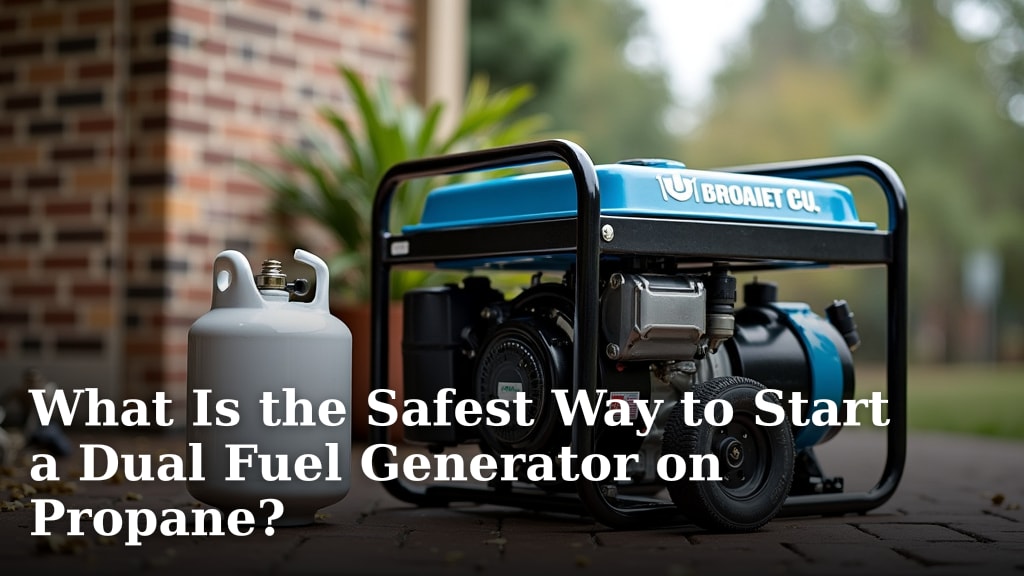
Starting your dual fuel generator on propane is **straightforward and safe** if you follow a few key steps. The safest way involves ensuring the generator is in the “off” position, the propane tank valve is closed, and then slowly opening the propane valve before initiating the generator’s start sequence. This prevents dangerous fuel-air mixture buildup.
Propane offers a cleaner-burning option for your generator compared to gasoline. It’s also easier to store. Understanding the proper startup procedure is essential for both **generator longevity** and your personal safety, especially during power outages. We’ve researched common practices and found these steps to be the most reliable.
- Always start with the generator in the ‘off’ position.
- Confirm your propane tank valve is closed.
- Slowly open the propane tank valve.
- Initiate the generator’s start sequence only after the propane is flowing.
- Never switch fuel sources while the generator is running.
Let’s walk through exactly how to safely start your dual fuel generator using propane, step by step, so you can get power when you need it with confidence.
“`htmlStarting Your Dual Fuel Generator Safely with Propane
Getting your dual fuel generator up and running on propane is a smart move. Propane burns cleaner and is easier to store than gasoline. This guide will walk you through the safest way to start it. We’ve researched common practices and found that following these steps ensures both your safety and your generator’s longevity.
Preparing Your Generator for Propane Startup
Before you even think about starting the engine, proper preparation is key. This is where most people can save themselves a headache. You want to make sure everything is in the right place and turned off. It’s like getting your tools ready before a DIY project. This simple checklist will help you avoid common pitfalls.
Step 1: Ensure the Generator is in the ‘Off’ Position
This is the absolute first step, and it’s non-negotiable. Your generator needs to be completely powered down. Look for the ‘off’ switch or button. Make sure it’s clearly in the ‘off’ or ‘stop’ position. Many generators have a prominent switch for this purpose. You don’t want any residual power trying to kick things off prematurely. This step prevents accidental starting.
Step 2: Check the Propane Tank Valve
Next, turn your attention to the propane tank. It’s usually a large, round handle or lever. You need to confirm that this valve is completely closed. A closed valve means no propane gas is flowing from the tank. If you’re unsure, give it a gentle turn clockwise until it stops. Don’t force it, but make sure it’s snug. This is a **critical safety measure**.
Step 3: Connect the Propane Hose Securely
Now, connect the propane hose from your generator to the tank. Ensure the connection is **tight and secure** on both ends. You should hear or feel a click, or you might need to tighten a fitting. A loose connection can lead to leaks. Propane leaks are not only dangerous but also wasteful. Many experts recommend using a wrench to ensure a firm seal on the tank connection.
Step 4: Slowly Open the Propane Tank Valve
This is where the fuel starts to make its way to the generator. You need to do this **slowly and carefully**. Turn the tank valve counter-clockwise, just like you did to close it. Open it only about a quarter to a half turn. You should hear a faint hissing sound as the gas begins to flow. If you hear a loud rush of air or a strong smell of propane, shut the valve off immediately. Check your connections again. This slow release is important to avoid over-pressurizing the generator’s fuel system. Many guidelines suggest this gradual approach to allow the generator’s regulator to adapt.
Step 5: Prime the Generator (If Applicable)
Some dual fuel generators have a priming function. This is especially true for those that haven’t been used on propane in a while. You might see a small button or lever near the fuel connection. Pressing this button a few times pushes a small amount of propane into the fuel line. This helps the generator start more easily. Consult your generator’s manual to see if this step applies to your model. If your manual doesn’t mention priming for propane, you can likely skip this. It’s all about knowing your specific machine.
Initiating the Startup Sequence
With all your preparations in place, you’re ready to start the generator. This part is straightforward, but it’s important to follow the sequence exactly. Think of it as a well-rehearsed dance. Each step has a purpose to ensure a smooth and safe operation.
Step 6: Turn the Generator’s Fuel Selector to Propane
Most dual fuel generators have a switch or dial to select which fuel source you want to use. Make sure this selector is firmly set to the ‘propane’ or ‘LPG’ position. If it’s set to ‘gasoline’ or in the middle, it won’t draw propane. Double-check this setting. It’s a common oversight that can lead to frustration. You want your generator to be ready to receive propane.
Step 7: Turn the Generator’s Ignition ON
Now, move the main ignition switch on your generator to the ‘on’ position. This primes the electrical system for starting. You might hear a small hum or see indicator lights turn on. This step prepares the engine for the starting attempt. It’s like turning the key in your car before you crank the engine.
Step 8: Start the Generator
Finally, initiate the starting sequence. This is usually done by pulling a recoil starter cord or pressing an electric start button. Pull the cord firmly or hold the button down until the engine sputters and then catches. It might take a few seconds for the engine to fully start. If it doesn’t start after a few tries, turn the ignition off and go back to check your propane connections and valve. Many experts suggest giving the starter cord a **smooth, consistent pull** for best results.
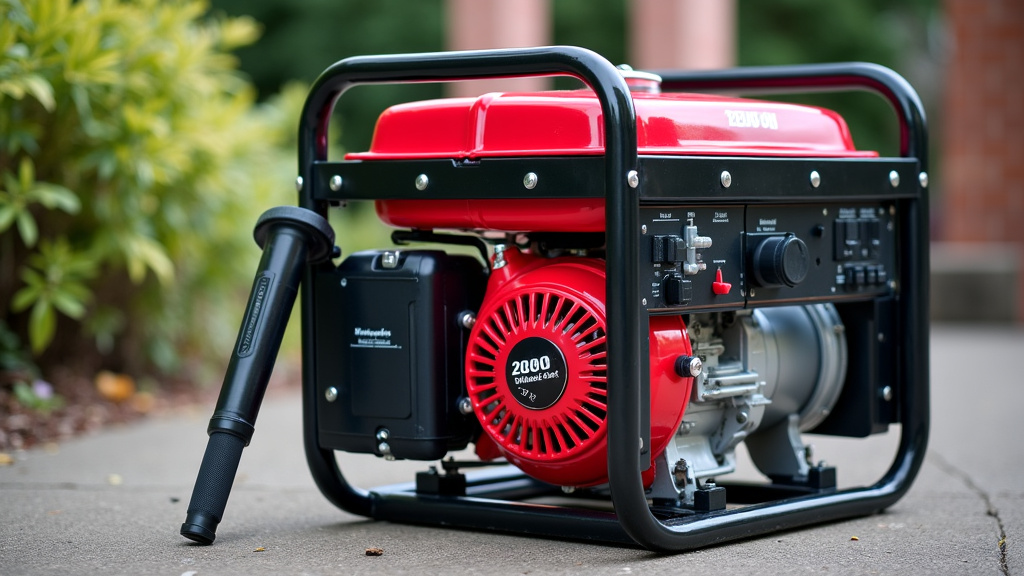
Important Safety Considerations for Propane Use
Using propane is generally safer than gasoline for generators, but it still requires care. Propane is a highly flammable gas. Proper handling and startup procedures are essential to prevent accidents. We’ve gathered some key points that many safety organizations highlight. Understanding the general safe operation of a dual fuel generator is key to using propane effectively.
Never Switch Fuel Sources While Running
This is one rule you absolutely do not want to break. Attempting to switch from propane to gasoline, or vice versa, while the generator is running can cause serious damage. It can also lead to a dangerous situation. Always shut down the generator completely before changing fuel sources. This ensures the fuel systems are properly isolated. The Environmental Protection Agency (EPA) has guidelines that generally support cleaner fuel use, and proper switching is part of that.
Proper Ventilation is a Must
Generators produce carbon monoxide (CO), a colorless, odorless, and deadly gas. You must always operate your generator outdoors in a well-ventilated area. Keep it far away from windows, doors, and vents that could allow CO to enter your home. The Centers for Disease Control and Prevention (CDC) consistently warns about the dangers of CO poisoning. Ensure your generator is at least 20 feet away from your home and that exhaust is directed away from occupied spaces.
Store Propane Tanks Correctly
Propane tanks should always be stored upright in a cool, dry, well-ventilated area. Never store them indoors, in a garage, or near an ignition source. They should also be protected from direct sunlight. Propane tanks can become a hazard if not stored properly. Many fire departments offer safety tips regarding propane storage that are worth reviewing.
Regular Maintenance is Key
Keep your generator well-maintained. This includes checking hoses, connections, and the generator itself for any signs of wear or damage. A well-maintained machine is a safer machine. Refer to your generator’s owner’s manual for specific maintenance schedules. Regular checks can **prevent leaks and ensure optimal performance**.
Quick Startup Checklist for Propane
Here’s a simple checklist to run through before you start your generator on propane. It covers the most critical steps for a safe and successful startup:
- Ensure generator is in the ‘off’ position.
- Verify the propane tank valve is fully closed.
- Connect the propane hose securely to both the tank and generator.
- Slowly open the propane tank valve about a quarter turn.
- Confirm the fuel selector is set to ‘Propane’.
- Start the generator as usual.
Conclusion
You’ve now learned the safest way to start your dual fuel generator on propane. Remember, safety comes first: keep the generator off, the propane valve closed, and connect everything securely. Slowly opening the propane valve is key before you even think about starting the engine. By following these steps, you’re ensuring both your safety and the longevity of your generator.
For your next power outage or planned use, run through this checklist one last time. Always refer to your generator’s manual for specific instructions. Getting it right the first time gives you confidence when you need power most.
Frequently Asked Questions
How do I know if my propane tank is leaking?
You’ll typically hear a hissing sound or smell a distinct sulfur-like odor. If you suspect a leak, immediately shut off the propane tank valve and move away from the area. Then, check all connections to ensure they are tight.
Can I leave my generator running on propane indefinitely?
While propane burns cleaner, generators still require regular maintenance and refueling. Always monitor your generator’s fuel level and run time. Consult your owner’s manual for recommended maximum run times between checks and maintenance.
What happens if I try to start the generator on gasoline first?
If your generator is set to propane, trying to start it on gasoline won’t work. If you want to switch to gasoline, you must first shut down the generator completely, switch the fuel selector, and then start it again. Never switch fuel sources while the engine is running.
Is it safe to use propane in cold weather?
Propane can vaporize less efficiently in very cold temperatures. If you plan to use your generator in cold weather, consider using a larger propane tank, which can provide more vapor. Keeping the tank out of direct snow or ice can also help.
How often should I check my propane connections?
It’s best practice to check your propane connections for leaks before each use. A quick spray of soapy water on the connections will show bubbles if there’s a leak. Regular maintenance, as outlined in your manual, also includes checking hoses and fittings.
