
How to Connect a Dual Fuel Generator to a Propane Tank?
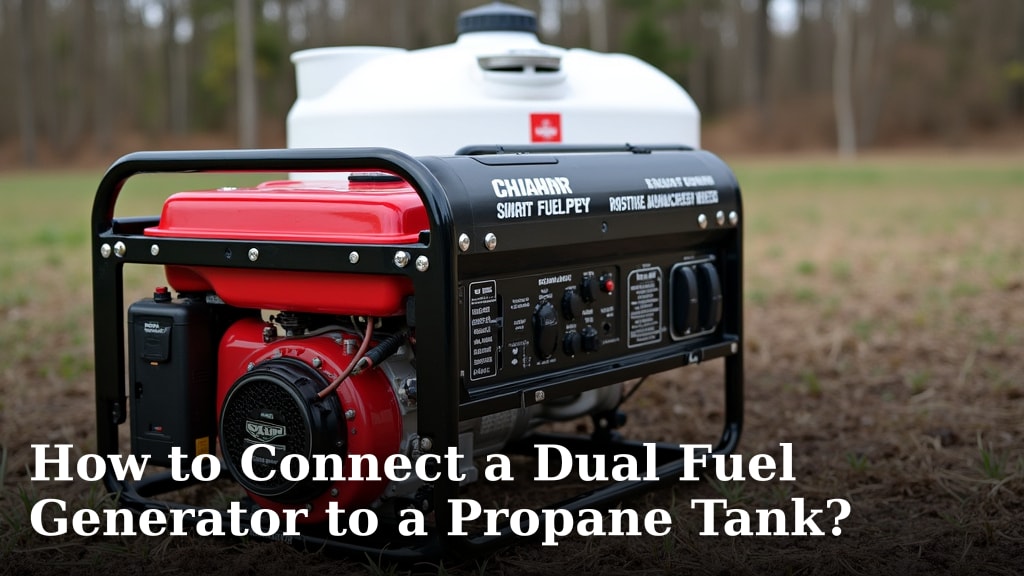
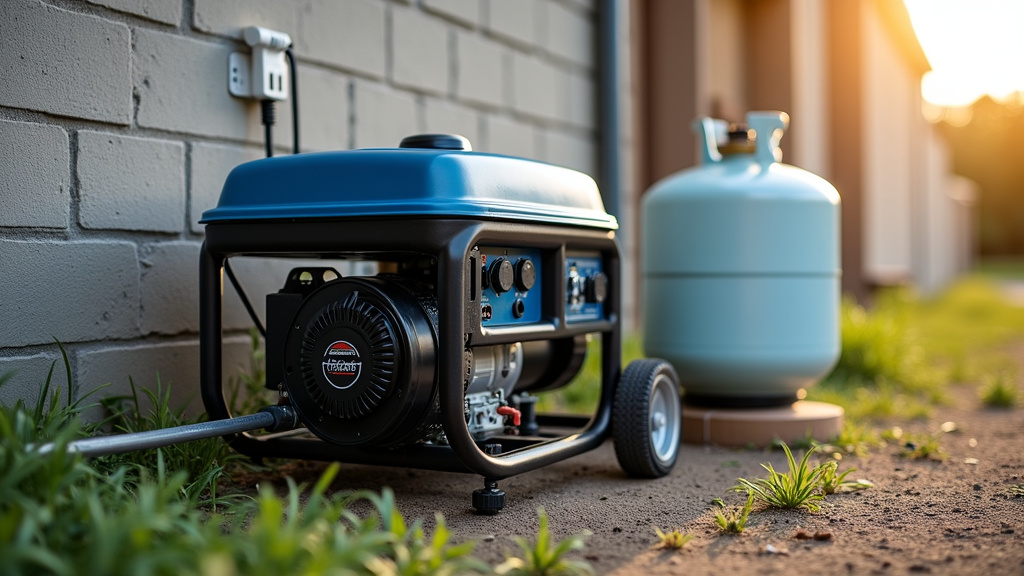
To connect a dual fuel generator to a propane tank, you will primarily use a propane hose and regulator kit. This setup ensures your generator gets the correct fuel pressure. Always make sure your connections are secure and leak-free before starting the generator. Safety first, right?
Connecting your generator to an external propane tank can extend your run time significantly. This means fewer interruptions during power outages. We found that most homeowners appreciate the convenience and efficiency propane offers. It’s a smart way to keep things running smoothly.
- Identify the correct propane hookup on your generator.
- Attach the regulator to your propane tank.
- Connect the propane hose to the generator.
- Check all connections for any gas leaks.
Ready to get started? Let’s walk through the steps to connect your dual fuel generator to a propane tank, making sure you feel confident and prepared.
Connecting Your Dual Fuel Generator to Propane
Connecting your dual fuel generator to a propane tank is a straightforward process when you have the right tools and follow safety guidelines. This setup gives you extended run times and flexibility during power outages, making your generator even more useful.
Gathering Your Essentials: What You’ll Need
Before you begin, gathering everything will make the process much smoother. Think of it like packing for a trip; you want to have all the necessities at hand. It saves time and prevents frustration.
The Propane Tank
You’ll need a standard 20-pound (BBQ-size) propane tank or a larger 40-pound or 100-pound tank. The size depends on how long you need your generator to run. Remember, larger tanks mean fewer refills. We’ve found that a 20-pound tank generally provides about 5-8 hours of run time for an average generator, but this can vary (Energy.gov).
Propane Hose and Regulator Kit
This is the heart of your connection. Your generator might come with one, or you may need to purchase it separately. The regulator is key; it reduces the high pressure from the tank to a safe, usable pressure for your generator. Look for a kit that’s specifically designed for generators, as household BBQ regulators typically aren’t compatible.
Safety Gear
- Heavy-duty work gloves to protect your hands.
- Safety glasses to shield your eyes from any debris or escaping gas.
- A leak detection solution (soapy water in a spray bottle).
Safety is paramount when working with propane. Small precautions can prevent big problems.
Pre-Connection Safety Checks
Before you even think about attaching anything, take a moment to perform some vital safety checks. This isn’t just a suggestion; it’s a critical step for your well-being.
Location, Location, Location
Always operate your generator outdoors in a well-ventilated area, far away from windows, doors, and vents. Carbon monoxide is a silent killer, and generators produce it. The CDC strongly advises keeping generators at least 20 feet from dwellings.
Generator Off and Cooled
Ensure your generator is completely off and has had time to cool down. Trying to connect fuel lines to a hot engine can be dangerous, leading to burns or fire risks.
Inspect Your Equipment
Check the propane tank, hose, and regulator for any signs of damage. Look for cracks, kinks, or wear. A damaged hose or regulator can lead to dangerous propane leaks. We found that a quick visual inspection can save a lot of trouble down the line.
Step-by-Step Connection Process
Now, let’s get down to the actual connection. Take your time with each step. There’s no prize for rushing through it.
Connecting the Regulator to the Propane Tank
Start by attaching the regulator to your propane tank. The regulator usually has a large plastic knob or a wrench connection. Tighten it securely, but don’t overtighten. You want it snug enough to create a good seal. We like to say, “just a little more than finger-tight” for the knob-style connections.
Attaching the Hose to the Generator
Locate the propane inlet on your dual fuel generator. This port is specifically designed for propane connection. Screw the hose fitting onto this port. Again, ensure it’s tight and secure. You’re creating a closed system, so no loose connections are allowed.
Leak Detection: Your Most Important Step
This step is non-negotiable. Skipping it is like driving without a seatbelt. You absolutely must check for leaks before starting your generator. Propane is highly flammable, and leaks are a significant hazard.
How to Perform a Leak Test
- Spray the leak detection solution (soapy water) generously over all connections: where the regulator meets the tank, and where the hose meets the generator.
- Slowly open the valve on your propane tank. You might hear a slight hiss for a second; that’s normal as the gas moves through the line. If you hear a continuous hiss, something isn’t right.
- Watch for bubbles. If you see bubbles forming at any connection point, you have a leak. Do not proceed.
If you find a leak, immediately turn off the propane tank valve. Retighten the connection and retest. If the leak persists, you may have a faulty connection or a damaged component. In this case, resist the urge to use the generator until the issue is resolved. Some research shows that neglecting leak checks is one of the leading causes of propane-related incidents (NFPA).
First Start-Up and Operation Tips
With a secure and leak-free connection, you’re ready for the first start-up. Here’s what you should know.
Starting on Propane
Many dual fuel generators have a fuel selector switch. Make sure it’s in the “propane” or “LPG” position. Follow your generator’s specific starting instructions, which usually involve a choke, a few pulls of the recoil starter, or pressing a start button.
Monitoring During Operation
Once your generator is running, periodically check the hose and connections. Listen for any unusual sounds. Keep an eye on your propane tank. You’ll notice frost forming on the tank during use, especially on humid days, as the liquid propane converts to gas. This is normal.
Propane vs. Gasoline: A Quick Comparison
Understanding the difference helps you choose your fuel wisely during an outage.
| Feature | Propane (LPG) | Gasoline |
|---|---|---|
| Storage Life | Indefinite | 3-6 months (stabilized) |
| Cleanliness | Burns cleaner, less engine wear | Leaves more residue |
| Run Time | Longer with large tanks | Limited by onboard tank size |
| Availability | Often available during outages | Can be scarce during outages |
| Fuel Delivery | External tank & hose | Internal tank |
We found that propane’s longer storage life is a significant advantage for emergency preparedness. No more worrying about fuel going stale in your generator’s tank!
Maintenance After Use
Proper maintenance ensures your generator is ready for the next time you need it.
Disconnecting with Care
When you’re done, turn off the propane tank valve first. Let the generator run until the fuel in the line is consumed and it shuts off. This relieves pressure in the hose. Then, turn off the generator’s ignition switch. Once it’s cool, you can disconnect the hose.
Storage Tips
Store your propane tanks upright, in a well-ventilated area, away from direct sunlight and heat sources. Never store propane tanks indoors. Store the hose and regulator in a clean, dry place to prevent damage.
Troubleshooting Common Issues
Even with careful preparation, sometimes things don’t go perfectly. Here are a few common issues and what to do.
- Generator won’t start on propane:
- Check the propane tank valve – is it fully open?
- Ensure the fuel selector is on “propane.”
- Verify there’s enough propane in the tank.
- Check for kinks in the hose.
- Generator sputters or runs rough:
- Could be low on propane.
- Connections might be slightly loose, causing a minor leak (re-check with soapy water).
Most issues are often due to simple oversight. A quick double-check of your connections and fuel supply usually solves the problem.
Your Propane Connection Checklist
Before you power on, run through this quick checklist to ensure everything is perfect. Think of it as your final peace-of-mind verification.
- Generator is in a well-ventilated outdoor area.
- Generator is off and cool.
- Propane tank is upright and stable.
- Regulator is securely attached to the propane tank.
- Hose is securely attached to the generator.
- All connections have been leak-tested with soapy water.
- Fuel selector is set to propane.
By following these steps, you’ve not only set up your generator but also ensured you’re operating it safely. You’re now ready to face those power interruptions with confidence and reliable power!
Conclusion
Connecting your dual fuel generator to a propane tank is a practical skill for any homeowner. You’ve learned how to gather your tools, perform vital safety checks, and make secure connections. Remember, the peace of mind from a reliably connected generator during an outage is priceless.
Always prioritize safety with leak tests and proper ventilation. We hope you now feel ready to harness the convenience of propane for extended generator run times. Go ahead, get that generator connected with confidence!
Frequently Asked Questions
How far should my propane tank be from my dual fuel generator?
Always keep your propane tank and generator outdoors. Position them at least 5-10 feet away from each other. This distance helps prevent potential hazards and allows for adequate ventilation around both units.
Can I use my BBQ grill propane tank for my dual fuel generator?
Yes, you can use a standard 20-pound BBQ grill propane tank. Just make sure you have the correct regulator and hose kit designed for generators, as typical grill regulators often aren’t compatible with generator fuel systems.
What if my generator doesn’t come with a propane hose and regulator?
You will need to purchase a compatible propane hose and regulator kit separately. Look for kits specifically labeled for dual fuel generators to ensure proper pressure regulation and safe operation.
Is it normal for a propane tank to freeze up when connected to a generator?
Yes, it is normal to see frost or even ice on your propane tank during generator operation, especially in humid or colder conditions. This happens as liquid propane converts to gas, which is a cooling process.
How do I know how much propane is left in my tank?
Some propane tanks have built-in gauges, or you can purchase an aftermarket gauge that attaches between the tank and regulator. A simple method is to pour hot water down the side of the tank; the water will feel cool where there is still liquid propane.
