
Can You Learn to Clean a Generator Air Filter?

Yes, you absolutely can learn to clean a generator air filter yourself, and it’s a pretty straightforward task. Keeping your filter clean is essential for your generator’s health and ensures it runs smoothly when you need it most.
A dirty air filter chokes your generator, reducing its power and even shortening its lifespan. Think of it like trying to breathe through a thick blanket; your generator feels the same way. We found that regular cleaning prevents costly repairs and keeps your power flowing reliably.
- Regular cleaning saves you money.
- A clean filter means better generator performance.
- You can do this task yourself with basic tools.
- Ignoring a dirty filter leads to engine issues.
- It’s a quick and important maintenance step.
Ready to give your generator some much-needed clean air? Let’s walk through exactly how to clean that air filter, step by step.
Maintaining Your Generator’s Breathing Room
Yes, keeping your generator’s air filter clean is a simple yet vital task you can easily learn. It’s like ensuring your own lungs have clean air; your generator needs it to perform at its best.
Why a Clean Air Filter Matters So Much
Think of your generator’s engine as a hungry beast. It needs fuel, and it needs air – lots of it. The air filter is the gatekeeper, stopping dirt, dust, and debris from getting into the engine’s delicate internal parts.
When this filter gets clogged, your engine struggles to pull in enough air. It’s like trying to run a marathon while breathing through a pillow. We found this leads to several problems for your machine.
Reduced Performance and Fuel Efficiency
A dirty filter starves the engine of air. This forces the engine to work harder, consuming more fuel just to produce less power. You’ll notice your generator isn’t running as smoothly or efficiently.
It’s a clear sign something is wrong. You might find yourself needing to refuel more often, which costs you extra money.
Increased Engine Wear and Tear
When less air gets in, the fuel-to-air mixture becomes “richer” (too much fuel, not enough air). This can lead to incomplete combustion, leaving carbon deposits on engine components.
These deposits can cause premature wear on pistons, cylinders, and valves. Over time, this drastically shortens your generator’s lifespan. We found that regular maintenance, like cleaning the air filter, is a key step in preventing this.
Preventing Costly Repairs
Ignoring a dirty air filter is like ignoring a small leak in your roof – it usually leads to bigger, more expensive problems down the line. A choked engine can overheat or suffer internal damage that requires professional repair.
Many experts say that simple preventative maintenance is the best way to avoid large repair bills (Consumer Reports). Just like cleaning the air filter, changing the oil in your generator is another simple preventative maintenance task that can save you money.
When to Clean Your Generator Air Filter
The general rule of thumb is to check your air filter every 25-50 hours of operation, or at least once a year. However, this can change based on a few factors.
Environmental Factors to Consider
Do you use your generator in a dusty construction site? Or is it tucked away in a clean garage and only used occasionally? The environment plays a huge role.
- Dusty Conditions: If you operate your generator in very dusty, sandy, or dirty environments, you’ll need to check and clean the filter much more frequently – perhaps every 10-15 hours.
- Frequent Use: If your generator runs for extended periods or is used often, its filter will accumulate dirt faster.
- Infrequent Use: Even if you don’t use it much, dust can settle on the filter over time. A yearly check is still a good idea.
Always consult your generator’s owner’s manual for specific recommendations. Manufacturers often provide a detailed maintenance schedule tailored to your specific model.
Tools You’ll Need for the Job
Good news! You don’t need a professional toolkit to clean your generator’s air filter. Most of these items you might already have around the house.
- Screwdriver or Wrench: To remove the air filter housing cover.
- Clean Cloth or Rag: For wiping down parts.
- Soft Brush: To gently dislodge stubborn dirt.
- Compressed Air (Optional): For blowing out dust from some filter types.
- Mild Detergent or Soap: For washing foam filters.
- Warm Water: For rinsing.
- Oil (Specific to Foam Filters): If your filter requires oiling after cleaning.
- Safety Glasses and Gloves: Always a good idea for any maintenance task.
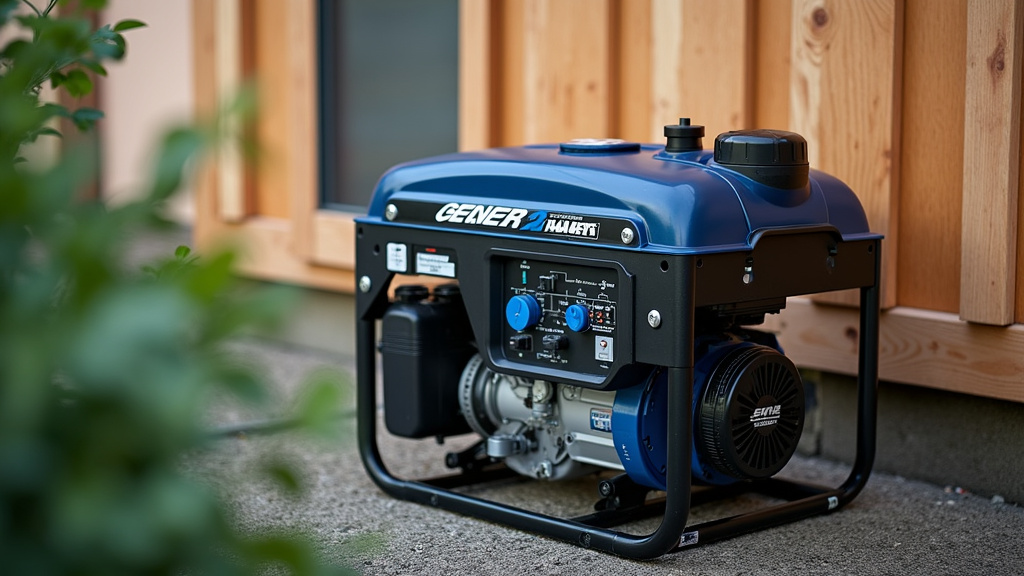
Step-by-Step Guide to Cleaning Your Generator Air Filter
Ready to get your hands a little dirty? Follow these steps carefully to ensure a thorough and safe cleaning.
Safety First: Disconnect Power
Before you touch anything, make sure your generator is off and completely cooled down. This is absolutely critical for your safety. Disconnect the spark plug wire to prevent accidental starting. You don’t want the engine to kick on while you’re working on it!
Locate and Remove the Air Filter Housing
The air filter housing is usually a plastic or metal box attached to the side of the engine. It’s often secured with clips, screws, or nuts. Use your screwdriver or wrench to carefully open it up.
Once open, you’ll see the air filter inside. Gently pull it out. Take note of how it sits in the housing so you can put it back correctly later.
Assess the Filter Type and Condition
Generator air filters come in a few common types. Knowing what kind you have dictates the cleaning method.
| Filter Type | Appearance | Cleaning Method |
|---|---|---|
| Paper (Pleated) | Looks like accordion-folded paper | Tap gently, use compressed air (from inside out), replace if heavily soiled. |
| Foam | Spongy, often yellow or black | Wash with mild soap and water, rinse, dry, re-oil if specified. |
| Dual-Element | Often a foam pre-filter over a paper filter | Clean foam element (wash), clean paper element (tap/air), replace paper if needed. |
Cleaning a Paper Air Filter
Paper filters are generally not designed to be washed with water. If yours is extremely dirty, you might need to replace it. However, for light to moderate dirt, you can try this:
- Gently tap the filter against a hard surface to dislodge loose dirt. Do this outdoors so dust doesn’t fly back into your face.
- If you have compressed air, blow it through the filter from the inside out. This pushes dirt away from the clean side. Hold the nozzle a few inches away to avoid damaging the paper.
- Inspect the filter for tears or holes. If you see any damage, or if it’s still heavily soiled after cleaning, it’s time for a replacement.
Cleaning a Foam Air Filter
Foam filters are typically washable and reusable. They’re a bit more forgiving.
- Mix a small amount of mild detergent or dish soap with warm water in a bucket.
- Submerge the foam filter and gently squeeze it repeatedly to work the soapy water through. Avoid twisting or stretching it too much.
- Rinse the filter thoroughly under clean running water until all soap is gone and the water runs clear.
- Gently squeeze out excess water. Allow the filter to air dry completely. This is very important – do not re-install a wet filter!
- If your manual specifies, apply a light coating of recommended foam filter oil. Work the oil into the foam evenly, then squeeze out any excess. This oil helps trap finer dust particles.
Clean the Air Filter Housing
While the filter is out, take a moment to wipe down the inside of the air filter housing with a clean, damp cloth. Remove any accumulated dirt or debris. This ensures that no loose particles fall onto your clean filter when you put it back.
Reassemble Everything
Once your filter is clean and dry (and oiled, if applicable), carefully place it back into the housing. Make sure it sits snugly and correctly, just as you found it. Then, secure the housing cover with its clips, screws, or nuts.
Reconnect the spark plug wire. You’re all set! Now your generator can breathe freely again.
Quick Checklist for Air Filter Maintenance
Here’s a quick recap to keep your generator running smoothly:
- Turn off generator and disconnect spark plug.
- Remove air filter housing cover carefully.
- Inspect filter for type and level of dirt.
- Clean filter (tap/air for paper, wash/dry/oil for foam).
- Wipe down inside of air filter housing.
- Reinstall clean filter and close housing.
- Reconnect spark plug wire.
Conclusion
You’ve seen that cleaning your generator’s air filter isn’t just possible, it’s a simple and rewarding maintenance task. By taking a few minutes to check and clean this vital component, you directly impact your generator’s performance, fuel efficiency, and overall lifespan. We found that this small effort saves you money on repairs and ensures your power source is reliable when you need it most.
Don’t let a clogged filter leave you in the dark. Take control of your generator’s health today. Grab your tools and give your generator the clean air it deserves.
Frequently Asked Questions
How often should I replace my generator’s air filter instead of cleaning it?
Even with regular cleaning, air filters don’t last forever. You should plan to replace paper filters at least once a year, or sooner if they show signs of damage like tears or excessive dirt that won’t come out. Foam filters can often last longer if properly cleaned and oiled, but inspect them for brittleness or damage during each cleaning.
Can I use household cleaning sprays or harsh chemicals on my generator air filter?
No, avoid using harsh chemicals, gasoline, or strong detergents to clean your air filter. These can damage the filter material or leave residues that could harm your engine. Stick to mild soap and warm water for foam filters, and compressed air or gentle tapping for paper filters, as outlined in your owner’s manual.
What happens if I put a wet foam air filter back into my generator?
Installing a wet foam filter can cause serious problems. Moisture drawn into the engine can lead to corrosion, misfires, or even hydraulic lock, which can severely damage internal engine components. Always ensure your foam filter is completely dry before reinstallation, which might take several hours of air drying.
Is it always better to clean the filter, or should I just buy a new one?
For slightly dirty filters, cleaning is often sufficient and cost-effective. However, if a paper filter is heavily soiled, damaged, or if a foam filter is brittle or torn, replacement is the safer and more effective option. A clean, intact filter is essential for proper engine protection.
Can a dirty air filter affect my generator’s starting ability?
Yes, a severely clogged air filter can make it harder for your generator to start. The engine struggles to get enough air, leading to an overly rich fuel mixture. This can foul the spark plug and make ignition difficult, requiring multiple attempts to start or preventing it from starting altogether.
