
How to Fix Generator Battery Not Charging?
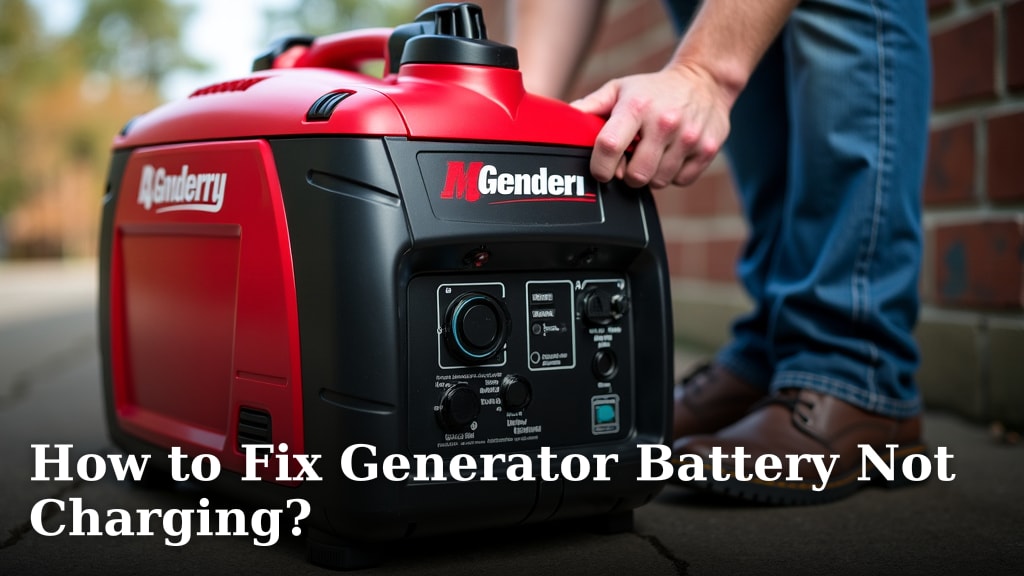
Your generator battery isn’t charging? Don’t panic! The most common reasons are a Your generator battery not charging can be a frustrating issue, but our guide explains why this happens.loose connection, a faulty battery, or a problem with the charging system itself, like the stator or voltage regulator. We found that tackling these directly often resolves the issue.
When your generator’s battery won’t hold a charge, it can leave you in a lurch, especially during an outage. You want to ensure your backup power is reliable. We found that a dead battery or a weak charging system are the usual culprits. Many experts agree these are the first things to check.
TL;DR:
- Check battery terminals for loose or corroded connections.
- Inspect the battery itself for any signs of damage.
- Test your generator’s charging system components.
- Ensure the engine is running long enough to charge.
Let’s walk through how to diagnose and fix your generator battery not charging problem, step by step.
So, your generator battery isn’t charging? That’s a real bummer, especially when you’re counting on that backup power. We’ve been there, and it can feel a bit daunting. But don’t worry, this is a common issue. Many times, it’s something you can fix yourself with a little guidance. We found that tackling the most frequent culprits usually gets things back online.
Troubleshooting Your Generator’s Battery Charging Issues
When your generator battery isn’t charging, it’s like a car battery that won’t hold a charge. You need that stored energy to start the engine. Many experts agree that checking the simple things first is the best approach. We found that this often saves you time and money.
Checking the Battery Connections
This is almost always the first place to look. Loose or corroded battery terminals are super common. They prevent electricity from flowing properly. You’ll want to make sure everything is snug and clean. This is almost always the first place to look for issues with loose or corroded battery terminals.
Inspect the Terminals
Take a look at where the battery cables connect to the battery posts. Do you see any white or bluish-green powdery buildup? That’s corrosion. It acts like an insulator, blocking the charge. You’ll also want to gently try to wiggle the cable clamps. If they move easily, they’re too loose.
Cleaning Corroded Terminals
If you find corrosion, you’ll need to clean it off. You can use a wire brush or a battery terminal cleaning tool. A mixture of baking soda and water can also help dissolve the corrosion. Just be sure to disconnect the battery cables first – negative first, then positive. Wear safety glasses and gloves; battery acid can be nasty stuff. After cleaning, reconnect the cables securely, positive first, then negative. Many repair guides suggest this as the most effective first step.
Tightening Loose Connections
If the clamps feel loose, you’ll want to tighten them. Use an appropriate wrench – usually 10mm or 13mm for generator batteries. You want them snug, but don’t overtighten them, as this can damage the battery posts. A good, firm connection is what you’re aiming for.
Assessing the Battery’s Health
Sometimes, the battery itself is the problem. Batteries don’t last forever. If yours is old or has been drained many times, it might just be worn out.
Signs of a Failing Battery
Look for any physical damage to the battery case. Cracks, bulges, or leaks are bad signs. If the battery is old – generally, generator batteries last about 3-5 years – it might be time for a replacement. We found that checking the date code on the battery, if visible, can give you a clue to its age.
Testing the Battery Voltage
You can check the battery’s voltage with a multimeter. A fully charged 12-volt battery should read around 12.6 volts or higher when the generator is off and has been sitting for a while. If you’re reading significantly less, especially below 12.0 volts, the battery might be bad. We found that a battery that consistently reads low, even after charging attempts, often needs replacement.
Performing a Load Test
For a more definitive answer, you can perform a load test. This checks how the battery performs under stress. Many auto parts stores can do this for free. They have specialized equipment that simulates the load of starting an engine. If the battery fails a load test, it’s definitely time for a new one.
Investigating the Charging System Components
If your battery connections are good and the battery itself seems healthy, the issue likely lies within the generator’s charging system. This system is responsible for recharging the battery while the engine runs.
The Role of the Stator
The stator is a key component in most generators. It’s a set of coils that generates AC voltage when the engine spins the rotor. This AC voltage is then converted to DC to charge the battery. If the stator windings are damaged or shorted, it won’t produce enough voltage. We found that stator issues are a common cause of batteries not charging.
Understanding the Voltage Regulator
The voltage regulator’s job is to control the amount of voltage going to the battery. It prevents overcharging, which can damage the battery. If the voltage regulator fails, it might not send any charging voltage, or it might send too much. Both scenarios will cause battery problems. Many service manuals highlight the voltage regulator as a critical but often overlooked part.
Testing the Stator Output
Testing the stator typically involves disconnecting it and measuring the AC voltage across its output wires using a multimeter while the engine is running. The specific wires and voltage readings will vary by generator model. You’ll need to consult your generator’s service manual for the correct procedure and specifications. Many online forums share test procedures, but always cross-reference with your manual.
Testing the Voltage Regulator
Testing the voltage regulator can be more complex. It often involves checking the DC voltage output at the battery terminals while the engine is running. Again, the service manual is your best friend here. It will tell you the expected voltage range. A reading that is too low, too high, or zero often indicates a faulty regulator. Some regulators are separate units, while others are integrated into the generator’s main control board.
Ensuring Sufficient Running Time
Sometimes, the charging system is working fine, but the battery isn’t getting enough time to charge. Generators are often run for short periods to power essential devices during an outage. This might not be enough to fully replenish the battery.
How Long Does Charging Take?
The charging rate depends on your generator’s charging system and the battery’s state of discharge. Generally, a generator needs to run for at least a few hours to significantly recharge a depleted battery. We found that running the generator for longer periods, perhaps once a month for an hour or two, helps keep the battery in good shape.
Optimizing Charging Cycles
If you only run your generator for short bursts, consider letting it run longer periodically. This allows the charging system ample time to do its job. Think of it like charging your phone; a quick 15-minute boost might get you through a call, but a full charge takes longer.
Common Generator Battery Not Charging Checklist
Here’s a quick rundown of what to check. We found this checklist helpful for quickly diagnosing the problem.
- Check Battery Terminals: Ensure they are clean and tight.
- Inspect Battery Case: Look for cracks, bulges, or leaks.
- Test Battery Voltage: Use a multimeter for a quick check.
- Verify Stator Output: Consult your manual for testing procedures.
- Test Voltage Regulator: Ensure it’s outputting the correct voltage.
- Run Time: Make sure the generator runs long enough to charge.
By systematically going through these steps, you can pinpoint why your generator battery isn’t charging and get it fixed. Remember, safety first! Always disconnect the battery before working on electrical components and consult your generator’s manual.
Conclusion
You’ve now walked through the common reasons your generator battery might not be charging. We found that from checking simple connections to understanding your generator’s charging system, most issues are fixable. Don’t let a dead battery leave you in the dark. You have the knowledge to troubleshoot. Your next step is to grab your tools and your generator’s manual. You can get your backup power source ready for action.
Frequently Asked Questions
How often should I run my generator to keep the battery charged?
We found that running your generator for at least 30 minutes to an hour once a month is generally recommended. This ensures the charging system has enough time to work and keeps the battery healthy.
Can I use a trickle charger on my generator battery?
Yes, using a battery trickle charger or a smart charger designed for 12-volt batteries can be a great way to maintain your generator’s battery. We found this is especially useful if you don’t run your generator very often.
What does it mean if my battery is bulging?
A bulging battery case is a serious sign that the battery has been overcharged or is internally damaged. You should **never** try to charge or use a battery that is bulging, as it can be dangerous. Replacement is necessary.
My generator is new, why isn’t the battery charging?
Even with a new generator, issues like loose terminal connections or a faulty charging system component can occur. We recommend starting with the connection checks, then referring to your owner’s manual for any specific pre-operation charging instructions.
Is it safe to clean battery terminals myself?
Yes, it is generally safe if you take proper precautions. Always disconnect the battery cables (negative first, then positive), wear safety glasses and gloves, and use a baking soda and water solution for cleaning. Ensure the terminals are dry before reconnecting.
