
How to Fix Generator Surging Under Load?
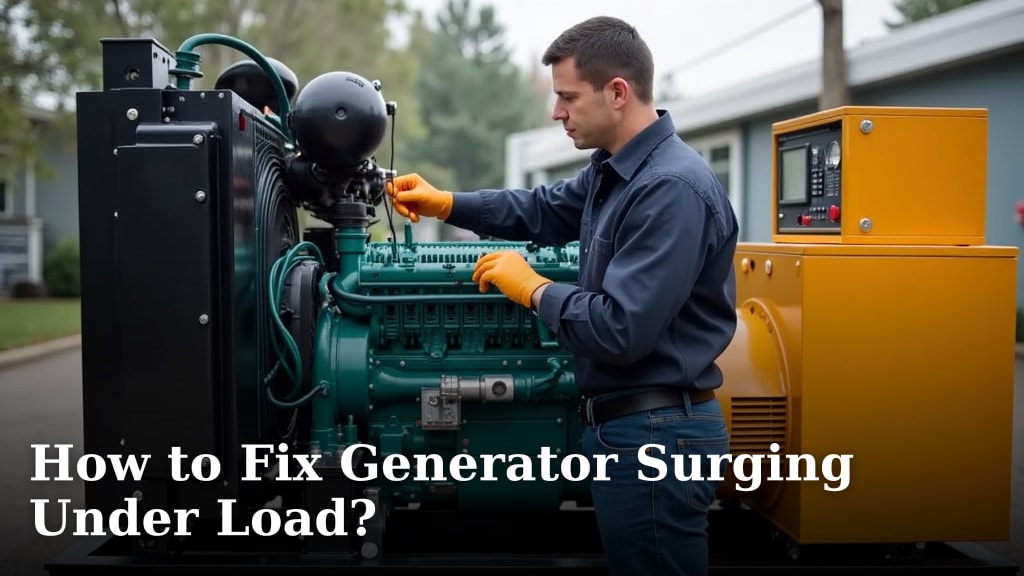
Your generator surging under load is usually caused by a fuel delivery problem or an issue with the engine’s governor. When your generator struggles to keep up with demand, it’s frustrating. Fortunately, you can often fix generator surging yourself with a few common checks and adjustments. We found these are the most common culprits.
When a generator surges, it means the engine speed fluctuates wildly. This can happen when the generator is trying to power too many appliances at once. It can also be a sign of a component not working quite right. Understanding these common issues helps you get your generator back to steady power.
TL;DR:
- Generator surging often means a fuel or governor issue.
- Check fuel lines for blockages.
- Clean or replace the fuel filter.
- Adjust or clean the carburetor.
- Inspect and adjust the generator’s governor.
Let’s walk through the common reasons why your generator might be surging and how to get it running smoothly again.
It’s never fun when your generator starts acting up. That sputtering, surging sound can be unnerving, especially when you’re relying on it for power. Don’t worry, though; most of the time, this issue points to a few common culprits that you can often fix yourself. Let’s get your generator purring like it used to.
Troubleshooting Generator Surging Issues
When your generator surges, it’s essentially the engine speed fluctuating up and down. This often happens when the engine isn’t getting enough fuel or when the governor system, which controls engine speed, isn’t functioning correctly. We’ve found that these are the most frequent reasons for this frustrating problem.
Fuel System Checks: The Usual Suspects
The most common reason for generator surging is a problem with the fuel delivery system. If your engine isn’t getting a consistent flow of clean fuel, it can’t maintain a steady speed, especially under load. Think of it like trying to drink a thick milkshake through a tiny straw – it’s hard to get a smooth, consistent drink!
Inspect the Fuel Tank and Cap
Start with the basics. Make sure your fuel tank has enough gasoline. It sounds simple, but it’s easy to overlook. Also, check the fuel cap. A clogged vent in the cap can create a vacuum in the tank, preventing fuel from flowing properly. If you see debris or dirt around the vent, clean it gently with a brush or compressed air. Many sources suggest this as a first, easy step.
Examine Fuel Lines for Obstructions
Next, follow the fuel line from the tank to the carburetor. Look for any kinks, twists, or damage that might restrict fuel flow. If you see a bend that looks problematic, try to straighten it out. If the line seems brittle or cracked, it’s time to replace it. Fuel lines are inexpensive and critical for proper operation.
Clean or Replace the Fuel Filter
The fuel filter is designed to catch debris before it reaches the carburetor. Over time, this filter can become clogged, starving the engine of fuel. Locate the fuel filter (it’s usually in the fuel line between the tank and the carburetor). If it looks dirty or clogged, it’s time for a replacement. Many manufacturers recommend replacing the fuel filter annually or every 100 hours of operation, whichever comes first.
Carburetor: The Engine’s “Food Mixer”
The carburetor is responsible for mixing the right amount of fuel and air for combustion. If it’s dirty or out of adjustment, it can cause surging. This is another very common area that research points to as a frequent cause of inconsistent engine performance.
Symptoms of a Dirty Carburetor
A dirty carburetor can lead to a host of problems, including surging, stalling, and difficulty starting. Tiny passages inside can get clogged with varnish from old fuel, even if you think you drained it properly. This is particularly true if your generator has been sitting for a while.
Cleaning the Carburetor
Cleaning a carburetor can be done in a few ways. For a light cleaning, you might try using a carburetor cleaner spray. With the engine off and cool, locate the carburetor and spray the cleaner into the air intake while gently operating the throttle linkage. For a more thorough cleaning, you may need to remove the carburetor and take it apart. This is a more involved process. If you’re not comfortable with mechanical work, it might be best to have a professional do this. We found that many DIYers find success with a thorough cleaning, though.
Adjusting the Carburetor
Some carburetors have adjustment screws that control the idle speed and fuel mixture. If these are out of whack, it can cause surging. Generally, there’s an idle speed screw and a mixture screw. Adjusting these requires a delicate touch. A good starting point is to consult your generator’s owner’s manual for specific instructions. Many experts suggest making small, incremental adjustments and testing the generator after each change.
The Governor System: The Engine’s Speed Control
Your generator has a governor system designed to maintain a constant engine speed, regardless of the electrical load. When this system isn’t working right, the engine speed will fluctuate, causing that annoying surge. We found that governor issues are often the culprit when fuel system fixes don’t solve the problem.
What Does the Governor Do?
The governor senses changes in engine speed and adjusts the throttle accordingly. If the load increases, the engine slows down, and the governor opens the throttle to speed it back up. If the load decreases, the engine speeds up, and the governor closes the throttle to slow it down. It’s a constant balancing act to keep the engine at its optimal RPMs for consistent power output.
Inspecting Governor Linkages and Springs
Check the governor linkages. These are the rods and levers that connect the governor mechanism to the carburetor’s throttle. Ensure they are not bent, binding, or disconnected. Also, inspect the governor spring for any signs of damage or stretching. A weakened spring may not be able to respond effectively to load changes.
Adjusting the Governor Settings
Sometimes, the governor might simply need adjustment. This is typically done by adjusting the position of the governor arm or spring. Again, your owner’s manual is your best friend here. Improper adjustment can lead to over-speeding or under-speeding, so proceed with caution. Many service manuals provide diagrams and specific steps for governor adjustment. If you’re unsure, seeking professional help is wise.
Other Potential Causes to Consider
While fuel and governor issues are the most common, a few other things can contribute to generator surging.
Air Filter Issues
A clogged air filter restricts airflow to the engine. This can cause the fuel-air mixture to become too rich, leading to poor combustion and surging. Check your air filter and clean or replace it as needed. This is a simple maintenance task that can prevent many problems.
Spark Plug Problems
A fouled, worn, or improperly gapped spark plug can cause misfires and inconsistent engine performance. This might not always cause surging, but it can contribute to rough running that feels similar. Inspect your spark plug, clean it, check the gap (refer to your manual for the correct gap), or replace it if it looks worn.
Load Imbalance
Are you trying to run too many appliances at once? Generators have a rated capacity, and exceeding it can cause them to struggle. Ensure your total electrical load doesn’t exceed the generator’s capacity. Sometimes, surging is just the generator’s way of saying, “I’m working too hard!”
Here’s a quick checklist to help you diagnose the problem:
- Check fuel level and fuel cap vent.
- Inspect fuel lines for kinks or damage.
- Clean or replace the fuel filter.
- Clean the carburetor.
- Inspect governor linkages and springs.
- Check and clean/replace the air filter.
Conclusion
Generator surging under load can be a real headache, but as you’ve seen, many common causes are fixable yourself. We found that focusing on fuel delivery and the governor system often gets your generator back to smooth operation. Remember to start with the simple checks like your fuel cap and lines before moving to more involved tasks like carburetor cleaning or governor adjustments. If you’ve tried these steps and still face issues, don’t hesitate to consult your generator’s manual or seek professional assistance. Keep your generator well-maintained, and you’ll enjoy reliable power for years to come.
Frequently Asked Questions
What if my generator surges even with a full tank of gas?
A full fuel tank doesn’t guarantee a clean fuel supply. Surging can still happen if the fuel cap vent is clogged, creating a vacuum. We also found that a dirty fuel filter or a partially blocked fuel line can restrict flow, causing surging even with plenty of gas. Always check these components.
How often should I clean my generator’s carburetor?
You should clean your carburetor if you notice surging or other fuel-related issues. It’s good practice to clean it annually or if the generator has been stored for a long time with fuel in the tank, as varnish can build up. Research suggests this preventative maintenance can save you a lot of troubleshooting later.
Can a simple air filter cause generator surging?
Yes, a clogged air filter can definitely cause surging. It restricts the air needed for the proper fuel-air mixture. When the mixture is too rich, the engine runs poorly, leading to fluctuations in speed. We’ve seen this overlooked many times.
Is it safe to adjust the governor myself?
Adjusting the governor requires care. Improper adjustments can lead to the engine over-speeding or running too slow, which can damage the generator or connected appliances. Always consult your owner’s manual for specific instructions and proceed with small, cautious adjustments. If you’re unsure, professional help is recommended.
What’s the difference between surging and stalling?
Surging is when your generator’s engine speed fluctuates rapidly up and down. Stalling, on the other hand, is when the engine completely stops running. While related to fuel or air issues, stalling indicates a more severe blockage or lack of fuel/spark, whereas surging suggests an inconsistent delivery that the engine is trying to compensate for.
