
What Causes Generator Surging Under Load?
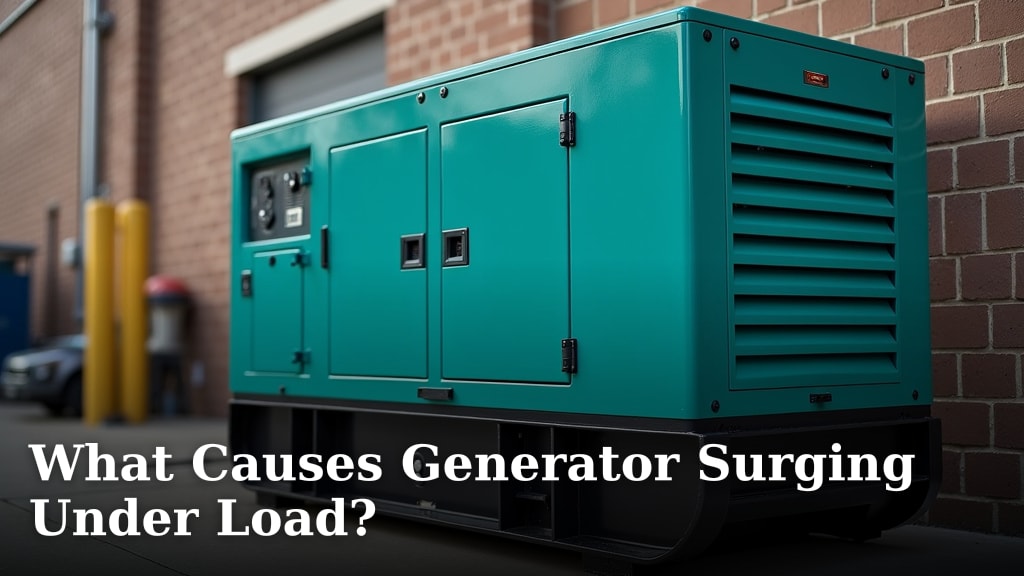
Generator surging under load happens because the engine can’t keep up with the demand. This often means your generator is receiving too much power draw. It could also be due to fuel delivery issues or a faulty governor. We found this is a common problem for many generator owners.
When your generator surges, the engine speed fluctuates wildly. This can feel like the generator is sputtering or having a hard time. It might be caused by contaminants in the fuel or a clogged fuel filter. Understanding these common culprits can help you troubleshoot effectively and keep your generator running smoothly.
- Generator surging means the engine speed is unstable.
- Too much power draw is a primary cause.
- Fuel issues like clogs or contaminants are frequent culprits.
- A malfunctioning governor can also lead to surging.
- Regular maintenance helps prevent this problem.
Let’s dive into the main reasons your generator might be surging under load and what you can do about it.
It can be really frustrating when your generator starts acting up. That sputtering, inconsistent power delivery – it’s often called surging, and it typically happens when the engine is struggling to maintain a steady speed. This isn’t just annoying; it can actually damage sensitive electronics you’re trying to power. Let’s look at the most common reasons why your generator might be surging under load.
Why Your Generator’s Engine Speed Isn’t Stable
Generator surging under load points to an engine that’s having a hard time keeping up. Your generator has a governor that’s supposed to automatically adjust the engine speed to match the electrical demand. When it surges, this system isn’t working quite right. We found that overload is the most frequent offender.
Overloading the Generator: The Most Common Culprit
Think of your generator like a car engine. If you try to pull a heavy trailer with a small car, the engine will strain and struggle, right? The same principle applies here. When you plug in too many appliances or devices that draw more power than your generator can safely provide, the engine governor tries to compensate, but it can’t keep up. This leads to that frustrating surge.
Understanding Your Generator’s Wattage Limits
Every generator has a rated wattage and a peak wattage. The rated wattage is what it can sustain continuously. The peak wattage is the extra burst of power it can provide for a short time, usually for starting up appliances with motors. Exceeding either of these will cause problems.
Calculating Your Power Needs
Before you even start your generator, it’s wise to do a quick power audit. Most appliances have a label indicating their wattage. Add up the wattage of everything you plan to run simultaneously. Always aim to stay well below your generator’s rated wattage to give it some breathing room. Many experts recommend operating at about 75-80% of the generator’s capacity for optimal performance and longevity (Generac).
The Impact of Starting Watts
Appliances with electric motors (like refrigerators, air conditioners, or power tools) have a much higher “starting watt” requirement than their “running watt” requirement. This is a sudden, brief surge of power needed to get the motor going. If your generator can’t handle this initial demand from multiple motor-driven appliances kicking on at once, it can cause a severe surge or even shut down.
Tips to Avoid Overloading
- Know your generator’s limits: Always check the manual for its rated and peak wattage.
- Keep a running tally: Add up the wattage of devices before plugging them in.
- Stagger startup: Turn on motor-driven appliances one at a time, allowing the generator to stabilize between each.
- Use a watt meter: A simple plug-in watt meter can help you accurately measure the power draw of your devices.
- Consider a second generator: For very high power needs, two smaller generators linked together might be a solution.
Fuel System Issues: The Hidden Obstacles
Sometimes, the problem isn’t necessarily drawing too much power, but rather the generator not getting enough fuel to meet the demand. A compromised fuel system can starve the engine, causing it to fluctuate in speed. This is a very common reason for surging that many people overlook.
Dirty or Contaminated Fuel
Fuel, especially gasoline, can degrade over time. Stale fuel can lead to gumming and deposits that clog crucial parts of the fuel system. We found that moisture can also get into your fuel tank, especially if it’s not sealed properly or if you store fuel for long periods. Water in the fuel can cause misfires and inconsistent engine performance.
The Importance of Fresh Fuel
Using fresh fuel is vital. If your generator sits for months between uses, the fuel in the tank can go bad. Many generator manuals suggest using a fuel stabilizer, especially if you plan to store the generator or fuel for more than 30 days. Stabilizers help prevent the fuel from oxidizing and breaking down (Honda Power Equipment).
Clogged Fuel Filter
Your generator has a fuel filter designed to catch debris and impurities before they reach the carburetor. Over time, this filter can become clogged with sediment and gunk. A clogged filter restricts fuel flow, making it impossible for the engine to get the consistent supply it needs, especially under load. This restriction is a direct cause of surging.
Issues with the Fuel Lines or Carburetor
Beyond the filter, the fuel lines themselves can become partially blocked by debris. Even tiny obstructions can make a big difference. The carburetor is the part that mixes fuel and air for the engine. If the carburetor jets are clogged with varnish or sediment from old fuel, it won’t deliver the correct fuel-air mixture, leading to inconsistent running and surging.
Troubleshooting Fuel System Problems
If you suspect fuel issues, here’s a logical approach:
- Drain and replace fuel: If the fuel is old or you suspect contamination, drain the tank and carburetor bowl and refill with fresh gasoline.
- Inspect the fuel filter: Locate and check your generator’s fuel filter. If it looks dirty or clogged, replace it. This is often a simple, inexpensive fix.
- Clean the carburetor: This is a more involved task. If simple fuel replacement doesn’t work, you might need to clean the carburetor jets or even consider professional service.
- Check fuel lines: Ensure there are no kinks or visible blockages in the fuel lines.
A Faulty Governor System: The Control Center Failing
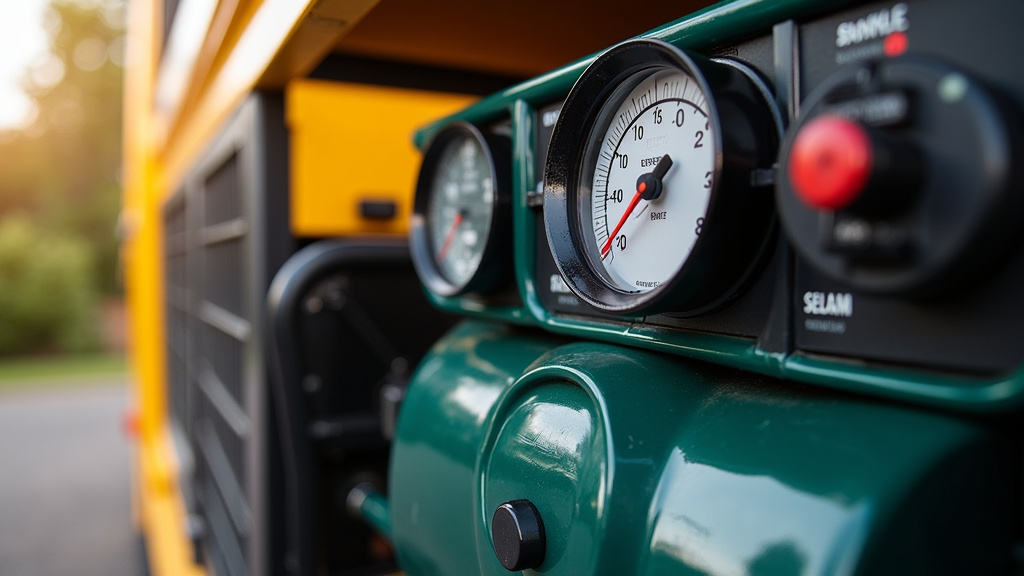
The governor is the brain of your generator’s speed control. Its job is to constantly monitor engine speed and adjust the throttle to maintain a consistent RPM, no matter the electrical load. When the governor isn’t working correctly, the engine speed will fluctuate, causing that surging effect.
Types of Governors and Their Common Problems
Generators typically use either a mechanical governor or an electronic governor. Mechanical governors use weights and springs to sense engine speed. Electronic governors use sensors and a small computer. Both can fail, but in different ways.
Mechanical Governor Issues
With mechanical governors, parts can wear out over time. Springs can lose tension, linkages can become sticky or stiff, and the flyweights can get dirty or damaged. If any of these components aren’t moving freely or are not calibrated correctly, the governor won’t be able to accurately control the throttle. This often results in erratic engine speed changes.
Electronic Governor Problems
Electronic governors are more precise but can be susceptible to electrical issues. Faulty sensors, wiring problems, or a malfunctioning control board can all lead to incorrect speed regulation. Sometimes, a simple loose connection can cause the governor to act erratically. We found that dirt and moisture can also interfere with the electronic components.
How to Identify Governor Problems
Diagnosing a governor issue can be tricky because it often mimics other problems like fuel delivery issues. However, here are some signs:
- Erratic RPM changes: The engine speed fluctuates wildly even when the load is constant.
- Inability to hold speed: The generator struggles to maintain any specific RPM, regardless of throttle position.
- Governor lever stuck: On mechanical systems, you might notice the throttle linkage or governor arm is not moving freely.
If you suspect a governor problem, especially with electronic systems, professional diagnosis is often recommended. Adjusting or replacing governor components can be complex.
Other Contributing Factors to Consider
While overloading, fuel issues, and governor problems are the most common causes of surging, a few other things might be contributing.
Air Filter Restrictions
Similar to a fuel filter, a dirty or clogged air filter can choke the engine. The engine needs a proper mix of fuel and air to run efficiently. If the air filter is too dirty, it restricts airflow, essentially starving the engine of oxygen. This can lead to a loss of power and inconsistent engine speed, especially when the generator is working hard.
Action: Regularly inspect and clean or replace your air filter according to the manufacturer’s recommendations. It’s a simple maintenance item that makes a big difference.
Spark Plug Issues
A worn-out or fouled spark plug can cause incomplete combustion. This means the fuel isn’t burning as efficiently as it should. Inefficient combustion leads to a rough-running engine that might surge. If the spark plug gap is incorrect or the plug is covered in carbon deposits, it won’t deliver a strong, consistent spark.
Action: Check your spark plug. If it looks worn, dirty, or damaged, replace it. Ensure the gap is set correctly for your specific generator model.
Engine Load Sensitivity
Some generators, particularly smaller or older models, are simply more sensitive to changes in load. If you’re pushing the limits of what the generator was designed for, even a slight fluctuation in demand from an appliance can cause noticeable surging. It’s a sign that the generator might be undersized for your needs.
Action: Ensure your generator is properly sized for the appliances you intend to run. Trying to power too much with a small unit will always be a challenge.
By understanding these potential causes, you can take steps to troubleshoot and resolve generator surging. Regular maintenance is your best friend in preventing these issues from cropping up in the first place.
Conclusion
Generator surging under load can be a puzzling problem, but as we’ve covered, the most common culprits are overloading your generator, encountering fuel system issues, or dealing with a faulty governor. Sometimes, simpler things like a dirty air filter or spark plug can also cause this frustrating fluctuation. By understanding these potential causes, you can systematically troubleshoot your generator.
Your next step should be to perform a thorough check of your generator’s power draw against its specifications. If that checks out, move on to inspecting the fuel system and air filter. Keeping your generator well-maintained is your best defense against surging and other performance issues.
Frequently Asked Questions
Can I run my generator at its maximum wattage without causing surging?
Running your generator consistently at its maximum rated wattage puts a lot of strain on the engine. We found that it’s best to operate within 75-80% of its capacity. Pushing it to the absolute limit increases the risk of surging and can shorten the generator’s lifespan.
How often should I check my generator’s fuel filter?
It’s a good practice to inspect your fuel filter at least once a year, or more often if you use your generator frequently or in dusty conditions. If you notice any signs of dirt or debris, it’s time to replace it. This simple maintenance step can prevent many fuel delivery problems.
Is it safe to run a generator that is surging?
No, it’s generally not safe to run a generator that is surging, especially if you are powering sensitive electronics. The inconsistent power output can damage your appliances. It’s best to shut down the generator and troubleshoot the cause of the surging before attempting to use it again.
What’s the difference between a mechanical and electronic governor, and which is more prone to problems?
Mechanical governors use moving parts like weights and springs, which can wear out or get sticky over time. Electronic governors use sensors and circuitry, which can be affected by electrical faults or moisture. We’ve found that while both can fail, mechanical governors might be more susceptible to wear and tear from regular use.
If I suspect a fuel contamination issue, what’s the easiest way to fix it?
The easiest fix for fuel contamination is to completely drain the old fuel from the tank and the carburetor bowl. Then, refill with fresh gasoline and consider using a fuel stabilizer. If the problem persists, you may need to clean the carburetor jets themselves.
