
What Product Helps with Dual Fuel Generator Not Starting on Propane?
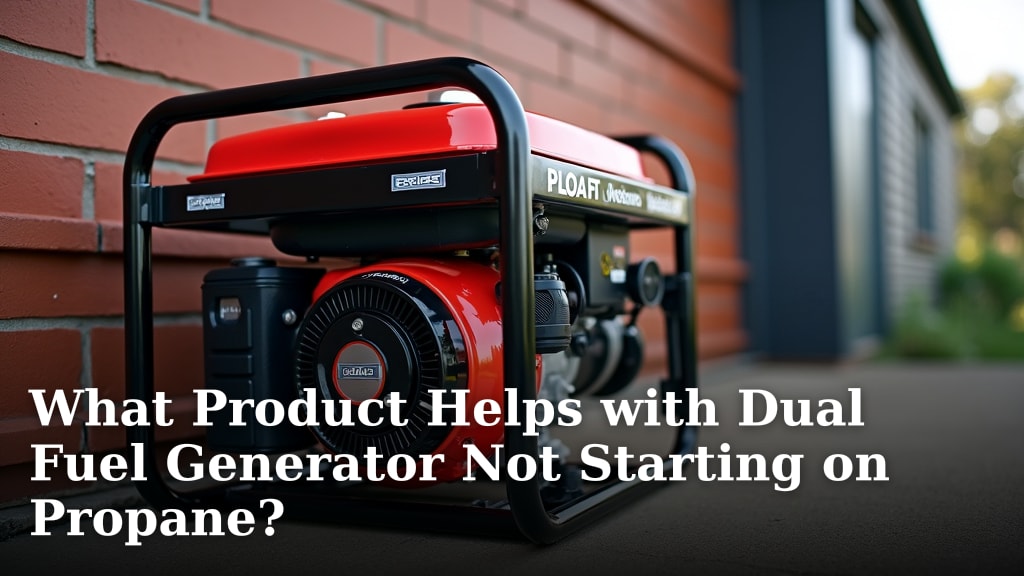
When your dual fuel generator won’t start on propane, it’s usually because of an issue with the propane fuel supply or the generator’s fuel system. The most common culprit is a clogged propane regulator, which prevents gas from reaching the engine. You might also have a problem with the propane tank itself or the fuel line. Learn how to properly connect a dual fuel generator to a propane tank for reliable operation.
Many owners find this frustrating, especially when you need backup power fast. Sometimes it’s a simple fix, like ensuring your propane tank valve is fully open. Other times, it points to a more involved mechanical problem. We’ve researched common causes to help you troubleshoot effectively and get your generator running again.
- Propane regulator issues are common.
- Check your propane tank and fuel line.
- Ensure the tank valve is fully open.
- Dirt or debris can block fuel flow.
- A properly functioning fuel system is key.
Let’s walk through exactly what might be going wrong and how you can fix it so you can get your dual fuel generator humming on propane again.
Troubleshooting Your Dual Fuel Generator When It Won’t Run on Propane
It’s a real bummer when your dual fuel generator decides to act up, especially when you’re counting on it to keep the lights on. If it’s sputtering or refusing to start on propane, don’t panic! We’ve found that most issues boil down to a few common culprits related to how the propane is getting to your engine. Let’s figure out what’s going on and how you can get it back up and running.
Common Propane System Blockages That Stop Your Generator
When your generator won’t start on propane, it often means the propane isn’t reaching the engine properly. Think of your fuel system like a plumbing system. If there’s a clog somewhere, the water (or in this case, propane) can’t get where it needs to go. Many owners find that the problem lies in these common blockage points.
The Propane Regulator: The Most Frequent Offender
The propane regulator is like the gatekeeper for your propane supply. Its job is to reduce the high pressure from your propane tank to a safe, usable pressure for your generator’s engine. If this little device gets clogged or malfunctions, your generator simply won’t get the fuel it needs.
Why Regulators Fail on Propane
You might be wondering, “Why would my regulator stop working?” We found that dirt, debris, or even moisture can get into the propane line and make its way to the regulator. Over time, this gunk can build up and create a blockage. Sometimes, the internal diaphragm inside the regulator can also wear out, affecting its ability to control pressure.
Signs of a Bad Regulator
Besides the generator not starting on propane, you might notice other symptoms if your regulator is the problem. The engine could run rough, lack power, or even shut off unexpectedly. If you smell a faint gas odor, that’s also a sign something isn’t right, and you should investigate immediately. Safety first!
What Product Can Help With a Clogged Regulator?
This is where the “product” question really comes into play. For a clogged regulator, the most straightforward “product” you need is often a replacement propane regulator. They are relatively inexpensive and designed to be swapped out. It’s not a chemical cleaner, but a mechanical part designed to be replaced when it fails.
When you go to buy a replacement, make sure it’s compatible with your generator’s fuel input and output specifications. We found that most standard propane regulators for generators will work, but it’s always best to check your generator’s manual for specific requirements. A quick trip to your local hardware store or an online generator parts supplier should get you what you need.
Other Fuel Line and Connection Issues
Sometimes, the problem isn’t the regulator itself but what’s happening before or after it. We’ve seen many cases where simple connections or debris in the fuel line cause the trouble.
Checking Propane Tank Valve and Hose
This might sound basic, but always double-check that your propane tank valve is fully open. We’ve found that sometimes it’s only partially opened, restricting fuel flow. Also, inspect the propane hose that connects your tank to the generator. Look for any kinks, cracks, or damage. A damaged hose can significantly reduce or stop propane flow.
Obstructions in the Fuel Line
Propane tanks can sometimes have a small amount of debris or residue at the outlet. While less common, this can travel down the line and cause a blockage. If you suspect this, you might need to disconnect the hose from the tank and carefully inspect the connection point. Some experts suggest briefly opening the tank valve while the hose is disconnected to blow out any loose debris (do this outside and away from any ignition sources!).
The Propane Itself: Is It the Problem?
While the generator’s fuel system is usually the culprit, we should also consider the fuel source itself. Are you sure your propane is ready to go?
Is the Propane Tank Empty?
Okay, we know this sounds silly, but it happens! Sometimes, the gauge on your propane tank might be inaccurate, or you might have simply forgotten to refill it. If your generator has been sitting for a while, the propane might have evaporated too. A quick check of the tank’s weight or using a propane tank gauge can tell you if you’re running on empty.
Propane Quality and Temperature
Propane’s performance can be affected by temperature. If it’s very cold outside, the liquid propane might not vaporize properly into gas. Most generators are designed to run on propane at temperatures above freezing. If it’s freezing or below, you might have trouble getting enough vapor to sustain the engine. We found that for very cold weather operations, some specialized propane systems are available, but for typical use, extreme cold can be a factor.
Also, consider the age and quality of your propane. While propane doesn’t really “go bad” in the traditional sense, tanks can sometimes accumulate moisture or impurities. If you’ve refilled your tank recently from a reputable source, this is less likely to be the issue, but it’s worth keeping in mind.
A Checklist for Getting Your Generator Running on Propane Again
To help you systematically tackle this, here’s a quick checklist. We found following these steps can quickly identify the issue for you.
- Confirm Propane Level: Make sure your tank isn’t empty.
- Check Tank Valve: Ensure the propane tank valve is fully open.
- Inspect Hose: Look for any kinks, cracks, or damage to the propane hose.
- Examine Regulator: Listen for hissing. If you suspect the regulator, consider replacing it.
- Test in Warmer Weather: If it’s very cold, propane vaporization might be an issue.
- Verify Generator Setting: Double-check your generator is set to the propane fuel source.
When to Call a Professional
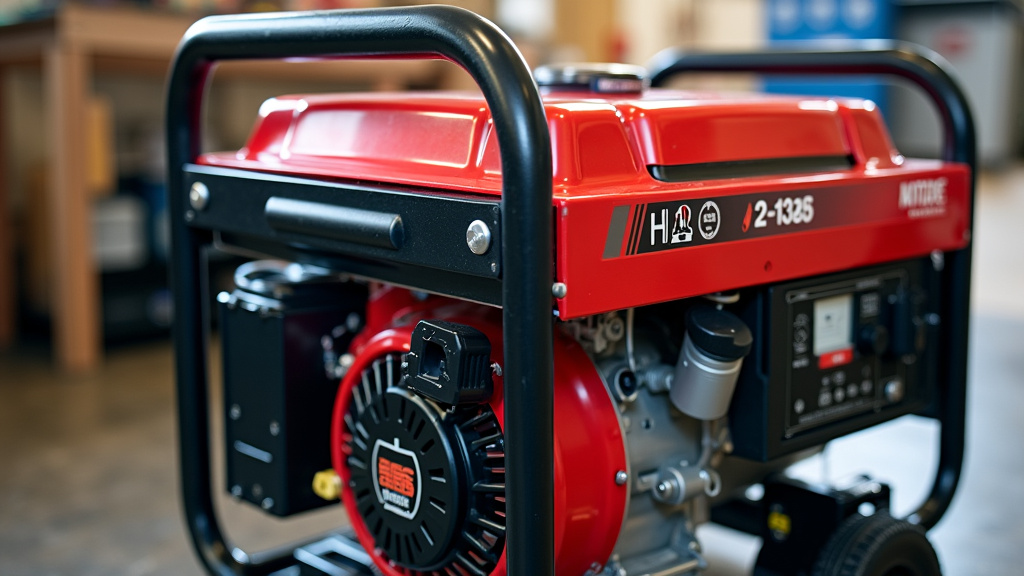
If you’ve gone through these steps and your dual fuel generator still refuses to start on propane, it might be time to call in the experts. There could be a more complex issue with the carburetor, ignition system, or internal fuel delivery components that require specialized tools and knowledge. We recommend consulting your generator’s manual or contacting the manufacturer for advice if you’re unsure about any of the troubleshooting steps.
Conclusion
It’s definitely frustrating when your dual fuel generator won’t kick on using propane. We’ve found that most of the time, the issue isn’t with the generator itself but with the propane delivery system. A clogged regulator is the most common culprit, but don’t forget to check your tank’s valve, fuel hose, and even the propane level itself. Often, a simple fix like replacing a worn regulator or ensuring a clean fuel line gets you back up and running. If you’ve tried these common troubleshooting steps and still face problems, it might be time to consult your manual or a professional technician. Keep these tips handy for your next power outage!
Frequently Asked Questions
What is the most common product that needs replacing when a dual fuel generator won’t start on propane?
We found that the propane regulator is the most frequently replaced part. It’s a small, inexpensive component that can easily become clogged with debris over time, preventing proper fuel flow to your generator’s engine.
Can I use a propane cleaner product to fix a clogged regulator?
Generally, no. Chemical cleaners aren’t typically recommended or effective for propane regulators. The most effective “product” to address a clogged regulator is a replacement regulator designed for your specific generator model.
How do I know if my propane tank is the problem?
First, ensure the tank valve is fully open. If the tank feels unusually light, it might be empty. Sometimes, the gauge can be inaccurate, so checking the weight is a good method. We also recommend ensuring you’re using propane from a reputable source.
Are there specific products for cleaning the propane fuel line?
While specific fuel line cleaners for propane aren’t common, you can often resolve minor obstructions by disconnecting the hose and briefly opening the tank valve outdoors to blow out debris. Inspecting the hose for kinks or cracks is also key.
When should I consider buying a new propane hose instead of just a regulator?
You should consider replacing the propane hose if you notice any physical damage, such as cracks, brittleness, kinks, or leaks. A damaged hose can restrict fuel flow just as much as a bad regulator.
