
What Is the Safest Way to Power an Air Conditioner with a Dual Fuel Generator?
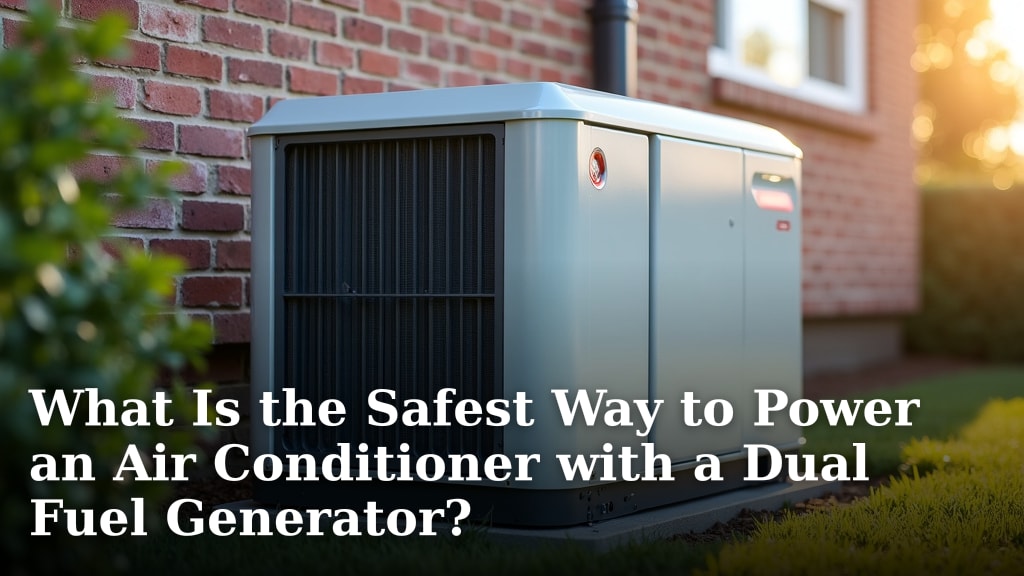
Yes, powering your air conditioner with a dual fuel generator is a safe and effective way to stay cool, provided you take the right steps. The key is matching the generator’s power output to your AC unit’s needs and running it on the correct fuel type for efficiency and safety. This setup can be a lifesaver during power outages.
Dual fuel generators offer flexibility, allowing you to switch between gasoline and propane. Propane is often the preferred choice for AC units due to its cleaner burn and easier storage. Ensuring your generator is properly maintained and your AC unit is in good working order are also essential steps for safe operation. We’ve researched the best practices to keep your home cool and your generator running smoothly.
- Always check your AC’s wattage requirements.
- Match the generator’s running and starting watts.
- Consider propane for cleaner, more efficient AC power.
- Regular generator maintenance is key.
Let’s walk through exactly how to safely connect your air conditioner to your dual fuel generator and keep those cool breezes flowing.
Keeping your home cool during a power outage doesn’t have to be a challenge. When the grid goes down, your air conditioner can still hum along if you’ve got a dual fuel generator ready to go. It might sound like a big step, but with the right knowledge, powering your AC with a dual fuel generator is a safe and smart solution. We’ve gathered the essential information to help you make this work without a hitch.
Safely Powering Your Air Conditioner with a Dual Fuel Generator
Connecting your air conditioner to a dual fuel generator is surprisingly straightforward. The key is understanding your AC’s power needs and your generator’s capabilities. This ensures you don’t overload your generator or your AC unit. Think of it like giving your AC the right-sized drink of power. We found that proper preparation prevents most issues.
Understanding Your Air Conditioner’s Power Needs
Before you even think about starting your generator, you need to know how much power your air conditioner actually uses. This is super important. AC units have two main power ratings: running watts and starting watts. Running watts are what the unit needs to keep cool. Starting watts are the extra jolt needed to kick the compressor on. This is often two or three times the running wattage. You’ll find these numbers on a sticker on your AC unit itself, usually near the power cord. Always check this label!
Running Watts vs. Starting Watts
Let’s break this down. Your running watts are the steady amount of power your AC consumes once it’s up and humming. It’s like the constant energy needed to maintain a cool room. Your starting watts (also called surge watts) are the much higher burst of power needed for a few seconds to get the motor going. This is the most power-hungry part of the AC’s cycle. If your generator can’t handle this initial surge, it can trip a breaker or even damage the unit. We found that underestimating starting watts is a common mistake.
Finding Your AC’s Wattage Requirements
So, where do you find these magic numbers? Look for a label or plate on your air conditioner. It might be on the side, back, or even the front grille. It’s often printed in small text. If you can’t find it, check your owner’s manual. Can’t find the manual? A quick search online using your AC’s model number usually does the trick. Many manufacturers list specifications on their websites. We recommend writing these numbers down so you have them handy.
Matching Generator Output to AC Demand
Once you know your AC’s needs, it’s time to look at your dual fuel generator. You need to ensure your generator can meet both the running and starting wattage requirements. Dual fuel generators offer flexibility, but their peak output might differ slightly depending on the fuel type. Many generators list their wattage for both gasoline and propane. Generally, propane produces slightly less power than gasoline. Always check the generator’s manual for its specific output ratings on each fuel.
Generator Wattage Explained
Generators also have two wattage ratings: continuous (or running) watts and surge (or starting) watts. The continuous watts is the amount of power the generator can supply non-stop. The surge watts is the maximum extra power it can provide for a short time, usually for starting motors like your AC’s compressor. Your generator’s surge watts must be higher than your AC’s starting watts. Its continuous watts must be higher than your AC’s running watts.
The Importance of a Wattage Buffer
It’s not enough to just match the numbers perfectly. Experts often recommend having a buffer of at least 10-20% above your AC’s highest requirement. This prevents the generator from running at its absolute limit all the time. Running a generator at its maximum capacity can shorten its lifespan and increase wear and tear. A buffer also helps if you plan to power other small items along with your AC, like a fan or phone charger. We found that generators with a good buffer run more reliably.
Choosing the Right Fuel: Propane vs. Gasoline
Dual fuel generators give you a choice. For powering an air conditioner, propane often has some distinct advantages. Propane burns cleaner than gasoline. This means less carbon buildup inside your generator’s engine, leading to less maintenance and a longer engine life. It also stores much better than gasoline. Propane tanks can sit for years without degrading, unlike gasoline which can go stale and gum up your generator’s fuel system.
Propane’s Benefits for AC Units
We found that propane is frequently the preferred fuel for sensitive electronics and appliances like air conditioners. Its cleaner burn produces fewer emissions. This can be better for the environment and your immediate surroundings. Also, propane tanks are readily available in various sizes. You can connect larger tanks for extended run times. This is a huge plus during a prolonged power outage. Many people stock up on propane tanks for this very reason. It’s like having a reliable backup energy source ready to go.
Gasoline Considerations
Gasoline is readily available, and most generators produce slightly more power when running on it. However, it requires more care. You need to store gasoline safely, and it has a limited shelf life. If you plan to use gasoline regularly, you’ll need to use fuel stabilizers and rotate your supply. We’ve heard from many users that managing gasoline for long-term storage can be a hassle. For powering an AC unit specifically, propane often takes the crown for ease of use and longevity.
Essential Setup and Safety Procedures
Now that you’ve matched the power and chosen your fuel, it’s time for the actual connection. Safety is the absolute top priority here. Never connect your AC unit directly to the generator without using a proper, heavy-duty extension cord. A standard household extension cord is not designed for the high power draw of an AC unit and can overheat, melt, or even start a fire. We found that using the right cord is non-negotiable.
Selecting the Right Extension Cord
What makes an extension cord “right”? It needs to be rated for outdoor use and have a sufficient gauge (thickness) to handle the amperage of your AC and generator. Look for cords that are 12-gauge or even 10-gauge for best results, especially for longer runs. The cord should also be rated for the total wattage your AC unit requires. Using an underrated cord is a major safety hazard. Think of it as a critical part of the power delivery system, not an afterthought. Always check the cord’s specifications before plugging anything in.
Generator Placement and Ventilation
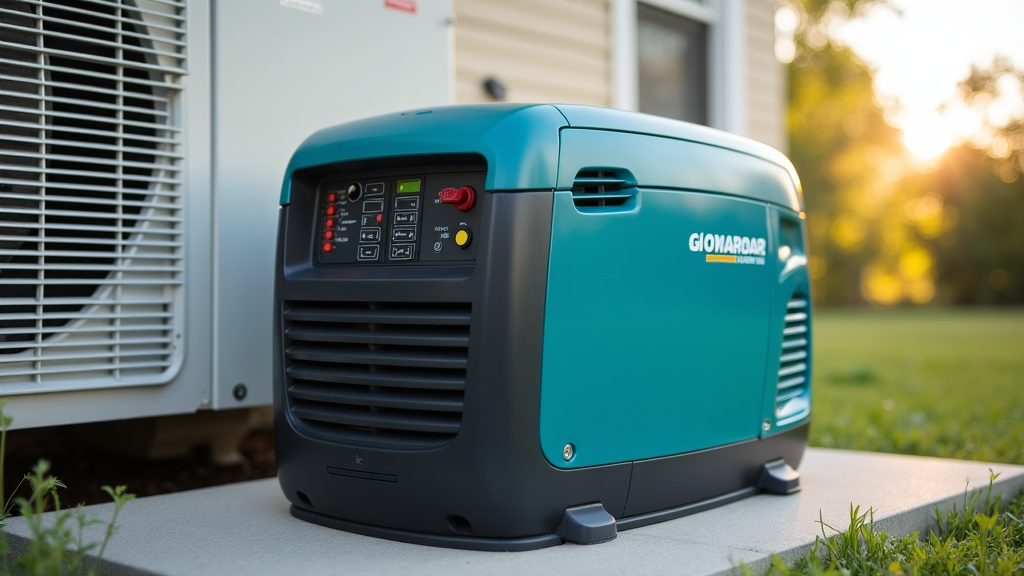
This is a big one: generator exhaust fumes contain carbon monoxide (CO). CO is a colorless, odorless gas that is extremely dangerous and can be deadly. Never, ever run your generator indoors. This includes garages, basements, or even partially enclosed spaces. Place your generator at least 20 feet away from your house, pointing the exhaust away from any windows, doors, or air intakes. We found that many people aren’t fully aware of the CO risk. A portable CO detector inside your home is also a wise investment when running a generator.
Connecting Your Air Conditioner
Once your generator is set up safely outside and has been running for a few minutes to stabilize, you can connect your AC. Plug your heavy-duty extension cord into the generator’s outlet. Then, plug the other end into your air conditioner’s power cord. If you have a window unit, ensure it’s securely installed. For central AC, your generator needs to be connected via a transfer switch installed by a qualified electrician. This prevents backfeeding electricity onto the grid, which is dangerous for utility workers.
Regular Maintenance for Reliable Performance
Your dual fuel generator is like any other machine; it needs regular check-ups to perform reliably. This is especially true if you’re relying on it to power your air conditioner during a heatwave. Check your generator’s manual for its recommended maintenance schedule. This typically includes things like oil changes, air filter cleaning or replacement, and spark plug checks.
Fuel System Care
If you use gasoline, pay attention to fuel storage. As we mentioned, gasoline degrades over time. If your generator has been sitting with fuel in it for months, it’s a good idea to drain the old fuel and clean the carburetor if needed. For propane, simply ensure your tanks are properly sealed and stored. Many people keep a spare propane tank on hand, filled and ready to go. We found that proactive fuel management is key to a quick startup when you need it most.
Pre-Season Checks
Before the summer heat hits, and before any expected power outages, run your generator. Let it run for about 15-20 minutes to ensure everything is working smoothly. Check your AC unit too. Make sure it’s clean and filters are changed. A well-maintained AC unit draws less power, making it easier for your generator to handle. This preparation ensures you’re not scrambling when you suddenly need cool air. It’s the calm before the cool.
Checklist for Safe AC Powering
Here’s a quick rundown to make sure you’re set:
- Confirm AC Wattage: Note both running and starting watts.
- Generator Match: Ensure generator’s surge and running watts exceed AC needs.
- Fuel Choice: Prefer propane for cleaner, stable power.
- Heavy-Duty Cord: Use an outdoor-rated, thick gauge extension cord.
- Safe Location: Always run the generator outdoors, away from openings.
- Test Run: Perform a test run before you desperately need it.
Conclusion
You’ve got the knowledge to safely power your air conditioner with a dual fuel generator! Remember, it’s all about matching your AC’s power needs with your generator’s output, especially considering those critical starting watts. Choosing propane often offers a cleaner, more reliable fuel source for your AC. Always use the right heavy-duty extension cord and place your generator outdoors, far from any openings, to avoid dangerous carbon monoxide. By following these steps and performing regular maintenance, you can ensure your generator keeps you cool and comfortable when you need it most. Now, go ahead and get your generator ready for the next power outage!
Frequently Asked Questions
Can I run my central air conditioner with a dual fuel generator?
Yes, you can run a central air conditioner, but it requires a transfer switch professionally installed by an electrician. This safety device prevents dangerous backfeeding of electricity to the power grid. You’ll also need a generator with enough wattage to handle the central AC unit’s high starting and running demands.
What happens if my generator’s wattage is too low for my AC?
If your generator’s starting watts aren’t high enough, the AC compressor won’t start, and the generator’s circuit breaker will likely trip. If the running watts are too low, the AC will struggle to run or shut off frequently. This can damage both your AC unit and the generator over time.
How often should I run my generator to keep it in good condition?
It’s recommended to run your dual fuel generator for about 15-20 minutes once a month, even if you aren’t using it for power. This helps keep the engine lubricated, charges the battery, and ensures the fuel system is working properly, making it ready when you need it.
Is it safe to run a generator in my garage if I open the door?
No, it is never safe to run a generator inside a garage, even with the door open. Exhaust fumes contain deadly carbon monoxide, which can quickly build up to dangerous levels. Generators must always be operated outdoors and at least 20 feet away from your home.
Can I power other small appliances along with my air conditioner?
You can power small items like fans or phone chargers if your generator has enough extra wattage. Always calculate the total running and starting watts needed for your AC and any other devices. Remember to leave a buffer to avoid overloading the generator and ensure reliable operation.
