
What Is the Safest Way to Connect a Dual Fuel Generator to a Propane Tank?
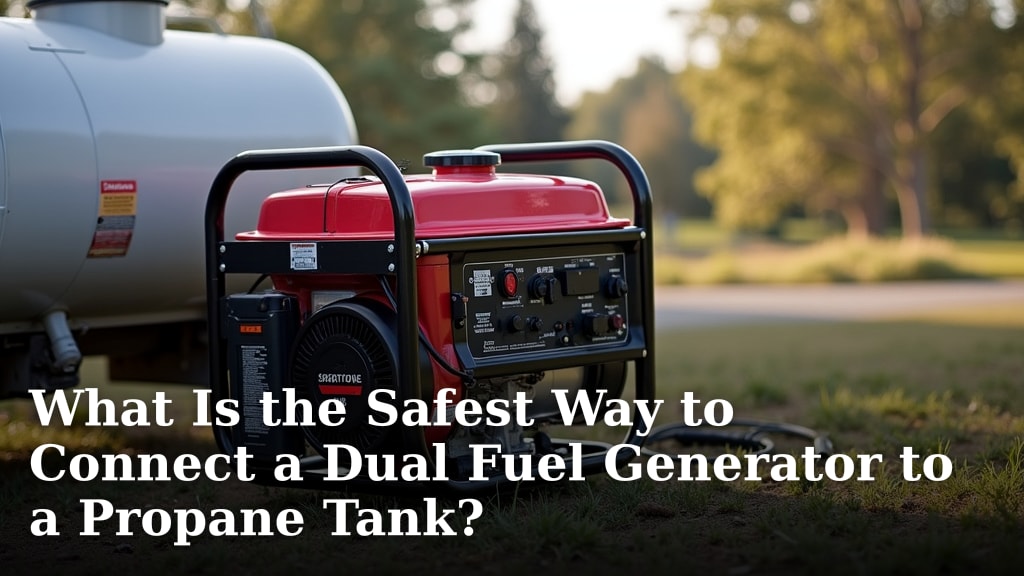
The safest way to connect a dual fuel generator to a propane tank involves using a certified propane hose and regulator kit, ensuring all connections are tight and leak-free, and always operating the generator in a well-ventilated outdoor area.
You want your generator ready when the power goes out, right? We know safety is your top priority when dealing with fuel. Choosing the correct parts and following the right steps helps you avoid dangerous situations like gas leaks or fires. Many experts say that proper installation is key for peace of mind.
- Always use approved connection kits.
- Check for leaks with a soapy water solution.
- Ensure good ventilation.
- Never operate indoors.
Let’s walk through exactly how to safely connect your dual fuel generator to a propane tank, step by step, so you can be prepared for anything.
Connecting Your Dual Fuel Generator to Propane Safely
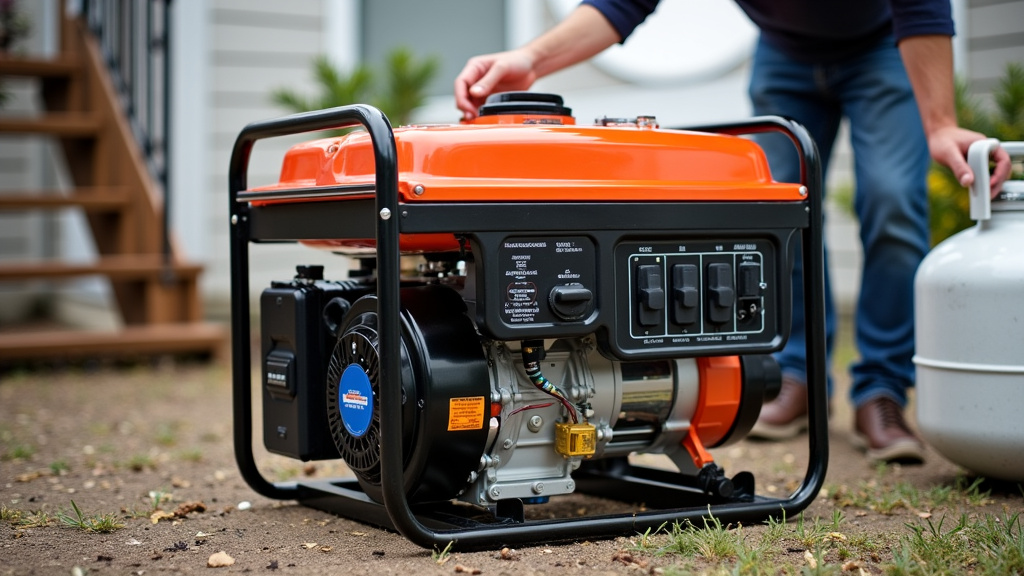
Connecting your dual fuel generator to a propane tank safely means using the right equipment and following a careful process. This ensures your generator works well and protects you from hazards.
You want to avoid gas leaks or other dangers. Taking your time with each step is key. Many experts agree that preparedness starts with proper setup.
Understanding Dual Fuel Generators
What exactly is a dual fuel generator? It’s a versatile machine that can run on two different types of fuel. Usually, this means gasoline or propane.
This flexibility is a huge benefit. If one fuel type is hard to get, you have another option. Propane offers some distinct advantages, which we’ll discuss next.
Why Choose Propane for Your Generator?
Propane is a popular choice for generator fuel, and for good reason. It has several benefits compared to gasoline.
- Longer Shelf Life: Propane doesn’t degrade over time like gasoline. You can store it for years without worry.
- Cleaner Burning: It burns more cleanly, which means less carbon buildup on your engine. This can extend your generator’s lifespan.
- Easier Storage: Propane tanks are sealed and less prone to spills or evaporation. They are also safer to store than gasoline cans.
- Reduced Fumes: Propane produces fewer harmful fumes during operation. This is still not safe for indoor use, but it’s a benefit for outdoor air quality.
However, you need more propane to produce the same amount of energy as gasoline. This means you might need larger or more tanks for extended use.
Essential Equipment for a Safe Connection
Before you even think about connecting anything, gather all the necessary items. Having the right tools and parts on hand makes the process smooth and safe.
Don’t cut corners here. Using incorrect or damaged parts can lead to serious problems. Your safety depends on using certified equipment.
The Propane Hose and Regulator Kit
This is arguably the most critical piece of equipment. You need a certified propane hose and regulator kit. This isn’t just any old hose.
The regulator reduces the high pressure from the propane tank to a safe, usable level for your generator. Without it, the flow would be too strong.
Make sure the hose is specifically designed for propane and is the correct length. Avoid using extension hoses, as they can cause pressure drops or leaks. Look for UL or CSA certifications on the packaging.
Other Important Items to Have
- Wrench: An adjustable wrench or a pipe wrench to ensure connections are tight.
- Soapy Water Solution: A spray bottle filled with dish soap and water is your best friend for leak detection.
- Gloves: Protect your hands during the process.
- Flashlight: Handy for checking connections, especially in low light.
- Generator Manual: Always keep your owner’s manual nearby. It contains specific instructions for your model.
Step-by-Step Connection Process
Now, let’s walk through the actual connection. Take your time, read each step carefully, and don’t rush. This isn’t a race.
Remember, safety first. If something feels off, stop and re-evaluate.
Preparation is Key
Before you start, make sure your generator is in the correct location. It must be outdoors and at least 20 feet away from your home or any openings like windows or doors (CDC).
Place your propane tank on a stable, level surface. The generator should be off, and any fuel valves should be closed. Ensure there are no open flames or sparks nearby.
Connecting the Regulator to the Propane Tank
Take your regulator and connect it to the propane tank valve. Most tanks use a standard ACME nut connection, which you turn clockwise to tighten.
Hand-tighten first, then use your wrench for a final snug turn. Do not overtighten, as this can damage the valve or the regulator’s O-ring. A firm twist is all you need.
Attaching the Hose to the Generator
Next, connect the other end of the propane hose to your generator’s propane inlet. This connection typically has a quick-connect fitting or a threaded connection.
Again, hand-tighten first, then use a wrench to make it secure. Confirm it’s fully seated and cannot be easily pulled off.
Crucial Leak Detection Procedures
This step is absolutely non-negotiable. You must check for leaks before operating your generator. Skipping this step is a major safety risk.
Gas leaks are dangerous and can lead to fires or explosions. A simple soapy water solution is incredibly effective here.
The Soapy Water Test
With all connections made and snug, slowly open the propane tank valve. You should hear a slight hiss as the gas flows into the hose and regulator.
Spray your soapy water solution generously over all connection points: where the regulator meets the tank, and where the hose meets the generator. Watch closely.
If you see bubbles forming, you have a leak. This means the connection is not tight enough, or there’s a fault with a seal. Close the propane tank valve immediately.
If you find a leak, tighten the connection a little more and re-test. If the leak persists, you may need to replace a faulty hose or regulator. Do not operate the generator until all leaks are resolved.
Operating Your Generator Safely on Propane
Once you’ve confirmed there are no leaks, you’re ready to start your generator. But remember, safe operation continues even after the connection is made.
Always follow your generator’s starting procedures as outlined in the manual. They vary slightly between models.
Important Safety Reminders During Operation
- Never Indoors: We can’t stress this enough. Generators produce carbon monoxide, a colorless, odorless, and deadly gas. Always operate outside.
- Proper Ventilation: Even outdoors, ensure good airflow. Don’t place the generator under an overhang or in an enclosed patio.
- Keep it Dry: Protect your generator from rain or wet conditions. Consider a generator cover or canopy designed for outdoor use.
- Refueling: Always turn off the generator and let it cool before attempting to refuel (if using gasoline as well). For propane, simply ensure the valve is off before disconnecting or replacing tanks.
- Carbon Monoxide Detectors: Place CO detectors in your home, especially if you’re running a generator. They are lifesavers. Many sources, like the NIH, emphasize their importance.
Maintenance and Storage Tips
Proper care extends the life of your equipment and keeps you safe. A little maintenance goes a long way.
After each use, or before storing your generator, take a few minutes to inspect everything.
Checking Your Propane Connection Components
Before storing, disconnect the propane tank and hose. Visually inspect the hose for any cracks, fraying, or damage. Check the regulator for any signs of wear.
If anything looks suspect, replace it. Hoses and regulators don’t last forever. Replace them according to the manufacturer’s recommendations or if you see any damage.
Store your propane tanks upright, outdoors, and away from direct sunlight or heat sources. Keep them in a well-ventilated area.
Your Generator Connection Checklist
Here’s a quick checklist to ensure you’ve covered all the bases for a safe propane connection:
- Generator placed outdoors, at least 20 feet from your home.
- Generator is turned off and cool.
- Propane tank valve is closed before connecting.
- Certified propane hose and regulator kit is ready.
- Regulator securely connected to the propane tank.
- Hose securely connected to the generator’s inlet.
- Soapy water test performed, and no bubbles found.
- Carbon monoxide detectors are working inside your home.
Conclusion
You now have the knowledge to safely connect your dual fuel generator to a propane tank. By using certified equipment and performing a thorough leak check, you protect yourself and your loved ones. Remember, your generator should always operate outdoors with plenty of ventilation. Following these steps ensures your generator is ready when you need it most. So, take these safety measures seriously for reliable, worry-free power.
Frequently Asked Questions
What size propane tank should I use for my dual fuel generator?
The right size propane tank depends on your generator’s power output and how long you need to run it. Smaller generators might use 20-pound tanks, while larger units or extended run times benefit from 40-pound or larger tanks. Check your generator’s manual for specific fuel consumption rates.
Can I use a longer propane hose with my generator?
It’s best to avoid using extension hoses or hoses longer than recommended by your generator’s manufacturer. Longer hoses can lead to pressure drops, reducing your generator’s efficiency. They also increase the risk of leaks or damage, which compromises safety.
How often should I check my propane hose and regulator for damage?
You should visually inspect your propane hose and regulator before each use. Look for cracks, fraying, kinks, or any signs of wear. Even if you don’t use your generator often, a yearly inspection is a good idea. Replace any damaged components immediately.
What should I do if I smell propane while my generator is running?
If you smell propane, immediately shut off the propane tank valve and turn off your generator. Do not attempt to find the leak while the generator is running. Move away from the area, ensure good ventilation, and then carefully re-check all connections with soapy water to locate the leak.
Is it safe to store my propane tank right next to my generator?
No, it’s not safe to store your propane tank directly next to your generator, especially when operating. Always maintain a safe distance between the tank and the running generator. Heat from the generator could be dangerous for the pressurized tank. Store tanks upright in a well-ventilated outdoor area, away from ignition sources.
