
What Do You Need to Choose Propane Tank Size for a Generator?
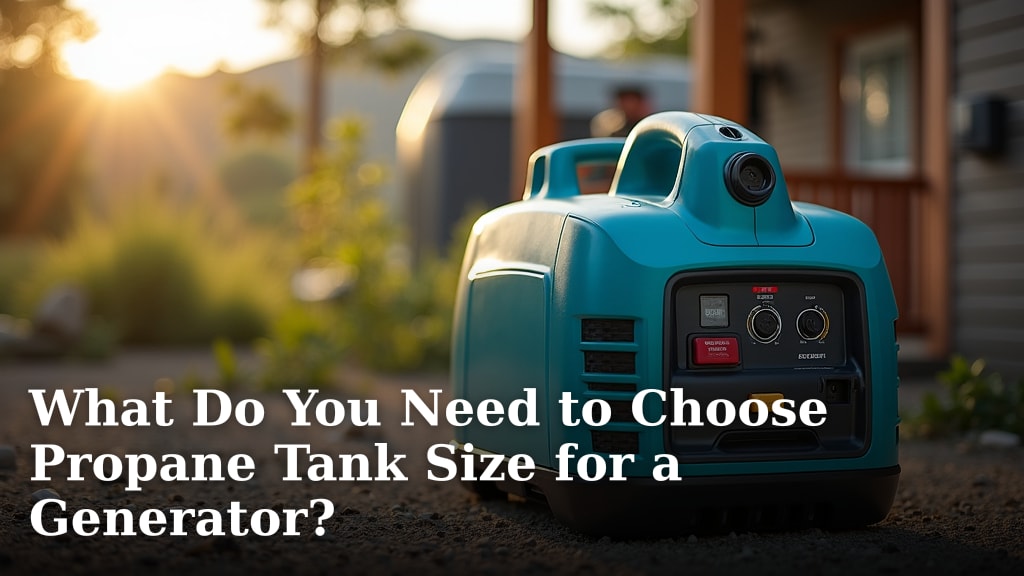
Choosing the right propane tank size for your generator is all about matching the tank’s capacity to your generator’s fuel consumption and how long you need it to run. You’ll need to consider your generator’s BTU output or wattage and the specific propane tank size, typically measured in gallons or pounds, to ensure adequate runtime without constant refilling. A good rule of thumb is to think about how many hours you anticipate needing power and compare that to the tank’s estimated run time. You’ll need to consider your generator’s BTU output or wattage and the specific propane tank size to ensure adequate runtime.
Understanding your generator’s fuel usage is key. While some generators list their consumption in gallons per hour, others might use BTU (British Thermal Units). Propane tanks come in various sizes, from small 20-pound tanks often used for grills to much larger 500-gallon tanks for whole-house generators. Making the right choice means balancing portability, refill frequency, and the overall cost of propane. Many folks find a 100-pound propane tank offers a good balance for extended home backup power.
- Determine your generator’s fuel needs.
- Check available propane tank sizes.
- Calculate your desired runtime.
- Match tank size to consumption for convenience.
Let’s break down what you need to consider to pick the perfect propane tank size for your generator, ensuring you have reliable power when you need it most. Let’s break down what you need to consider to pick the perfect propane tank size for your generator, ensuring you have reliable power when you need it most.
Conclusion
You’ve learned that picking the right propane tank for your generator isn’t complicated. It’s about understanding your generator’s needs and how long you expect to run it. We found that balancing BTU output or wattage with tank capacity and desired runtime is key. This helps you avoid unexpected run-outs during an outage. For most home backup needs, a 100-pound tank often hits that sweet spot. Now, take a moment to check your generator’s specs and consider your typical power usage. This will guide you to the most convenient and reliable propane tank solution for your peace of mind.
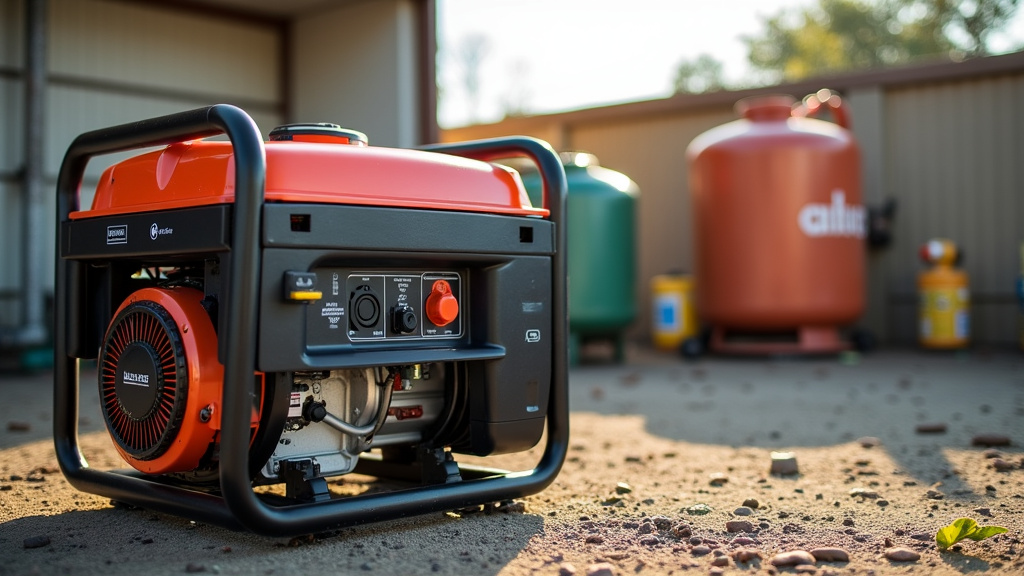
Frequently Asked Questions
How do I find my generator’s propane consumption rate?
Your generator’s manual is the best place to find its propane consumption rate. It might be listed in gallons per hour or BTUs per hour. If you can’t find the manual, a quick online search with your generator’s model number usually helps.
Can I use a small propane tank, like those for a grill, with my generator?
While technically possible, small grill-sized tanks (like 20-pounders) are not ideal for most generators. They simply don’t hold enough propane for a decent runtime. You’ll find yourself refilling them very frequently, which can be inconvenient during a power outage.
What is the difference between propane tank sizes measured in pounds versus gallons?
Propane tanks are commonly sold by weight, measured in pounds. A 100-pound tank, for example, refers to the weight of the propane inside. Gallon measurements refer to the liquid volume the tank can hold. You can roughly convert between them; a 20-pound tank holds about 4.7 gallons of propane.
How often will I need to refill a 100-pound propane tank?
This depends entirely on your generator’s fuel consumption and how long you run it. A larger generator running for many hours will deplete a 100-pound tank faster than a smaller one used intermittently. It’s best to check your generator’s runtime estimate for a given tank size.
Is it better to buy larger propane tanks or rent them for my generator?
For regular backup power needs, owning larger tanks (like 100-pound or even larger stationary tanks) is usually more cost-effective in the long run. Renting might seem appealing upfront but can become more expensive over time. Consider your expected usage frequency and duration when making this decision.
