
What Do You Need to Check Generator Carbon Monoxide Safety?
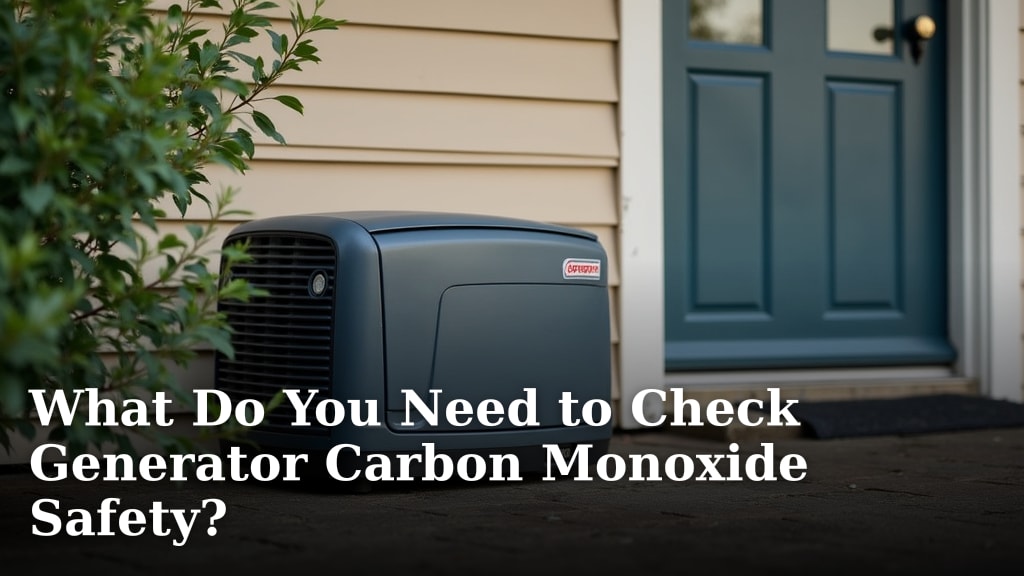
To ensure generator carbon monoxide safety, you need to focus on proper installation, adequate ventilation, and the consistent use of carbon monoxide detectors. Running your generator outdoors and far away from windows and doors is essential. Always follow the manufacturer’s instructions for safe operation and maintenance to prevent dangerous CO buildup.
Carbon monoxide, or CO, is a deadly, odorless gas produced by fuel-burning engines like generators. Failing to take precautions can lead to serious injury or death. Understanding these basic safety steps can help you avoid the risks associated with generator use, especially during power outages or outdoor events.
- Never run a generator indoors or in an enclosed space.
- Always place generators outdoors, at least 20 feet away from your home.
- Install battery-operated or battery-backup CO alarms on every level of your home.
- Test your CO alarms monthly and replace them according to the manufacturer’s instructions.
- Have your generator serviced regularly by a qualified technician.
Ready to learn the specific checks and habits that keep you and your loved ones safe from generator CO? Let’s walk through exactly what you need to do.
“`htmlEnsuring Generator Carbon Monoxide Safety
Carbon monoxide (CO) is a silent killer. You can’t see it, smell it, or taste it. That’s why it’s so important to take generator CO safety seriously. Running your generator improperly can quickly fill your home or surrounding areas with this dangerous gas.
Understanding the Risks of Carbon Monoxide
Carbon monoxide is produced when any fuel-burning engine, like a generator, doesn’t burn fuel completely. Think of it like a car exhaust – it’s full of CO. When this gas builds up in enclosed or poorly ventilated spaces, it can be deadly.
How Carbon Monoxide Affects Your Body
When you breathe in CO, it enters your bloodstream and prevents your red blood cells from carrying oxygen. This is why it’s often called the “silent killer.” Your body, especially your brain and heart, needs oxygen to function. Without enough oxygen, you can suffer serious harm.
Symptoms often start mild. You might feel a headache, dizziness, nausea, or fatigue. These are easy to dismiss as the flu or food poisoning. But if exposure continues, symptoms worsen. You could experience confusion, vomiting, chest pain, loss of consciousness, and even death (CDC).
Why Generators Are a CO Risk
Generators are incredibly useful, especially during power outages. However, they are essentially a small engine designed to run outdoors. When you bring that engine indoors or too close to your home, you’re creating a direct pathway for CO to enter spaces where people are breathing.
Essential Generator Placement and Ventilation
Where you put your generator is the single most critical factor in preventing CO poisoning. This isn’t just a suggestion; it’s a life-saving rule. Many experts and safety organizations stress this point above all others.
The “Outdoors and Away” Rule
Always, and we mean always, operate your generator outdoors. Never, ever run it inside your home, garage, basement, crawlspace, or any enclosed area. Even leaving a door or window open won’t provide enough ventilation to safely remove the CO.
The U.S. Consumer Product Safety Commission (CPSC) recommends placing your generator at least 20 feet away from your home. This distance helps ensure that exhaust fumes are carried away by the wind and don’t get drawn back into your house. You also need to position it so the exhaust is pointing away from any doors, windows, or vents.
Considering Wind Direction
Wind can be tricky. If the wind is blowing towards your home, even a generator placed 20 feet away might still pose a risk. Try to find a spot where natural air currents will carry the exhaust away from your living space. If possible, check the wind direction before you start the generator and during its operation.
Ventilation for Attached Structures
What about sheds or attached garages? These are still considered enclosed spaces. Generators should never be run inside them, even if the main door is open. The exhaust can easily enter the main house through any small cracks or openings.
The Importance of Carbon Monoxide Detectors
Even with the best placement, having working carbon monoxide detectors in your home is your essential backup safety net. Think of them as your early warning system for this invisible threat.
Types of CO Detectors
There are a few types to consider:
- Battery-Operated CO Alarms: These run solely on batteries. They are great for areas without easy access to power or as a backup if your main power goes out.
- Plug-In CO Alarms with Battery Backup: These plug into a standard electrical outlet but have a battery backup. This is often the preferred choice because they have a continuous power source but will still function during a power outage.
- Smart CO Alarms: Some newer models connect to your Wi-Fi and can send alerts to your smartphone if CO is detected.
We found that many experts recommend having both plug-in models with battery backup and at least one battery-operated unit for full coverage.
Where to Install Your CO Detectors
Placement is key for detectors too. You need them where they can do their job effectively:
- Install a CO detector on every level of your home.
- Place one outside each sleeping area, so you’re alerted if CO is present while you’re asleep.
- Keep detectors away from vents, furnaces, fireplaces, and appliances that produce combustion byproducts. These can sometimes cause false alarms.
- Don’t place them too close to kitchens or bathrooms where normal cooking or steamy showers might trigger them.
Many guidelines suggest at least 15-20 feet away from potential false alarm sources (Mayo Clinic).
Testing and Maintenance
A detector is only useful if it works! Make it a habit to test your CO detectors monthly. Most have a test button. Press it and listen for the alarm sound.
Also, check the manufacturer’s instructions for replacement. CO detectors don’t last forever. They typically need to be replaced every 5 to 10 years. Write the installation date on the detector itself to help you remember.
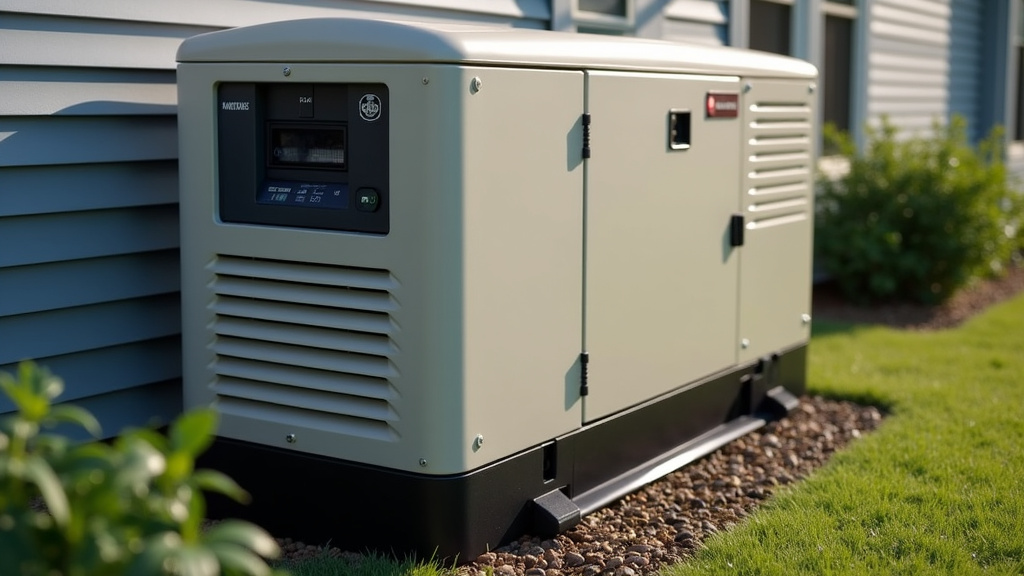
Generator Maintenance and Safe Operation Practices
Keeping your generator in good working order is also part of its safe operation. A well-maintained generator is less likely to malfunction and produce excessive CO.
Regular Servicing
Just like your car, your generator needs regular maintenance. Follow the manufacturer’s schedule for oil changes, filter replacements, and tune-ups. If you’re not comfortable doing this yourself, have a qualified technician service your generator annually.
Fuel Safety
Store fuel for your generator safely and properly. Keep it in approved containers away from living areas and any ignition sources. Never refuel a generator when it’s hot or running. Let it cool down completely first.
Using Transfer Switches
For connecting your generator to your home’s electrical system, use a transfer switch. This safely disconnects your home from the utility power grid while the generator is in use. This prevents “backfeeding,” which can be deadly to utility workers and damage your generator and home wiring.
Quick Safety Checklist for Generator Use
Here’s a quick rundown of what to check before and during generator use:
- Generator Location: Is it outdoors and at least 20 feet from the house?
- Exhaust Direction: Is the exhaust pointing away from windows, doors, and vents?
- CO Detectors: Are they installed on every level, tested monthly, and functional?
- Fuel Storage: Is fuel stored safely in approved containers away from ignition sources?
- Transfer Switch: Are you using a properly installed transfer switch for home connections?
- Owner’s Manual: Have you read and understood the generator’s specific operating manual?
By following these steps, you’re building a strong defense against the dangers of carbon monoxide. It takes a little planning, but the peace of mind and safety of your loved ones are absolutely worth it.
“`Conclusion
You’ve learned that generator carbon monoxide safety is all about smart placement and reliable detection. By always operating your generator outdoors and a safe distance away from your home, you drastically reduce the risk. Pairing this with functioning carbon monoxide detectors on every level gives you critical early warnings. Don’t forget regular generator maintenance and safe fuel handling for overall protection. Take one extra step today: test all your carbon monoxide detectors to ensure they’re ready.
Frequently Asked Questions
How close is too close when placing a generator to my house?
You should place your generator at least 20 feet away from your home. This distance helps ensure that the carbon monoxide fumes are carried away by the wind and don’t drift back into your living spaces.
What should I do if my carbon monoxide detector goes off?
If your CO detector sounds, evacuate everyone from your home immediately. Once safely outside, call 911. Do not try to re-enter your home until emergency responders have cleared it.
Can I run a generator in my garage if the door is open?
No, you should never run a generator in a garage, even with the door open. Garages are considered enclosed spaces, and CO can build up rapidly and enter your home through any small openings.
How often do I need to replace carbon monoxide detectors?
Carbon monoxide detectors have a lifespan, typically 5 to 10 years. Always check the manufacturer’s instructions and replace them according to their recommendations to ensure they are functioning correctly.
What’s the best type of carbon monoxide detector to buy?
Many experts recommend using plug-in models with battery backup for continuous protection, especially during power outages. Having at least one battery-operated unit on each level also provides excellent coverage.
