
What Do You Need to Change Oil in a Dual Fuel Generator?
To change oil in a dual fuel generator, you typically need a wrench for the drain plug, an oil drain pan, a funnel, and the correct type and amount of new engine oil, plus a new oil filter if your model uses one.
You’re giving your generator some much-needed love. Regular oil changes are super important for keeping your dual fuel generator running smoothly. They help protect its engine components, especially important for those emergency power moments. We found that using the right tools makes the job much easier and less messy.
- Gather the right tools and supplies.
- Understand your generator’s specific oil requirements.
- Safety first: always work on a cool, unplugged generator.
- Properly dispose of old oil.
Ready to get your hands a little dirty (but not too dirty, we hope)? Let’s walk through exactly what you need and how to tackle this important maintenance task step by step.
Essential Tools and Supplies for Your Generator Oil Change
Changing the oil in your dual fuel generator doesn’t require a mechanic’s garage full of tools. You probably have many of these items already. We found that having everything ready before you start makes the process much smoother and prevents frustrating pauses.
The Must-Have Tools
First things first, let’s talk about the essentials. You’ll need a few basic tools to get the job done right. These items are pretty standard for any small engine maintenance.
Wrench for the Drain Plug
You’ll need a wrench to remove the oil drain plug. The size can vary, so it’s a good idea to check your generator’s manual first. Sometimes, a socket wrench set works best, offering more grip. A properly sized wrench prevents stripping the bolt head, which is something nobody wants.
Oil Drain Pan
This is non-negotiable! An oil drain pan will catch the old, dirty oil. You want one large enough to hold all the old oil without overflowing. Most generator engines hold about 1 to 2 quarts of oil. We found that a pan with a spout makes emptying easier. This keeps your workspace clean and tidy.
Funnel
When it’s time to add new oil, a funnel is your best friend. The oil fill port on generators can be small and awkward to reach. A funnel helps you pour new oil without spills. Look for one with a flexible neck or extension if possible, as it can make things much easier.
Rags or Shop Towels
Oil changes can get a little messy, even when you’re careful. Keep a good supply of rags or shop towels handy. They’re great for wiping up drips, cleaning tools, and generally keeping things neat. Old t-shirts or dedicated shop towels work perfectly here.
Consumables: Oil and Filters
Beyond the tools, you’ll need new fluids. This is where getting the right stuff is crucial for your generator’s longevity. Using the wrong oil can cause big problems down the road, and we definitely want to avoid that.
The Right Engine Oil
This is perhaps the most important supply. Your generator’s manual will specify the exact type and weight of oil it needs. For example, many generators use SAE 30 or 10W-30 oil. It’s also important to use oil specifically designed for small engines or four-stroke engines. Automotive oil might not have the right additives for your generator’s needs (Briggs & Stratton Power Products Group recommends checking your manual for specific oil requirements).
Oil Filter (If Applicable)
Not all dual fuel generators have an oil filter. Many smaller models use a splash lubrication system without a filter. However, larger, more powerful generators often do. If yours has one, you’ll need a new oil filter specifically designed for your generator’s make and model. Check your manual to confirm if a filter change is part of your maintenance routine. We found that changing the filter with every oil change is a good practice for generators that have them.
Safety Gear and Helpful Extras
Safety first, always! And a few extra items can just make the whole process smoother and more comfortable.
Gloves
Protecting your hands from old oil is a good idea. Nitrile or latex gloves work well. They keep your hands clean and prevent skin contact with used oil, which can contain contaminants. Plus, it just makes cleanup easier for you.
Safety Glasses
Splashes can happen. A stray drop of oil in your eye is unpleasant and easily avoidable. Wearing safety glasses or goggles is a simple step to protect your vision. It’s a small effort for big peace of mind.
Plastic Sheeting or Cardboard
To protect your garage floor or driveway, lay down some plastic sheeting or old cardboard. This creates an extra layer of protection against spills or drips. It’s much easier to dispose of a piece of cardboard than to scrub an oil stain off concrete.
Understanding Your Generator’s Oil Needs
Before you even think about buying oil, you must consult your owner’s manual. We can’t stress this enough. Every generator is a little different.
Oil Type and Viscosity
Your manual will tell you the exact oil type, like conventional, synthetic blend, or full synthetic. It will also specify the viscosity, such as 10W-30 or 5W-30. The correct viscosity ensures proper lubrication in various temperatures. Using the wrong type can lead to poor performance and engine wear. Many manufacturers even include a temperature chart to help you choose the best oil for your climate.
Oil Capacity
Knowing how much oil your generator holds is important. This prevents overfilling or underfilling, both of which are bad for the engine. Most portable generators hold between 0.5 to 1.5 quarts (about 0.5 to 1.4 liters). We’ve found that having a measurement on your oil drain pan can be very helpful here, or simply measuring carefully as you pour.
Here’s a quick overview of what you’ll likely need:
| Category | Item | Purpose |
|---|---|---|
| Tools | Wrench (for drain plug) | Loosening/tightening the drain bolt |
| Tools | Oil Drain Pan | Collecting used oil |
| Tools | Funnel | Pouring new oil without spills |
| Consumables | New Engine Oil | Lubricating the engine (specific type/weight) |
| Consumables | New Oil Filter | Filtering oil (if your model has one) |
| Safety/Cleanup | Rags/Shop Towels | Wiping up spills and cleaning |
| Safety/Cleanup | Gloves | Protecting hands from oil |
| Safety/Cleanup | Safety Glasses | Protecting eyes from splashes |
| Safety/Cleanup | Plastic Sheeting/Cardboard | Protecting your work area |
Your Oil Change Checklist
Before you get started, use this quick checklist to ensure you have everything on hand. A little preparation goes a long way to making this a quick and painless task.
- Confirm generator is cool and unplugged.
- Locate your generator’s owner’s manual.
- Gather the correct wrench for the drain plug.
- Ensure your oil drain pan is ready and large enough.
- Have your new, correct type of engine oil.
- Grab a new oil filter if your generator uses one.
- Have rags, gloves, and safety glasses nearby.
Having this list handy means you won’t be scrambling mid-task. We’ve seen how frustrating it can be to start a job only to realize you’re missing a key item. This preparation takes just a few minutes but saves a lot of hassle.
Conclusion
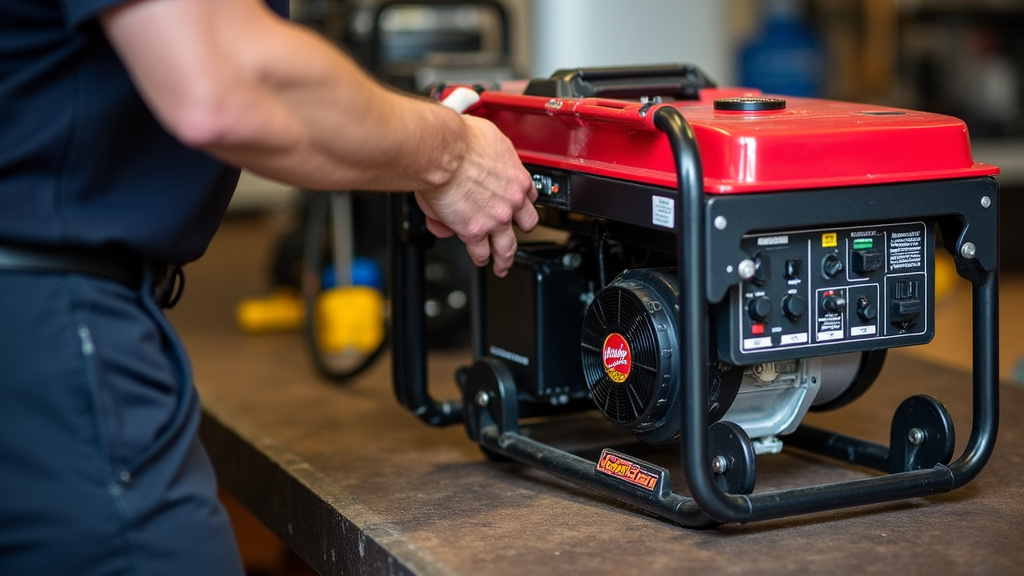
You’ve seen that changing the oil in your dual fuel generator is a straightforward task when you have the right gear. We’ve walked through everything from the specific wrench for your drain plug to the crucial oil drain pan and the right type of new oil.
Taking these steps ensures your generator remains a reliable power source, protecting its engine and extending its lifespan. We found that a little preparation makes all the difference for a smooth, mess-free oil change.
Now, grab your manual, gather your tools, and give your generator the care it deserves. You’ve got this!
Frequently Asked Questions
How often should you change the oil in a dual fuel generator?
Most manufacturers recommend changing the oil after the first 20-25 hours of use, then every 50-100 hours or annually, whichever comes first. Always check your generator’s specific owner’s manual for precise intervals.
Can I use car oil in my dual fuel generator?
It’s generally not recommended. While some automotive oils might seem similar, generator engines have different demands. We found that using oil specifically formulated for small engines or four-stroke engines provides the best protection and performance.
What happens if I don’t change my generator’s oil?
Skipping oil changes can lead to premature engine wear, reduced performance, and even engine failure. Old oil loses its lubricating properties and can cause carbon buildup, seriously damaging internal components over time.
How do I dispose of old generator oil properly?
Never pour used oil down the drain or on the ground. You should collect it in a sealed container and take it to an auto parts store, a recycling center, or a hazardous waste facility. Many places offer free used oil recycling. Our guide also explains how to properly dispose of old oil to protect the environment.
Do all dual fuel generators have an oil filter?
No, not all dual fuel generators come with an oil filter. Many smaller portable models rely on splash lubrication without a filter. Larger, more powerful generators are more likely to have one. Always check your owner’s manual to confirm if your model has a filter and if it needs changing.
