
What Causes Generator Starting Then Shutting Off?
Your generator starts and then quickly shuts off because of a few common issues. It’s often related to the fuel supply, an airflow problem, or a safety shutdown mechanism kicking in. These are usually quick fixes for most generator owners.
This frustrating situation can leave you wondering if your generator is permanently broken. We found that issues like a clogged fuel filter or a blocked air intake are frequent culprits. Sometimes, a sensor is just being overly cautious, shutting the engine down to prevent damage. Don’t panic just yet!
- Fuel problems: Low fuel or a clogged filter.
- Airflow issues: Blocked air intake or exhaust.
- Safety shutdowns: Oil level or engine overload.
- Spark plug issues: A dirty or damaged spark plug.
- Carburetor problems: It might need cleaning or adjustment.
Let’s walk through why your generator might be doing this and how you can get it running smoothly again.
Why Your Generator Stops After Starting
It can be really frustrating when your generator sputters to life, runs for a moment, and then dies. You might be depending on it for power, and this behavior throws a wrench in your plans. Fortunately, this common problem usually stems from a few fixable issues. We’ve found that most of these startup-and-shutoff scenarios relate to the generator’s essentials: fuel, air, or its internal safety systems.
Fuel System Hiccups: The Usual Suspects
The fuel system is often the first place to look when your generator won’t stay running. Think of it like feeding a person – if the food can’t get to the mouth, they won’t stay healthy. Your generator is no different.
Low Fuel Level or Stale Fuel
This might sound obvious, but it’s a very common oversight. Generators, especially when stored for a while, can run out of fuel faster than you think. Always check your fuel gauge before attempting to start it. Beyond just being low, the quality of the fuel also matters. Gasoline degrades over time, typically within 3-6 months if not treated with a stabilizer. Stale fuel can clog up fuel lines and the carburetor, preventing proper combustion.
Many experts recommend using a fuel stabilizer if you plan to store your generator for more than a month (National Fire Protection Association). If your fuel is old, it’s best to drain it and refill with fresh gasoline. This single step often resolves the problem.
Clogged Fuel Filter
Your generator has a fuel filter to catch any debris or sediment before it reaches the engine. Over time, this filter can become clogged. A blocked filter restricts fuel flow, starving the engine. Even if you have enough fuel in the tank, it can’t get to the engine to keep it running.
We found that replacing a clogged fuel filter is a straightforward maintenance task. If you’re comfortable with basic DIY, you can usually find your fuel filter near the fuel tank or along the fuel line. Consult your owner’s manual for the exact location and replacement instructions. It’s a relatively inexpensive part that can save you a lot of headaches.
Issues with the Fuel Cap and Venting
It sounds simple, but a faulty fuel cap can cause major problems. The fuel cap often has a vent that allows air into the tank, letting fuel flow out smoothly. If this vent is blocked or the cap isn’t sealing properly, it can create a vacuum inside the tank. This vacuum prevents fuel from being drawn into the carburetor.
Next time you start the generator, try loosening the fuel cap slightly. If the generator runs longer or stays running, you’ve likely found your culprit. A dirty or damaged vent in the fuel cap needs to be cleaned or the cap replaced. This is another quick fix that many people overlook.
Airflow Problems: Letting the Engine Breathe
Just like us, an engine needs air to run. If it can’t get enough clean air, it will struggle and eventually shut down. Airflow issues are common, especially if your generator is stored in a dusty environment.
Dirty or Clogged Air Filter
The air filter protects your engine from dirt, dust, and debris. A dirty air filter restricts airflow to the carburetor. When the engine doesn’t get enough air, the fuel-to-air mixture becomes too rich. This can cause the engine to sputter and shut off. We’ve seen many cases where a generator starts, runs briefly, and then dies because of this simple obstruction.
Checking and cleaning or replacing your air filter is a vital part of routine generator maintenance. Most air filters are located in a housing on the side of the engine. You can usually tap out loose dirt from a reusable filter. For paper filters, replacement is often necessary if they are heavily soiled. Many generator manufacturers recommend checking the air filter every 50-100 hours of operation (Generac).
Exhaust Blockage
An engine needs to expel exhaust fumes to operate efficiently. If the exhaust system is blocked, the engine can’t breathe out properly. This backup of exhaust gases can prevent fresh air from entering the combustion chamber. Symptoms include a lack of power and eventual shutdown. This can happen if the exhaust pipe gets clogged with debris, mud, or even a bird’s nest if stored outdoors.
Carefully inspect the exhaust outlet for any visible obstructions. Ensure the muffler isn’t damaged or blocked. If you suspect a blockage, you might need to remove the exhaust pipe to clear it out. Always allow the generator to cool completely before performing any inspection or maintenance on the exhaust system.
Safety Features and Sensors: The Generator’s Guardian Angels
Modern generators are equipped with safety features designed to protect the engine and the user. Sometimes, these systems can be a bit overzealous, shutting down the generator to prevent potential damage, even if the threat isn’t severe.
Low Oil Level or Low Oil Pressure
This is one of the most critical safety shutdowns. If the oil level in your generator drops too low, or if the oil pressure sensor detects an issue, the engine will automatically shut down. This prevents catastrophic engine damage from lack of lubrication. Running an engine without enough oil is like trying to run your car without water – it won’t end well.
Always check your generator’s oil level before starting it, especially if it’s been sitting for a while. Ensure the oil is between the marked minimum and maximum lines on the dipstick. If it’s low, add the recommended type and amount of oil. Refer to your owner’s manual for the specific oil type and capacity. Some models also have a low oil alert light or buzzer.
Overload Protection
Generators have a power output limit. If you try to run too many appliances or devices that draw more power than the generator can supply, it will shut down. This is its overload protection kicking in.
You might experience this if your generator starts fine, but as soon as you plug in a few items, it quits. Calculate the total wattage of the devices you intend to run and compare it to your generator’s rated output. Ensure you don’t exceed its capacity. Sometimes, you might need to start larger appliances individually, allowing the generator to stabilize before adding more load.
Understanding Wattage Needs
Appliances have two wattage ratings: running wattage and starting (or surge) wattage. Starting wattage is the power needed for a brief moment to get an appliance, especially those with motors (like refrigerators or air conditioners), up and running. Always account for this higher starting wattage when calculating your total load. Many sources suggest leaving a 10-20% buffer for safety and efficiency (Consumer Reports).
Spark Plug Issues: The Ignition Spark
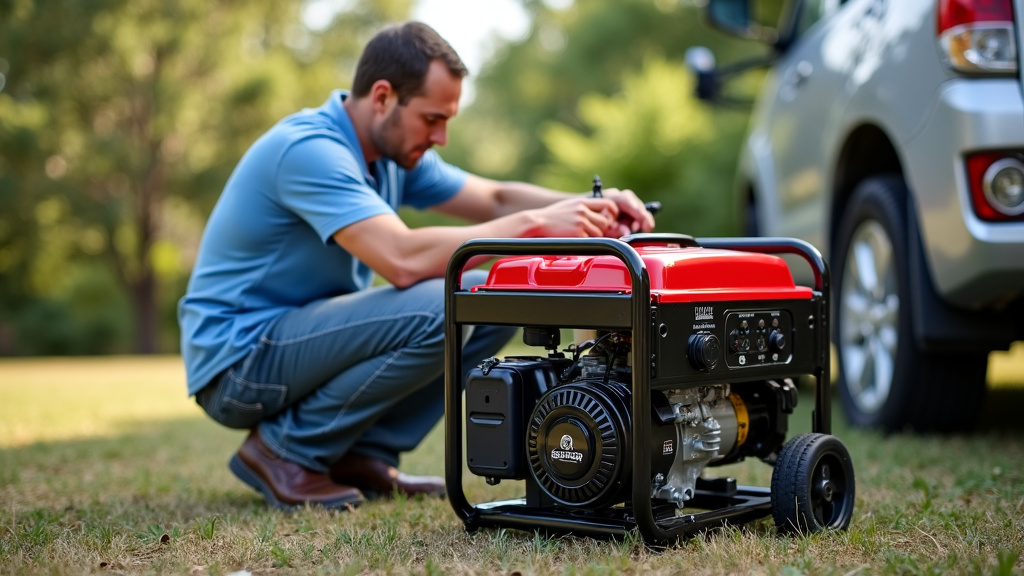
The spark plug is essential for igniting the fuel-air mixture. If it’s not working correctly, the engine might sputter to life but won’t sustain combustion.
Fouled or Damaged Spark Plug
A spark plug can become fouled with carbon deposits, oil, or unburned fuel. It can also become damaged or worn out over time. A fouled or damaged spark plug produces a weak or inconsistent spark. This means the fuel-air mixture might not ignite properly, causing the engine to stall shortly after starting.
We found that inspecting and cleaning your spark plug is a good starting point for ignition problems. You’ll need to remove the spark plug wire, then use a spark plug wrench to carefully unscrew the plug. Look for black, sooty deposits or a damaged electrode. You can often clean a fouled plug with a wire brush and some carburetor cleaner. If it looks damaged or heavily worn, it’s best to replace it. Ensure you gap the new spark plug correctly according to your owner’s manual specifications.
Carburetor Problems: The Fuel Mixer
The carburetor is responsible for mixing the right amount of fuel and air for combustion. If it’s not working correctly, your generator won’t run smoothly.
Dirty or Clogged Carburetor Jets
Over time, tiny particles in fuel or varnish from stale fuel can clog the small jets and passages inside the carburetor. This prevents the correct fuel-air mixture from being delivered to the engine. You might notice that the generator starts, but then it runs rough, sputters, and dies because it’s not getting enough fuel or the mixture is off.
Cleaning a carburetor can range from a simple spray cleaner job to a full disassembly and cleaning. If you’re not comfortable with this, consider taking it to a professional. However, for many minor clogs, a carburetor cleaner spray can often do the trick. It’s crucial to follow the product instructions carefully.
Improper Carburetor Adjustment
The carburetor has adjustment screws (usually for idle speed and fuel mixture) that can become loose or out of adjustment. If these are not set correctly, it can affect how the engine runs, potentially causing it to stall after starting. Again, your owner’s manual will provide guidance on any user-adjustable carburetor settings. We generally advise leaving these adjustments to a qualified technician unless you are very familiar with small engine mechanics.
Quick Troubleshooting Checklist
If your generator starts and then shuts off, run through this quick checklist. It covers the most common and easiest-to-fix issues:
- Check the fuel level and ensure it’s fresh.
- Inspect the fuel cap vent for blockages.
- Clean or replace the air filter.
- Check the oil level and top off if necessary.
- Inspect the spark plug for dirt or damage.
- Ensure the generator is not overloaded.
Conclusion
Dealing with a generator that starts and then shuts off can be puzzling, but as you’ve seen, the reasons are usually quite straightforward. Most often, the issue lies with the fundamental needs of the engine: a consistent fuel supply, ample airflow, or a sensitive safety system. We’ve found that simple checks like ensuring fresh fuel, a clean air filter, and proper oil levels can resolve the problem. Don’t let this hiccup stop you from having reliable power. Your next step is to calmly walk through the quick troubleshooting checklist provided to identify and fix the most common culprits yourself.
Frequently Asked Questions
How often should I check my generator’s fuel and oil?
You should check your generator’s fuel level before every startup. For oil, it’s a good practice to check it every time you use the generator or at least monthly if it’s stored and not in use. This ensures your generator is always ready and protected.
Can a dirty spark plug really cause my generator to shut off?
Yes, a fouled or damaged spark plug can absolutely cause this. It produces a weak spark, meaning the fuel-air mix might not ignite correctly, leading the engine to stall shortly after starting. Cleaning or replacing it is a common fix.
What is “starting wattage” and why is it important?
Starting wattage is the surge of power needed to get appliances with motors, like refrigerators or air conditioners, running. Your generator needs to handle this higher demand, in addition to the normal running wattage, to avoid shutting down due to overload.
My generator only runs for a minute. Could it be the fuel cap?
It’s possible! If the vent in your fuel cap is blocked, it can create a vacuum inside the tank. This vacuum prevents fuel from flowing properly, making the engine run briefly before it starves for fuel. Try loosening the cap slightly to see if that helps.
If I clean the carburetor myself, what should I be careful of?
When cleaning the carburetor, be gentle with the small parts and jets, as they can be easily damaged. Use the recommended carburetor cleaner and follow product instructions carefully. If you’re unsure, it’s always safer to consult your owner’s manual or a professional.
