
What Causes Generator Pull Cord Not Retracting?
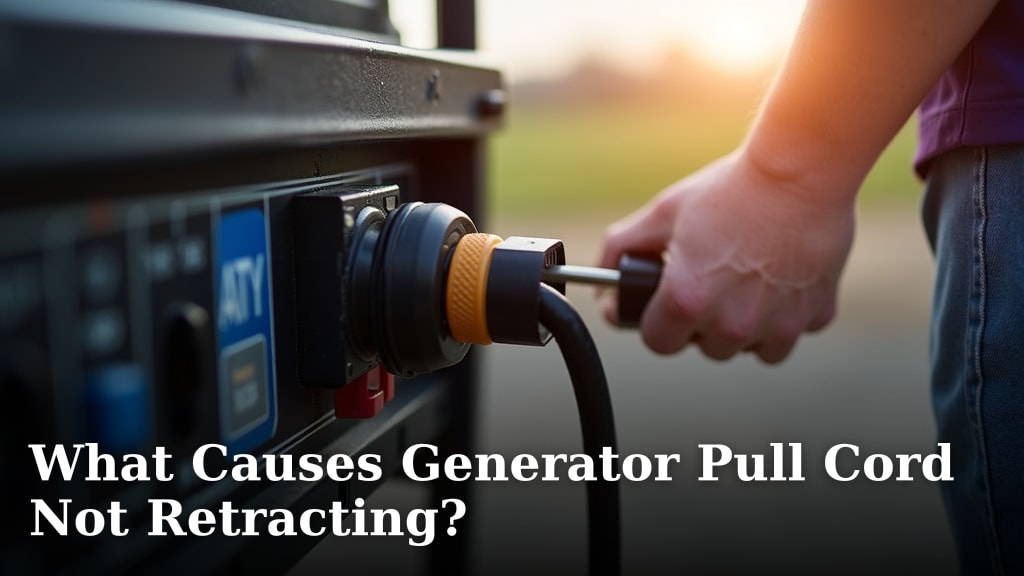
A generator pull cord not retracting usually happens because of a broken recoil spring or a snagged cord. Sometimes, the internal mechanism simply gets dirty or jammed. This prevents the spring from doing its job of pulling the cord back smoothly. It’s a frustrating problem, but often fixable!
When that pull cord stays out, it means something is interfering with the recoiling action. This could be something as simple as debris caught in the mechanism, or something more involved like a worn-out component. Understanding the potential culprits helps you diagnose the issue correctly and get your generator ready to start.
- Broken recoil spring is a common cause.
- A snagged or frayed cord can stop retraction.
- Dirt or debris can jam the mechanism.
- Internal parts might be worn out or damaged.
- Proper maintenance can prevent many issues.
Let’s dig into the specific reasons why your generator’s pull cord might be refusing to play nice and what you can do about it.
Troubleshooting Your Generator’s Stubborn Pull Cord
It’s a common frustration: you need your generator, but the pull cord just won’t snap back into place. This isn’t just annoying; it can prevent you from starting your generator altogether. We found that most issues boil down to mechanical problems within the recoil starter assembly. Let’s look at the most frequent reasons your pull cord is acting like it’s on strike.
The Recoil Spring: The Heart of the Matter
The recoil spring is the engine behind your pull cord’s smooth return. It’s a coiled piece of metal that, when you pull the cord, expands and stores energy. As you release the cord, this stored energy makes the spring contract, rapidly pulling the cord back. Research suggests that when this spring fails, the cord loses its retracting power.
Why Does the Recoil Spring Break?
Generators, especially those used often, put a lot of stress on the recoil spring. Over time, this constant tension and release can cause the metal to fatigue and eventually snap. We found that older generators or those that have seen heavy use are more prone to this issue. Environmental factors can also play a role. Exposure to moisture and dirt can accelerate wear and tear on the spring, leading to premature failure.
Signs of a Broken Recoil Spring
The most obvious sign is, of course, a cord that doesn’t retract at all. You might pull it out, and it simply stays extended. Sometimes, you might feel a sudden looseness or a lack of resistance when you pull. It won’t feel like it’s engaging anything. We found that if the cord feels completely limp and doesn’t snap back even a little, a broken spring is highly suspect.
Snags, Fraying, and Other Cord Issues
Sometimes, the problem isn’t inside the recoil mechanism but with the cord itself. Think of it like a snagged fishing line; it just won’t move freely. We found that if the cord is catching on something, it can halt the retraction process dead in its tracks.
What Causes a Snagged Cord?
Debris is a frequent culprit. Little bits of wood, dirt, or even stray grass can get lodged in the pulley or housing where the cord travels. Over time, this debris can create friction and eventually prevent the cord from being pulled back smoothly. We also found that if the cord itself starts to fray or unravel, the loose fibers can catch on the edges of the housing or pulley.
Frayed or Damaged Cords
A cord that is visibly frayed, has nicks, or looks generally worn out is a prime candidate for causing retraction problems. These damaged sections can easily get caught in the mechanism. Many maintenance guides recommend inspecting your pull cord regularly for any signs of wear and tear. If you see damage, it’s often best to replace it before it causes a bigger problem.
Dirt, Grime, and Jammed Mechanisms
Generators often work in dusty, dirty environments. This grit can make its way into the recoil starter assembly. We found that a buildup of dirt and grime can act like sandpaper, causing parts to stick and preventing smooth operation. It’s like trying to slide a sticky drawer shut – it just doesn’t want to go.
How Dirt Affects the Recoil Assembly
The pulley, the spring housing, and the guide where the cord exits can all become clogged. This accumulation of dirt prevents the pulley from spinning freely and the spring from doing its job. Many repair manuals suggest that regular cleaning of the recoil starter can prevent most of these jamming issues. We found that even small amounts of debris can cause significant friction.
The Role of Lubrication (or Lack Thereof)
Sometimes, the issue isn’t dirt but a lack of lubrication. Over time, any grease or oil in the mechanism can dry out or become contaminated. This can lead to metal-on-metal friction, causing parts to bind. We found that some older models might require periodic lubrication, while newer ones are designed to be maintenance-free. Always consult your generator’s manual before applying any lubricants.
Internal Wear and Tear: When Parts Get Old
Like any mechanical component, the parts within your generator’s pull start system can wear down with age and use. Even if nothing has broken or jammed, simply being old can cause issues. Research often points to the wear on the pawls or the ratchet mechanism as a common failure point in older units.
Worn Pawls or Ratchet System
The pawls are small metal tabs that engage with a ratchet wheel to stop the engine from spinning backward. If these pawls become worn down, they might not catch properly. This can lead to the recoil mechanism not engaging correctly, resulting in poor retraction. We found that this type of wear is more common in generators with thousands of pull starts.
Damaged Housing or Pulley
The plastic or metal housing that contains the recoil spring can crack or warp over time, especially if the generator has been dropped or improperly handled. A damaged housing can misalign the pulley or impede the spring’s movement. Similarly, a worn or cracked pulley might not allow the cord to feed in and out smoothly. We found that visible damage to the housing is a clear indicator of a potential problem.
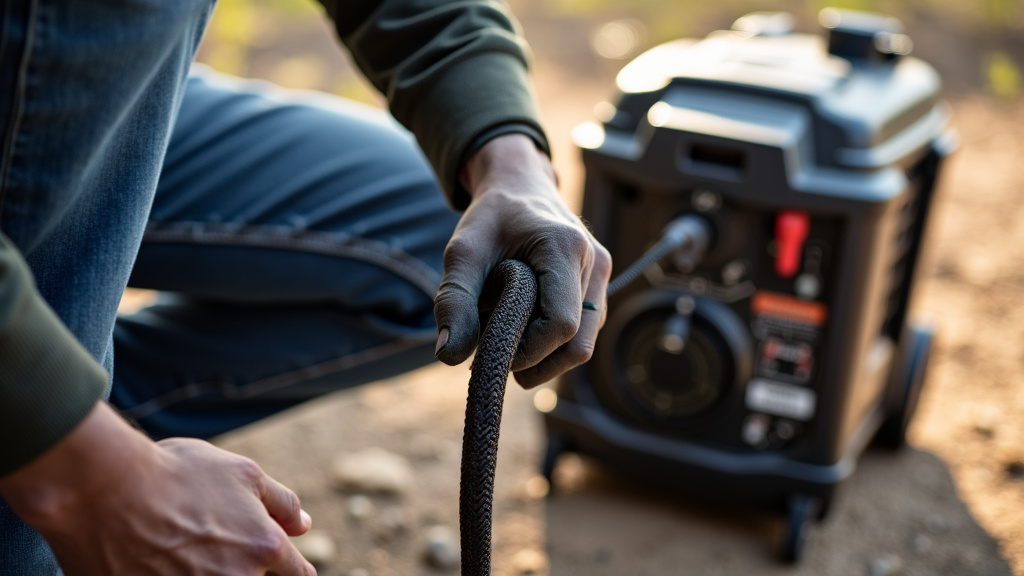
What Can You Do? A Quick Checklist
Before you call for professional help, here are a few quick things you can check yourself. We found that many simple issues can be resolved with these steps:
- Visually inspect the pull cord for any fraying or damage.
- Check the recoil housing for visible debris or obstructions.
- Gently try to pull the cord again, feeling for any catches or unusual resistance.
- Ensure the cord path is clear of any external blockages.
- Listen for any strange noises when attempting to pull the cord.
Common Culprits at a Glance
To help you pinpoint the issue, here’s a quick comparison of the most likely causes and what they feel like:
| Problem | Symptoms | Likely Cause |
|---|---|---|
| No Retraction | Cord stays out. Feels limp. | Broken recoil spring. |
| Jerky Retraction | Cord retracts slowly or unevenly. | Dirt/debris in mechanism, or frayed cord. |
| Cord Won’t Pull Out | Stuck or very difficult to pull. | Jammed mechanism or severely snagged cord. |
| Loose Feeling | No tension on the cord. | Broken spring or disengaged internal parts. |
When to Seek Professional Help
While many issues are DIY-friendly, some require specialized tools or knowledge. If you’ve checked the basics and the cord still won’t retract, it might be time to consult your generator’s manual or a qualified service technician. We found that attempting repairs beyond your comfort level can sometimes lead to more damage. For complex internal issues or if you’re unsure, professional diagnosis is often the safest route.
Conclusion
You’ve learned that a stubborn generator pull cord usually comes down to a few key mechanical issues. We’ve seen that a broken recoil spring is often the main culprit, but don’t forget about snags, dirt, or general wear and tear. These problems can stop that cord from snapping back into place. By performing simple visual checks and understanding these common causes, you’re well-equipped to start troubleshooting. Take a moment to inspect your generator’s pull start system, and you might just fix it yourself!
Frequently Asked Questions
How often should I check my generator’s pull cord?
It’s a good practice to visually inspect your pull cord before each use, especially if your generator is stored for long periods. Look for any signs of fraying or damage on the cord itself. This quick check can prevent bigger issues down the line.
Can I just spray lubricant on the pull cord mechanism?
While lubrication can help some mechanisms, it’s not a universal fix. Adding the wrong type of lubricant or applying it to a dirty mechanism can actually make the problem worse. Always consult your generator’s manual first.
My cord feels super stiff when I pull it. What could cause that?
A stiff pull cord often indicates a buildup of dirt or debris within the recoil assembly. This grime can create friction, making it hard for the cord to move freely. Sometimes, a lack of lubrication in older models can also contribute to stiffness.
What’s the difference between a cord not retracting and a cord that’s hard to pull?
If the cord doesn’t retract at all, it usually points to a broken spring or a severely jammed internal part. If the cord is hard to pull out, it suggests an obstruction or excessive friction, like debris or a snagged cord, is preventing movement.
Is it safe to try and fix a broken recoil spring myself?
Replacing a recoil spring can be a straightforward DIY repair for some, but it does involve disassembling part of the generator. If you’re not comfortable with mechanical tasks or lack the right tools, it’s safer to seek professional help to avoid further damage.
