
What Causes Dual Fuel Generator Not Starting on Propane?
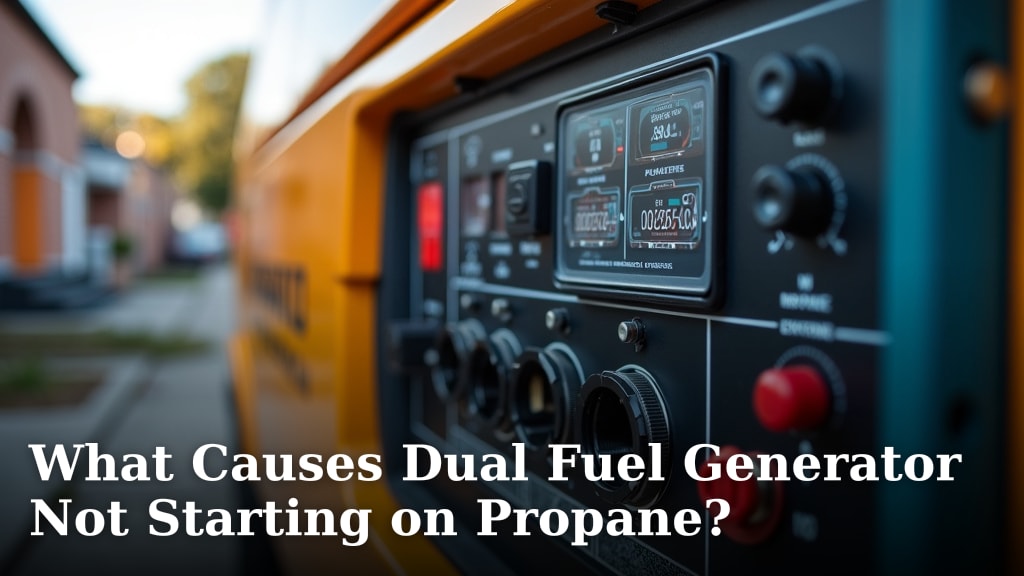
A dual fuel generator not starting on propane often happens because of a few common issues. Usually, it’s due to a lack of propane pressure, a clogged fuel line, or a problem with the spark. Your generator needs a consistent flow of fuel and a strong spark to ignite properly.
Troubleshooting these problems can save you time and frustration. We found that checking the propane tank itself is the first step. Then, you’ll want to inspect the lines that carry the fuel to the engine for any kinks or blockages. Finally, ensuring a good spark is key to getting your generator up and running again.
- Not enough propane in the tank.
- Propane tank valve is not fully open.
- Clogged fuel filter or lines.
- Faulty spark plug or ignition system.
- Issues with the generator’s carburetor or fuel regulator.
Let’s walk through exactly how to check these common culprits and get your dual fuel generator fired up on propane.
Troubleshooting Your Dual Fuel Generator’s Propane Startup Issues
It can be frustrating when your dual fuel generator refuses to start on propane. You might be prepared for an outage, only to find your generator playing coy. We found that most startup problems stem from a few common areas related to fuel delivery or ignition. Don’t worry, though. We’ll walk you through the typical culprits, so you can get your generator running when you need it most.
Checking Your Propane Supply and Flow
The most obvious reason a generator won’t start on propane is a lack of fuel. This might seem simple, but it’s often overlooked. Let’s make sure the propane is actually making its way to the engine.
Is There Enough Propane in the Tank?
It sounds basic, but is your propane tank actually full? Sometimes, gauges can be a little off, or you might have simply underestimated your consumption. Many dual fuel generators use propane efficiently, but if the tank is running on empty, the generator won’t start. You’ll want to check the fuel level using the gauge on your tank or by weighing it if you have a scale.
We found that even a small amount of propane can sometimes be enough for the generator to sputter. If it’s completely empty, you’re out of luck until you refill or swap the tank. Make sure you have a reliable propane source ready to go.
Is the Propane Tank Valve Fully Open?
This is another simple fix that’s frequently missed. Propane tanks have a valve that controls the flow of gas. For your generator to run, this valve needs to be fully open. Some people may have only partially opened it, thinking it’s enough. We found that a partially open valve can restrict the flow of gas, preventing the engine from getting the fuel it needs to start.
When you connect the propane tank, slowly open the valve all the way. You should hear the gas flowing. If you’re unsure, turn it until it stops turning clockwise. Then, listen for any hissing sound. A fully open valve is essential for proper fuel delivery.
Regulating the Propane Pressure
Propane needs to be delivered at the correct pressure for your generator to run. Generators have a regulator that manages this pressure. If this regulator is faulty or not functioning correctly, the engine won’t receive enough gas.
Many dual fuel generators come with a built-in regulator, or they require an external one. If you suspect a pressure issue, you might need a propane pressure gauge to test it. We found that many startup problems are solved by ensuring the propane pressure is within the manufacturer’s specifications.
Checking for Kinks or Blockages in the Fuel Line
The hose that connects your propane tank to the generator can be a point of failure. If this hose is kinked, bent sharply, or blocked, propane can’t flow freely. You’ll want to inspect the entire length of the hose carefully.
Look for any visible damage, such as cracks or punctures. Also, ensure the hose isn’t routed in a way that could cause a sharp bend when the generator is operating or when the tank is moved. We’ve seen cases where a hose was accidentally pinched under the generator itself. A clear, unobstructed fuel line is a must.
Investigating Ignition System Problems
Even with perfect propane flow, your generator needs a strong spark to ignite the fuel. If the ignition system isn’t working right, you won’t get that initial combustion.
The Spark Plug: Your First Suspect
The spark plug is responsible for creating the spark that ignites the propane-air mixture in the engine’s cylinder. Over time, spark plugs can become fouled, worn, or damaged. This is a very common reason for engines to fail to start.
To check your spark plug, you’ll typically need a spark plug wrench. Carefully remove the spark plug and inspect it. Look for signs of heavy carbon buildup, oil, or damage to the electrode. If it looks dirty or worn, it’s probably time to replace it. Many manuals suggest replacing spark plugs at regular intervals, usually annually or after a certain number of run hours. We found that a clean, properly gapped spark plug is critical for reliable starting.
If the spark plug looks okay, you can test for spark. With the spark plug removed and reconnected to its wire, ground the metal body of the plug against the engine block. Have someone try to start the generator. You should see a strong, blue spark jump across the gap. A weak or absent spark indicates an ignition issue further up the line.
Ignition Coil and CDI Unit Issues
If your spark plug is in good condition and you’re still not getting a spark, the problem might be with the ignition coil or the capacitor discharge ignition (CDI) unit. The ignition coil steps up the voltage from the generator’s electrical system to create the high voltage needed for the spark plug. The CDI unit controls when the spark occurs.
Diagnosing these components can be a bit more technical and may require a multimeter and a service manual. Many manufacturers recommend professional service if you suspect these parts are faulty. We found that these are less common failure points than spark plugs, but they are certainly possibilities if other checks don’t reveal the issue. A faulty ignition coil or CDI unit will prevent spark generation.
Carburetor and Fuel Regulator Checks
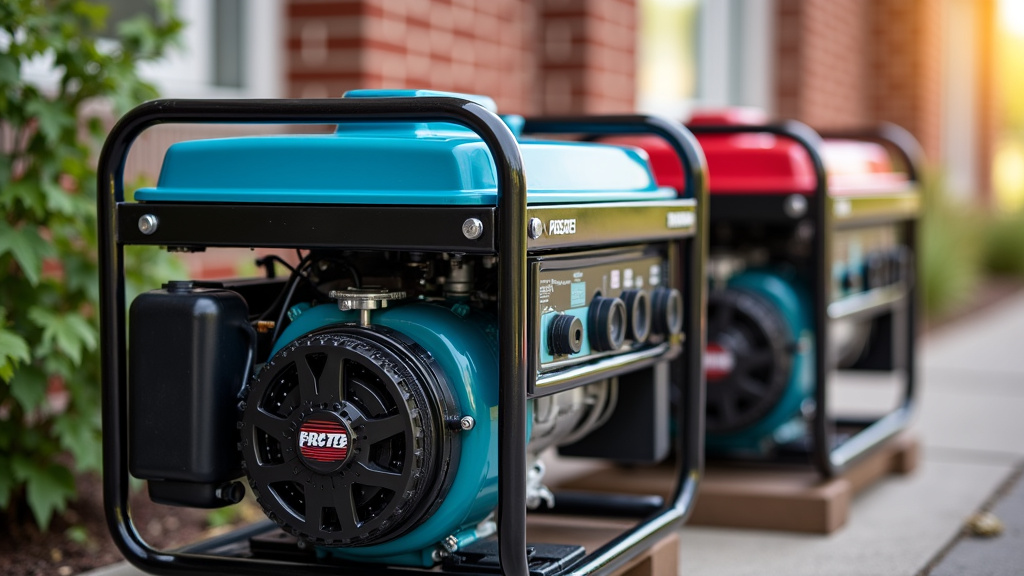
The carburetor mixes fuel and air, and the fuel regulator ensures the correct fuel pressure. Problems in these areas can prevent starting.
A Clogged or Dirty Carburetor
The carburetor is like the engine’s “lungs,” mixing the propane with air. Over time, especially if the generator hasn’t been run on propane for a while, the small jets and passages within the carburetor can get clogged with debris or varnish. This prevents the proper fuel-air mixture from reaching the engine.
You might notice the generator starts on gasoline but not propane. This can point to a carburetor issue specific to the propane side. Cleaning a carburetor can be done with specialized spray cleaners. Sometimes, it might require a full disassembly and cleaning. We found that using a fuel stabilizer when storing the generator can help prevent carburetor gumming. A clean carburetor is essential for proper fuel mixing.
The Role of the Fuel Regulator (Again)
We’ve mentioned the fuel regulator in the context of propane pressure, but it’s also a critical component for the carburetor’s function. The regulator’s job is to reduce the high pressure from the tank to a low pressure that the carburetor can handle. If this regulator is stuck, clogged, or failing, it can lead to either too much or too little fuel reaching the carburetor.
This is distinct from a simple propane pressure issue; it’s about the regulator’s ability to control and deliver that pressure consistently. Many units have an integrated fuel regulator. If you’ve confirmed tank pressure is good and the lines are clear, but the engine still acts like it’s getting no fuel, the regulator is a prime suspect. We found that a malfunctioning fuel regulator can starve the engine or flood it.
General Maintenance and Best Practices
Keeping your dual fuel generator in good shape can prevent many of these problems before they start. Regular maintenance is key.
Regular Exercising of the Generator
Many experts recommend running your generator periodically on both fuel types. This helps keep the fuel system components lubricated and prevents seals from drying out. For dual fuel generators, running them on propane for a few minutes every month or two can keep the propane-specific parts of the fuel system in good working order.
We found that generators that are regularly exercised are less likely to experience fuel system issues. It’s like taking your car for a drive; it keeps everything from seizing up. So, don’t just let it sit until you need it. Regularly run your generator on both fuels.
Proper Fuel Storage
Conclusion
Getting your dual fuel generator to start on propane might seem tricky, but we found most issues boil down to a few key areas. You’ve learned to check your propane supply, ensure the valve is fully open, and inspect the fuel lines for any obstructions. We also covered the importance of a healthy ignition system, focusing on the spark plug, and touched on potential carburetor and fuel regulator problems. By systematically working through these steps, you’re well-equipped to troubleshoot. Your next step is to grab your generator’s manual and begin a systematic check of these components to get your generator running reliably on propane when you need it most.
Frequently Asked Questions
Why won’t my generator start on propane, but it starts on gasoline?
This often points to a problem with the propane-specific fuel system. We found that the carburetor can get clogged or varnished on the propane side, or the fuel regulator might not be functioning correctly for propane. Check these components as they are often the culprits when only one fuel type causes startup issues.
How often should I run my dual fuel generator on propane?
To prevent issues, we recommend running your generator on propane for a few minutes every month or two. This keeps the fuel system components lubricated and prevents seals from drying out. Regular exercising helps ensure it’s ready to go on propane when needed.
Can a dirty air filter affect propane startup?
Yes, a severely dirty air filter can restrict airflow, which is essential for combustion, regardless of the fuel. While less common for propane-specific starting issues than fuel line problems, it’s still a good idea to check and clean or replace your air filter as part of your regular maintenance.
What is the safest way to check for propane leaks?
You can use a solution of soapy water. Apply it to all connections and the hose. If you see bubbles forming, that indicates a leak, and you should immediately shut off the propane and tighten or replace the faulty connection. Never use a flame to check for leaks.
How do I know if my propane regulator is faulty?
A faulty regulator might not provide enough propane pressure, or it could provide too much. Symptoms include the generator struggling to start, running roughly, or shutting off unexpectedly. If you’ve confirmed your tank has propane and the valve is open, a regulator issue is a strong possibility that may require professional testing or replacement.
