
How to Test a Generator Transfer Switch?
Testing your generator transfer switch is a smart move to ensure it works when you need it most. You can test it by simulating a power outage and checking if the switch correctly transfers your home’s power to the generator. This process confirms the safety and reliability of your backup power system. A properly functioning switch is vital for a smooth transition during emergencies.
Knowing how to test your transfer switch can give you peace of mind. It’s not overly complicated, and doing it regularly is recommended by many electricians. This simple check helps prevent unexpected issues when the power goes out. You want to be sure your generator can actually power your home when the grid fails.
- Test by simulating a power outage.
- Confirm the switch moves to the generator.
- Check that your essential appliances run.
- Ensure the transfer switch returns to utility power.
- Regular testing is key for readiness.
Let’s walk through exactly how to test your generator transfer switch step by step, so you can feel confident in your home’s emergency power plan.
Checking Your Generator Transfer Switch: A Step-by-Step Guide
Testing your generator transfer switch is a vital task. It ensures your backup power system will work when you need it most. Think of it like checking the fire extinguisher before a fire. You want to be sure it’s ready to go. We’ll walk you through the process safely.
Why Regular Testing Matters
Power outages can happen anytime. A storm, an equipment failure, or even just a tripped breaker can cut your electricity. Your transfer switch is the **critical link** between your generator and your home’s electrical system. Without a working switch, your generator is just a noisy box that can’t power your lights or appliances. Many experts recommend testing it at least **twice a year** (National Fire Protection Association).
Ensuring Safety First
Safety is **number one** when dealing with electricity. Working with electrical systems, even your own, carries risks. If you’re uncomfortable with any part of this process, it’s always best to call a **licensed electrician**. They have the training and tools to perform these tests safely and efficiently. Never attempt to test your switch if you are unsure or feel unsafe. This can prevent **serious injury** or damage to your equipment.
Understanding Your Transfer Switch Types
There are a few main types of transfer switches you might have. Each works a bit differently, but the testing principle is the same: simulate an outage and see if it switches. You’ll likely have either an **automatic transfer switch (ATS)** or a **manual transfer switch**. An ATS detects the power outage and switches automatically. A manual switch requires you to flip a lever or turn a dial.
Preparing for Your Transfer Switch Test
Before you start, gather what you’ll need. A **generator**, a **few essential appliances** (like a lamp, radio, or fan), and perhaps a **multimeter** if you’re comfortable using one. Make sure your generator is in good working order and has **fresh fuel**. Check your owner’s manual for specific instructions related to your transfer switch model. This preparation is key to a **smooth testing process**.
Gathering Your Essential Appliances
You don’t need to power your whole house. Just pick a **few key items** to test. A simple lamp is great for seeing if power is flowing. A radio lets you check for audio. A small fan can indicate if larger appliances are drawing power. These items help confirm that your generator is **successfully powering your circuits** through the transfer switch.
Understanding Your Generator’s Power Output
It’s important to know your generator’s **wattage capacity**. Don’t try to power too many appliances at once. Overloading your generator can damage it and your appliances. Your transfer switch also has a **wattage limit**. Ensure the appliances you choose for testing are well within your generator’s capabilities. This prevents unnecessary **stress on your system**.
How to Test an Automatic Transfer Switch (ATS)
Testing an ATS is usually straightforward. The switch is designed to do the work for you. You’ll simulate a power outage and observe its actions. This test confirms its ability to **detect and respond** to grid failure. It’s a crucial check for your **automatic backup system**.
Step 1: Starting the Generator
With utility power still on, start your generator. Let it run for a few minutes to stabilize. This allows the generator to reach its **proper operating speed** and voltage. Some ATS units may have a delay before they attempt to connect. Consult your ATS manual for any specific warm-up periods recommended. You want the generator **fully ready**.
Step 2: Simulating a Power Outage
This is the moment of truth. You need to safely disconnect your home from the utility power. The safest way to do this is by turning off your **main circuit breaker** in your electrical panel. This cuts off power from the grid to your entire house. Wait a moment to ensure the ATS registers the outage. You should hear or see the ATS **switch over** to the generator power.
Step 3: Verifying Generator Power
Once the ATS has switched, check if your essential appliances are running. Turn on the lamp, radio, or fan you brought for testing. If they power up, your ATS has successfully transferred the load to the generator. This is a **positive sign** that your system is working. If they don’t, there might be an issue with the ATS or the generator connection.
Step 4: Restoring Utility Power
After confirming the generator is powering your home, you’ll want to test the return to grid power. Turn your **main circuit breaker back on**. Your ATS should detect the return of utility power and **automatically switch back**. Again, listen for the switchover. Your essential appliances should now be running on grid power again, and the generator can be shut down.
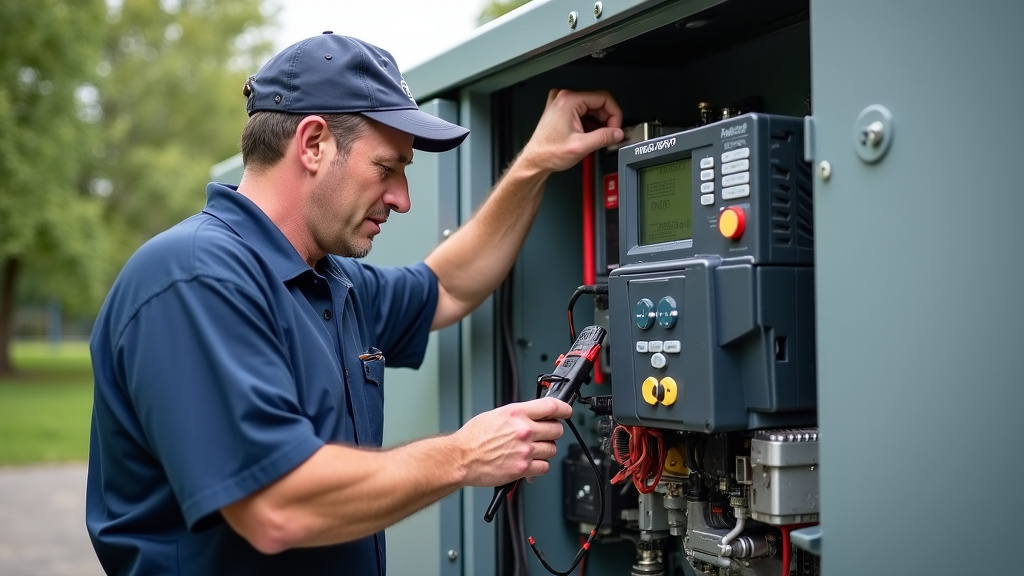
How to Test a Manual Transfer Switch
Manual transfer switches require your direct involvement. You’ll be flipping the switches to move power. This gives you a very hands-on feel for how the system works. It’s like driving a car with a manual transmission – you’re **actively in control**.
Step 1: Powering Up the Generator
Start your generator and let it run for a few minutes to reach **stable operation**. Ensure it’s running smoothly and at the correct speed. This preparation ensures the generator can handle the load when you connect it. A properly warmed-up generator is less likely to stall or struggle.
Step 2: Disconnecting Utility Power
Go to your main electrical panel. **Turn off the main circuit breaker** to disconnect your home from the utility grid. This is a critical safety step. It prevents backfeeding power onto the grid, which is **extremely dangerous** for utility workers. Always ensure the main breaker is off before proceeding.
Step 3: Connecting Generator Power Manually
Now, find your manual transfer switch. There will be specific breakers or a lever for connecting the generator. Consult your switch’s manual. Typically, you will **turn on the generator breaker(s)** on the transfer switch. This manually connects the generator’s power to your home’s circuits. Ensure the generator is running before you do this step.
Step 4: Testing Essential Appliances
With the generator now connected through the manual switch, test your chosen appliances. Plug in your lamp or turn on your radio. If they work, you’ve successfully transferred power. This confirms the **manual switch is functioning** and directing generator power to your home. You can now safely shut down the generator if you are just performing a test run without an outage.
Step 5: Returning to Utility Power
When utility power is restored (or if you were just testing), you’ll switch back. First, **turn off the generator breaker(s)** on your manual transfer switch. This disconnects the generator. Next, **turn your main circuit breaker back on** at the electrical panel. This reconnects your home to the utility grid. Your appliances will now run on grid power.
Troubleshooting Common Issues
Sometimes, things don’t go as planned. If your transfer switch doesn’t seem to be working, don’t panic. There are a few common culprits. These can range from simple fixes to needing professional help. Early detection of problems can save you a **headache during a real outage**.
Generator Not Starting or Running
If your generator won’t start, check the **fuel level and quality**. Ensure the oil is at the correct level. Check that the battery is charged if it’s an electric start model. Sometimes, a safety switch will prevent it from starting if a critical component is low or disconnected. Many generators also have a **circuit breaker** that might have tripped.
Transfer Switch Not Engaging
For automatic switches, if it doesn’t engage, the ATS might not be detecting the outage. Ensure your main breaker is fully off. There could be a **faulty sensor** or a problem with the ATS control board. For manual switches, double-check that you’ve turned on the **correct generator breaker(s)**. Make sure the generator is actually producing power (use a multimeter if you know how).
Appliances Not Receiving Power
If the transfer switch has engaged but your appliances aren’t getting power, the issue might be in your home’s wiring or the transfer switch itself. Ensure the breakers on the transfer switch are **turned on**. Check if the specific circuit breakers for those appliances in your main panel are on. A **loose wire** inside the transfer switch could also be the cause. This is a good time to **call a professional**.
Maintaining Your Transfer Switch
Regular maintenance is key to ensuring your transfer switch always performs when needed. Beyond testing, there are a few other checks you can do. Keep the area around the switch **clean and free of debris**. Dust and dirt can interfere with its operation. Inspect the wiring for any signs of **corrosion or damage**. This small bit of attention can prevent big problems.
Annual Professional Inspection
Many electricians recommend an **annual inspection** of your entire backup power system, including the transfer switch. They can identify potential issues that you might miss. This also ensures your system remains up to code. A professional check provides **peace of mind**. It’s an investment in your home’s reliability.
Here’s a quick checklist to keep your transfer switch in top shape:
- Test your transfer switch at least twice a year.
- Ensure your generator is well-maintained and fueled.
- Keep the transfer switch area clean and clear.
- Inspect wiring for any visible damage.
- Schedule annual professional inspections.
- Document your test dates and any issues found.
Conclusion
You’ve learned how to test your generator transfer switch, a vital step for your home’s emergency preparedness. Whether you have an automatic or manual switch, these tests ensure a smooth power transition when you need it most. Remember, regular testing and simple maintenance are your best defense against unexpected power loss. Don’t wait for a storm to find out if your system works. Schedule your next test for peace of mind and a reliable backup power plan.
Frequently Asked Questions
How often should I test my generator transfer switch?
Experts and manufacturers generally recommend testing your transfer switch at least twice a year. This consistent testing ensures your system remains ready for any power outage situation, providing reliable backup power when needed.
Can I test my transfer switch during a real power outage?
While a real outage is a test, it’s not ideal for initial testing. It’s safer and more controlled to simulate an outage during normal conditions. This allows you to troubleshoot any issues without the added pressure of a blackout.
What if my generator doesn’t power my appliances after the switch engages?
If your transfer switch engages but your appliances remain off, check the generator’s output and ensure its circuit breakers are on. Also, verify that the correct breakers on your transfer switch are activated. If problems persist, it’s time to consult an electrician.
Is it safe to turn off my main circuit breaker to test the switch?
Yes, turning off your main circuit breaker is the standard and safest way to simulate a utility power outage for testing purposes. This action disconnects your home from the grid, allowing the transfer switch to operate as designed.
Do I need a multimeter to test my transfer switch?
A multimeter is helpful for confirming generator output, especially if you’re comfortable using one. However, you can effectively test your transfer switch’s basic function by observing the switchover and checking if essential appliances power on without needing a multimeter.
