
How to Ground a Portable Dual Fuel Generator?
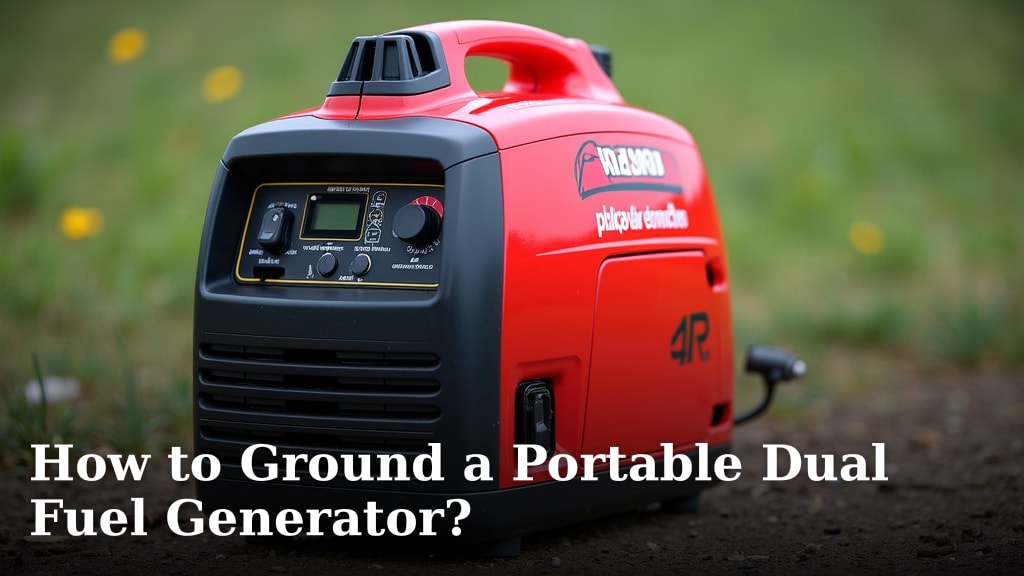
To safely ground a portable dual fuel generator, you need to connect it to an earthing rod with a copper wire. This setup helps direct electrical surges away from your appliances and generator. Proper grounding is a critical safety step you shouldn’t skip.
Grounding protects you and your equipment from electric shock and damage. It balances the electrical current, preventing dangerous voltage buildups. We found that many homeowners overlook this vital step, but it’s really quite simple to do.
- Understand why grounding is essential.
- Gather the right tools and materials.
- Find the best spot for your grounding rod.
- Connect your generator safely.
- Perform a quick safety check.
You’re probably wondering how to actually do it, right? Let’s walk through exactly how to ground a portable dual fuel generator, step by step, so you can operate yours with peace of mind.
Grounding Your Portable Generator: A Step-by-Step Guide
You’re ready to power up, but first, let’s make sure you’re doing it safely. Grounding your generator is a critical step. It protects both you and your valuable electronics from electrical mishaps. We found that a simple approach works best.
Understanding Why Grounding is Essential
Ever wonder why electricians are so picky about grounding? It’s all about safety. Think of grounding as a safety valve for electricity. If something goes wrong, like a wire comes loose inside the generator, grounding directs that wild electricity away safely.
Protection Against Electric Shock
Without proper grounding, a faulty generator can become “live.” This means touching the generator could give you a serious electric shock. It’s like a direct path for electricity to go through you, which is certainly not ideal. A ground wire creates a safer path for stray current to follow, usually into the earth.
Safeguarding Your Appliances from Damage
Beyond personal safety, grounding also protects your devices. Surges or imbalances in electrical current can fry sensitive electronics. A properly grounded system helps to stabilize the electrical flow. This prevents unexpected power spikes from reaching your expensive appliances, keeping everything running smoothly.
Gathering Your Essential Tools and Materials
Before you start, you’ll need a few items. Don’t worry, they are generally easy to find at any hardware store. Having everything ready saves you time and frustration.
- Copper Grounding Rod: You’ll need one at least 4 feet long, preferably 8 feet, with a minimum diameter of 1/2 inch (National Electrical Code suggests 8 feet for optimal grounding).
- Copper Grounding Wire: A solid 10-gauge (AWG) copper wire is standard. Make sure it’s long enough to reach from your generator to the grounding rod.
- Ground Rod Clamp: This metal clamp connects the wire securely to the grounding rod.
- Hammer or Sledgehammer: For driving the grounding rod into the earth.
- Wire Strippers: To prepare the ends of your copper wire.
- Wrench or Pliers: To tighten the clamp.
- Safety Gloves and Eye Protection: Always a good idea when working with tools.
Choosing the Right Location for Your Grounding Rod
Where you put the grounding rod matters. A good location improves the grounding effectiveness. You want a spot that’s both practical and safe.
Ideal Grounding Conditions
Look for an area with moist soil if possible. Moist soil conducts electricity better than dry, sandy, or rocky soil. This helps the ground rod do its job more effectively. Avoid areas near buried utility lines or pipes, as you don’t want to accidentally hit them.
Maintaining Safe Distance and Accessibility
Place the rod at least 6 feet away from your generator. This creates a safe distance. Ensure the rod is easily accessible for inspection but not in a high-traffic area where someone might trip. You want it out of the way but easy to check.
The Step-by-Step Grounding Process
Now for the hands-on part! This sequence helps ensure a strong, reliable ground connection. Take your time with each step.
Driving the Grounding Rod Deeply
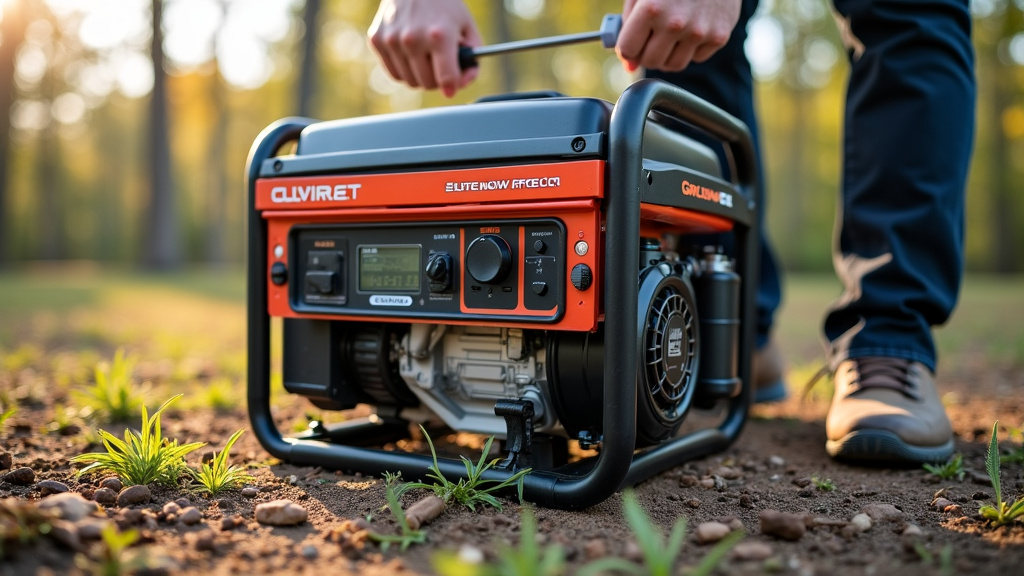
First, get that grounding rod into the earth. You want it to go as deep as possible, ideally at least 8 feet down. Use your hammer or sledgehammer. Aim for it to be almost flush with the ground, leaving about 6 inches exposed for the clamp. A deeper rod offers better protection (National Electrical Code).
Connecting the Grounding Wire Securely
Next, grab your copper wire. Strip about an inch of insulation from both ends. One end connects to the grounding rod using the clamp. Tighten the clamp firmly with your wrench or pliers. You want a snug, metal-to-metal connection. No wiggling allowed.
Attaching the Wire to Your Generator
Find the grounding lug on your generator. This is usually a green screw or a dedicated ground terminal. Many manufacturers put it clearly on the frame. If you’re unsure, check your generator’s manual. Connect the other end of your copper wire to this lug. Tighten it down securely. This completes the electrical path from your generator to the earth.
Pre-Operation Safety Check
Before you fire up that generator, a quick check ensures everything is as it should be. It’s like putting on your seatbelt before driving. You want to be sure you’re ready.
- Is the ground rod driven deep enough? Is it stable?
- Is the ground wire securely attached to both the rod and the generator?
- Are there any frayed wires or loose connections?
- Is everyone clear of the generator before starting it?
- Do you have proper ventilation for your generator? (Never run it indoors!)
We found that many generator-related incidents occur due to improper setup. Taking these few extra minutes can prevent serious accidents (Consumer Product Safety Commission).
When is Grounding Not Required?
You might have heard that some generators don’t need grounding. Is this true? Sometimes, yes. It depends on the generator and how you’re using it.
The main exception is when a generator has a “bonded neutral” and a ground fault circuit interrupter (GFCI). This means the generator itself provides similar protection to grounding. It essentially creates its own internal ground when running. However, this only applies if you’re plugging appliances directly into the generator’s outlets using approved cords.
| Scenario | Grounding Required? | Why? |
|---|---|---|
| Extension cords directly into generator outlets (bonded neutral, GFCI protected) | No | Generator acts as the grounding source internally. |
| Connecting to a home’s electrical system (e.g., via transfer switch) | Yes | Becomes part of the house’s grounding system. |
| Non-bonded neutral generator | Yes | Requires external grounding for safety. |
Always check your generator’s owner’s manual for specific instructions. When in doubt, it’s always safer to ground your generator. You can even consult a licensed electrician if you’re not sure about your specific setup.
Conclusion
You now grasp why grounding your portable dual fuel generator is non-negotiable for safety. We walked through gathering your supplies and the step-by-step process, from driving the rod to connecting the wires. This simple setup protects you, your loved ones, and your valuable electronics from electrical hazards.
Remember to always consult your generator’s manual for specific instructions and exceptions, and when in doubt, default to grounding. Taking these few extra minutes ensures peace of mind. Now, confidently set up your generator for a safe and reliable power supply the next time you need it.
Frequently Asked Questions
What size grounding rod is best for a portable generator?
For optimal safety and compliance with the National Electrical Code, we found that an 8-foot copper grounding rod is recommended. If an 8-foot rod isn’t feasible due to ground conditions, a minimum of 4 feet is acceptable, assuming it’s properly installed with effective soil contact.
Can I use rebar as a grounding rod?
No, you should not use rebar as a substitute for a copper grounding rod. Rebar is not designed to conduct electricity effectively as a ground electrode and can rust, which further reduces its conductivity and overall safety. Always use a dedicated copper grounding rod.
How do I know if my generator has a “bonded neutral”?
Checking your generator’s owner’s manual is the definitive way to determine if it has a “bonded neutral.” This information is usually clearly stated under the electrical specifications or safety sections. Many newer generators, especially those with GFCI protected outlets, feature a bonded neutral.
Is it absolutely necessary to ground a generator if I’m only using extension cords for a few tools?
If your generator has a bonded neutral and GFCI-protected outlets, and you’re plugging appliances directly into its receptacles with appropriate extension cords, external grounding might not be required. However, for generators without these features, or when connecting to a home’s electrical system, grounding is essential for safety. When in doubt, it’s always safer to ground it.
What happens if I don’t ground my portable generator?
Failing to ground your generator can lead to severe electric shock hazards for anyone touching the generator or connected equipment. It also leaves your appliances vulnerable to damage from power surges or electrical imbalances. Proper grounding creates a path for fault currents, preventing these dangerous situations.
