
Can You Learn to Extend Generator Runtime on Propane?
Yes, you can learn to extend generator runtime on propane, but it’s not about magic. It’s about smart fuel management and understanding your generator’s needs. You can make your propane-powered generator run longer between refills by following a few key strategies. Think of it like optimizing your car’s gas mileage.
Many factors affect how long your generator will last on a single tank. These include the size of your propane tank, the generator’s load, and its overall efficiency. We’ve researched ways to maximize your runtime without sacrificing power. You’ll discover simple adjustments that can make a big difference when you need backup power the most.
- Propane generators can run longer with the right approach.
- Manage your fuel and generator load for maximum efficiency.
- External tank setups offer extended runtime.
- Generator maintenance is key to better fuel use.
- Understand your generator’s power needs.
Let’s dive into the practical ways you can make your propane generator keep going and going, so you’re prepared for any situation. Learn how to connect a dual fuel generator to a propane tank for extended runtime.
“`htmlMaking Your Propane Generator Last Longer
So, you’re wondering if you can squeeze more run time out of your propane generator. The good news is, absolutely! It’s not about having a magical setup; it’s about being smart with your fuel and understanding your generator’s needs. Think of it like getting better gas mileage for your car. By making a few key adjustments, you can significantly extend how long your generator runs on a single propane tank.
Several factors play a role in your generator’s endurance. The size of your propane tank is a big one, of course. But just as important are the electrical demands placed on the generator and its overall efficiency. We’ve looked into practical ways you can get more hours out of your generator without making huge sacrifices. You’ll find simple tweaks that can make a real difference when you need power the most.
Understanding Your Generator’s Fuel Consumption
Before we talk about extending runtime, it’s helpful to know what influences how fast your generator uses propane. It’s a bit like understanding how quickly your car uses gas.
Generator Load is Key
The most significant factor is the load you put on your generator. A generator uses more fuel when it’s working harder. Running a few small devices, like LED lights and a phone charger, uses far less propane than powering a large appliance like an air conditioner or a microwave. You can often find the generator’s wattage rating on a sticker or in its manual. Knowing this helps you make better choices.
For example, if your generator is rated for 3,500 watts, running a 1,000-watt load will consume less fuel than running a 3,000-watt load. Many generator manuals provide estimated runtimes at different load levels. These estimates are usually based on a 20-pound propane tank (the common portable grill size).
Propane Tank Size Matters
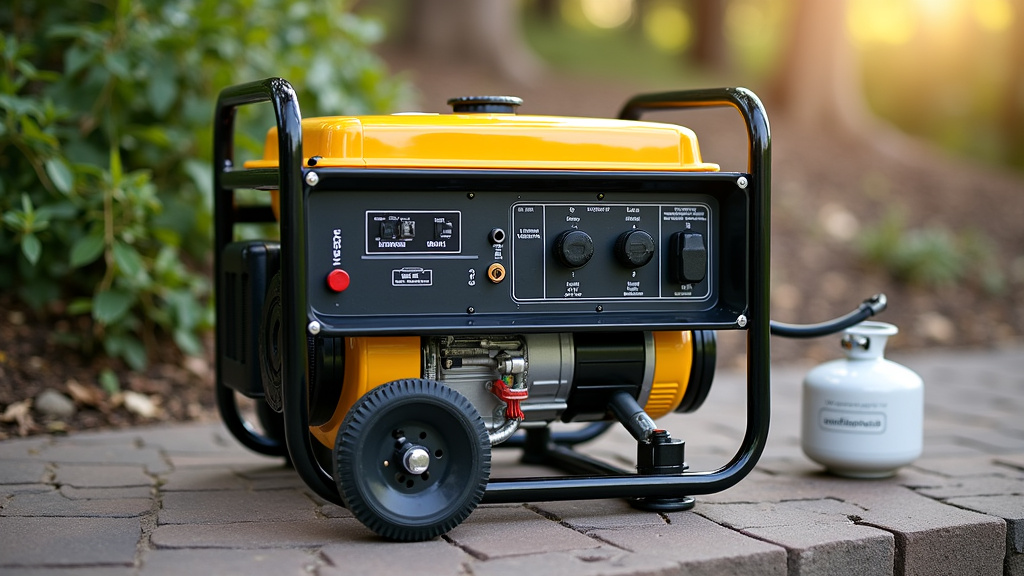
This might seem obvious, but the bigger the propane tank, the longer your generator can run. A standard 20-pound tank might give you 8-12 hours of runtime at a 50% load, depending on your generator. If you need longer runtimes, you’ll need larger tanks. Common sizes for generators include 40-pound tanks, 100-pound tanks, or even larger ASME-certified tanks that can be permanently installed.
Many homeowners opt for 100-pound tanks for extended outages. These offer a substantial increase in fuel capacity. Research the connector types and regulators needed for larger tanks to ensure they are compatible with your generator setup.
Generator Efficiency Ratings
Like cars, generators have varying levels of fuel efficiency. Newer models are often more efficient than older ones. The design and technology of the engine play a role. Some generators are specifically designed for better fuel economy, especially at lower load levels.
If you’re buying a new generator, look at its fuel consumption ratings. Manufacturers often provide figures like gallons per hour at specific loads. This can help you compare models and choose one that suits your runtime needs and fuel budget. Even with an existing generator, understanding its typical consumption can help you plan fuel refills or tank exchanges better.
Strategies for Extending Propane Generator Runtime
Now that you understand the basics, let’s get into the practical steps you can take to make your propane generator run longer.
Manage Your Electrical Load Wisely
This is your most powerful tool. When you need your generator, try to run only essential appliances. Avoid starting multiple high-demand items at once. Instead, stagger their use.
For instance, don’t run a microwave, toaster, and coffee maker simultaneously. Power them one after another. You can also switch to more energy-efficient alternatives. Using LED bulbs instead of incandescent ones dramatically reduces the electrical load. Choosing appliances with lower wattage ratings when possible also helps.
Prioritize Essential Devices
Make a list of what you absolutely need to power during an outage. This might include your refrigerator, a few lights, a medical device, or a fan. Focus on keeping these running efficiently. Shut off anything that isn’t strictly necessary.
Avoid Idling and Overloading
Don’t let your generator run at a very low load for extended periods if it’s not designed for it. Some generators are less efficient at minimal loads. Conversely, never exceed the generator’s maximum wattage capacity. Overloading can damage the generator and will rapidly deplete your propane supply.
Optimize Propane Tank Usage and Setup
How you connect and manage your propane tanks can significantly impact runtime.
Use Larger Propane Tanks
As mentioned, upgrading from a 20-pound tank to a 100-pound tank is a common and effective way to extend runtime. A 100-pound tank holds about 23.5 gallons of propane, compared to roughly 4.7 gallons in a 20-pound tank. This difference can mean hours, or even days, more of run time.
When using larger tanks, ensure you have the correct regulator and hoses. Most portable generators come with a regulator for smaller tanks. Larger tanks often require a different regulator. Always check your generator’s manual for compatibility and recommended setup. Many experts advise using a dual-tank setup, allowing one tank to be disconnected and refilled while the other continues to supply the generator.
Consider Dual or Multiple Tank Systems
A dual-tank setup allows you to connect two tanks to your generator. Many systems have an automatic changeover feature. When one tank runs out, the generator automatically switches to the second tank. This prevents interruption of power and allows you to swap an empty tank for a full one without shutting down the generator.
This is especially useful during prolonged outages. You can even use larger tanks like 100-pounders in a dual system. Some setups allow for even more than two tanks to be connected, offering very extended runtime capabilities.
Ensure Proper Gas Flow and Pressure
Propane needs to flow from the tank to the generator at the correct pressure. This is managed by the regulator. A faulty or incorrectly sized regulator can restrict gas flow, making the generator run inefficiently or even shut down. Always use regulators recommended by the generator manufacturer or a propane equipment supplier.
Temperature also affects propane vapor pressure. On very cold days, propane vaporizes less readily, which can limit the fuel supply to the generator. If you anticipate very cold weather outages, ensuring your tanks are adequately sized and have good insulation can help.
Maintain Your Generator for Peak Performance
A well-maintained generator runs more efficiently and uses less fuel. Regular maintenance is not just about longevity; it’s also about fuel economy.
Regular Oil Changes
Clean oil helps the engine run smoothly. An engine with clean oil experiences less friction. Less friction means the engine doesn’t have to work as hard, thus consuming less fuel. Follow the manufacturer’s recommended oil change schedule.
Keep Air Filters Clean
A clogged air filter restricts the amount of air entering the engine. This can lead to an inefficient fuel-air mixture. The engine may run rich, meaning too much fuel for the amount of air. This wastes fuel and can cause other performance issues. Check and clean or replace the air filter regularly, especially if you operate in dusty conditions.
Check Spark Plugs
A worn or dirty spark plug can cause incomplete combustion. This means not all the fuel in the propane is being burned efficiently. A properly functioning spark plug ensures a clean, complete burn. Inspect spark plugs periodically and replace them as needed based on manufacturer recommendations.
Generator Placement and Environment
Where you place your generator can also play a small role in its efficiency.
Ensure Proper Ventilation
Generators produce heat. They need good airflow to dissipate this heat. Overheating can cause the engine to run less efficiently. Ensure the generator is placed in an open area with plenty of space around it for air circulation. Always follow safety guidelines regarding placement away from homes and flammable materials.
Consider Ambient Temperature
While extreme cold can reduce propane vaporization, extreme heat can also affect performance. If possible, try to place the generator in a shaded spot during very hot weather. This helps prevent the engine from overheating. However, always prioritize safety and ventilation over minor temperature gains.
Fuel Management Checklist
Here’s a quick rundown of things to keep in mind for managing your propane fuel:
- Assess your power needs: List essential appliances and their wattage.
- Use larger tanks: Upgrade from 20-pound to 100-pound tanks if possible.
- Stagger appliance use: Don’t run multiple high-demand items at once.
- Regular maintenance: Keep air filters clean and change oil and spark plugs.
- Consider dual-tank setup: Allows for seamless refills without downtime.
- Monitor fuel levels: Know how much propane you have and plan for refills.
By implementing these strategies, you can gain confidence in your generator’s ability to provide power for longer periods. It’s all about being prepared and making informed choices about your setup and usage.
“`Conclusion
You absolutely can extend your propane generator’s runtime. It’s all about making smart choices with your fuel and how you use your equipment. By understanding your generator’s load and using larger propane tanks, you gain significant control. Regular maintenance and a thoughtful setup, like a dual-tank system, will ensure you have power when you need it most. Take a moment to assess your current setup and identify one or two of these strategies you can implement today to improve your generator’s efficiency and longevity.
Frequently Asked Questions
How much longer will my generator run with a 100-pound propane tank compared to a 20-pound tank?
A 100-pound tank holds about five times more propane than a standard 20-pound tank. This can translate to many more hours of runtime, potentially turning a single day of power into several, depending on your generator’s load.
Can I connect two small propane tanks to my generator?
Yes, many generators support dual-tank setups using adapters or specific manifold systems. Some systems can even automatically switch from one tank to the next, providing continuous power.
Does generator maintenance really impact how long it runs on propane?
Yes, absolutely. A generator with clean air filters, fresh oil, and a well-functioning spark plug burns fuel more efficiently. This means less propane is wasted, and your runtime increases.
What’s the best way to manage my generator’s load during an outage?
Prioritize essential items like your refrigerator and medical equipment. Avoid running high-wattage appliances like microwaves or hair dryers simultaneously; stagger their use to keep the overall load low and consistent.
Is it safe to use large propane tanks (like 100-pound) with a portable generator?
Yes, as long as you use the correct regulator and hoses compatible with your generator. Always check your generator’s manual for recommended tank sizes and connection types to ensure safe and efficient operation.
