
Can You Learn to Check Generator Carbon Monoxide Safety?

Yes, you absolutely can learn to check generator carbon monoxide safety. It’s a vital skill for anyone using a portable generator, especially during power outages. Understanding the risks and how to mitigate them keeps your household safe from this invisible danger.
Carbon monoxide, or CO, is a poisonous gas produced by burning fuels like gasoline. Generators are a common source of CO when not operated properly. Learning how to prevent CO poisoning means you can use your generator with peace of mind, knowing you’ve taken the right steps for your family’s well-being.
- Know the risks of carbon monoxide from generators.
- Learn how to install and use CO detectors correctly.
- Understand proper generator placement outdoors.
- Recognize the symptoms of CO poisoning.
Let’s walk through exactly how to ensure your generator use is as safe as possible, step by step.
Yes, you absolutely can learn to check generator carbon monoxide safety. It’s a vital skill for anyone using a portable generator, especially during power outages. Understanding the risks and how to mitigate them keeps your household safe from this invisible danger.
Carbon monoxide, or CO, is a poisonous gas produced by burning fuels like gasoline. Generators are a common source of CO when not operated properly. Learning how to prevent CO poisoning means you can use your generator with peace of mind, knowing you’ve taken the right steps for your family’s well-being.
- Know the risks of carbon monoxide from generators.
- Learn how to install and use CO detectors correctly.
- Understand proper generator placement outdoors.
- Recognize the symptoms of CO poisoning.
Let’s walk through exactly how to ensure your generator use is as safe as possible, step by step.
Understanding Generator Carbon Monoxide Risks
Generator carbon monoxide is a serious threat. CO is a colorless, odorless gas. It’s produced when fuels like gasoline don’t burn completely. Portable generators are a common source of this dangerous gas. Running a generator indoors is extremely risky. Even a few minutes can be too long. Many tragic accidents happen this way each year (CDC). Discover how a transfer switch makes using your generator much easier and safer.
Think of it like a silent killer. You can’t see it. You can’t smell it. This makes it incredibly sneaky. Because your generator is so useful, it’s easy to forget its hidden dangers. You want to power your home, but not at the cost of your family’s health. That’s why knowing the risks is the first step.
How CO from Generators Becomes Dangerous
Generators exhaust CO as part of their normal operation. The danger arises when this exhaust builds up in an enclosed or partially enclosed space. CO displaces oxygen in your blood. This prevents your body’s organs from getting the oxygen they need. It can happen quickly. Even with a door or window open, it might not be enough ventilation.
We found that many people underestimate how much CO a generator can produce. Even a small generator puts out a lot of this gas. It can quickly reach dangerous levels in a garage, basement, or even a covered patio. The goal is always to keep the exhaust away from living spaces entirely.
Why Indoor Generator Use Is a No-Go
Using a generator inside your home, garage, basement, or even a shed is never safe. There are no exceptions to this rule. CO can seep through walls and doors. It can also build up in connected living spaces. Many safety organizations stress this point heavily (Consumer Product Safety Commission).
It might seem convenient in a pinch, especially during a severe storm. You might think, “Just for a little while.” But that’s a dangerous way to think. CO can build up faster than you can react. It’s never worth the gamble. Your home’s structure is not designed to contain or vent generator exhaust safely.
Essential Generator Safety Practices
Learning generator safety is a skill that can save lives. It’s not overly complicated, but it requires attention to detail. You need to know the right way to set up and operate your generator. These practices are designed to keep you and your loved ones protected from CO poisoning. Learn about operating your generator safely in our guide to dual fuel inverter generators.
These steps are your roadmap to using your generator with confidence. They are based on recommendations from safety experts and organizations. We’ll cover placement, ventilation, and monitoring. These are the key areas where you can prevent dangerous situations from arising.
Proper Generator Placement Outdoors
The most critical safety step is outdoor placement. Always run your generator outside. Keep it at least 20 feet away from your home. This distance helps ensure exhaust fumes don’t enter your house. It should also be away from doors, windows, and vents.
Why 20 feet? We found that this distance generally provides enough buffer. It allows the CO to dissipate into the open air before it can be drawn into your home. Think of it as creating a safe zone around the generator. Make sure the generator is on a dry, level surface too. This prevents electrical hazards and keeps it stable.
Protecting from Weather
While outside, your generator still needs protection. A canopy or a purpose-built generator tent can shield it from rain or snow. However, these covers must not obstruct the exhaust or ventilation. Never run a generator under an overhang that traps exhaust. Your setup needs to allow fumes to escape freely upwards and outwards.
We found that some people use tarps. While a tarp might offer some protection, ensure it’s not too close to the generator. It must allow ample airflow. The key is that the cover doesn’t create a partial enclosure. This would trap the CO and make it dangerous. Safety first, always.
Ventilation and Exhaust Management
Proper ventilation is all about airflow. Generators need air to run efficiently, but more importantly, they need space for their exhaust to dissipate. Never place a generator in a way that restricts airflow around it.
The exhaust pipe on your generator is like its “breath.” You need to make sure that breath isn’t directed towards any openings into your home. Point the exhaust away from windows and doors. Even when it’s 20 feet away, this extra precaution helps.
Using Carbon Monoxide Detectors
Carbon monoxide detectors are your early warning system. They are essential for any home that uses a fuel-burning appliance, including generators. You need detectors inside your home, not just near the generator.
Many experts recommend placing detectors on every level of your home. This includes the basement and sleeping areas. We found that battery-powered or plug-in models with battery backup are best. This ensures they work even if the power is out. Check the batteries regularly, just like you would for smoke detectors.
Choosing the Right Detector
Not all detectors are created equal. Look for a CO detector that is UL-certified. This means it has met rigorous safety standards. Some detectors combine smoke and CO detection. These can be a convenient option.
It’s also important to understand where to place them. They should be installed according to the manufacturer’s instructions. Generally, they should be placed on a wall, at least 5 feet from any heat sources or vents. Avoid placing them too close to the kitchen or bathrooms, where normal cooking or steam might trigger false alarms.
Testing and Maintenance
Regular testing is non-negotiable. Test your CO detectors at least once a month. Press the test button to ensure the alarm is working. If the alarm sounds, you need to take action immediately. We found that many people forget to test them regularly.
CO detectors have a lifespan. Most last about 5 to 10 years. Check the manufacturer’s information for the specific model you have. Replace the detector when it reaches its end of life, even if it seems to be working fine. This ensures you have reliable protection.
Generator Maintenance for Safety
A well-maintained generator is a safer generator. Regular checks can prevent issues that might increase CO production or create other hazards. This includes keeping the generator clean and in good working order.
Check the owner’s manual for specific maintenance schedules. This often includes checking and changing the oil, cleaning air filters, and inspecting the spark plug. If you’re not comfortable doing this yourself, a qualified technician can perform these checks.
Recognizing Carbon Monoxide Poisoning Symptoms
Even with the best precautions, it’s wise to know what CO poisoning looks like. Early recognition is key to getting prompt medical attention. Symptoms can often mimic the flu, which can cause confusion.
You might experience headaches, dizziness, nausea, or vomiting. Other symptoms include shortness of breath, confusion, and blurred vision. High levels can lead to loss of consciousness and even death. If you experience any of these symptoms while running a generator, take them seriously.
Immediate Steps If CO Poisoning is Suspected
If you suspect CO poisoning, act immediately. The first step is to get everyone to fresh air. Open doors and windows as you leave. Move away from the suspected source of CO.
Call 911 or your local emergency services from a safe location. Explain that you suspect carbon monoxide poisoning. Do not go back inside until emergency responders say it is safe to do so.
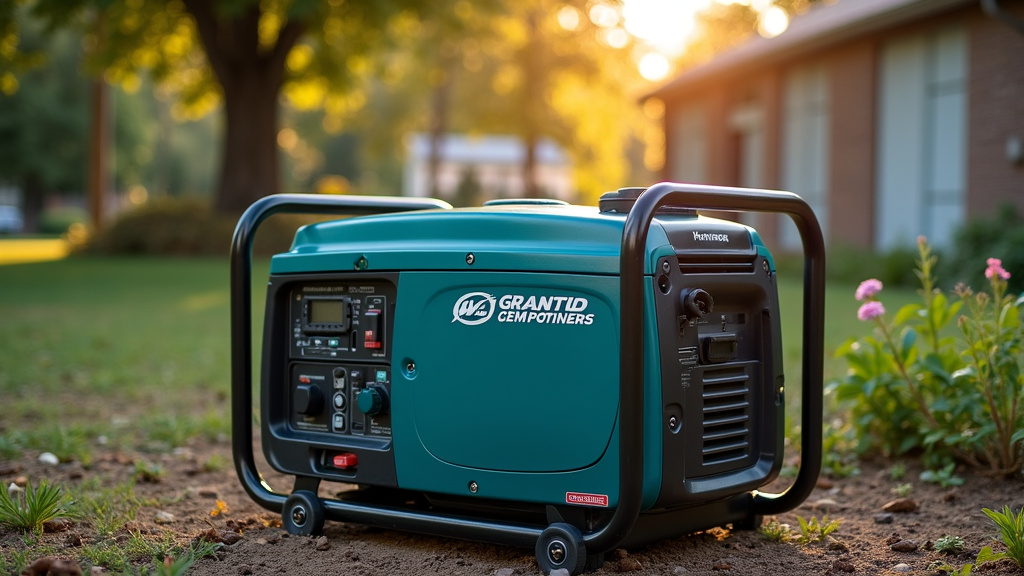
Your Generator Safety Checklist
Here’s a quick checklist to help you remember the most important steps:
- Always operate your generator outside.
- Place it at least 20 feet from your home.
- Ensure exhaust is pointed away from all openings.
- Install CO detectors on every level of your home.
- Test your CO detectors monthly and replace them as needed.
- Never run a generator in a garage, basement, or enclosed space.
By following these guidelines, you can significantly reduce the risk of carbon monoxide poisoning. Learning these safety measures is an investment in your family’s well-being. You’ve got this!
Conclusion
You’ve learned that mastering generator carbon monoxide safety is absolutely achievable and essential. We’ve covered why CO from generators is so dangerous, the non-negotiable rule of outdoor operation, and the vital role of CO detectors. Remember, placing your generator at least 20 feet away, ensuring proper ventilation, and testing your detectors monthly are your strongest defenses. By integrating these practices into your generator use, you’re actively protecting your home and loved ones from this invisible threat. Make checking these safety measures your routine habit for peace of mind.
Frequently Asked Questions
How close can I safely place a generator to my house?
You must place your generator at least 20 feet away from your home. This distance helps exhaust fumes dissipate into the open air before they can enter your house through doors, windows, or vents. Always aim the exhaust directly away from any openings.
Can a generator be too far away from the house?
While 20 feet is the recommended minimum, there isn’t really a “too far” when it comes to safety. The further away you can safely position your generator while still having access to power, the better. Ensure the extension cords you use are rated for outdoor use and heavy enough for the generator’s load.
What are the first signs of carbon monoxide poisoning I should watch for?
Early symptoms often mimic the flu, such as headaches, dizziness, and nausea. You might also experience shortness of breath or confusion. If anyone in your household experiences these symptoms while a generator is running, assume CO poisoning and get to fresh air immediately.
How often do I really need to test my carbon monoxide detectors?
You should test your carbon monoxide detectors at least once a month. Press the test button to confirm the alarm is functioning correctly. It’s also good practice to replace the batteries at least once a year, or whenever the detector signals a low battery.
Do I need a special type of CO detector for generator use?
You need a standard, UL-certified carbon monoxide detector installed inside your home. Look for models that are battery-powered or plug-in with battery backup, ensuring they work even during a power outage. Digital display models can also show the CO level.
