
Can You Learn to Change Oil in a Dual Fuel Generator?
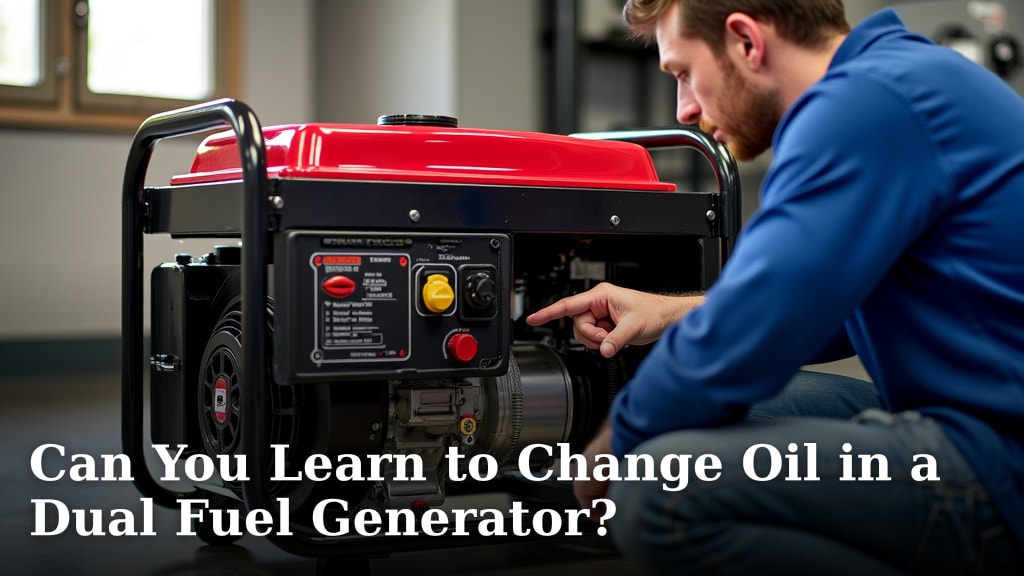
Yes, you absolutely can learn to change the oil in a dual fuel generator. It’s a key maintenance task that will keep your generator running smoothly and extend its lifespan.
You might be wondering if it’s much different from changing the oil in a regular gas generator. Good news: the process is very similar. Understanding this simple maintenance step saves you time and money over the life of your generator.
- Easy to learn: Basic steps are straightforward.
- DIY friendly: Most people can do it themselves.
- Saves money: Avoid professional service fees.
- Extends life: Proper oil changes protect your engine.
Ready to get your hands a little dirty? We’ll walk you through exactly how to change the oil in your dual fuel generator, step by simple step.
Mastering Oil Changes for Your Dual Fuel Generator
Learning to change the oil in your dual fuel generator is a straightforward process that offers many benefits. You’ll gain independence and save money on maintenance over time.
We understand you might feel a little intimidated at first. Don’t worry; it’s much simpler than you might think. This guide walks you through every step, ensuring you have the confidence to do it yourself.
Why Regular Oil Changes Are So Important
Think of engine oil as the lifeblood of your generator. Just like your car, a generator’s engine needs clean oil to function correctly. This is true whether it runs on gasoline or propane. For more details on fuel types, our guide on choosing between propane or gasoline for a dual fuel generator can help.
Over time, oil breaks down and collects contaminants. These contaminants can cause friction and wear on vital engine parts. Clean oil reduces wear, keeps the engine cool, and helps it run efficiently.
- Lubrication: Prevents metal-on-metal contact.
- Cooling: Helps dissipate heat from moving parts.
- Cleaning: Carries away dirt and sludge.
- Sealing: Fills gaps between engine components.
- Corrosion Protection: Guards against rust and acid buildup.
Gathering Your Essential Tools and Supplies
Before you begin, gathering everything you need makes the job much smoother. There’s nothing worse than being halfway through and realizing you’re missing a crucial item. We found that being prepared saves a lot of frustration.
Here’s a handy checklist of what you’ll need for your dual fuel generator oil change:
- New Engine Oil: Check your owner’s manual for the correct type and viscosity (e.g., SAE 30, 10W-30).
- Oil Drain Pan: A container large enough to hold all the old oil.
- Funnel: To neatly pour new oil without spills.
- Socket Wrench Set: For removing the drain plug.
- Oil Filter Wrench (if applicable): Some generators have replaceable oil filters.
- Shop Rags or Paper Towels: For cleanup.
- Gloves: To keep your hands clean and protected.
- Disposable Bag: For the old oil filter and rags.
- Safety Glasses: To protect your eyes.
Understanding Oil Types for Dual Fuel Generators
Choosing the right oil is perhaps the most critical decision. It’s not a one-size-fits-all situation. Your generator’s manual will specify the exact oil type and weight it requires. Paying attention to this detail extends your engine’s life.
Most small engines use a non-detergent oil for break-in, then switch to a detergent oil. Always follow your manufacturer’s recommendations. Many experts say that using the wrong oil can void your warranty and cause engine damage (Consumer Reports).
Decoding Oil Viscosity (e.g., 10W-30)
What do those numbers mean? The “W” stands for “winter.” This number indicates the oil’s thickness at cold temperatures. The second number shows its thickness at operating temperatures. For example, 10W-30 flows like a 10-weight oil when cold and a 30-weight oil when hot.
Your generator’s manual will also guide you on the best viscosity for your typical operating temperatures. If you live in a region with extreme cold, a multi-viscosity oil like 5W-30 might be recommended. In warmer climates, a straight 30-weight oil might be suitable.
Step-by-Step Guide to Changing Your Generator’s Oil
Okay, let’s get down to business! Follow these steps carefully, and you’ll have fresh oil in your generator in no time. Safety first, always!
Preparation and Safety First
Before touching anything, ensure your generator is turned off and completely cool. Disconnect the spark plug wire to prevent accidental starting. This is a crucial safety step we found many overlook.
Make sure you’re working in a well-ventilated area, preferably outdoors. Have all your tools and supplies laid out within reach. Put on your gloves and safety glasses.
Draining the Old Oil
Place your oil drain pan directly under the oil drain plug. This plug is usually located on the bottom or side of the engine. Use your socket wrench to carefully loosen and remove the drain plug.
Allow all the old oil to drain completely into the pan. This can take several minutes. You might need to tilt the generator slightly to help it all come out. The oil will likely be dark and sludgy, which is normal.
Replacing the Oil Filter (If Applicable)
If your generator has an oil filter, now is the time to replace it. Place a few rags under the filter to catch any drips. Use an oil filter wrench to loosen and remove the old filter.
Apply a thin layer of new oil to the rubber gasket of the new filter. Screw on the new filter by hand until it’s snug, then tighten it another quarter to half turn. Do not overtighten.
Adding Fresh Oil
Once all the old oil has drained, replace the drain plug and tighten it securely. Do not overtighten, as you could strip the threads.
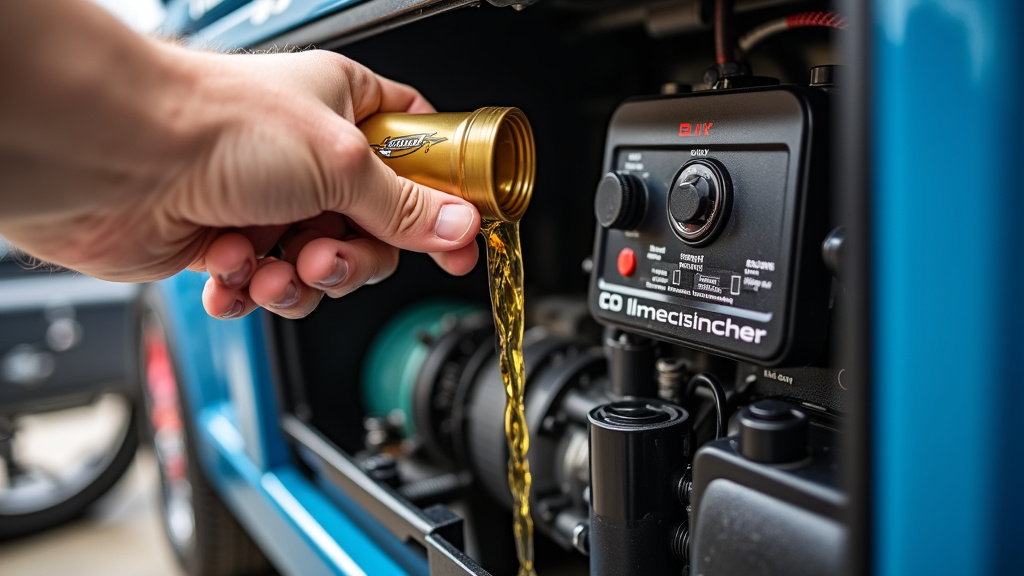
Locate the oil fill cap on your generator. Insert your funnel into the oil fill opening. Carefully pour the new, recommended oil into the engine. Add oil slowly, checking the dipstick frequently.
Most generators have a dipstick integrated into the oil cap or a separate one. Pull it out, wipe it clean, reinsert it fully, then pull it out again to check the level. Fill until the oil reaches the “Full” mark on the dipstick.
Final Checks and Cleanup
Once the oil is at the correct level, remove the funnel and replace the oil fill cap tightly. Reconnect the spark plug wire.
Wipe up any spilled oil immediately. Make sure your workspace is clean. Take your old oil and filter to an authorized recycling center. Most auto parts stores accept used oil for free (EPA guidelines).
When to Change Your Dual Fuel Generator’s Oil
Knowing when to change the oil is just as important as knowing how. We found that neglecting this schedule is a common reason for generator breakdowns. Always refer to your owner’s manual for precise intervals.
However, here’s a general guideline that applies to most dual fuel generators:
| Service Type | Frequency | Notes |
|---|---|---|
| First Oil Change | After 20-25 hours of use | Crucial for removing break-in metals. |
| Subsequent Oil Changes | Every 50-100 hours of use OR every 6 months | Whichever comes first. |
| Before Storage | Annually, or before long periods of inactivity | Helps prevent internal corrosion. |
| Heavy Use | More frequently than recommended | If operating in dusty, dirty, or very hot conditions. |
Many generator manufacturers, like Honda Power Equipment, emphasize the importance of the first oil change. This initial change removes metallic particles from the engine’s break-in period, which can cause premature wear if not drained.
Troubleshooting Common Oil Change Issues
Even with careful planning, sometimes little hiccups occur. Don’t worry, most oil change issues are easily fixable.
- Oil Spill: Use plenty of rags. Oil absorbent granules (like cat litter) work well for larger spills on concrete.
- Stripped Drain Plug: If you overtighten and strip the plug, you’ll need to replace it, or in severe cases, get professional help for thread repair. Be gentle!
- Wrong Oil Type: If you accidentally put in the wrong oil, do not run the engine. Drain it immediately and refill with the correct type.
- Engine Won’t Start: Double-check that the spark plug wire is reconnected and the oil fill cap is on. Sometimes, the low oil sensor might prevent starting if the level is incorrect.
If you encounter an issue you can’t resolve, it’s always best to consult your generator’s manual or contact a certified service technician. Your generator is an investment, and taking good care of it pays off.
Conclusion
You’ve seen that learning to change the oil in your dual fuel generator is completely achievable. It’s a fundamental step that keeps your machine running strong, no matter if you’re using gas or propane. By understanding the proper oil type, gathering your tools, and following our simple steps, you’ll feel confident tackling this essential maintenance.
Regular oil changes protect your investment, prevent costly repairs, and ensure your generator is ready when you need it most. So, take control of your generator’s health. Open your owner’s manual, grab your supplies, and perform that oil change – your generator will thank you with reliable power.
Frequently Asked Questions
Is dual fuel generator oil different from regular generator oil?
No, the oil itself isn’t “dual fuel” specific. You’ll use the same type and viscosity of oil as recommended in your generator’s manual, regardless of whether you’re running it on gasoline or propane. The key is to match the manufacturer’s specifications for oil weight and type.
How often should I change the oil if I don’t use my generator much?
Even with infrequent use, most manufacturers recommend changing the oil at least once a year. Oil can degrade over time, attracting moisture and contaminants even when sitting idle. An annual change ensures the engine always has fresh, protective lubrication.
Can I use synthetic oil in my dual fuel generator?
Many dual fuel generators can use synthetic oil, which often offers better performance in extreme temperatures and longer change intervals. Always check your owner’s manual first, as some older models might not be designed for synthetic. If approved, synthetic oil can be a great upgrade.
What if my generator doesn’t have an oil filter?
Many smaller, portable dual fuel generators do not have a replaceable oil filter. In these cases, the oil change process is even simpler. You just drain the old oil and refill with new; there’s no filter element to swap out. The oil itself helps to carry away contaminants.
Where can I dispose of used generator oil?
You should never pour used oil down the drain or throw it in the trash. It’s considered hazardous waste. Most auto parts stores, municipal recycling centers, or service stations accept used motor oil for free recycling. We found that checking your local county waste management website can provide specific drop-off locations.
