
Can You Learn to Break in a New Dual Fuel Generator?
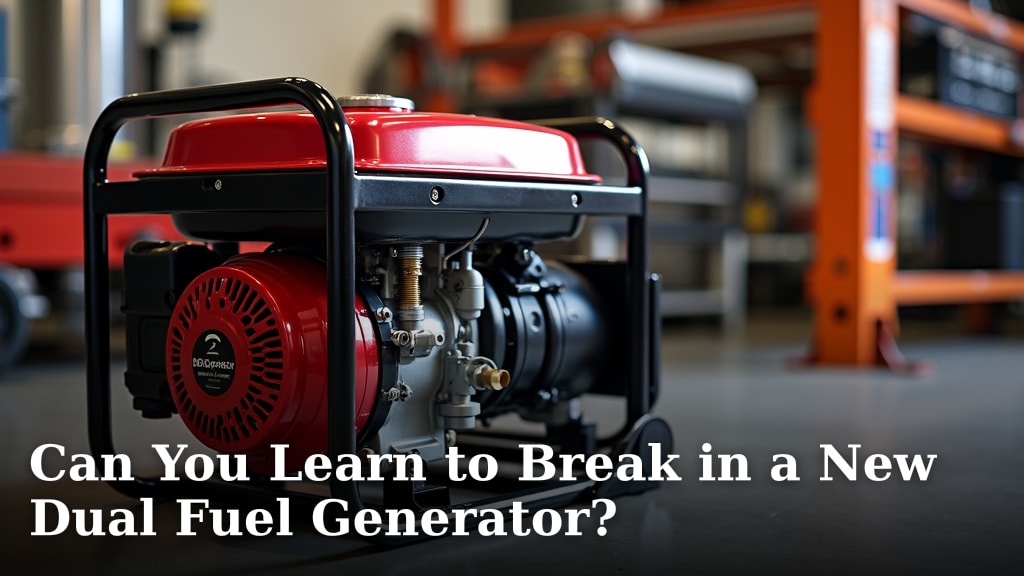
Yes, you can absolutely learn to break in a new dual fuel generator. This vital process ensures your generator runs smoothly and lasts for many years. It sets up your machine for optimal performance right from the start.
Breaking in, or “running in,” your new generator is more than just turning it on. It involves a specific set of steps to prepare the engine’s internal components. Skipping this step can lead to premature wear and tear, and potentially costly repairs down the road.
- Understand why breaking in is crucial.
- Learn the correct steps for a successful break-in.
- Discover the best fuel and oil choices.
- Find out how to monitor your generator during this process.
Let’s walk through exactly how to break in your new dual fuel generator step by step, ensuring you get the most out of your investment.
Breaking In Your New Dual Fuel Generator: Why It Matters
Breaking in your new dual fuel generator is a critical step. It ensures your investment performs reliably for years. Think of it as preparing an athlete for a marathon.
This process allows the engine’s moving parts to smoothly wear against each other. It helps them seat properly. This initial wear is normal and important for long-term engine health.
The Science Behind Generator Break-In
Why is breaking in so important? When a generator is brand new, its engine parts are fresh from manufacturing. They have tiny imperfections.
During the break-in period, these imperfections are worn away. This creates a perfectly matched surface between parts like piston rings and cylinder walls. It’s like sanding rough wood until it’s smooth.
Preventing Premature Wear
Skipping the break-in can lead to problems. You might experience reduced engine life or even early component failure. We found that proper break-in can significantly extend the lifespan of your generator (Briggs & Stratton).
Without it, metal filings can circulate in the oil system. This causes accelerated wear. It’s a bit like driving a car without changing the oil after its first few miles – not a good idea!
Ensuring Optimal Performance
A well-broken-in engine runs more efficiently. It will produce consistent power output. It also tends to use less fuel over time.
You’ll notice smoother operation and better overall reliability. This is especially true for those critical moments when you rely on your generator most.
Preparing Your Generator for Its First Run
Before you even think about starting your generator, some preparations are essential. This isn’t just about safety; it’s about setting up for success.
Always read your owner’s manual thoroughly. Every generator can have unique requirements. Your manual is your best friend here.
Choose the Right Fuel and Oil
This is where “dual fuel” comes into play. You have options: gasoline or propane. We recommend starting with gasoline for the break-in period if your manual allows it.
Gasoline often provides more consistent combustion. This helps the engine settle in. Make sure your gasoline is fresh and the correct octane level for your unit.
Selecting Engine Oil
The type of oil you use is incredibly important for break-in. Most manufacturers recommend a conventional (non-synthetic) engine oil for the first few hours.
Conventional oil allows for a bit more friction initially. This helps the piston rings seat properly. We found that synthetic oils can be too “slippery” for effective break-in (Consumer Reports).
Check your manual for the recommended SAE weight and API service class. Don’t just guess!
Initial Checks and Setup
Before adding fluids, perform a quick visual inspection. Are all connections secure? Is anything loose?
Check the air filter. Make sure it’s clean and properly installed. A clogged filter can affect engine performance right out of the gate.
Add Oil and Fuel
Carefully add the recommended amount of engine oil. Do not overfill. An oil dipstick will usually have clear markings for “full.”
Then, add your chosen fuel. If using gasoline, use a funnel to prevent spills. If using propane, connect the tank securely. Ensure there are no leaks at the connections.
Here’s a quick checklist to make sure you’re ready:
- Read the owner’s manual completely.
- Ensure the generator is on a level, stable surface.
- Check air filter for cleanliness.
- Add the correct type and amount of engine oil.
- Add fresh gasoline or connect propane tank securely.
- Inspect for any visible leaks or loose parts.
The Step-by-Step Break-In Process
Now, let’s get down to the actual running of your generator. This isn’t a race; it’s a careful dance to ensure longevity.
The goal is to vary the load on the engine without overloading it. This helps the engine parts experience different pressures and speeds.
Initial Start-Up and Light Load
Start your generator as per the manual’s instructions. Let it run for about 10-15 minutes with no load. This allows the oil to circulate and engine parts to warm up.
Listen for any unusual noises. Are there any strange vibrations? Everything should sound smooth and steady.
Introducing a Small Load
After the warm-up, introduce a small, consistent electrical load. Think of something like a few light bulbs or a small fan. The goal is to draw about 25% of the generator’s rated capacity.
Let it run at this light load for about 1-2 hours. Monitor the generator carefully during this time. Check for unusual smells or excessive heat.
Varying the Load
This is where the “break-in” truly happens. Over the next few hours (typically 3-5 hours), you’ll want to vary the load.
Don’t run it constantly at max power. Cycle between 25% load, 50% load, and even 75% load. Don’t exceed 75% during break-in (Power Equipment Institute).
A Sample Load Schedule
Here’s a general idea for varying your load, but adjust based on your manual:
| Hour Range | Recommended Load Percentage | Example Appliances |
|---|---|---|
| Hour 0-1 | No Load (Warm-up) | None |
| Hour 1-2 | 25% Load | Light bulbs, small fan |
| Hour 2-3 | 50% Load | Small refrigerator, television |
| Hour 3-4 | 25-75% Cycle | Alternating between previous examples |
| Hour 4-5 | 50% Load | Small refrigerator, television |
The key is to avoid running the generator at a constant, heavy load. Think of it like breaking in new running shoes – you don’t run a marathon on day one!
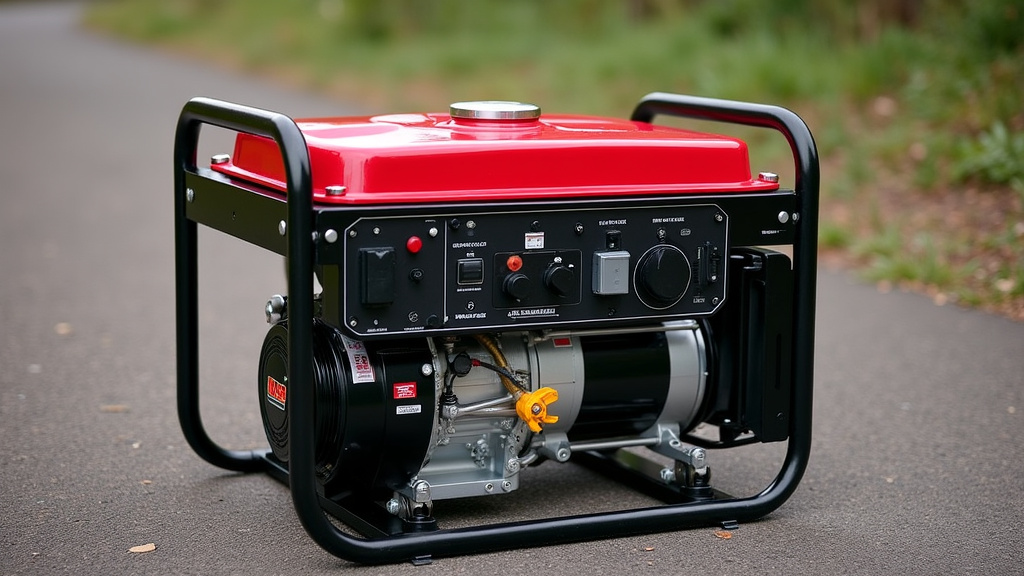
The All-Important Oil Change
This step is non-negotiable. After your initial break-in period (usually 5-8 hours of operation), you MUST change the engine oil.
Remember those tiny metal imperfections we talked about? During break-in, these particles get dislodged. They’re now floating in your oil.
Why the First Oil Change is Critical
The first oil change removes these microscopic metal fragments. If left in, they act like sandpaper, accelerating wear on your engine’s internal components.
Many experts say this is the most important oil change your generator will ever have. Don’t skip it!
How to Change the Oil
Refer to your owner’s manual for specific instructions. Generally, you’ll want the engine to be warm, but not hot. This allows the oil to drain more easily.
Locate the drain plug, place a suitable container underneath, and remove the plug. Let all the old oil drain out. Replace the plug, then refill with the recommended new oil. This time, you can often switch to synthetic if your manual allows, for longer intervals between changes.
Proper disposal of the old oil is crucial. Don’t just pour it down the drain! Most auto parts stores or recycling centers accept used engine oil.
Monitoring and Post-Break-In Care
Even after the break-in and first oil change, it’s wise to keep an eye on your generator. This habit will serve you well for its entire life.
Listen for odd noises. Check for leaks. Ensure proper ventilation during operation. A little vigilance goes a long way.
Regular Maintenance Schedule
Once broken in, follow your manufacturer’s recommended maintenance schedule. This typically includes:
- Regular oil changes (every 50-100 hours of use, or annually).
- Checking and cleaning/replacing the air filter.
- Inspecting spark plugs.
- Fuel system maintenance (especially if using gasoline).
Proper maintenance is like routine check-ups for your body. It helps catch small issues before they become big problems.
Fuel Storage for Dual Fuel Generators
If you primarily use gasoline, consider adding a fuel stabilizer if the generator will sit unused for more than a month. Modern gasoline can go bad quickly.
For propane, ensure tanks are stored safely and valves are closed when not in use. Propane doesn’t degrade like gasoline, so it’s a great option for long-term storage.
Conclusion
You’ve seen that breaking in your new dual fuel generator isn’t just an option; it’s a critical investment in its future. By carefully following these steps—from choosing the right oil to varying the load—you actively prevent early wear and optimize performance. This small effort upfront pays huge dividends in reliability and longevity.
Remember to always consult your owner’s manual for model-specific instructions. Now, take what you’ve learned and confidently prepare your generator to serve you reliably for years to come. Your generator will thank you with consistent, dependable power.
Frequently Asked Questions
Can I use propane for the entire break-in period?
While possible, many experts suggest using gasoline for the initial break-in. Gasoline often provides more consistent combustion, which helps the engine components seat properly. You can switch to propane more regularly after the break-in and first oil change.
What happens if I skip the break-in process entirely?
Skipping the break-in period can lead to premature wear of engine components and reduced overall lifespan. Metal fragments from manufacturing imperfections might circulate in the oil, causing damage. You could also experience less efficient operation and potential warranty issues.
How often should I change the oil after the initial break-in?
After the crucial first oil change, follow your manufacturer’s recommended maintenance schedule. This typically involves changing the oil every 50-100 hours of operation or at least once a year, whichever comes first.
Can I break in my generator with a very heavy load to speed it up?
No, you should avoid running your generator at a constant, heavy load during the break-in period. This can put undue stress on new components and hinder proper seating. Varying the load, and staying below 75% capacity, is key for an effective break-in.
Is it okay to store my generator with fuel in it after break-in?
If storing with gasoline, always add a fuel stabilizer to prevent it from degrading and clogging the carburetor. For propane, simply close the valve on the tank; propane does not degrade over time like gasoline, making it a great option for long-term storage.
