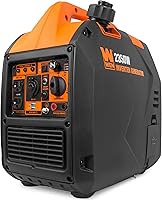
Best 9000-Watt Generators: Top 6 Picks (November 2026)
The best 9000 watt generators include the Westinghouse 12500 Watt Dual Fuel Home Backup for whole home backup, the Westinghouse 8200 Peak Watt Tri-Fuel Portable Inverter for clean inverter power, and the Westinghouse 9500 Peak Watt Home Backup Portable for simple gasoline backup.
On this page (7 sections)
- How we compared these 9000 watt generators
- The best 9000 watt generators for home, RV and work
- How should you compare running watts and peak watts?
- Is a conventional or inverter generator better for a 9000 watt class pick?
- What outlets and transfer switch features should you look for?
- How do fuel choice, tank size and runtime affect your pick?
- Which best 9000 watt generator should you buy?
The best 9000 watt generator for most homes is the Westinghouse 12500 Watt Dual Fuel Home Backup, because it pairs 9,500 running watts on gasoline with remote start and a 50A outlet. If you plan to power laptops, TVs or phones for long stretches, the Westinghouse tri-fuel inverter gives cleaner power at a lower wattage.
Our score weighs specs, features and buyer feedback against what you are shopping for. We compared running watts, peak watts, fuel options, outlets, runtime and safety features across this group.
A 9000 watt class generator is not a single exact size. Some picks here sit below 9000 running watts and some sit above it.
That spread is normal, and it helps you match power to your load list.
Our picks at a glance
-
1
 Best for whole home backup
Westinghouse 12500 Watt Dual Fuel Home Backup
9.7/10 our score
See it on Amazon -
2
 Best for clean inverter power
Westinghouse 8200 Peak Watt Tri-Fuel Portable Inverter
9.3/10 our score
See it on Amazon -
3
 Best for simple gasoline backup
Westinghouse 9500 Peak Watt Home Backup Portable
9.0/10 our score
See it on Amazon
- 4
 Best for maximum peak powerCheck it
- 5
 Best for tri-fuel flexibilityCheck it
- 6
 Check it
WEN DF1100X 11000-Watt Electric Start Portable Generator
Best for versatile outlets
How we compared these 9000 watt generators
We checked the specs for running watts first, because running watts tell you what you can power all day. Peak or surge watts matter for motors that need extra power to start.
We also compared fuel options, tank size, outlet types and safety features. Dual fuel and tri-fuel models give you more choices during a long outage.
Inverter models trade some peak power for cleaner output and lower noise.
Weight and footprint mattered in our comparison because a generator that is hard to move may sit unused. Several picks here weigh more than 200 lb and measure roughly 27 inches in each direction, so storage space and a clear path to a door should be part of your plan.
We looked closely at included items, such as a remote key fob, battery charger, oil, funnel, propane hose and tool kit. A complete box can reduce extra purchases, but you should still check whether a transfer switch, inlet box or fuel tank is sold separately.
How did we handle different fuel ratings?
We treated gasoline, propane and natural gas ratings as separate numbers, not as one headline figure. A model that gives 9,500 running watts on gasoline may give materially less on propane, and tri-fuel models drop further on natural gas.
That distinction changes which pick fits your home. If you plan to store the unit for emergencies and run it on propane, start with the propane running watts and build your load list from there.
If you want cleaner power as your top priority, start with our best 9000 watt inverter generator guide. If you need more headroom, our best portable 10000 watt generator guide covers the next size up.
The best 9000 watt generators for home, RV and work
Each pick below suits a different job. Use running watts on your chosen fuel as your main guide, then check outlets and runtime for your setup.
Westinghouse 12500 Watt Dual Fuel Home Backup: Best for whole home backup
- 9,500 running watts and 12,500 peak watts on gasoline
- 8,500 running watts and 11,200 peak watts on propane
- Remote start with key fob
- Up to 12 hours on 6.6 gallon tank
- 457cc 4-stroke OHV engine
Strong running watts for a 9,500 watt class pick, with dual fuel choice, remote start and a 50A outlet for home backup.
Pros
- High running wattage on both fuels
- Remote start with included key fob
- 50A and 30A outlets for home loads
Cons
- Open frame design
- Larger footprint for moving
The Westinghouse 12500 Watt Dual Fuel Home Backup suits a home that needs steady power for a refrigerator, sump pump, lights and a window air conditioner. It gives 9,500 running watts and 12,500 peak watts on gasoline, which is strong for this class.
On propane, it gives 8,500 running watts and 11,200 peak watts. That drop is normal for propane, so plan your load list around the propane numbers if that is your main fuel.
Remote start with the included key fob helps when the generator is placed away from the house. The 457cc engine has a cast iron sleeve, automatic low oil shutdown and a digital hour meter for tracking service.
The VFT display shows voltage output, frequency and lifetime hours in real time. That detail helps you spot changes in output and plan oil changes without guessing from memory.
Outlets include two GFCI household outlets, a 30A transfer switch ready outlet and a 50A RV ready outlet. That mix helps with both home backup and trailer use, and the rubber covers add protection at the panel.
The trade-off is size and an open frame design. If you want cleaner power for electronics, the inverter pick below may fit better.
Westinghouse 8200 Peak Watt Tri-Fuel Portable Inverter: Best for clean inverter power
- 6,600 running watts and 8,200 peak watts on gasoline
- Tri-fuel: gasoline, propane, natural gas
- Less than 3% THD
- Around 60 dBA at 25% load
- 298cc 4-stroke OHV engine
An inverter with tri-fuel flexibility, low THD and quieter operation for electronics, camping and home backup.
Pros
- Clean power with less than 3% THD
- Tri-fuel flexibility
- Quieter and more fuel efficient
Cons
- Lower running watts than open frame picks
- Less surge headroom for large motors
The Westinghouse 8200 Peak Watt Tri-Fuel Portable Inverter suits buyers who want clean power for electronics plus home backup. It gives 6,600 running watts and 8,200 peak watts on gasoline, with less than 3% THD.
Inverter power is a better fit for phones, computers and TVs. Copper windings help create cleaner power and run cooler, according to Westinghouse, and the fully enclosed design suits nearby use better than an open frame.
It also runs on propane and natural gas. On propane it gives 5,940 running watts, and on natural gas it gives 5,280 running watts.
Check those numbers before you add large motors.
The inverter design adjusts engine speed to the load. Westinghouse says it is around 60 dBA at 25% load, and it can run up to 17 hours on a 3.9 gallon tank at that load.
A CO sensor, LED data center, fuel gauge and hour meter support safe, planned use. At 134.5 lb, it is also lighter than the conventional picks here.
The trade-off is lower running watts than the open frame picks. If you need to start central air conditioning, a larger conventional pick may be a safer match.
Westinghouse 9500 Peak Watt Home Backup Portable: Best for simple gasoline backup
- 7,500 running watts and 9,500 peak watts
- Remote start with key fob
- Up to 11 hours on 6.6 gallon tank
- 420cc 4-stroke OHV engine
- CO shutdown
A straightforward gasoline home backup pick with remote start, a 30A outlet and carbon monoxide shutdown.
Pros
- Simple gasoline operation
- Remote start and transfer switch ready outlet
- CO shutdown for safety
Cons
- Gasoline only
- Lower running watts than dual fuel picks
The Westinghouse 9500 Peak Watt Home Backup Portable suits a buyer who wants simple gasoline backup without fuel switching. It gives 7,500 running watts and 9,500 peak watts.
That output can handle many home essentials when you manage starting loads one at a time. A refrigerator, sump pump and lights are a common mix in this range.
Remote start with the included key fob, plus electric and recoil start, gives you backup starting options. The 420cc engine and cast iron sleeve are built for regular use.
It runs up to 11 hours on a 6.6 gallon tank. The fuel gauge and hour meter help you plan refills and oil checks, and automatic low oil shutdown protects the engine.
A CO shutdown sensor adds a layer of protection for home use. You should still run it outdoors with exhaust away from windows and doors, and never in a garage.
Outlets include two GFCI household outlets and one 30A twist-lock outlet that is transfer switch ready. That setup suits extension cords or a transfer switch, depending on your plan.
The trade-off is gasoline only. If you want fuel choice for storage or longer outages, look at the dual fuel picks.
DuroStar DS13000MX: Best for maximum peak power
- 13,000 peak watts and 10,500 running watts
- 500cc OHV engine
- Dual fuel: gasoline or propane
- CO alert shutdown
- 50A outlet
The highest peak and running watts here, with dual fuel running and a 50A outlet for whole home loads.
Pros
- Highest running watts in this group
- Dual fuel flexibility
- Heavy duty steel frame
Cons
- Heaviest pick here at 220 lb
- Large size needs storage space
The DuroStar DS13000MX suits a buyer who wants the most headroom in this group. It gives 13,000 peak watts and 10,500 running watts, which is well above the 9000 watt class label.
That extra power can help with whole home backup, a job site or an RV with several loads running at once. It does not mean you should connect every load at the same time.
Dual fuel running gives you gasoline or propane. The front fuel selector makes switching easier, and the 500cc engine is the largest here.
A CO alert system shuts the generator down if dangerous carbon monoxide is detected. That safety feature matters for home use, and you should still run it outdoors with exhaust away from windows.
The all-metal construction and reinforced power panel suit heavy use. The included wheel and handle kit, remote control, propane regulator and tool set help with setup, though the 220 lb weight remains a real handling issue.
At nearly 30 inches long, this needs clear floor space in a garage or shed. A two person move and a ramp or low threshold will make loading and unloading far easier.
The trade-off is weight and size. If you need to move it often, a lighter pick may suit you better despite lower watts.
Generac: Best for tri-fuel flexibility
- 9,500 running watts and 12,500 starting watts on gasoline
- Tri-fuel: gasoline, propane, natural gas
- 500cc Generac OHV engine
- Up to 9.5 hours at 50% load on gasoline
- 7.5 gallon tank
Tri-fuel running with strong surge watts, AVR and a large tank for long home backup runs.
Pros
- Tri-fuel with natural gas option
- Strong starting watts for motor loads
- Large 7.5 gallon tank
Cons
- 219 lb weight needs care moving
- Runtime drops as load rises
The Generac tri-fuel pick suits a home that wants fuel choice for long outages. It gives 9,500 running watts and 12,500 starting watts on gasoline, with propane and natural gas options too.
Starting watts help with motor loads such as an air conditioner, sump pump or power tools. Built-in automatic voltage regulation helps stabilize output voltage for connected equipment.
The 7.5 gallon tank gives up to 9.5 hours at 50% load on gasoline, or up to 14 hours at 25% load. A natural gas line can give virtually unlimited runtime, according to Generac.
COsense technology detects rising carbon monoxide and shuts the unit down before dangerous levels. Push-button electric start removes pull-cord effort, and low oil shutdown protects the 500cc engine.
Outlets include two GFCI household outlets, a 30A twist-lock and a 50A outlet. That panel suits home backup, RV use and job site tools, and the digital hour meter helps with maintenance tracking.
The included natural gas conversion kit, propane hose and rechargeable battery reduce setup work. The steel tube cradle frame and 9.5 inch never-flat wheels help with movement.
The trade-off is weight at 219 lb and runtime that drops as load rises. Plan your load list around the fuel you will actually use.
WEN DF1100X 11000-Watt Electric Start Portable Generator: Best for versatile outlets
- 8,300 running watts and 11,000 surge watts on gasoline
- 7,500 running watts and 9,500 surge watts on propane
- 457cc 4-stroke OHV engine
- Up to 8.5 hours at half load
- 6.6 gallon tank
Dual fuel power with many outlets, including four household outlets and a 50A outlet for backup loads.
Pros
- Many outlet choices on one panel
- Dual fuel with simple fuel selector
- CO shutdown sensor
Cons
- Shorter half-load runtime than some picks
- 213.8 lb weight
The WEN DF1100X suits a buyer who wants many outlet choices for home and campsite use. It gives 8,300 running watts and 11,000 surge watts on gasoline.
On propane, it gives 7,500 running watts and 9,500 surge watts. The fuel selector dial makes switching between gasoline and propane simple.
The 457cc engine and electric start with a key make starting easier. A 6.6 gallon tank gives up to 8.5 hours at half load.
The panel has four 120V GFCI outlets, a 120V 30A twist-lock, a 120/240V 50A outlet and a 12V DC plug. That mix can cover lights, a TV, a refrigerator, a sump pump and small tools.
A CO watchdog sensor shuts the generator down if dangerous carbon monoxide is detected. The wheel and handle kit helps with moving the 213.8 lb unit, and the included 47 inch LPG hose connects quickly to a propane tank.
The 120V to 240V flexibility suits transfer switch use for emergency backup. That matters more than the number of household outlets if you plan to feed a home panel.
The trade-off is a shorter half-load runtime than some picks here. If you need longer runs, compare tank size and load before you buy.
How should you compare running watts and peak watts?
Running watts are what you can power nonstop. Peak watts are short bursts of extra power for motors when they start.
Start your list with running watts, not peak watts. Add up the running watts for each item you want to run at once.
Then add extra room for motors that need a surge to start.
What is a good wattage match for a home?
A 9000 watt class generator can suit a home with a refrigerator, sump pump, lights and entertainment. Central air conditioning can push you toward a larger pick or a smaller load list.
Our best 50 amp portable generator guide can help if a 50A outlet is your main need. A 50A outlet does not create more watts, but it lets you connect larger backup loads.
What should you check on propane and natural gas?
Propane and natural gas usually give fewer watts than gasoline. Check the running watts for the fuel you plan to use most.
For propane runtime planning, our Top 7 Watt Dual Fuel Generator For Propane Runtime guide explains how fuel choice changes your run time. The same idea applies to tri-fuel models, where natural gas gives the lowest watts of the three fuels.
Is a conventional or inverter generator better for a 9000 watt class pick?
A conventional open frame generator usually gives more running watts for the size. That can help with home backup loads and motor starting.
An inverter generator gives cleaner power with lower distortion. It often runs quieter at partial load and uses less fuel when demand is low.
When does clean power matter most?
Clean power matters for phones, computers, TVs and other electronics. The inverter pick here lists less than 3% THD, which is a key detail for those loads.
If you mostly power appliances and tools, a conventional pick may give you more watts for the job. If you mix electronics with home loads, an inverter may be worth the trade-off.
When does noise matter most?
Noise matters at a campsite, in a driveway or near neighbors. Inverter models that adjust engine speed to the load can be quieter at light loads.
Open frame models often run louder because the engine speed stays steadier. Check the stated sound level and the load at which it was measured.
What outlets and transfer switch features should you look for?
Outlets decide how you connect your loads. A transfer switch ready outlet can feed your home panel through a proper transfer switch.
A 50A outlet can suit an RV or home backup setup. A 30A outlet can suit a smaller transfer switch or a large corded load.
Household outlets can power phones, lights and small appliances by cord.
Which outlet mix suits home backup?
Look for a 50A or 30A outlet plus bonded household outlets. That gives you a path for whole home backup and direct corded loads.
For a smaller home load list, a best 5000 watt portable generator may be enough. Compare your load list before you move up in size.
Which outlet mix suits RV and job site use?
RV use often needs a 30A or 50A outlet. Job site use may need several household outlets for tools.
The WEN pick has four household outlets plus 30A and 50A outlets. That mix can help when several tools or appliances need power at once.
How do fuel choice, tank size and runtime affect your pick?
Fuel choice affects watts, storage and runtime. Gasoline often gives the highest watts.
Propane often gives lower watts but can be easier to store.
Tank size affects how long you can run between refills. Higher loads use fuel faster, so a stated runtime at 25% load will not match a full load run.
How should you plan for a long outage?
Add up your essential loads, then limit the list to what the generator can run on your chosen fuel. A smaller essential list can mean a longer runtime and fewer refills.
Our Top 7 Watt Dual Fuel Generator For Propane Runtime guide can help you compare propane runtime across dual fuel models. Use the same load-first approach for gasoline and natural gas.
What maintenance checks should you plan for?
Check oil level before each run and follow the oil change schedule in your manual. Keep the air filter clean and store fuel with a stabilizer if you follow your manual guidance.
Use the hour meter to track service intervals. Store the generator in a dry place and run it outdoors only, with exhaust pointed away from doors and windows.
Which best 9000 watt generator should you buy?
Pick the Westinghouse 12500 Watt Dual Fuel Home Backup if you want the best mix of running watts, remote start and outlet choice for home backup. Pick the Westinghouse tri-fuel inverter if clean power, lower noise and fuel choice matter more.
Pick the DuroStar DS13000MX if you want maximum running watts in this group and you have space to store and move a 220 lb unit. Pick the Generac if tri-fuel running and strong starting watts are your top needs.
Pick the WEN DF1100X if a wide outlet mix helps your home, RV or job site setup. Pick the Westinghouse gasoline model if you want simple operation and do not need dual fuel running.
Use your load list as the final check. Add running watts for the items you want to run at once, then confirm the generator meets that total on the fuel you plan to use.
Our top 3 picks at a glance
-
1
Best for whole home backup
Westinghouse 12500 Watt Dual Fuel Home Backup
9.7/10 our score
See it on Amazon -
2
Best for clean inverter power
Westinghouse 8200 Peak Watt Tri-Fuel Portable Inverter
9.3/10 our score
See it on Amazon -
3
Best for simple gasoline backup
Westinghouse 9500 Peak Watt Home Backup Portable
9.0/10 our score
See it on Amazon
Frequently asked questions
What size generator do I need for home backup?
Add the running watts for the items you want to power at once, then add starting watts for motors such as an air conditioner or sump pump. A generator in the 9000 watt class can handle many home essentials, but less if central air conditioning is on the list.
Check each load against the running watts on the fuel you plan to use.
Is an inverter generator better than a conventional generator?
An inverter generator makes cleaner power with lower distortion, and it often runs quieter at partial load. That makes it a good fit for phones, computers and TVs.
A conventional open frame generator often gives more running watts for the size.
Choose based on the electronics you plan to power and how much surge power you need.
Can I run a 9000 watt generator on propane?
Many models here offer dual fuel or tri-fuel running. Propane usually gives lower watts than gasoline, so check the running watts for propane before you plan your loads.
Propane can help with storage and longer runs in some cases.
Your total runtime depends on tank size, load and the fuel you choose.
How long will a 9000 watt generator run?
Runtime depends on tank size, fuel type and how hard the engine is working. Models here list up to 12 hours on a 6.6 gallon gasoline tank, and up to 17 hours at 25% load for the inverter pick.
Higher loads use fuel faster.
Plan for refueling well before the tank runs dry.