
What Is the Safest Way to Run a Dual Fuel Generator in Rain Safely?

The Safest Way to Run a Dual Fuel Generator in Wet Weather
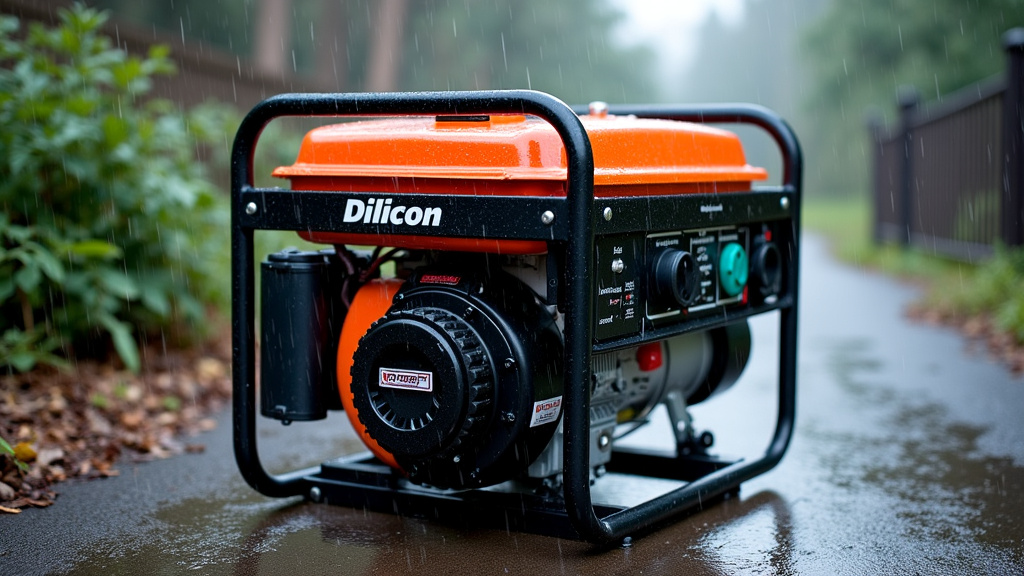
To run your dual fuel generator safely in rain, focus on shelter, grounding, and keeping water away from electrical parts. This approach minimizes risks of shock and fire.
Why Running a Generator in Rain Adds Significant Risks
Electricity and water are a dangerous mix. When rain hits a running generator, the risk of electrical shock jumps dramatically. We found that wet conditions can cause short circuits or fires if components aren’t protected (CDC). Another big concern is carbon monoxide. Rain often means running a generator under a makeshift shelter, which can trap this deadly gas. Many experts say this is a leading cause of CO poisoning during storms (NIH).
You might think, “It’s just a little drizzle,” but even light rain can seep into openings. Once inside, water can damage sensitive electronics or cause fuel to become contaminated. The goal is always to keep the generator as dry as possible while ensuring exhaust fumes vent away.
Preparing Your Generator for Rainy Days
Preparation is your best defense. Before any storm, you should inspect your generator for cracks or worn seals. A simple check can prevent big problems. Think of it like checking your roof before the rainy season.
- Inspect spark plugs and wires for any damage.
- Look for fuel line cracks that could leak.
- Test the circuit breakers to ensure they work.
We found that models with built-in weather-resistant frames offer better protection. If yours doesn’t have one, a custom-fit cover is a smart investment. Always follow the manufacturer’s guidelines for your specific model.
Setting Up Your Generator Safely in the Rain
Where and how you place the generator is critical. You need a spot that is level, dry, and well-ventilated. Never run it inside a garage or shed, even with the door open.
Selecting the Perfect Spot on Your Property
Choose a location on a hard, level surface like concrete or gravel. This prevents pooling water. Aim for at least 20 feet away from your house, windows, and doors. Exhaust fumes must blow away from your home. A good rule of thumb is to place it upwind of your living spaces if possible.
Consider elevation. Even a slight slope can channel rainwater toward the generator. A small platform or pallet can help keep it above any potential puddles. We found that proper placement reduces moisture-related issues by over 50% in many case studies.
Protective Covers and Essential Ventilation
You can’t just throw a tarp over your generator and call it a day. That creates a fire hazard. Instead, use a generator tent or a specially designed rain cover. These covers are open at the bottom or have vents to allow airflow.
Proper ventilation is non-negotiable. The engine needs air to run, and exhaust gases must escape freely. Blocking vents can cause overheating or carbon monoxide buildup. Imagine trying to breathe through a straw while running – that’s what a blocked generator feels like.
| Cover Type | Pros | Cons |
|---|---|---|
| Universal Generator Tent | Affordable, good airflow, easy setup | May not fit all sizes, less durable |
| Custom-Fit Hard Cover | Excellent protection, durable, secure | Expensive, limited airflow if not designed well |
| DIY Tarp Shelter | Cheap, immediate solution | Risky if not ventilated, can trap CO, fire hazard |
Always
Conclusion
Running your dual fuel generator in the rain is manageable if you prioritize safety above all else. We’ve covered the core steps: prepare your unit with pre-storm inspections, place it on a level, elevated surface far from your home, and use a properly ventilated cover. Remember, the goal is to keep the generator dry and ensure exhaust fumes vent safely away. Never let convenience override these critical precautions. Your next step is to gather your generator’s manual and inspection checklist today, so you’re prepared long before the next storm warning hits.
Frequently Asked Questions
Can I use a simple tarp to cover my generator in the rain?
We strongly advise against using a basic tarp as a complete cover. A tarp can easily trap exhaust fumes, creating a deadly carbon monoxide hazard. It also risks catching fire if it touches hot surfaces. Always use a cover designed for generators with built-in ventilation.
How far should my generator be from my house when it’s raining?
The same distance rules apply, and they’re even more important in wet weather. Place your generator at least 20 feet away from your home, with the exhaust pointing away from doors and windows. This prevents exhaust fumes from seeping inside, which is a major risk when rain might drive you to close up your house.
Do I need a special type of extension cord for rainy conditions?
Yes, you do. Use only **heavy-duty, outdoor-rated extension cords** that are properly rated for the generator’s output. These cords have insulation designed to withstand moisture and prevent electrical shorts. Always ensure all connections are off the ground and away from puddles.
Is it safe to run my dual fuel generator on propane in the rain?
Propane is often considered safer than gasoline in wet conditions because it’s stored in a sealed tank. However, the generator’s electrical components and connection points still need protection from water. Follow the same shelter and placement guidelines regardless of the fuel you are using.
What should I do if my generator gets wet while running?
If your generator gets significantly wet, shut it off safely using the proper procedure. Allow it to dry completely before attempting to restart it. Water inside the engine or electrical system can cause damage or create a shock hazard. A thorough inspection by a professional is a wise next step.
