
What Is the Safest Way to Replace a Generator Spark Plug?
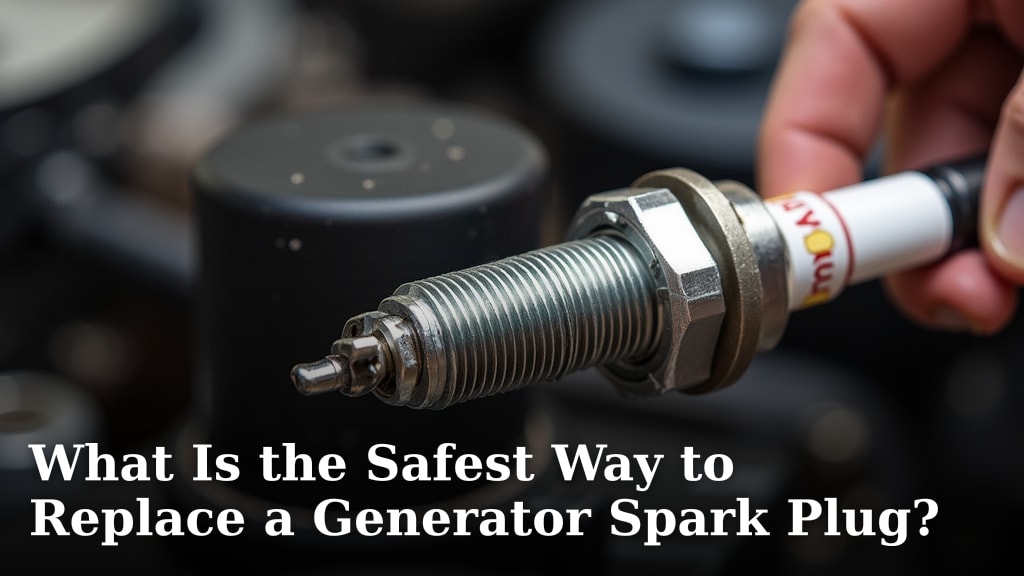
The safest way to replace a generator spark plug is to always disconnect the spark plug wire first, allow the engine to cool completely, and use the correct tools. Following these steps prevents accidental engine starts and burns, keeping you safe.
Replacing a spark plug might seem minor. But it’s a key part of generator upkeep. A new spark plug helps your generator start reliably and run smoothly. We found that taking a few safety steps makes this task simple and worry-free.
- Disconnect the spark plug wire.
- Let the engine cool down.
- Use the right tools.
- Choose the correct replacement spark plug.
Let’s walk through exactly how to replace your generator’s spark plug safely, step by step.
Safely Replacing Your Generator’s Spark Plug
Replacing your generator’s spark plug is a straightforward task. However, safety must always come first. You’ll want to take a few key steps to protect yourself from harm.
Gathering Your Tools and Supplies
Before you begin, gather everything you’ll need. This saves time and keeps you from searching for tools in the middle of the job. Having the right tools makes the process easier and prevents damage to your generator.
Essential Tools for Spark Plug Replacement
What exactly do you need? We found a small collection of items makes this job simple. You’ll need a spark plug wrench, a gap gauge, and a wire brush. Sometimes a socket set works too.
- Spark Plug Wrench: This special wrench fits snugly over the spark plug. It provides the leverage you need to remove and install the plug.
- Spark Plug Gap Gauge: Spark plugs need a very specific gap for optimal performance. This tool ensures yours is set correctly.
- Wire Brush: Useful for cleaning around the spark plug well before removal. This prevents dirt from falling into the engine.
- Clean Rags: For wiping up any spills or cleaning components.
- Safety Glasses: Always protect your eyes from debris.
- Work Gloves: Protect your hands from dirt, grease, and sharp edges.
Choosing the Correct Replacement Spark Plug
This is crucial! Not all spark plugs are created equal. Using the wrong spark plug can lead to poor engine performance or even damage. You need to make sure the new plug matches your generator’s specifications.
How do you find the right one? Check your generator’s owner’s manual. It will list the exact spark plug type and size. If you don’t have the manual, you can often find this information on the manufacturer’s website. We found that matching the brand and model number of your generator to the spark plug is key.
Prioritizing Safety Measures Before You Start
Your safety is the most important part of this entire process. Never rush this stage. Many generator incidents happen when safety steps are skipped. Think of it like preparing for a mini-expedition in your garage. You wouldn’t climb a mountain without checking your gear first, right?
Disconnecting the Spark Plug Wire
This is the absolute first step and non-negotiable. Why? Because it prevents the engine from accidentally starting. Even a slight turn of the flywheel could cause the engine to fire, which can lead to serious injury. Pull the spark plug wire cap directly off the spark plug. It should come off with a firm pull.
Ensuring the Engine is Cool
A hot engine can cause severe burns. Allow your generator to cool down completely before touching any components. This can take an hour or more, depending on how long it was running. Patience here is a virtue. Think of it like waiting for a freshly baked pie to cool before slicing into it. Good things come to those who wait.
Turning Off Fuel and Power Sources
For additional safety, turn off the fuel supply valve if your generator has one. Also, make sure the generator’s main power switch is in the “OFF” position. This removes any potential for fuel flow or electrical discharge, creating a safer work environment. These steps are simple but effective in preventing accidents.
Step-by-Step Spark Plug Removal
Now that you’re prepared and safe, you can remove the old spark plug. Take your time with each step. There’s no need to rush.
Locating and Cleaning the Spark Plug Area
The spark plug is usually located on the side of the engine cylinder head. It often has a thick rubber boot covering it. Once you’ve removed the boot, use your wire brush to clean around the base of the spark plug. This prevents dirt, dust, or debris from falling into the combustion chamber when the plug is removed. We found this small step can prevent future engine problems.
Using the Spark Plug Wrench for Removal
Fit your spark plug wrench over the old spark plug. Turn it counter-clockwise to loosen it. It might be tight at first, especially if it hasn’t been changed in a while. Apply steady, even pressure. Once it breaks loose, you can often unscrew it by hand. Be careful not to cross-thread it when turning.
Installing Your New Spark Plug
With the old plug out, it’s time for the new one. This part is just as important as the removal, if not more so, for the proper function of your generator.
Setting the Correct Spark Plug Gap
This is a critical step many people skip. Even new spark plugs might not have the correct gap right out of the box. Refer to your generator’s manual for the precise gap specification. Use your spark plug gap gauge to adjust the gap. If the gap is too small, carefully bend the ground electrode outwards. If it’s too large, gently tap the electrode on a hard surface to close the gap. A correctly gapped plug ensures efficient combustion.
Hand-Threading and Tightening the New Plug
Carefully thread the new spark plug into the engine’s cylinder head by hand. Turn it clockwise. You want to make sure it goes in smoothly. If you feel resistance, stop. You might be cross-threading it. Back it out and try again. Cross-threading can damage the engine threads, which is a much bigger and more expensive problem. Once it’s hand-tight, use your spark plug wrench to tighten it. Don’t overtighten it! This can strip the threads or crack the spark plug. A good rule of thumb is to tighten it about 1/4 to 1/2 turn after it’s snug (Briggs & Stratton). You’re not trying to win a wrestling match with the plug, just secure it.
Reattaching the Spark Plug Wire
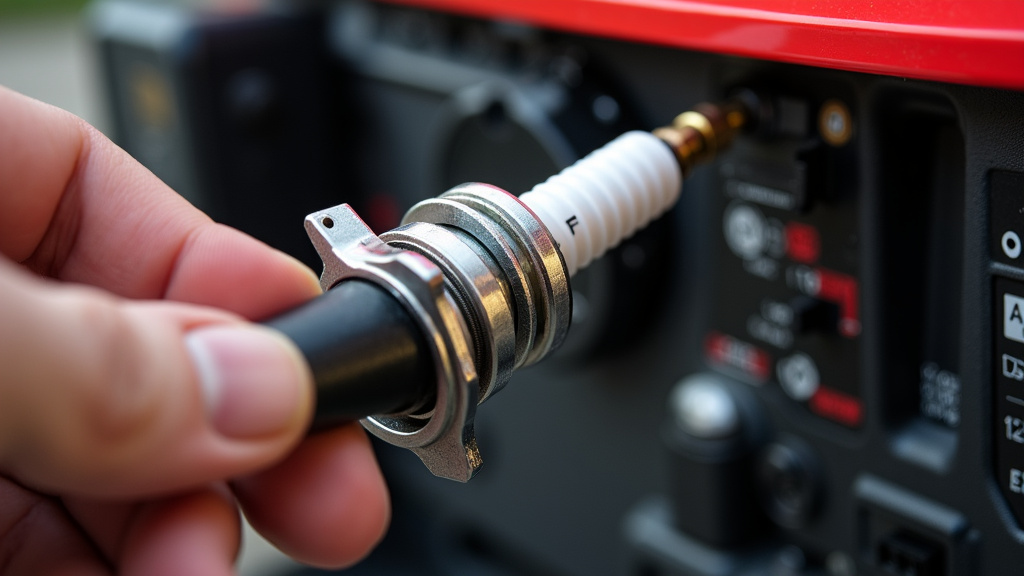
Once the new spark plug is installed, firmly push the spark plug wire boot back onto the spark plug. You should feel it click or seat securely. Give it a gentle tug to ensure it’s firmly attached. A loose connection can cause misfires or prevent the generator from starting.
Post-Replacement Checklist
Before you try to start your generator, double-check everything. This final review ensures you haven’t missed any crucial steps. It’s like doing a final sweep of your house before leaving for vacation.
- Is the new spark plug tightened correctly? (Not too loose, not too tight)
- Is the spark plug wire firmly connected to the new plug?
- Are all tools cleared away from the generator?
- Is the fuel supply valve (if applicable) turned back on?
- Is the generator’s main power switch in the “OFF” position before restarting? (You’ll switch it to “ON” right before attempting to start)
Troubleshooting Common Issues
What if your generator doesn’t start after the replacement? Don’t panic. We found a few common things to check. It’s usually something simple.
| Issue | Possible Cause | Solution |
|---|---|---|
| Generator won’t start. | Spark plug wire loose. | Ensure spark plug wire is firmly seated. |
| Generator starts, then dies. | Incorrect spark plug gap. | Recheck and adjust gap using a gauge. |
| Engine runs rough. | Spark plug not fully tightened. | Gently tighten spark plug to spec. |
| No spark. | Faulty new spark plug. | Test with another new spark plug or the old one (if it was working). |
Most issues after a spark plug change relate back to either the gap or the connection. Always recheck these first. Sometimes, a new plug can be faulty out of the box, although this is rare. If the problem persists, it might be an issue beyond the spark plug itself, and consulting your owner’s manual or a qualified technician would be the next step.
Conclusion
Replacing your generator’s spark plug safely boils down to preparation and careful execution. You’ve learned that disconnecting the spark plug wire, allowing the engine to cool, and using the correct tools are your best defenses against injury. We found that attention to these details makes a seemingly small task a safe and successful one.
By following these steps, you ensure your generator remains a reliable power source, ready when you need it most. You’ll gain confidence in your maintenance skills and keep your equipment running smoothly for years to come. Now, confidently tackle that spark plug replacement and keep your generator in top shape.
Frequently Asked Questions
How often should I replace my generator’s spark plug?
You should generally replace your generator’s spark plug every 100 hours of use or at least once a year, whichever comes first. Always check your owner’s manual for specific recommendations tailored to your generator model.
Can I use a car spark plug in my generator?
No, you should only use the specific spark plug recommended by your generator’s manufacturer. Car spark plugs are designed for different engines and operating conditions, and using the wrong one can damage your generator or reduce its performance.
What happens if I don’t gap the new spark plug?
If you don’t gap the new spark plug correctly, your generator might experience hard starting, misfires, or reduced fuel efficiency. An improper gap can also lead to premature wear of the spark plug or other engine components.
Is it normal for a new spark plug to be tight when installing?
A new spark plug should thread in smoothly by hand for the first few turns. If you feel significant resistance right away, stop and re-align it. Forcing it can cross-thread and damage the engine, leading to costly repairs.
What if my generator still won’t start after replacing the spark plug?
First, recheck the spark plug wire connection and ensure the plug is gapped correctly. Also, confirm the fuel supply is on and the engine kill switch is in the “run” position. If issues persist, there might be another problem, such as a fuel system clog or carburetor issue, and professional help might be needed.
