
What Is a Generator Interlock Kit Used For?
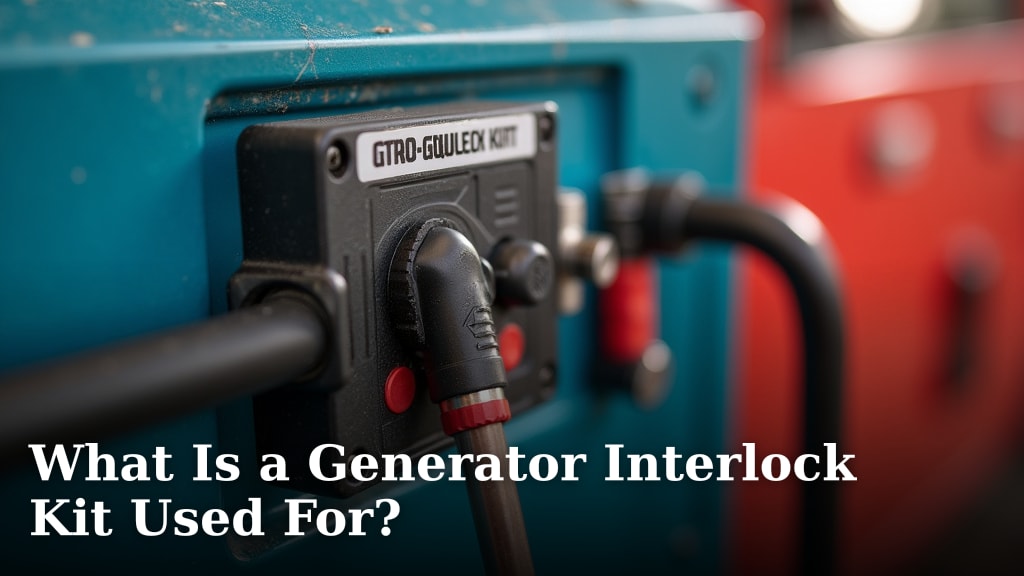
A generator interlock kit is used to safely connect a portable generator to your home’s electrical system, letting you power essential circuits during an outage. It physically prevents your main power from being on at the same time as the generator, which is critical for safety.
You can think of it as a mechanical guardian for your electrical panel. We found that this device makes sure your generator’s power doesn’t accidentally flow back onto the utility lines, which could seriously injure or even kill utility workers. It’s an essential safety measure for anyone using a portable generator to power their home.
- A generator interlock kit prevents dangerous electrical backfeed.
- It allows you to safely use a portable generator for home power.
- The kit ensures only one power source (utility or generator) is active at a time.
- It’s a more affordable and DIY-friendly option than a transfer switch. Understanding what a generator transfer switch is used for can help you compare it to an interlock kit.
So, why is this small device such a big deal for generator owners? Let’s take a closer look at what it does and why you might need one.
What a Generator Interlock Kit Does for Your Home
A generator interlock kit is a clever device. It makes sure you can’t accidentally connect your portable generator to your home’s electrical system while it’s still connected to the utility power. Think of it as a physical safeguard. It’s designed to keep you and utility workers safe during a power outage.
When the power goes out, your home loses its connection to the electrical grid. If you just plug a generator directly into a wall outlet, you’re sending electricity back out onto those lines. We call this “backfeeding,” and it’s incredibly dangerous.
Stopping Dangerous Backfeed
Backfeeding is the main reason you need an interlock kit. Imagine a utility worker trying to repair a power line they think is dead. If your generator is sending power onto that line, it could cause a severe shock or even death. Many safety organizations, like the Electrical Safety Foundation International (ESFI), constantly warn against this hazard.
The interlock kit prevents this by making it impossible to have both your main utility breaker and your generator breaker on at the same time. It’s a simple, mechanical solution.
How an Interlock Kit Works Its Magic
So, how does this little device pull off such an important job? It’s all about a sliding plate or bar.
You install the interlock kit directly onto your existing electrical panel. Specifically, it goes over your main utility breaker and the dedicated breaker you’ll use for your generator’s power.
The Sliding Mechanism
The interlock kit features a sliding metal plate or bar. This plate physically blocks one breaker from being switched on if the other is already on. For example, if your main utility breaker is on, the plate slides down and prevents you from flipping the generator breaker up.
When the power goes out, you first switch off your main utility breaker. Then, the interlock plate allows you to slide it to a position where you can turn on your generator’s dedicated breaker. This ensures that only one power source is feeding your home at any given moment.
It’s a straightforward design, but it’s incredibly effective at preventing mistakes.
Advantages of Using a Generator Interlock Kit
Why choose an interlock kit over other options for connecting a generator? There are several good reasons that make it a popular choice for many homeowners.
- Safety First: As we’ve discussed, the primary benefit is preventing dangerous backfeed. This protects utility workers and your home’s electrical system.
- Cost-Effective: Interlock kits are generally much more affordable than installing a full automatic transfer switch. They use your existing electrical panel.
- DIY Friendly (Often): While professional installation is recommended, some handy homeowners can install an interlock kit themselves, depending on local codes and their comfort level.
- Maintains Panel Integrity: It doesn’t require a separate sub-panel, keeping your electrical setup simpler.
- Code Compliant: When installed correctly, an interlock kit makes your generator connection compliant with electrical codes, ensuring your insurance stays valid.
Comparing Interlock Kits to Other Options
When you’re thinking about how to connect a generator, you’ll likely come across a few different terms. It’s helpful to know how an interlock kit stacks up against other common solutions.
| Feature | Generator Interlock Kit | Manual Transfer Switch | Automatic Transfer Switch |
|---|---|---|---|
| Safety Against Backfeed | Yes, mechanically prevents it. | Yes, isolates utility power. | Yes, isolates utility power. |
| Cost (Installation & Parts) | Lowest cost option. | Medium cost. | Highest cost option. |
| Complexity of Operation | Manual process: flip breakers. | Manual process: flip switch. | Automatic: no action needed. |
| Installation | On existing main electrical panel. | Separate sub-panel required. | Separate sub-panel required. |
| Generator Type | Portable generators. | Portable or standby generators. | Standby generators (mostly). |
| Power Outage Response | You manually connect generator. | You manually connect generator. | Generator starts & connects automatically. |
As you can see, an interlock kit is a great middle-ground solution. It offers essential safety features without the higher cost and complexity of a full transfer switch. It’s perfect for those who want to use a portable generator to power key circuits during an outage.
What You’ll Need to Use an Interlock Kit
Beyond the interlock kit itself, there are a few other components you’ll need to set up your safe generator connection. Think of it as a small team working together.
- Portable Generator: Of course, you need the generator to provide the power!
- Inlet Box: This is where you plug your generator into your home. It’s typically mounted on the outside of your house.
- Generator Cord: A heavy-duty cord designed to connect your generator to the inlet box.
- Properly Sized Breaker: Your electrical panel will need a dedicated circuit breaker for the generator, matched to its output.
- Professional Electrician: While some kits are advertised as DIY, we always recommend a licensed electrician for installation. Electrical work can be dangerous if done incorrectly and local codes almost always require it. (National Electrical Code)
Having these items ensures your system is complete and ready to go when you need it most. It’s all about preparation.
Steps to Using Your Interlock Kit Safely
Once your interlock kit is installed, using it during a power outage is a pretty straightforward process. We’ve broken it down into a few simple steps for you.
- Power Goes Out: Your lights flicker, then go dark. Time to act.
- Turn Off Main Breaker: Go to your electrical panel and switch off your main utility breaker. This is crucial for safety.
- Slide Interlock Plate: Move the interlock plate to the “generator” position. This allows you to access the generator breaker.
- Connect Generator: Outside, plug your generator into the inlet box using the heavy-duty cord.
- Start Generator: Follow your generator’s instructions to start it safely. Let it run for a minute or two to warm up.
- Turn On Generator Breaker: Back at your panel, switch on the dedicated generator breaker.
- Select Circuits: Now, you can selectively turn on individual circuit breakers for the appliances you want to power (fridge, lights, furnace, etc.). Don’t try to power everything at once; your generator has limits!
- Restore Power: When utility power returns, reverse the process: Turn off generator breaker, turn off generator, unplug generator, slide interlock plate back, then turn on main utility breaker.
Following these steps ensures you’re operating your generator safely and effectively. It becomes second nature after a time or two.
Important Considerations Before Installation
Before you decide to install a generator interlock kit, there are a few things you should keep in mind. Thinking ahead can save you headaches later.
- Local Electrical Codes: Always check with your local authority having jurisdiction (AHJ) for specific electrical codes and permit requirements. Codes can vary widely by city and state.
- Panel Compatibility: Not every interlock kit fits every electrical panel. You’ll need to know your panel’s brand and model number to find a compatible kit.
- Generator Sizing: Make sure your portable generator is powerful enough to run the essential appliances you plan to connect. Overloading a generator can damage it and your appliances.
- Professional Installation: While interlocks are simpler than transfer switches, electricity is serious business. We strongly recommend hiring a qualified, licensed electrician for installation to ensure safety and code compliance.
- Fuel Storage: Generators need fuel. Plan for safe storage of gasoline or propane, following all safety guidelines. (Occupational Safety and Health Administration – OSHA)
Taking these points into account will help you have a smooth and safe experience with your generator interlock kit.
Conclusion
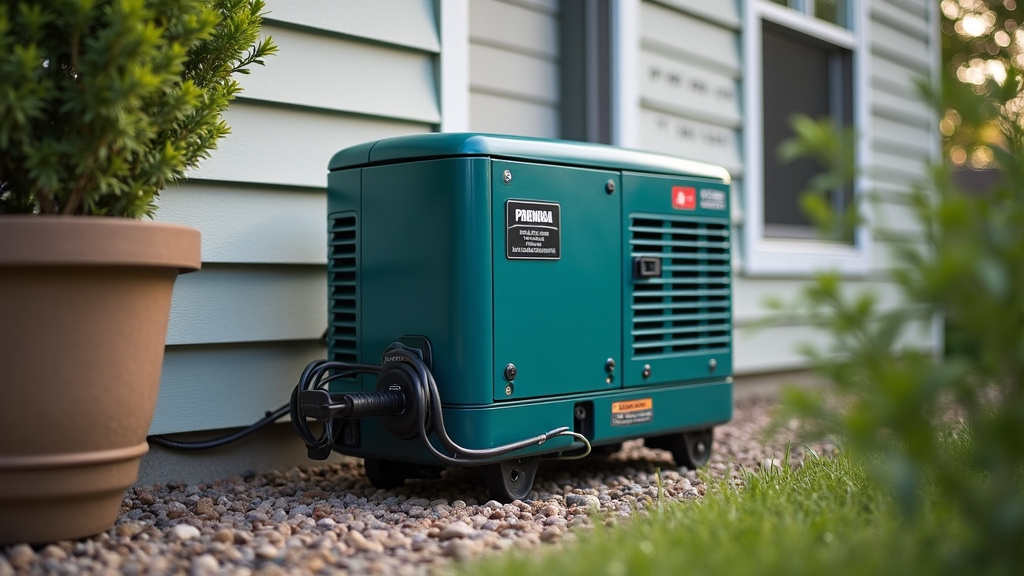
You’ve seen how a generator interlock kit is a vital safety device. It prevents dangerous backfeeding, protecting utility workers and your home. This kit offers a cost-effective and compliant way to power your essential appliances during an outage.
By understanding its function and following safe operating procedures, you can feel confident and prepared. We always recommend professional installation. Taking this step ensures you have reliable emergency power when you need it most.
Frequently Asked Questions
Is a generator interlock kit required by law?
Many local electrical codes and the National Electrical Code (NEC) require a safe, listed means to connect a generator to your home. An interlock kit, when properly installed, satisfies these requirements. Always check with your local authority for specific regulations in your area.
Can I install a generator interlock kit myself?
While some homeowners might feel comfortable with DIY electrical work, we strongly recommend hiring a licensed electrician for interlock kit installation. This ensures safety, proper wiring, and compliance with all local codes. Working with electricity can be dangerous if you’re not experienced.
What size generator do I need for an interlock kit?
The size of your generator isn’t directly dictated by the interlock kit itself. Instead, it depends on the total wattage of the appliances you want to power during an outage. Make a list of your essential items and their wattage to determine the appropriate generator size.
Does an interlock kit work with any electrical panel?
No, interlock kits are specific to the brand and model of your electrical panel. You’ll need to know your panel’s details to find a compatible kit. We found that most major panel manufacturers offer interlock kits for their common models.
What’s the difference between an interlock kit and a manual transfer switch?
Both prevent backfeeding. An interlock kit works within your existing electrical panel by blocking breakers. A manual transfer switch is a separate sub-panel installed next to your main panel, requiring you to physically switch power sources there. Interlocks are generally less expensive and simpler to install.
