
Is It Worth Buying Inverter or Conventional Dual Fuel Generator?
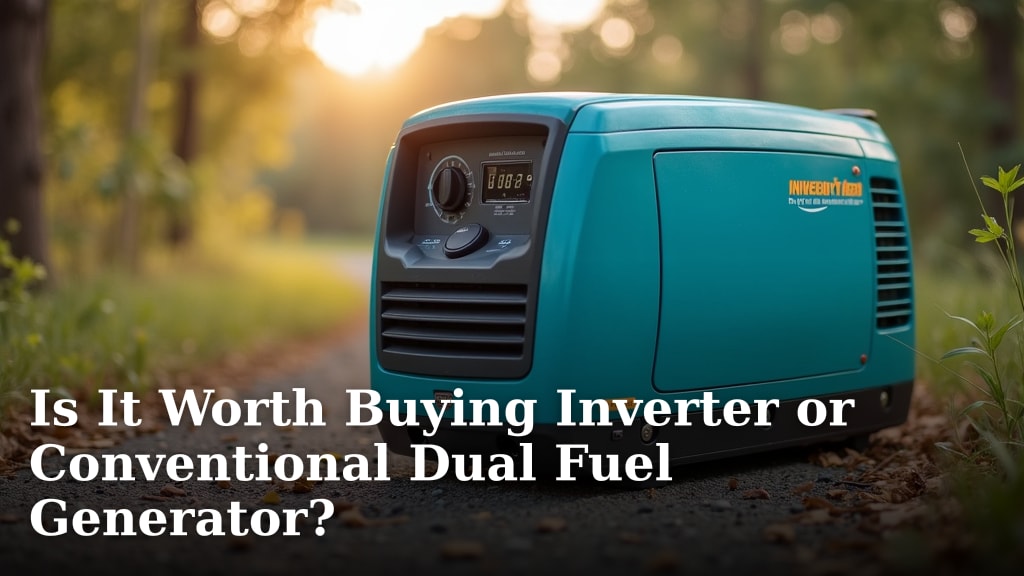
Deciding if it’s worth buying an inverter or conventional dual fuel generator depends on your specific needs and priorities. Generally, inverter generators are worth it for quiet operation and clean power for sensitive electronics, while conventional models offer more raw power for heavier tasks.
You’re likely looking for a generator that fits your budget and lifestyle. We found that most people prioritize either power output or noise level. Understanding how each type of dual fuel generator works will help you make the best choice for your home or campsite.
- Inverter generators offer quiet, stable power.
- Conventional generators provide high, consistent power.
- Dual fuel generators run on gasoline or propane.
- Your specific use case will dictate the best choice.
Let’s walk through the key differences and help you figure out which generator type is the perfect match for you.
Choosing Between Inverter and Conventional Dual Fuel Generators
Deciding between an inverter and a conventional dual fuel generator comes down to what you need it for. We found that most people prioritize either quiet operation and clean power or raw power for demanding tasks.
Understanding Dual Fuel Generators
First, let’s talk about the “dual fuel” part. This simply means your generator can run on two types of fuel: gasoline or propane. This flexibility is a huge advantage.
Why Dual Fuel is a Smart Choice
You get options with a dual fuel generator. If gasoline prices spike, you might switch to propane. If there’s a gasoline shortage, you still have propane as a backup. This fuel versatility offers peace of mind during emergencies or long camping trips.
- Fuel Flexibility: Switch between gasoline and propane based on availability or cost.
- Longer Storage: Propane stores for much longer than gasoline without going bad.
- Cleaner Burn: Propane generally burns cleaner, which can extend engine life.
- Emergency Preparedness: More fuel options mean you’re better prepared for outages.
The Conventional Dual Fuel Generator: Raw Power
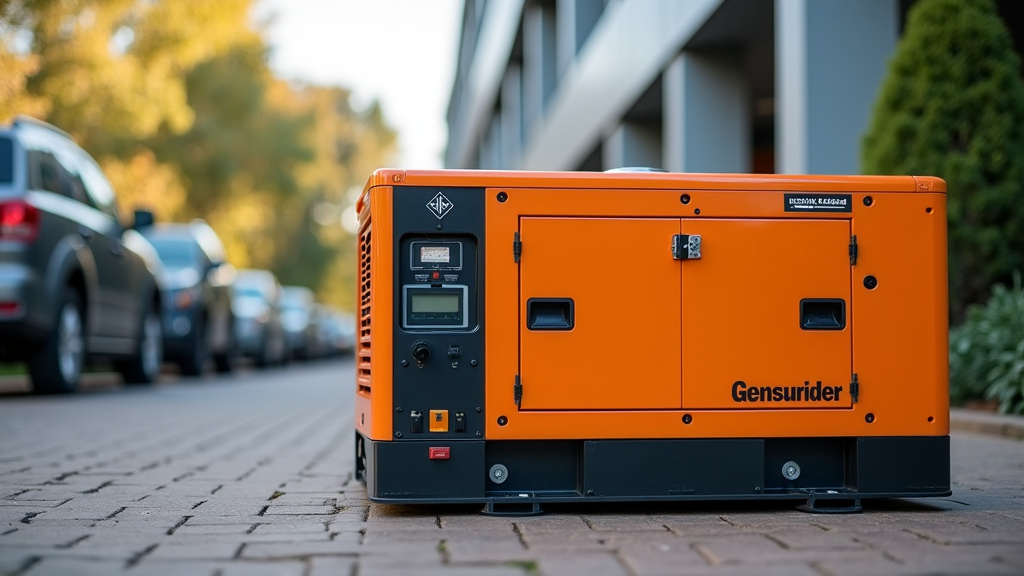
Think of conventional generators as the workhorses. They are built for heavy-duty tasks and delivering a lot of power consistently. They’re often found on construction sites or powering entire homes during extended outages.
Advantages of Conventional Generators
If you need to power appliances with high starting watts, like a well pump or central air conditioner, a conventional generator is usually your go-to. They are designed to handle large power demands without skipping a beat.
- High Power Output: They produce a lot of watts, perfect for big loads.
- Cost-Effective: Often less expensive upfront than inverter models with similar power.
- Robust Design: Built to be durable and withstand tough conditions.
- Simple Operation: Straightforward to start and run.
Drawbacks of Conventional Generators
However, this raw power comes with some trade-offs. You’ll notice they’re usually much louder than inverter models. Their power delivery can also be less “clean,” which matters for sensitive electronics.
- Noise Level: They are significantly louder, which can be a nuisance.
- Less “Clean” Power: The power output isn’t as smooth, potentially harming sensitive devices.
- Fuel Efficiency: Generally consume more fuel than inverter generators.
- Larger and Heavier: Less portable due to their size and weight.
The Inverter Dual Fuel Generator: Quiet and Clean Power
Inverter generators are the modern solution, especially if you’re powering electronics or need something quieter. They use advanced technology to produce stable, high-quality electricity.
How Inverter Technology Works
Instead of directly generating AC power, inverter generators convert AC to DC, then back to AC. This process creates a much smoother sine wave. This “clean” power is crucial for devices like laptops, smartphones, and medical equipment that can be damaged by fluctuating power.
Advantages of Inverter Generators
Many people gravitate towards inverter generators for their camping trips or tailgating events. Their quiet operation and clean power output are major selling points. They also tend to be more fuel-efficient.
- Quiet Operation: Much quieter, perfect for camping or residential use.
- Clean Power: Safe for all sensitive electronics and appliances.
- Fuel Efficiency: Often adjust engine speed to match power demand, saving fuel.
- Portable: Usually lighter and more compact, making them easy to move.
Drawbacks of Inverter Generators
While they offer many benefits, inverter generators aren’t without their downsides. They often have a higher upfront cost and typically produce less maximum power than similarly sized conventional models.
- Higher Cost: Generally more expensive to purchase.
- Lower Power Output: Often provide fewer watts, limiting what you can power.
- Complex Technology: More parts mean potentially more complex repairs, though less frequent.
Comparing Inverter vs. Conventional Dual Fuel Generators
Let’s put them side-by-side. We found that a clear comparison helps you visualize the differences and decide what truly matters for your situation.
| Feature | Inverter Dual Fuel Generator | Conventional Dual Fuel Generator |
|---|---|---|
| Power Output | Generally lower, but clean and stable | Higher, but less stable |
| Noise Level | Much quieter | Significantly louder |
| Fuel Efficiency | Better, adjusts to load | Lower, constant engine speed |
| Portability | High (lighter, more compact) | Lower (heavier, bulkier) |
| Sensitive Electronics | Excellent for all devices | Not recommended for some devices |
| Cost | Higher upfront cost | Lower upfront cost |
| Best Use | Camping, tailgating, sensitive electronics, light home backup | Construction, heavy-duty tools, whole-home backup, long outages |
When is an Inverter Dual Fuel Generator Worth It for You?
An inverter dual fuel generator is absolutely worth it if your main concerns are quiet operation, fuel efficiency, and protecting your electronics. Think about it: if you’re camping, you don’t want a noisy generator disturbing the peace. If you’re running your laptop or TV, you need that clean power.
We found that for many homeowners who need occasional backup power or for recreational users, the benefits of an inverter generator often outweigh the higher price tag.
When is a Conventional Dual Fuel Generator Worth It for You?
On the other hand, a conventional dual fuel generator is your best bet if you need maximum power for essential heavy-duty appliances. If you’re powering a construction site, a large RV with multiple AC units, or your entire home’s critical systems during a long outage, raw power output is key.
Many experts say that if you plan to power things like a well pump, central air conditioning unit, or a large workshop with power tools, a conventional generator will give you the surge capacity you need without breaking the bank.
Making Your Decision: A Quick Checklist
To help you decide, ask yourself these questions. Your answers will guide you to the right type of generator for your specific needs.
- Do you need to power sensitive electronics (laptops, phones, medical devices)?
- Is quiet operation important to you (camping, residential area)?
- Do you need maximum power for heavy-duty appliances (well pump, central AC, power tools)?
- Is portability a major factor for your intended use?
- What is your budget for the initial purchase?
- How often do you anticipate using the generator, and for what duration?
Ultimately, the “worth” of an inverter versus a conventional dual fuel generator is defined by your unique situation. There’s no single best answer, only the best answer for you.
Conclusion
Ultimately, your decision comes down to what you need a generator to do. If quiet operation, clean power for electronics, and portability are your priorities, an inverter dual fuel generator is a wise investment. If you require raw power for heavy appliances and don’t mind the noise, a conventional model is likely a better fit. We found that honestly assessing your primary use cases and budget will lead you to the right choice for your needs. Take these insights, consider your specific situation, and choose the generator that offers you the most peace of mind and practical benefit.
Frequently Asked Questions
Can an inverter dual fuel generator power a refrigerator during an outage?
Yes, most inverter dual fuel generators can easily power a standard refrigerator. Their clean power is ideal for appliances with sensitive electronics, ensuring your food stays cold without risk of damage.
Are conventional dual fuel generators safe for home use?
Conventional dual fuel generators are safe for home use when operated correctly. Always run them outdoors in a well-ventilated area to prevent carbon monoxide buildup. Follow all manufacturer safety guidelines carefully.
How much louder is a conventional generator compared to an inverter model?
Conventional generators can be significantly louder, often operating at 70-80 decibels or more. Inverter generators typically run in the 50-60 decibel range, similar to a normal conversation, making them much quieter.
Do dual fuel generators require special maintenance?
Dual fuel generators require similar maintenance to gasoline-only models, with the added benefit that propane burns cleaner, potentially extending engine life. Regular oil changes and air filter checks are still essential.
Can I connect two inverter generators together for more power?
Many inverter generators offer a “parallel kit” option, allowing you to link two compatible units together. This effectively doubles your power output, giving you more flexibility for larger loads when needed.
