
What Causes Propane Hose Leaking at Generator?
Propane hose leaking at your generator usually happens due to wear and tear, improper installation, or damage from external factors. These issues can lead to weakened seals or cracks in the hose itself. Addressing these common causes helps ensure your generator runs safely and reliably.
We’ve found that overlooking your propane hose can lead to some serious headaches. Think about it: it’s the direct line for fuel. Factors like extreme weather, rodents, or even just age can degrade the hose over time. Keeping a close eye on its condition is key to preventing leaks.
- Hose wear and tear is common.
- Bad installation can create leaks.
- External damage is a major culprit.
- Check for cracks and loose fittings.
- Regular inspection saves trouble.
Let’s walk through exactly why your propane hose might be leaking and what you can do about it.
Why Your Generator’s Propane Hose Might Be Leaking
A leaking propane hose on your generator can be a worrying sound. You might hear a hissing noise or even smell that distinct rotten egg odor. This isn’t something to ignore. Propane is highly flammable, and leaks pose a serious safety risk. Let’s figure out what’s causing the problem so you can fix it.
Common Culprits Behind Propane Hose Leaks
We’ve found that most propane hose leaks stem from a few key areas. Understanding these can help you identify the issue quickly. It’s often a combination of age, environmental factors, and how the hose was installed or handled. Keeping a close watch on these points is really your best defense.
Wear and Tear: The Inevitable Aging Process
Hoses, like any other rubber or plastic component, aren’t built to last forever. Over time, the material can become brittle or develop tiny cracks. This is especially true if the hose is exposed to the elements regularly. Think of it like an old rubber band that snaps after being stretched too many times. This natural degradation is a major reason for leaks.
The Effects of Weather and Time
Sunlight, extreme temperatures, and moisture can all take a toll on propane hoses. UV rays from the sun can degrade the rubber, making it less flexible and more prone to cracking. Freezing temperatures can also make the hose brittle, and repeated thawing and freezing cycles can worsen the damage. Even humidity can contribute to the breakdown of the hose material over the years. Many experts agree that consistent exposure to these conditions accelerates aging.
Friction and Abrasion Damage
Sometimes, the hose can rub against other parts of the generator or the ground. This constant friction can wear away the outer layer of the hose. Once that protective layer is gone, the inner tubing is exposed and can eventually crack or be punctured. We’ve seen cases where the hose rubs against a sharp metal edge, causing a leak.
Installation Errors: A Slippery Slope
How the propane hose is connected to both the tank and the generator is vital. If connections aren’t tight or are misaligned, it’s a recipe for disaster. Even a slight looseness can allow propane to escape. Proper installation is key to safety.
Loose Fittings and Connections
This is perhaps the most common installation-related issue. Propane fittings, often called regulators or adapters, need to be screwed on securely. If they’re not snug, gas will find its way out. You might feel a slight tug or see a small amount of gas escaping if the fitting is loose. We recommend hand-tightening and then giving it a slight extra turn with a wrench, but be careful not to overtighten.
Kinked or Twisted Hoses
When you connect a propane hose, it should run in a relatively straight line. If the hose gets kinked or twisted, it can put stress on the material. This stress can lead to internal damage that might not be immediately visible. A kinked hose also restricts fuel flow, which can affect your generator’s performance. It’s like trying to drink through a straw that’s been bent sharply – it’s tough going.
Using the Wrong Type of Hose
Not all hoses are created equal. Propane hoses are specially designed to handle the pressure and chemical properties of propane. Using a generic hose not rated for propane can be incredibly dangerous. These non-rated hoses might degrade quickly or even be incompatible with propane fittings. Always ensure you’re using a CSA-certified or similarly approved hose designed for propane applications.
External Factors That Can Damage Your Propane Hose
Beyond just age and installation, other external forces can put your propane hose at risk. These are often things you might not even think about until a leak occurs. Being aware of these potential hazards can help you protect your equipment.
Rodents and Pests: Uninvited Guests
Believe it or not, rodents like mice and rats can chew through propane hoses. The rubber material can be attractive to them, and they can gnaw through it, creating small holes. This is a particular problem if your generator is stored in a shed or a location where pests are common. They don’t know they’re creating a dangerous leak, of course, but the result is the same. Experts at pest control often warn about this.
Physical Impact and Punctures
Accidents happen. You might drop a tool near the generator, or something heavy could fall onto the hose. Even a sharp piece of debris on the ground could puncture the hose if it’s not properly routed or protected. We’ve found that keeping the area around your generator clear helps prevent this type of damage.
Improper Storage and Handling
How you store your generator and its propane tank can make a difference. If the hose is left dangling or is exposed to harsh conditions when not in use, it’s more likely to get damaged. Coiling it too tightly or storing it in a way that puts kinks in it can also cause long-term stress. Careful handling is a simple but effective way to extend hose life.
How to Inspect Your Propane Hose for Leaks
Regular inspection is your best tool for preventing a dangerous situation. You don’t need to be a mechanic to do a quick check. A few minutes of your time can save you a lot of trouble. Think of it as a quick check-up for your generator’s fuel line.
The Soapy Water Method: Your Best Friend
This is the go-to method for detecting propane leaks. It’s simple, effective, and safe. You’ll need a spray bottle filled with a mixture of dish soap and water. After connecting your propane tank and turning the valve on slowly, spray the soapy water generously over the hose, fittings, and connections. If you see bubbles forming, that’s where your leak is. The soap highlights even the smallest escape of gas.
Visual Inspection: What to Look For
Always start with a good old-fashioned look. Walk around your generator and examine the propane hose from end to end. Look for any obvious signs of damage:
- Cracks or splits in the hose material.
- Fraying or worn spots, especially where the hose might rub against something.
- Bulges or blisters, which can indicate internal damage or a weakened section.
- Discoloration that looks different from the rest of the hose.
Checking the Connections
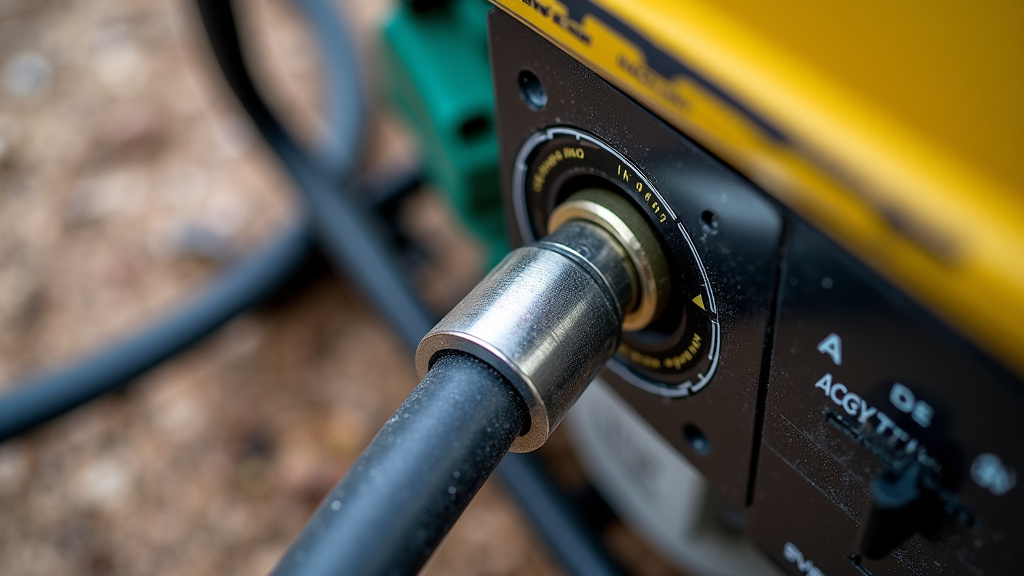
Pay special attention to where the hose connects to the propane tank regulator and where it connects to your generator. These are the most common places for leaks to develop. Wiggle the fittings gently (when the gas is off, of course) to see if they feel loose. Research shows that fittings can loosen over time due to vibrations.
Quick Checklist for Propane Hose Safety
To make sure you’re covering all your bases, keep this simple checklist handy:
- Inspect visually for cracks, fraying, or damage.
- Use soapy water on connections and the hose length.
- Check that fittings are snug and not loose.
- Ensure the hose isn’t kinked or sharply bent.
- Verify you’re using the correct propane-rated hose.
- Replace any hose showing signs of wear or leaks immediately.
Conclusion
You’ve learned that propane hose leaks at your generator are often due to everyday wear and tear, simple installation mistakes, or unexpected external damage. Understanding these common causes puts you in the driver’s seat for maintaining your generator’s safety and performance. Regular visual checks and the reliable soapy water test are your best defenses. Don’t wait for a problem to arise; make inspecting your propane hose a routine part of your generator maintenance. If you find any issues, replace the hose immediately to ensure your generator runs safely and reliably.
Frequently Asked Questions
How often should I check my propane hose for leaks?
We recommend a thorough visual inspection and soapy water test at least once a month, especially if you use your generator frequently. Check it again anytime you connect or disconnect a propane tank.
Can I use a regular garden hose with my generator?
No, never. Regular garden hoses are not designed for the pressure or chemical properties of propane and can be extremely dangerous. Always use a hose specifically rated for propane and certified by organizations like CSA.
What should I do if I smell propane but don’t see bubbles?
If you smell propane, assume there’s a leak. Turn off the propane tank valve immediately, ventilate the area, and perform a more detailed inspection. Try the soapy water test again, ensuring you cover all connections and the entire hose length.
Is it safe to tighten a leaking fitting myself?
If the leak is at a fitting and the gas is off, you can try gently tightening it. However, if it continues to leak or if you’re unsure, it’s best to disconnect the hose, replace any worn washers, and then reconnect securely. If the problem persists, replace the hose and fitting.
How long do propane hoses typically last?
The lifespan of a propane hose can vary greatly depending on its quality, how often it’s used, and exposure to environmental factors. Many manufacturers suggest replacing hoses every 5-10 years as a general guideline, but always inspect them regularly for signs of wear.
