
What Causes Dual Fuel Generator Not Starting on Gasoline?
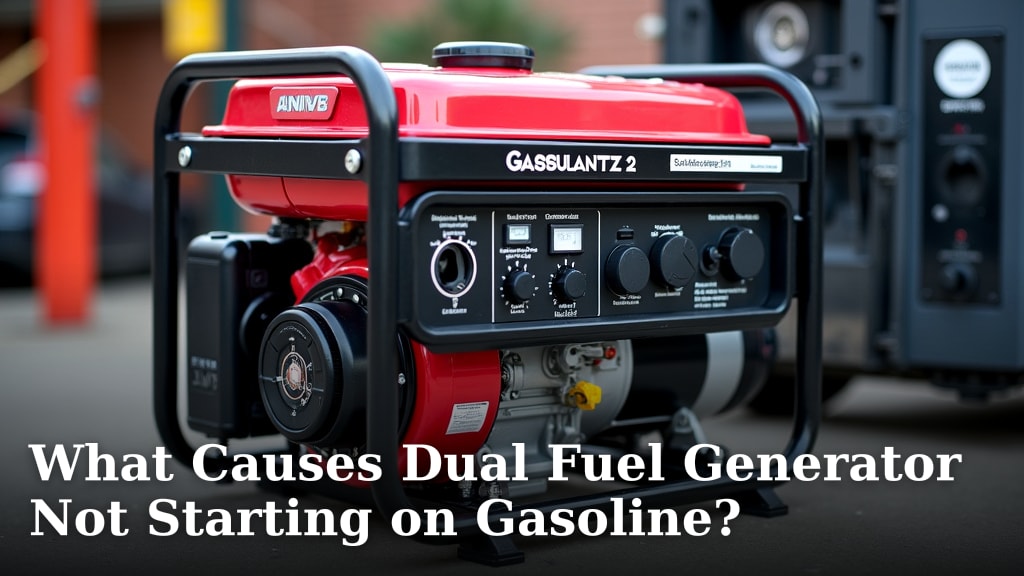
A dual fuel generator not starting on gasoline usually means there’s a problem with the Understand the difference between electric start or recoil start generator options.fuel delivery system or the spark. Common culprits include stale fuel, a clogged fuel filter, or a faulty spark plug. We found that many owners overlook these simple issues first.
Your generator relies on a perfect mix of air and fuel to ignite. If the gasoline isn’t fresh or can’t reach the engine properly, it won’t run. Similarly, a weak spark means the fuel won’t catch fire. Checking these basic components is your best bet for a quick fix.
- Stale gasoline is a top reason for starting trouble.
- A clogged fuel filter prevents gas from reaching the engine.
- A fouled or worn spark plug won’t create a strong spark.
- Check that the fuel shut-off valve is open.
- Ensure you are using the correct starting procedure.
Let’s walk through the most common reasons your dual fuel generator might be giving you trouble when you try to use its gasoline mode, and what you can do about it.
Troubleshooting Your Dual Fuel Generator: Why It Won’t Start on Gasoline
When your dual fuel generator refuses to roar to life on gasoline, it can be a bit frustrating. You’ve got the propane tank ready, but that gasoline option just isn’t cooperating. We’ve found that most starting issues stem from a few common areas. Let’s get this fixed so you can get power.
Fuel System Hiccups: The Most Common Culprits
Your generator needs a steady, clean supply of gasoline to run. If something is blocking that flow or the fuel itself is bad, ignition just won’t happen. We’ll start here because these are often the easiest fixes.
The Age of Your Gasoline Matters
Gasoline, unfortunately, doesn’t last forever. Over time, it can break down and become less effective. Many experts say gasoline can start to degrade within 30 to 90 days after purchase, especially if not stored properly (Small Engine Repair Manuals).
As gasoline ages, it can form gum and varnish deposits. These sticky residues can clog vital parts of your fuel system. Think of it like leaving soda out too long; it gets syrupy and unpleasant. This old fuel might not even ignite properly. We recommend always using fresh gasoline. If your generator has been sitting for months, it’s a good bet the fuel is the issue.
A Clogged Fuel Filter is a Showstopper
Your generator has a fuel filter to catch debris before it enters the engine. If this filter gets plugged up, gasoline simply can’t get through. This is a very common reason for starting failures. Imagine trying to drink through a straw that’s been squashed – nothing gets to you!
You’ll often find the fuel filter located along the fuel line between the tank and the carburetor. If you suspect it’s clogged, replacing it is usually a straightforward job. We’ve found that most users can handle this with basic tools. A dirty filter means a hungry engine.
The Fuel Shut-Off Valve: Is It Open?
It sounds simple, but you’d be surprised how often this is overlooked. Your generator has a fuel shut-off valve to stop gasoline flow when it’s not in use. If this valve is accidentally left in the “off” position, no fuel will reach the engine. Ever.
We always advise checking this first. Make sure the valve is in the open position before you attempt to start the generator on gasoline. It’s a small step, but it can save you a lot of time and frustration. Some are levers, some are knobs; just ensure it’s allowing fuel to pass.
Carburetor Complications: The Heart of Fuel Mixing
The carburetor is responsible for mixing the right amount of air and gasoline. If it’s clogged or dirty, your generator won’t get the proper fuel-air mixture it needs to start. This is especially true if you’ve used old gasoline.
Varnish and gum from stale fuel are notorious for blocking the tiny passages within a carburetor. If you’ve tried fresh fuel and checked the filter, the carburetor might be the next thing to inspect. Cleaning a carburetor can range from a simple spray cleaner application to a full disassembly. We found that for many modern generators, a professional cleaning is often best if you’re not mechanically inclined.
Checking the Fuel Pump (If Equipped)
Some generators have a fuel pump to help move gasoline from the tank to the engine. If this pump isn’t working correctly, it won’t create the necessary pressure to deliver fuel. This can happen due to wear and tear or electrical issues.
We recommend checking your generator’s manual to see if it has a fuel pump and how to test its function. A faulty fuel pump means your engine is starving for gas. Repair or replacement might be needed here. Always disconnect the battery or spark plug before working on fuel systems.
Ignition System Issues: No Spark, No Start
Even with perfect fuel delivery, your generator needs a strong spark to ignite that fuel. If the spark is weak or non-existent, you’re not going anywhere. This is the other major category of starting problems.
The Humble Spark Plug: A Tiny but Mighty Component
The spark plug is arguably the most important part of the ignition system. It creates the spark that ignites the fuel-air mixture. Over time, spark plugs can become fouled, worn, or damaged, leading to a weak or inconsistent spark.
We found that many users overlook the spark plug when troubleshooting. If it’s covered in carbon, oil, or has a damaged electrode, it can’t do its job effectively. Inspecting and cleaning your spark plug is a good idea. If it looks worn or is damaged, replacing it is a simple and cost-effective solution. Always ensure you have the correct gap on the new spark plug (refer to your manual).
Ignition Coil Problems
The ignition coil is what provides the high voltage needed for the spark plug to fire. If the coil is failing, it might produce a weak spark or no spark at all. This is less common than spark plug issues but still a possibility.
Testing an ignition coil typically requires specialized tools. Many guides suggest that if you’ve ruled out the spark plug and have confirmed fuel is reaching the carburetor, an ignition coil issue might be the next area to investigate. A failing coil means your generator is essentially deaf to the call to start.
Starting Procedure and Air Intake
Sometimes, the problem isn’t a faulty part, but simply not following the correct steps. Modern generators can be a bit particular.
Are You Following the Right Startup Steps?
Dual fuel generators often have specific starting procedures, especially when switching between fuels or after a period of disuse. For gasoline, you’ll typically need to turn on the fuel valve, set the choke, and prime the carburetor if it has a primer bulb. Then, pull the recoil starter or engage the electric start.
We discovered that some users might skip a step, like priming or setting the choke correctly, which can prevent starting on gasoline. Always consult your owner’s manual for the exact starting sequence. Getting the choke right is essential for that initial fuel-air mix on a cold engine.
Air Filter Blockages
Just like fuel, your generator needs air to run. The air filter prevents dirt and debris from entering the engine. If the air filter is heavily clogged with dust or debris, it can restrict airflow to the carburetor. This lean condition (too much fuel, not enough air) can make starting difficult or impossible.
We suggest checking your air filter regularly. If it looks dirty or blocked, clean or replace it. A clean air filter allows the engine to breathe properly, which is key for combustion. Think of it as giving your generator a breath of fresh air before asking it to work.
A Quick Checklist for Your Gasoline Starting Woes
Here’s a rapid-fire checklist to help you pinpoint the problem:
- Check Fuel Freshness: Is the gasoline less than 3 months old?
- Inspect Fuel Filter: Is it clean and not clogged?
- Verify Fuel Valve: Is the fuel shut-off valve in the “on” position?
- Examine Spark Plug: Is it clean, dry, and properly gapped?
- Confirm Air Filter: Is the air filter clean and not restricting airflow?
- Review Startup Procedure: Are you following the manual’s exact steps?
Conclusion
When your dual fuel generator refuses to start on gasoline, it’s usually a straightforward fix related to fuel or spark. We’ve walked through the most common culprits, from stale gas and clogged filters to simple issues like an off fuel valve or a dirty spark plug. Don’t let these minor problems leave you in the dark. The key is systematic troubleshooting. If you’ve checked the basics and are still facing issues, it might be time to consult your manual or a professional. Get your generator running smoothly so you’re always prepared.
