
How to Fix Dual Fuel Generator Not Starting on Gasoline?
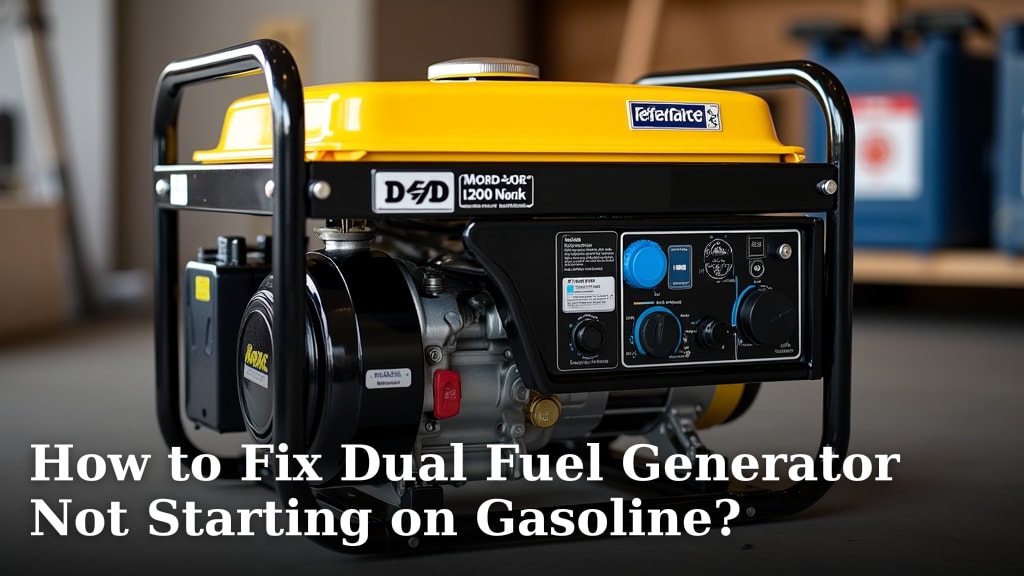
If your dual fuel generator won’t start on gasoline, you’re likely dealing with a fuel delivery issue or a spark problem. It’s a common frustration, especially when you need power fast. The good news is, most dual fuel generators that fail to start on gasoline can be fixed with a few straightforward troubleshooting steps.
Many owners find that problems like a clogged fuel filter or a stale fuel supply are often the culprits. Sometimes, a simple check of your spark plug or carburetor can get your generator roaring back to life on gasoline power. We’ve researched common causes to help you get your generator running smoothly again.
- Check your fuel supply for freshness.
- Inspect the spark plug for damage or fouling.
- Clean or replace the fuel filter if it’s clogged.
- Examine the carburetor for blockages.
- Ensure the fuel valve is open and the choke is set correctly.
Let’s walk through the most common reasons your dual fuel generator might be refusing to start on gasoline and how you can tackle them.
Troubleshooting Your Dual Fuel Generator: Gasoline Startup Issues
When your dual fuel generator refuses to start on gasoline, it can be a puzzling problem. You’ve flipped the switch, you’ve checked the fuel, but nothing happens. Don’t worry; this is a common hiccup that many generator owners face. We’ve researched the most frequent causes to help you get your generator back online quickly.
Usually, the issue boils down to a few key areas: fuel getting to the engine, a spark to ignite the fuel, or air getting into the mix. Let’s systematically work through these possibilities to pinpoint the cause of your generator’s gasoline starting woes.
Assessing Your Fuel System: The First Line of Defense
The fuel system is often the first place to look when your generator won’t start on gasoline. If the fuel isn’t reaching the engine properly, it simply won’t run. This involves checking the fuel itself and the components that deliver it.
Freshness of Your Gasoline Matters
You might be surprised how often stale gasoline is the culprit. Gasoline degrades over time, especially if it’s been sitting in the tank for months. Old fuel loses its combustibility and can gum up your generator’s fuel system. We found that fuel stored for more than 30 days, or even less in warmer climates without a stabilizer, can start to break down.
What to do: If your gasoline is old, drain the fuel tank and carburetor bowl completely. Dispose of the old fuel responsibly. Then, refill the tank with fresh gasoline. This simple step often solves the problem.
Checking the Fuel Valve and Lines
It sounds obvious, but sometimes the simplest things are overlooked. Is the fuel valve (often a small lever on the side of the fuel tank) in the “ON” position? If it’s not, no fuel will flow. Also, inspect the fuel lines for any kinks, cracks, or blockages. A damaged fuel line can prevent fuel from reaching the carburetor.
What to do: Ensure the fuel valve is turned to the “ON” position. Gently flex the fuel lines to check for stiffness or cracks. If you see any damage, you’ll need to replace the fuel line.
The Role of the Fuel Filter
Your generator has a fuel filter designed to catch impurities before they enter the carburetor. Over time, this filter can become clogged, restricting fuel flow. This is especially true if you’ve used older fuel or if your generator has been stored for a while.
What to do: Locate the fuel filter, usually in the fuel line between the tank and the carburetor. Inspect it for dirt or debris. If it looks dirty or clogged, it’s time for a replacement. Many experts recommend replacing the fuel filter annually or as part of routine maintenance (Generator Industry Association).
Many generators have an easily accessible fuel filter. Replacing it is typically a straightforward process. Just disconnect the fuel line from either side of the filter, remove the old one, and install the new one, reconnecting the fuel lines securely.
Spark Plugs and Ignition: Generating the Spark of Life
Even with fresh fuel and clear lines, your generator needs a strong spark to ignite the fuel-air mixture. Problems with the spark plug or the ignition system can leave you dead in the water.
Inspecting the Spark Plug
The spark plug is your engine’s ignition source. If it’s dirty, fouled, damaged, or has an incorrect gap, it won’t produce a strong enough spark. Carbon buildup, oil, or fuel deposits can prevent it from working correctly. We found that a fouled spark plug is one of the most common reasons for a no-start condition.
What to do: First, disconnect the spark plug wire to avoid accidental starting. Then, use a spark plug wrench to remove the spark plug. Examine it for signs of damage, excessive carbon buildup, or a wet tip (indicating fuel). Clean it gently with a wire brush or replace it if it looks worn or damaged. Ensure the gap between the electrodes is set according to your generator’s manual. A common gap setting is around 0.030 inches, but always check your specific model’s specifications.
Testing for Spark
If the spark plug looks good, you can test if the ignition system is producing a spark at all. This helps determine if the issue is with the plug itself or the ignition coil.
What to do: Reinstall the cleaned or new spark plug into the spark plug wire. Carefully hold the metal body of the spark plug against a clean, unpainted metal surface of the engine block. Make sure you’re holding the insulated part of the plug wire, not the metal tip. Have someone briefly pull the starter rope or crank the engine. You should see a strong, blue spark jump across the spark plug gap. If you see a weak, yellow spark or no spark at all, the ignition coil might be the issue, which is a more complex repair typically requiring professional help.
The Carburetor: The Engine’s Fuel Mixer
The carburetor mixes the correct amount of fuel and air to create the combustible mixture. A dirty or clogged carburetor is a frequent cause of starting problems, especially after the generator has sat for a while with fuel in it.
Understanding Carburetor Issues
When gasoline sits, its ethanol content can attract moisture, and its heavier components can leave behind sticky residues. These residues can clog the tiny passages within the carburetor, preventing proper fuel flow. This is particularly true for the idle jet and main jet. You might also notice that your generator runs fine on propane but struggles on gasoline, which is a clear indicator of a gasoline-specific fuel system issue like a carburetor problem.
Cleaning or Replacing the Carburetor
If you suspect your carburetor is the issue, cleaning it is the next step. This can range from a simple spray-down with carburetor cleaner to a full disassembly and cleaning.
What to do: For a basic cleaning, you can often use a spray can of carburetor cleaner. With the engine off and spark plug wire disconnected, spray the cleaner into the carburetor’s air intake. Let it sit for a few minutes, then try starting the engine. If this doesn’t work, you might need to remove the carburetor. Once removed, you can disassemble it carefully, clean out all the jets and passages with carburetor cleaner and compressed air, and reassemble it. Many find that if the carburetor is heavily gummed up, replacing it entirely might be more time-efficient and effective than cleaning a very old or damaged unit.
When to call a pro: Carburetor cleaning can be tricky. If you’re not comfortable with small engine parts or if cleaning doesn’t resolve the issue, it’s wise to seek professional help. Some repair shops offer carburetor cleaning and rebuilding services.
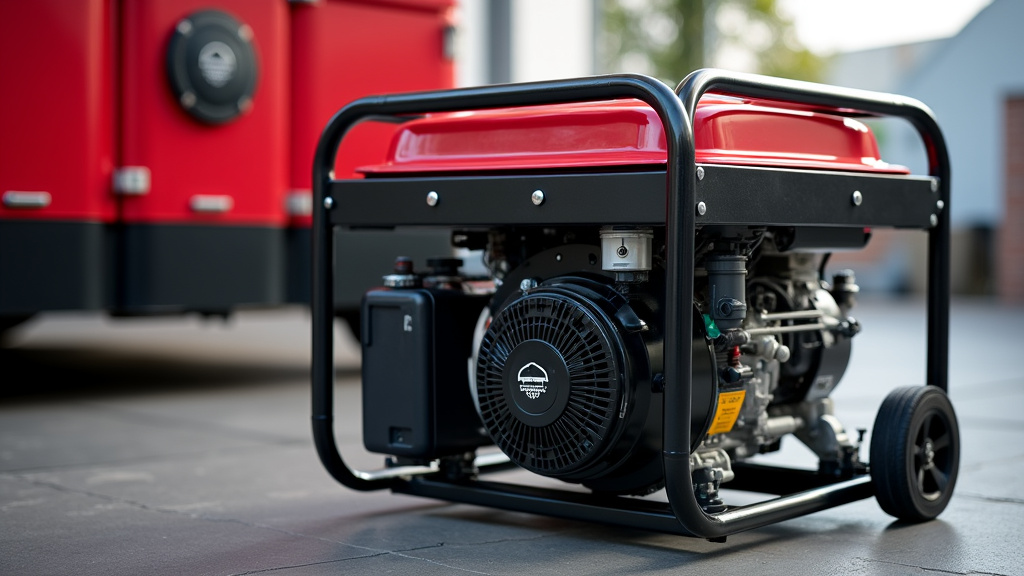
Air Intake and Choke Settings
While less common than fuel or spark issues, improper air intake or choke settings can also prevent your generator from starting on gasoline.
Ensuring Proper Airflow
Generators need air to run. Check the air filter. If it’s clogged with dirt, dust, or debris, it can restrict the airflow needed for combustion. A severely clogged air filter can make starting difficult or impossible. Generators need air to run. Check the air filter.
What to do: Locate and remove the air filter cover. Inspect the air filter. If it’s dirty, clean it according to your owner’s manual (some are washable, others need replacement). If it’s heavily soiled or damaged, replace it with a new one. A clean air filter ensures your engine gets the air it needs.
The Choke Functionality
The choke is essential for starting a cold engine. It restricts airflow, creating a richer fuel-air mixture that’s easier to ignite. If your generator has a manual choke, ensure it’s set to the “START” or “CHOKE” position when trying to start a cold engine.
What to do: For a cold start, ensure the choke lever is fully engaged. Once the engine starts, gradually move the choke to the “RUN” position as the engine warms up. If your generator has an automatic choke, ensure its mechanism is functioning correctly and not stuck. You can often hear or see if an automatic choke is trying to move when the engine is cold.
A Quick Checklist for Your Generator Startup Woes
Here’s a handy checklist to walk through if your dual fuel generator isn’t starting on gasoline. Tackle these steps systematically:
- Confirm Fresh Fuel: Empty old gas and refill with new.
- Check Fuel Valve: Ensure it’s fully open.
- Inspect Fuel Filter: Clean or replace if clogged.
- Examine Spark Plug: Clean, check gap, or replace if necessary.
- Verify Air Filter: Make sure it’s clean for proper airflow.
- Set Choke Correctly: Use “CHOKE” for cold starts.
By working through these common issues, you’ll likely find the reason your dual fuel generator is giving you trouble on gasoline. Many owners find that fresh fuel and a clean spark plug are often all that’s needed.
Conclusion
Getting your dual fuel generator to start on gasoline again doesn’t have to be a mystery. We’ve walked through the most common culprits, from stale fuel to clogged filters and ignition issues. Often, the solution is simpler than you might think. Regularly checking your fuel, spark plug, and air filter can prevent many of these problems from occurring in the first place. If you’ve tried these steps and your generator still won’t start on gasoline, it might be time to consult your owner’s manual for more specific troubleshooting or reach out to a small engine repair professional.
Frequently Asked Questions
Why does my generator run on propane but not gasoline?
This usually points to a problem with the gasoline fuel system. Gasoline can leave behind sticky residue that clogs carburetor jets or fuel lines. Propane uses a different delivery system, so it bypasses these gasoline-specific issues. Cleaning your carburetor or fuel filter is often the fix.
How often should I drain my generator’s fuel tank?
It’s a good practice to drain or stabilize your fuel if the generator will be stored for more than 30 days. Old gasoline loses its potency and can gum up your engine’s fuel system. Using a fuel stabilizer can extend the life of stored gasoline.
What’s the difference between cleaning and replacing a carburetor?
Cleaning involves disassembling the carburetor and using special cleaners to remove debris and deposits from its internal passages. Replacing means installing a brand new carburetor. Cleaning can save money if done successfully, but replacement is often quicker and more effective for severely gummed-up units.
Can a dirty air filter really stop my generator from starting on gas?
Yes, a severely clogged air filter can restrict airflow so much that the engine can’t get enough air to mix with the fuel. This can make starting very difficult or impossible. Always ensure your air filter is clean for proper engine operation.
What should I do if I don’t see a spark when testing the spark plug?
If you tested the spark plug and there’s no spark, the issue could be with the spark plug itself, the spark plug wire, or the ignition coil. If a new or cleaned spark plug doesn’t help, it suggests a problem with the ignition system that might require professional diagnosis and repair.
