
How to Use a Generator Surge Protector?
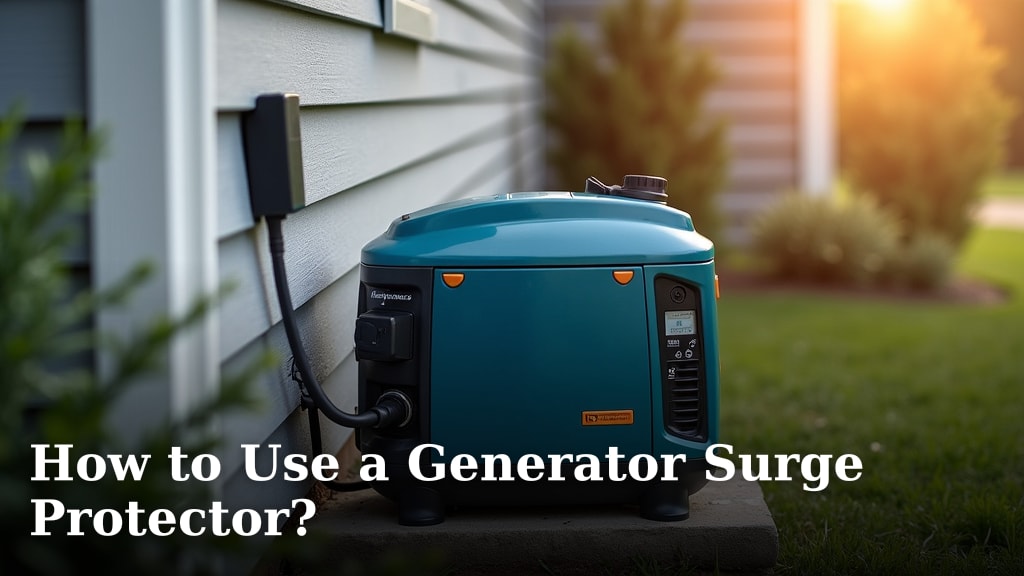
You can absolutely use a generator surge protector to shield your sensitive electronics. A good surge protector acts like a digital bodyguard for your devices. It stops dangerous power spikes from frying your gadgets. So yes, using one is a smart move.
When your generator kicks in, it might send out more power than your appliances can handle. This is called a power surge. Without protection, this surge can damage or destroy your electronics. A generator surge protector is your first line of defense against this. It’s a simple way to protect your investment in things like laptops, TVs, and charging cables.
- A generator surge protector stops power surges.
- It keeps your sensitive electronics safe.
- Connect it between your generator and your devices.
- It’s an easy step for major protection.
- Protect your valuable gadgets from damage.
Let’s walk through exactly how to use a generator surge protector to keep your electronics safe and sound during a power outage.
“`htmlSafeguarding Your Electronics with a Generator Surge Protector
Using a generator surge protector is a smart way to keep your electronics safe from unpredictable power. Generators can sometimes produce power spikes. These spikes can damage or destroy sensitive devices like laptops, phones, and TVs. A surge protector acts like a shield. It diverts excess electricity before it reaches your valuable gadgets. This simple step can save you a lot of money and frustration. Generators can sometimes produce power spikes that damage sensitive electronics.
So, how do you actually use one? It’s not complicated. Think of it like plugging in any other electronic device. The main difference is where you plug it in and what you plug into it. We’ll walk you through it, step-by-step.
Understanding Generator Power and Surges
Generators provide power when the grid is down. But they aren’t always as stable as utility power. They can fluctuate. This fluctuation can lead to power surges. These are sudden, short bursts of high voltage. They are far above the normal operating level for your electronics.
What Exactly is a Power Surge?
A power surge is like a sudden rush of water in a pipe. If the pipe can’t handle the pressure, it might burst. Similarly, if your electronics can’t handle a sudden voltage spike, they can be damaged. This can happen when the generator first starts up. It can also happen if the generator’s load changes suddenly.
Many common appliances have motors. When these motors start or stop, they can cause momentary power fluctuations. Your generator has to compensate for this. Sometimes, this compensation results in a surge. Research suggests that even small, frequent surges can degrade electronic components over time (National Institute of Standards and Technology).
Why Are Generators Prone to Surges?
Unlike the power grid, which is managed by utility companies, a generator’s output is directly controlled by its engine and alternator. The engine speed directly impacts the frequency of the power. The alternator regulates the voltage. If the engine speed or alternator output isn’t perfectly stable, the voltage can spike. This is especially true for older or less sophisticated generators.
Some generators might produce a “dirty” power signal. This means it’s not a pure sine wave. This can be harder on sensitive electronics. A surge protector helps to smooth out these imperfections and protect your devices. It’s a critical buffer.
Choosing the Right Generator Surge Protector
Not all surge protectors are created equal. You need one designed for generator power. This is a key distinction. Standard household surge protectors might not handle the specific type of power fluctuations a generator can produce. Look for surge protectors that are rated for generator use. This ensures they are built to withstand those particular stresses. Not all surge protectors are created equal; you need one designed for generator power.
Key Features to Look For
When shopping, keep these features in mind. They will help you make the best choice for your needs:
- Joule Rating: This indicates how much energy the surge protector can absorb. A higher joule rating means more protection. For generator use, aim for a rating of at least 1000 joules.
- Clamping Voltage: This is the voltage level at which the surge protector starts to divert excess electricity. Lower is better. Look for a clamping voltage of 400 volts or less.
- Indicator Lights: Make sure it has lights that show the surge protection is active and that the unit is grounded. If these lights go off, it means the protector has done its job and sacrificed itself. It’s time for a new one.
- Number of Outlets: Decide how many devices you need to protect simultaneously.
- Cord Length: Consider where your generator will be placed relative to where you need power.
Generator-Specific vs. Standard Surge Protectors
We found that many standard surge protectors are designed for the stable power from the grid. They might not cope well with the variable output of a generator. Generator power can have different characteristics, like frequency variations. A surge protector marketed for generator use has been tested to handle these variations better. It’s an important detail for effective protection.
Think of it like using a filter for your coffee. A cheap paper filter might let some grounds through. A high-quality metal filter will catch more. A generator surge protector is your high-quality filter for electricity.
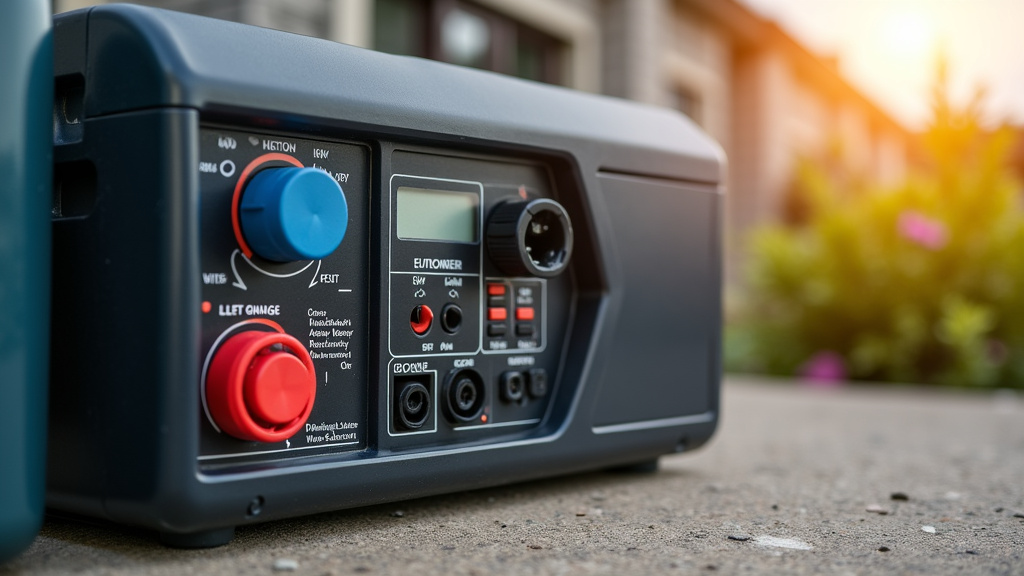
Step-by-Step Guide: Connecting Your Surge Protector
Connecting your generator surge protector is straightforward. Follow these steps carefully for maximum safety and protection. You’ll want to do this before you plug in any of your sensitive electronics.
Step 1: Prepare Your Generator
Ensure your generator is set up on a stable, level surface. It should be outdoors and away from windows or doors to prevent carbon monoxide buildup. Check its fuel and oil levels. Start the generator and let it run for a few minutes. This allows it to reach stable operating speed and voltage output. Many experts recommend letting it warm up for about 5 minutes.
Step 2: Connect the Surge Protector to the Generator
Locate an available outlet on your generator. This outlet will typically be a standard household type (like a 15-amp or 20-amp outlet). Plug the surge protector’s cord directly into this generator outlet. Make sure the connection is snug and secure.
Do not plug the surge protector into an extension cord connected to the generator. Plug it in directly. This ensures the most stable connection and bypasses any potential issues with extension cords themselves.
Step 3: Connect Your Devices to the Surge Protector
Now, plug your sensitive electronic devices into the outlets on the surge protector. Only plug in devices that you want to protect from surges. Don’t overload the surge protector or the generator. Check the wattage limits for both.
A good practice is to plug in the most sensitive items first. This might include laptops, gaming consoles, or routers. If your surge protector has a coaxial or phone line protection feature, connect those cables if applicable.
Step 4: Monitor and Maintain
Keep an eye on your devices. Ensure they are running normally. Check the indicator lights on your surge protector periodically. If a light indicating surge protection is active goes out, it means the surge protector has absorbed a surge and is no longer providing protection. It’s time to replace it immediately.
Many surge protectors have a limited lifespan. They can only absorb so many surges before they wear out. Research indicates that even small, repeated surges can degrade them over time (Consumer Reports).
Important Safety Considerations and Best Practices
Safety is always the top priority when working with generators and electrical devices. Following these best practices will help ensure you and your electronics stay safe.
Generator Placement and Ventilation
Always operate your generator outdoors. Place it at least 20 feet away from your home. Keep it away from windows, doors, and vents. This is critical to prevent deadly carbon monoxide poisoning. The U.S. Consumer Product Safety Commission strongly advises this. Never run a generator indoors, in a garage, or near any occupied space.
Extension Cord Usage
Use heavy-duty extension cords that are rated for outdoor use. Ensure they are in good condition, with no frayed wires or damaged insulation. We found that using undersized extension cords can cause overheating and power loss. Always plug your surge protector directly into the generator. Then plug your devices into the surge protector.
Understanding Wattage Limits
Generators have a maximum wattage output. Surge protectors and the devices you plug into them also have wattage requirements. Never exceed the generator’s maximum wattage. Overloading can damage the generator and the connected devices. It can also be a fire hazard. Check the labels on your appliances for their wattage.
For example, a 3500-watt generator might have a running wattage of 3000 watts and a starting wattage of 3500 watts. Appliances with motors (like refrigerators or power tools) often have higher starting wattage needs. Plan your power needs carefully. You can create a simple table to track this.
| Device | Running Wattage | Starting Wattage |
|---|---|---|
| Laptop | 50W | 50W |
| Lamp | 60W | 60W |
| Small Refrigerator | 100W | 400W |
| Total Running: | 210W | |
| Total Starting: | 510W |
This table helps you see which devices draw the most power, especially when starting up. Always compare your total required wattage to your generator’s capacity.
Grounding Your Generator
Most modern generators have a built-in grounding system. However, some may require an external ground rod. Consult your generator’s manual. Proper grounding is essential for safety and can help protect your equipment from electrical issues. It’s a step many overlook but is incredibly important.
Protecting During Different Scenarios
Whether it’s a storm, a planned event, or an emergency, using your surge protector adds a layer of reliability. Think of it as adding extra insurance for your electronics. It’s a low-cost way to protect high-cost items.
Here’s a quick checklist for when you’re ready to hook things up:
- Generator Warm-up: Let the generator run for 5 minutes before plugging anything in.
- Direct Connection: Plug the surge protector directly into the generator outlet.
- Device Limits: Don’t overload the surge protector or generator.
- Indicator Check: Ensure surge protection lights are on.
- Ventilation: Always use the generator outdoors and away from living spaces.
Conclusion
You’ve learned how a generator surge protector acts as your electronics’ best friend. It shields them from those unpredictable power spikes generators can create. By choosing the right protector and following a few simple steps, you can keep your valuable devices safe. Remember to always let your generator warm up and plug the surge protector directly into it. Don’t forget to check those indicator lights! Taking these precautions means you can confidently use your generator power without worrying about frying your gadgets.
Frequently Asked Questions
Can I use a regular surge protector with my generator?
While some heavy-duty standard surge protectors might offer basic protection, it’s best to use one specifically designed for generator power. Generator output can differ from grid power. A generator-specific surge protector is built to handle these unique voltage and frequency fluctuations more reliably. We found this distinction makes a real difference in protection effectiveness.
How often should I replace my generator surge protector?
The lifespan of a surge protector depends on how many surges it absorbs. Indicator lights that show surge protection is active will turn off when the protector has done its job. If these lights go out, replace the unit immediately. Even without visible indicator lights going out, research suggests they can degrade over time, so consider replacing it every few years for peace of mind.
What happens if I overload my surge protector or generator?
Overloading can damage your generator, the surge protector, and your connected devices. It can also create a fire hazard. Always check the wattage requirements for your appliances and compare them to your generator’s capacity and the surge protector’s limits. We recommend making a simple list of your devices’ wattage needs.
Do I really need to let the generator warm up first?
Yes, letting your generator warm up for about 5 minutes is highly recommended. This allows the engine to reach a stable operating speed and voltage output. Plugging in sensitive electronics before the generator is stable can expose them to damaging fluctuations and surges. It’s a small step for significant protection.
Can I plug my surge protector into an extension cord connected to the generator?
No, you should always plug your surge protector directly into an outlet on the generator itself. Plugging into an extension cord adds another point of potential failure or instability. This direct connection ensures the most reliable power flow and surge protection for your devices.
