
How to Check Generator Carbon Monoxide Safety?

Checking your generator for carbon monoxide safety is absolutely vital. You can prevent deadly CO buildup by ensuring your generator is placed at least 20 feet from your home and running it only outdoors in a well-ventilated area, far from windows and doors. This simple step is key to protecting your family.
Carbon monoxide is an odorless, colorless gas produced by burning fuel. Generators, while useful, are a common source. Proper placement and usage are the most effective defenses against this silent killer. Understanding the risks helps you make informed decisions about generator use, especially during power outages when you might be tempted to bring it closer.
- Always run generators outside.
- Position them at least 20 feet away from your home.
- Keep them far from windows, doors, and vents.
- Install CO alarms inside your home.
Let’s walk through exactly how to keep your home safe from generator carbon monoxide risks step by step.
Keeping Your Home Safe From Generator CO Dangers
Generator carbon monoxide (CO) poisoning is a serious threat. But you can easily prevent it. The key is understanding where and how to run your generator safely. We’ll guide you through the essential steps. This protects your loved ones from this silent gas. Learn how to run your generator safely with this guide.
Understanding the Carbon Monoxide Threat
Carbon monoxide is a poisonous gas. It has no smell or color. Burning fuel creates it. Most generators run on gasoline or propane. These fuels produce CO as they burn. If CO builds up in your home, it can be deadly. It happens very quickly.
Why Generators Are a CO Risk
Portable generators are a lifesaver during power outages. They power essential appliances. But they also emit CO. This gas is heavier than air. It can seep into your home through cracks or openings. This is especially true if the generator is too close. Many people don’t realize the danger. They might run a generator in their garage or on a porch. This is a very unsafe practice.
How CO Affects Your Body
When you breathe in CO, it enters your bloodstream. It attaches to hemoglobin. This prevents oxygen from reaching your vital organs. Your brain and heart need oxygen to function. Symptoms can start mild and worsen rapidly. These include headaches, dizziness, and nausea. You might feel weak or confused. In severe cases, it leads to unconsciousness and death. It’s why prompt action is so important.
Generator Placement: The First Line of Defense
Where you place your generator is the single most important safety step. This is not something to guess about. There are clear guidelines for placement. Following them drastically reduces risk. Think of it like setting up a safety zone.
The 20-Foot Rule: Simple and Effective
The most common recommendation is to place your generator at least 20 feet away from your home. This distance allows the exhaust fumes to dissipate in the open air. It greatly lowers the chance of CO entering your house. Always measure this distance. Don’t just estimate. This is vital for your family’s well-being.
Keeping Vents and Openings Clear
Beyond just distance, consider your home’s openings. You need to keep the generator far from windows, doors, and any vents. This includes basement vents or attic vents. CO can travel through these openings. Even if the generator is 20 feet away, a nearby open window can still draw in fumes. Ensure a clear, open path for the exhaust to escape upwards and away.
Avoid Enclosed Spaces: Garages, Sheds, and Basements
Never, ever run a generator inside an enclosed space. This includes garages, sheds, basements, or crawl spaces. These areas trap CO. They create a concentrated, dangerous environment very quickly. The generator needs fresh air to operate safely. So does everyone inside your home. Running a generator in a garage is a leading cause of CO deaths.
Considering Wind Direction
Wind can carry exhaust fumes. Try to position your generator so the wind blows the exhaust away from your home. If possible, observe the wind direction before starting it. If the wind shifts, you may need to adjust the generator’s position. This is an extra layer of protection. It’s about being aware of your surroundings.
Essential CO Detection and Prevention Tools
Generator placement is key, but it’s not the only safety measure. You need tools to detect CO. Think of these as your home’s early warning system. They give you peace of mind.
Install Carbon Monoxide Alarms
Every home should have carbon monoxide alarms. Install them on every level of your home. Place them outside sleeping areas. These alarms are specifically designed to detect CO. When CO is detected, they sound a loud alarm. This alerts you to the danger immediately. This allows you to take action before it becomes serious. Check their batteries regularly. Test them monthly.
Choosing the Right CO Alarms
Look for CO alarms that are certified by a recognized testing laboratory. UL-listed alarms are a good choice. Some alarms are battery-powered, while others are hardwired into your home’s electrical system. Dual-power alarms offer backup during power outages. Many modern alarms have digital displays. These show the CO level in parts per million (ppm).
Generator-Specific Safety Features
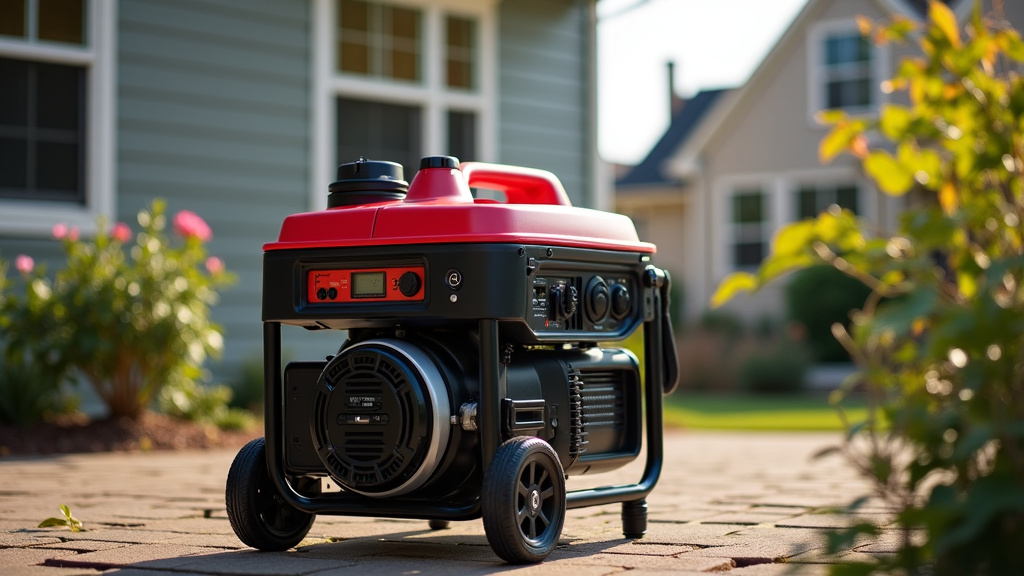
Some newer generators come with built-in CO safety shut-off technology. These systems detect high levels of CO. They automatically shut down the generator. This prevents further CO buildup. While these features are helpful, they are not a substitute for proper placement and CO alarms. They are an added layer of safety. Always follow the manufacturer’s instructions.
Safe Generator Operation Practices
Beyond placement, how you operate your generator matters. Simple habits can make a big difference. Treat your generator with respect. It’s a powerful tool that needs careful handling.
Read Your Generator’s Manual Thoroughly
Your generator came with an owner’s manual. This manual contains vital safety information. It will detail specific placement requirements. It will also explain operating procedures. Never skip this step. The manufacturer knows their product best. They provide clear instructions for safe use. If you can’t find it, look it up online on the manufacturer’s website.
Regular Maintenance is Key
A well-maintained generator runs more efficiently. This includes proper exhaust system function. Check for any damage to the exhaust pipe or muffler. Ensure they are free of obstructions. If you see rust or damage, get it repaired. Poor maintenance can increase CO emissions. Schedule regular tune-ups. This keeps it running reliably and safely.
Fueling Safety Precautions
Always turn off the generator before refueling. Let it cool down first. Refueling a hot generator can cause sparks. These sparks can ignite spilled fuel. Store fuel in approved containers. Keep them away from heat sources and living areas. Handle fuel outdoors. Spilled fuel can also contribute to dangerous fumes. Clean up any spills immediately.
What to Do If Your CO Alarm Sounds
If your carbon monoxide alarm goes off, don’t ignore it. It’s a sign of danger. Your immediate actions are critical.
Evacuate Immediately
As soon as the alarm sounds, evacuate everyone from your home. Get outside into fresh air. Do not try to find the source of the CO. Your priority is getting your family to safety. Once everyone is outside and safe, you can call for help.
Call for Emergency Services
From a safe location outside, call 911. Explain that your carbon monoxide alarm is sounding. Inform them that you were running a generator. Emergency responders can assess the situation. They can check for dangerous CO levels. They can ensure your home is safe to re-enter.
Do Not Re-Enter Until Cleared
Never go back inside your home until emergency responders tell you it’s safe. They will use specialized equipment to measure CO levels. They will determine the cause and ensure it’s resolved. Your life is more important than any property or appliance.
Generator CO Safety Checklist
Here’s a quick checklist to ensure your generator use is safe:
- Place generator at least 20 feet from your home.
- Ensure generator is far from all windows, doors, and vents.
- Always run generators outdoors in a well-ventilated area.
- Install and test CO alarms on every home level.
- Read your generator’s manual before operating.
- Never run a generator inside garages, sheds, or basements.
Conclusion
Keeping your family safe from carbon monoxide is entirely within your control. You’ve learned that proper generator placement, at least 20 feet from your home and away from openings, is your first and most important defense. Coupled with functional CO alarms and safe operating practices, you create multiple layers of protection. Don’t wait for an emergency to think about this. Take a moment right now to review your generator’s location and test your CO alarms to ensure they’re ready.
Frequently Asked Questions
How often should I test my carbon monoxide alarms?
You should test your carbon monoxide alarms monthly to ensure they are working properly. This simple check involves pressing the test button on each alarm. Also, remember to replace the batteries at least once a year, or as recommended by the manufacturer.
What if my generator is too heavy to move 20 feet away easily?
If moving your generator that far is a challenge, consider using heavy-duty extension cords specifically rated for outdoor use and generator power. Ensure the cords are in good condition and free from damage. This allows you to place the generator at a safe distance while still powering your essential appliances indoors.
Can carbon monoxide seep into my home even if the generator is outside?
Yes, it’s possible if the generator is too close to windows, doors, or vents. Carbon monoxide is a colorless, odorless gas that can travel. Always ensure the generator is not just 20 feet away, but also positioned so that exhaust is blowing away from any openings into your home.
What should I do if my generator exhaust pipe looks damaged?
If you notice any damage, rust, or blockages in your generator’s exhaust pipe or muffler, do not operate the generator. Contact a qualified technician for repairs immediately. A damaged exhaust system can significantly increase the risk of carbon monoxide leaks.
Are those “CO-detecting” generators safer on their own?
Generators with built-in CO shut-off technology add an extra layer of safety. However, they are not a complete solution. You must still follow proper placement guidelines and ensure you have working CO alarms inside your home. These advanced features are a helpful supplement, not a replacement, for safe practices.
