
How to Transport a Dual Fuel Generator?
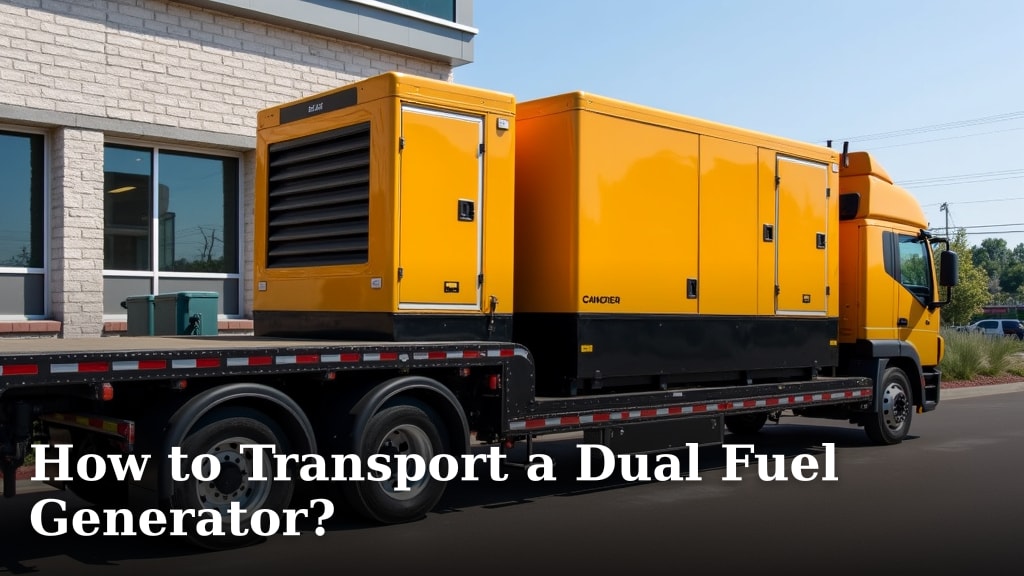
Transporting a dual fuel generator involves careful preparation to ensure it arrives safely and functions correctly. You need to secure it properly and understand its fuel type considerations before moving. This guide will help you move your generator without any surprises.
Moving any generator requires attention to detail, but dual fuel models add an extra layer. You must think about both gasoline and propane safety. Properly preparing your generator can prevent damage and ensure it’s ready for your next power need. We’ll cover the key steps for a smooth and safe transport.
- Always drain fuel before moving.
- Secure propane tanks separately.
- Use sturdy straps for transport.
- Protect the generator from bumps.
- Check connections after moving.
Ready to get your dual fuel generator from point A to point B? Let’s walk through exactly how to do it safely and effectively.
“`htmlSafely Moving Your Dual Fuel Generator
Transporting a dual fuel generator requires careful planning. You want to ensure it arrives at its destination in perfect working order. It’s not as simple as just tossing it in the back of a truck. Safety is key, especially with the fuel systems involved.
We’ll guide you through the essential steps to move your generator without any headaches. This process ensures both your safety and the generator’s longevity.
Preparing Your Generator for the Road
Before you even think about lifting your generator, there are critical preparation steps. These are designed to prevent leaks, damage, and potential hazards during transit. Think of it like getting a precious antique ready for a move – careful handling is everything.
Emptying the Gasoline Tank: The First Priority
For dual fuel generators, gasoline is usually the first fuel to consider for transport. Running on gasoline is common, but it’s also the most volatile fuel to move. Many experts strongly recommend emptying the gasoline tank completely before you move your generator. This significantly reduces the risk of leaks and fire during transport. You don’t want any fumes building up in an enclosed vehicle.
How do you drain it? You’ll typically find a fuel shut-off valve. Turn this to the ‘off’ position. Then, locate the fuel drain screw or plug at the bottom of the carburetor. Place a suitable container underneath and carefully remove the screw. Let all the gasoline drain out. Once it’s empty, you might want to run the generator for a minute or two to burn off any residual fuel left in the carburetor. This step is often overlooked but is incredibly important for safety. Remember to dispose of the drained gasoline responsibly.
Disconnecting and Securing the Propane Tank
Your dual fuel generator also runs on propane, which is much safer to transport than gasoline. However, the propane tank itself needs proper handling. The U.S. Department of Transportation (DOT) has specific guidelines for transporting compressed gases. You must disconnect the propane tank from the generator before moving. Never transport the generator with the propane tank still attached.
The propane tank should be stored upright, if possible, and secured to prevent it from tipping over. If you can, remove the tank entirely from the area where the generator will be transported. This keeps things separate and safer. Ensure the tank valve is fully closed. Some people even put a protective cap over the valve opening if they have one. This is a smart move to prevent accidental opening or damage to the valve.
Securing the Generator Itself
Once the fuel sources are addressed, it’s time to think about the generator’s physical stability. Generators can be heavy and awkward. You need to ensure it doesn’t shift or bounce around during transport. This can lead to dents, broken parts, or internal damage. Research shows that vibration is a common cause of generator component failure.
Choosing the Right Moving Equipment
Depending on the size and weight of your generator, you might need some help. A hand truck or dolly can be very useful for moving it short distances. For larger, heavier models, a furniture dolly or even a small utility cart might be necessary. Always make sure the equipment you use is rated to handle the weight of your generator. A collapsing dolly is not your friend here.
Using Proper Straps and Tie-Downs
When placing the generator in your vehicle, whether it’s a truck bed, van, or trailer, secure it firmly. Use sturdy ratchet straps or strong rope to tie it down. The goal is to prevent any movement in any direction – forward, backward, or sideways. Wrap the straps around the generator’s frame or designated tie-down points, not just around the body panels. Make sure the straps are tight and won’t loosen during the journey. You don’t want your generator becoming a projectile if you have to brake suddenly.
Consider placing chocks or blocks around the generator’s wheels if it has them. This adds an extra layer of stability. If you are transporting it in an open truck bed, ensure it’s covered to protect it from the elements.
Transporting Different Fuel Components Separately
As we’ve touched upon, separating the fuel components is vital. Gasoline and propane have different properties and require different handling. Think of them as two distinct passengers who need to travel in separate, safe compartments. As we’ve touched upon, separating the fuel components is vital, and our guide explains how to switch a dual fuel generator from gas to propane.
Handling Gasoline Safely
If you couldn’t drain every last drop of gasoline, or if you’re transporting a small amount of fuel for refueling later, do so with extreme caution. Always use an approved gasoline container. These containers are designed to be safe for fuel storage and transport. Never use glass jars or makeshift containers. Ensure the container has a tight-fitting lid to prevent spills and fumes.
The CDC recommends storing flammable liquids in a cool, well-ventilated area away from heat sources. When transporting, place the approved gasoline container in a secure location where it won’t tip over. Ideally, this is in a separate compartment from your passengers and the generator itself. A ventilated trunk or truck bed is often a good choice. Avoid leaving fuel containers in direct sunlight or in a hot vehicle for extended periods.
Propane Tank Best Practices
Propane tanks, even when empty, can still contain residual pressure and gas. As mentioned, disconnect them from the generator and close the valve securely. If you have a protective collar or cap for the valve, use it. Transport propane tanks in an upright position to minimize the risk of leaks. They should be secured so they cannot fall over. Many experts advise placing propane tanks in the open air of a truck bed or trailer, not inside the passenger cabin of a vehicle. This ensures any minor leaks can dissipate quickly and reduces the risk of explosion.
For longer distances or if you’re concerned, consider renting or borrowing a propane tank specifically for the destination rather than transporting a full one. This avoids a lot of the associated risks. Always check local regulations regarding propane tank transport, as rules can vary.
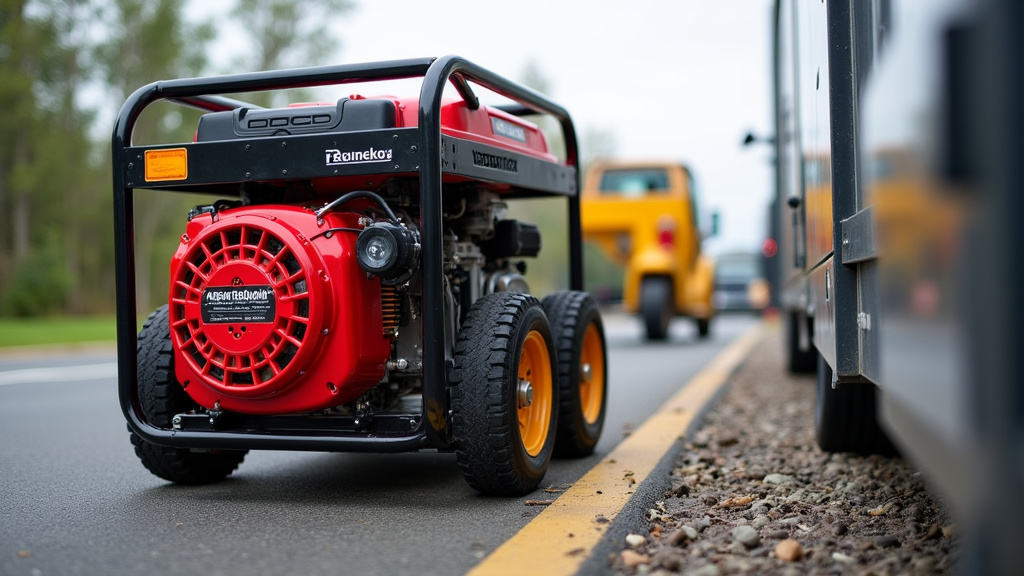
What to Check After Arrival
You’ve made it! Your generator and its fuel components have arrived at their destination. But the job isn’t quite done yet. A final check ensures everything is ready for use and that no damage occurred during the move. This is like a pilot doing a pre-flight check; it’s essential for safe operation.
Inspecting the Generator for Damage
Take a moment to visually inspect the entire generator. Look for any signs of damage: dents, scratches, cracked plastic parts, or loose components. Check that the wheels, if any, are secure and spin freely. Ensure the engine is free of any obvious leaks or cracks. Gently shake the generator to see if anything feels loose inside. If you notice anything concerning, it’s best to investigate further before attempting to start it.
Reconnecting Fuel Lines and Checking for Leaks
Once you’ve confirmed the generator itself is sound, it’s time to reassemble the fuel systems. Carefully reconnect the propane tank, ensuring all connections are snug and secure. If you’re using gasoline, you’ll want to add fresh fuel. Before starting, it’s wise to perform a leak check. For propane, you can do this by applying a soapy water solution to the connections; if bubbles form, you have a leak that needs immediate attention.
For gasoline, ensure the drain plug is tightened and the fuel cap is secure. After adding fuel, let it sit for a few minutes. Observe the area around the tank and lines for any signs of weeping or dripping. A small amount of condensation is normal, but active fuel leaks are not. If you detect a leak, do not attempt to start the generator. You’ll need to find the source and fix it. Many user manuals offer specific troubleshooting steps for fuel system issues.
Final Startup and Testing
With everything inspected and reconnected, you’re ready for the moment of truth: starting the generator. Follow your generator’s specific startup procedure. Start it on the fuel source you intend to use first. Listen for any unusual noises or vibrations. Let it run for a few minutes. If it starts smoothly and runs without issue, congratulations! You’ve successfully transported and set up your dual fuel generator.
If you encounter problems, don’t panic. Refer to your owner’s manual for troubleshooting tips. Sometimes, the generator might just need a little coaxing after being jostled during transport. Having a small portable generator checklist for this post-transport setup can also be very handy.
- Inspect for external damage.
- Check all fluid levels.
- Reconnect fuel lines securely.
- Test for fuel leaks (especially propane).
- Start and run generator briefly.
- Listen for unusual noises.
Conclusion
You’ve learned that moving your dual fuel generator safely involves more than just picking it up. By properly draining the gasoline, disconnecting and securing propane tanks, and firmly strapping down the unit itself, you’re protecting your investment. Remember to always inspect everything thoroughly after arrival before starting it up. Taking these careful steps ensures your generator is ready to power your needs when you need it most, without any unexpected issues.
So, get your checklist ready and tackle that generator move with confidence!
Frequently Asked Questions
Can I leave a small amount of gasoline in the tank?
It’s strongly recommended to drain the gasoline tank completely. Even a small amount can create fumes and increase the risk of leaks or fire during transport. Running the generator for a minute after draining helps clear the carburetor of residual fuel.
Do I need to remove the propane tank from the generator?
Yes, absolutely. You must disconnect the propane tank from the generator before moving it. Transport them separately, ensuring the propane tank valve is securely closed and the tank is upright and stabilized.
What’s the best way to secure the generator in my vehicle?
Use sturdy ratchet straps or strong rope to tie down the generator to its frame or designated tie-down points. Prevent any movement in any direction. Consider chocks for wheels if present, and protect it from the elements with a cover.
Is it safe to transport a propane tank inside a car?
No, it’s not recommended. Propane tanks should ideally be transported in an open, well-ventilated area like a truck bed or trailer. This allows any potential minor leaks to dissipate safely and reduces the risk of explosion.
What if I see bubbles when testing propane connections after moving?
Bubbles indicate a leak. Do not attempt to start the generator. Carefully re-check the connections to ensure they are tight and secure. If the leak persists, consult your owner’s manual or contact a professional for assistance.
