
What Is the Safest Way to Power an RV with a Dual Fuel Generator?
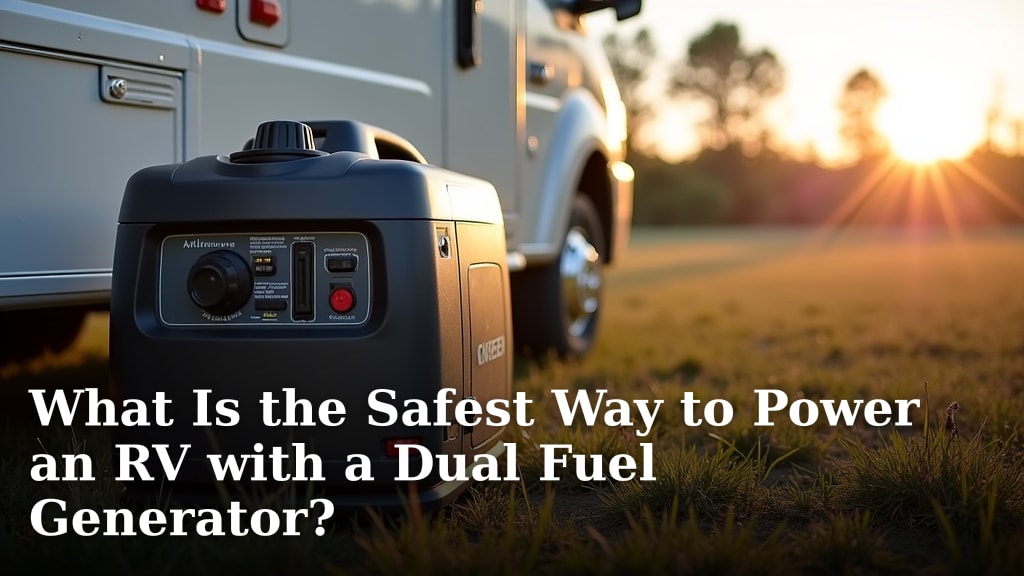
The safest way to power your RV with a dual fuel generator is by always using the correct fuel type for the generator’s current setting. When running on gasoline, ensure you use fresh, clean fuel. When switching to propane, always use a properly connected propane tank. This simple step prevents damage and ensures safe operation.
Dual fuel generators offer amazing flexibility for your adventures. They let you choose between gasoline and propane, often depending on what’s most convenient or affordable. Understanding how to safely manage both fuel sources is key to enjoying your RV trips without worry. It’s about knowing your generator and treating its fuel systems with respect, just like you would your RV’s propane tanks.
TL;DR:
- Always use the correct fuel for the selected setting.
- Keep gasoline fresh and clean.
- Ensure propane connections are secure.
- Never mix fuel types.
- Regular maintenance is your best friend.
Now, let’s get into the details so you can power your adventures with confidence.
“`htmlSafely Powering Your RV with a Dual Fuel Generator
Keeping your RV powered is essential for a comfortable trip. A dual fuel generator gives you options for fuel. But you need to know the best practices for each. We’ve found that understanding your generator’s fuel needs is key to safe operation.
Understanding Your Dual Fuel Generator’s Fuel Systems
Gasoline vs. Propane: What’s the Difference?
Your dual fuel generator can run on either gasoline or propane. Each fuel has its own advantages. Gasoline is often readily available at any gas station. Propane is common for RV appliances. You’ll want to choose the fuel that makes the most sense for your situation.
It’s important to know that these fuels are not interchangeable. You cannot simply pour propane into a gasoline tank or vice-versa. The generator is designed with separate fuel systems. Using the wrong fuel can cause serious damage. We found that this is the most common mistake people make.
The Importance of the Correct Fuel Setting
The most critical step for safety is selecting the correct fuel setting on your generator. Most dual fuel generators have a switch or dial. This tells the engine whether it should be preparing to run on gasoline or propane. Always ensure this switch is in the correct position before starting the generator.
For example, if you want to use gasoline, make sure the generator is set to the gasoline mode. Then, you’ll connect a gasoline can. If you want to use propane, switch it to propane mode. You will then connect a propane tank. Never try to start the generator without making this selection. It’s like trying to start your car without putting it in park; it just won’t work right and could be dangerous.
Safe Gasoline Usage for Your Generator
Keeping Gasoline Fresh and Clean
Gasoline can go bad over time. This is especially true when stored for long periods. Old gasoline can clog your generator’s fuel lines and carburetor. It can also lead to hard starting and poor performance. Many experts recommend using a fuel stabilizer if you plan to store gasoline for more than a month.
We found that using a fresh batch of gasoline is always best. If you’re unsure how old the gas in your can is, it’s better to err on the side of caution. Dispose of old gasoline properly and get a new supply. Always use a clean funnel when pouring gasoline to prevent debris from entering the tank. This simple step can save you a lot of headaches.
Proper Gasoline Storage and Handling
Store gasoline in an approved, sealed container. Keep it in a well-ventilated area, away from any heat sources or open flames. Your RV’s fuel tank is usually not designed for generator use, so always use a separate, approved gas can. We learned that most safety guidelines strongly advise against storing gasoline inside an RV.
When you’re ready to refuel, turn off the generator completely. Allow it to cool down before adding gasoline. This prevents any sparks that could ignite the fuel. Always handle gasoline outdoors. Its fumes are flammable. Wearing gloves can also protect your skin from prolonged exposure.
Safe Propane Usage for Your Generator
Connecting the Propane Tank Correctly
Propane connections require a bit more attention. You’ll typically connect a hose from the generator to your RV’s propane system or a portable propane tank. Ensure the connection is tight and secure. A loose connection can lead to a gas leak, which is a serious safety hazard.
Many generators come with specific propane hoses. Use the hose recommended by the manufacturer. Always check the hose for any cracks or damage before connecting it. We found that a soapy water test is a great way to check for leaks. Apply a solution of soap and water to the connections. If you see bubbles forming, you have a leak and need to tighten or replace the connection.
Checking for Propane Leaks
Propane has a distinct odor added to it, often described as rotten eggs. If you smell this odor around your generator or connections, stop immediately. Do not operate the generator. Turn off the propane supply and investigate the source of the leak. We found that gas detectors designed for RVs can provide an extra layer of security.
Once connected, slowly open the valve on your propane tank. Listen for any hissing sounds, which could indicate a leak. Then, perform the soapy water test described earlier. If everything seems secure and there are no bubbles, you can proceed with starting the generator. Remember, propane is heavier than air, so it can pool in low-lying areas.
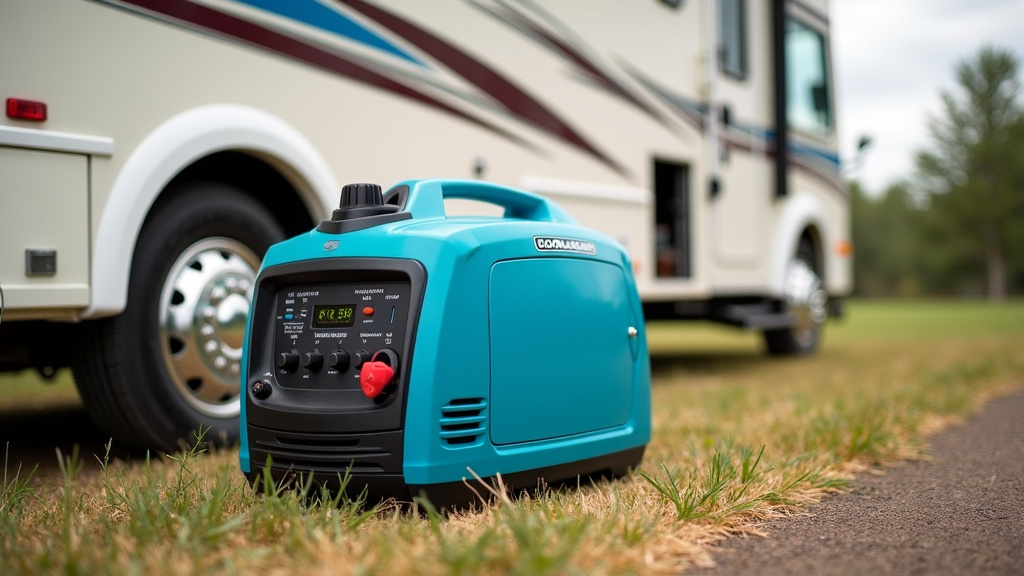
Essential Safety Checks and Maintenance
Regular Generator Maintenance Schedule
Like any engine, your generator needs regular maintenance. This includes oil changes, air filter replacements, and spark plug checks. A well-maintained generator runs more efficiently and safely. We found that following the manufacturer’s maintenance schedule is your best bet.
Consult your generator’s owner’s manual for specific recommendations. Many manufacturers suggest checking the generator after every 100 hours of operation or annually, whichever comes first. Keeping a log of your maintenance can help you stay on track.
Pre-Operation Checklist for Peace of Mind
Before each use, it’s wise to run through a quick safety checklist. This ensures everything is in order. Here’s a simple one to follow:
- Is the generator set to the correct fuel (gasoline or propane)?
- Is the gasoline fresh and the tank filled correctly? (If using gasoline)
- Are the propane connections tight, secure, and leak-free? (If using propane)
- Is the generator on a level surface, away from any enclosed spaces?
- Are exhaust fumes directed away from the RV and any occupied areas?
Taking these few minutes before you start up can prevent a lot of potential problems. It’s all about being prepared and aware.
A Quick Comparison of Fuel Options
Here’s a simple look at how gasoline and propane stack up for your generator:
| Feature | Gasoline | Propane |
|---|---|---|
| Availability | Widely available at gas stations. | Available in portable tanks or from RV hookups. |
| Storage | Can degrade over time; requires stable storage. | Stores well for extended periods; less degradation. |
| Operation | Can be cleaner burning if fresh. | Often burns cleaner, potentially reducing engine wear. |
| Connection | Simple pour into the tank. | Requires secure hose connections and leak checks. |
Many RVers find that having both options available is incredibly convenient. You can use whatever fuel is most practical at the moment. We found that propane is often preferred for longer stays due to its stable storage and cleaner burning properties.
“`Conclusion
You’ve now learned the essential steps for safely powering your RV with a dual fuel generator. Remember, the golden rule is to always match your fuel to the generator’s setting. Whether you’re using fresh gasoline or securely connected propane, respecting each fuel system keeps you running smoothly and safely. Consistent maintenance and a quick pre-operation check are your best allies for worry-free adventures. Take these practices with you on your next trip and enjoy the freedom your dual fuel generator provides.
Frequently Asked Questions
Can I use a propane adapter to run my generator directly from my RV’s main propane tank?
Yes, many RVers do this safely. You’ll need the correct adapter hose designed for your generator and RV’s propane system. Always perform a thorough leak check with soapy water after connecting to ensure there are no gas leaks before operating.
What happens if I accidentally put gasoline in the propane input of my dual fuel generator?
This is a serious mistake that can cause significant damage to your generator’s internal components. If this happens, do not try to start the generator. You will likely need professional service to clean or repair the fuel system before it can be safely operated.
How often should I check my propane connections for leaks?
You should check your propane connections for leaks every single time you connect a propane tank or hook up to your RV’s system. It’s also a good idea to do a quick check periodically during extended use, especially if you notice any unusual smells.
Is it safe to store gasoline in my RV for generator use?
It is generally not recommended or safe to store gasoline inside your RV due to fire hazards. Always use approved, sealed gasoline containers and store them outdoors, away from heat sources, in a well-ventilated area. Transporting them separately is the safest method.
Does propane make my generator last longer than gasoline?
Many users and manufacturers report that running on propane can lead to less engine wear and cleaner operation, potentially extending the generator’s lifespan. Propane also doesn’t degrade over time like gasoline does, which simplifies storage.
