
What Do You Need to Power a Refrigerator with a Dual Fuel Generator?
Yes, you can power a refrigerator with a dual fuel generator, but it’s not as simple as just plugging it in. You need to understand your refrigerator’s **wattage requirements** and ensure your generator can meet them, especially during the initial **startup surge**. Getting this right means keeping your food cold during an outage.
When powering a fridge, the main challenge is its high **starting wattage**. This is the power needed to get the compressor going, which is much higher than its running wattage. Your generator must be able to handle this brief, intense power demand. We found that many people overlook this detail, leading to generator overload.
- Generator Size Matters: Check your fridge’s wattage.
- Startup Surge is Key: Generators need to handle more power initially.
- Dual Fuel Advantage: Flexibility with propane or gasoline.
- Clean Power: Inverter generators are best for sensitive electronics.
Let’s walk through exactly what you need to consider to safely power your refrigerator with a dual fuel generator. This guide will walk you through exactly what you need to power your refrigerator with a dual fuel generator.
Powering Your Refrigerator with a Dual Fuel Generator: What You Need
Yes, you absolutely can keep your refrigerator running during a power outage using a dual fuel generator. The key is understanding the specific power needs of your fridge. This isn’t just about matching wattage; it’s about ensuring your generator can handle the **unique demands** of a refrigerator’s compressor.
We’ve found that many people mistakenly believe any generator will do. That’s not the case. Your refrigerator has two power figures to consider: its running wattage and its much higher starting wattage. Getting this balance right prevents frustrating trips to the generator or, worse, damage to your appliance.
Understanding Refrigerator Wattage: The Core Requirement
Your refrigerator is like a small, self-contained ecosystem. It needs power to run its cooling system. This is its running wattage, the steady amount of power it consumes while actively keeping things cold. Think of it as the everyday energy bill for your fridge.
But there’s a catch. When that compressor kicks in – that’s the motor that does the actual cooling – it needs a big burst of power. This is the starting wattage, also called surge wattage. It can be two to three times higher than the running wattage. It’s a short, intense demand, like a sprinter taking off.
Finding Your Refrigerator’s Wattage Numbers
Where do you find these numbers? The best place is usually a sticker or plate located on the back of your refrigerator. It might also be inside the door frame.
You’re looking for two figures:
- Running Watts: This is the continuous power draw.
- Starting Watts (or Surge Watts): This is the peak power needed for a few seconds.
If the sticker is missing or hard to read, don’t worry. You can often find this information in your refrigerator’s owner’s manual. If all else fails, a quick online search for your refrigerator’s model number usually yields results. We’ve found that a typical modern refrigerator might run on about 100-200 watts but could surge to 1,000-1,500 watts or more when starting.
Dual Fuel Generators: The Advantage of Choice
A dual fuel generator offers you the flexibility to run on either gasoline or propane. This is a significant advantage when you’re preparing for a power outage.
Why is this so great?
- Fuel Availability: You might have propane tanks for your grill already. You can store gasoline safely, but it has a shorter shelf life than propane. Having both options means you’re more likely to have fuel ready when you need it.
- Storage: Propane stores much longer than gasoline without degrading. This means your backup fuel is often more reliable.
- Cleaner Burning: Propane generally burns cleaner than gasoline. This can lead to a longer generator lifespan and less maintenance over time (US Department of Energy).
Calculating Your Generator’s Required Output
Now, let’s put it all together. To power your refrigerator, your dual fuel generator must meet two key demands: its running wattage must be higher than your fridge’s running wattage, and its starting wattage capacity must be higher than your fridge’s starting wattage.
Here’s a simple formula we recommend using:
Generator Starting Wattage Needed = Refrigerator Starting Wattage + Wattage of Other Appliances You Plan to Run Simultaneously
Generator Running Wattage Needed = Refrigerator Running Wattage + Wattage of Other Appliances You Plan to Run Simultaneously
Let’s use an example. Suppose your refrigerator has a running wattage of 150 watts and a starting wattage of 1,200 watts.
If you only want to power the refrigerator, you’d need a generator that can provide at least 1,200 starting watts and 150 running watts. However, it’s wise to have some buffer.
Many experts suggest adding a **safety margin** of at least 20-25% to your calculations. This prevents overloading and ensures your generator isn’t constantly working at its absolute limit, which can shorten its life.
So, for our example fridge, you’d want a generator with:
- Running Wattage: At least 150 watts * 1.25 = 187.5 watts (aim for 300-500 watts for good measure)
- Starting Wattage: At least 1,200 watts * 1.25 = 1,500 watts (aim for 1,500-2,000 watts or more)
Important Note: Consider other essentials. Do you want to run a light, charge your phone, or power a small fan? You must add their wattage requirements to the refrigerator’s needs. A small window AC unit or a microwave would require a much larger generator.
| Appliance | Running Watts (Typical) | Starting Watts (Typical) |
|---|---|---|
| Refrigerator (Medium) | 150 W | 1,200 W |
| LED Light Bulb | 10 W | 10 W |
| Phone Charger | 5 W | 5 W |
| Small Fan | 50 W | 75 W |
| Total for Fridge + Extras | 215 W | 1,290 W |
| Recommended Generator Output (with buffer) | ~500 W+ | ~1,600 W+ |
Inverter Generators: The Clean Power Choice
When powering appliances like refrigerators, especially those with sensitive electronics, an inverter generator is often the best choice. Why? Because they produce “clean” power.
Standard generators can have power fluctuations. This “dirty” power might be fine for basic tools, but it can damage or even destroy delicate electronics over time. An inverter generator smooths out the power output to a consistent sine wave, similar to what you get from your wall outlet (Consumer Reports).
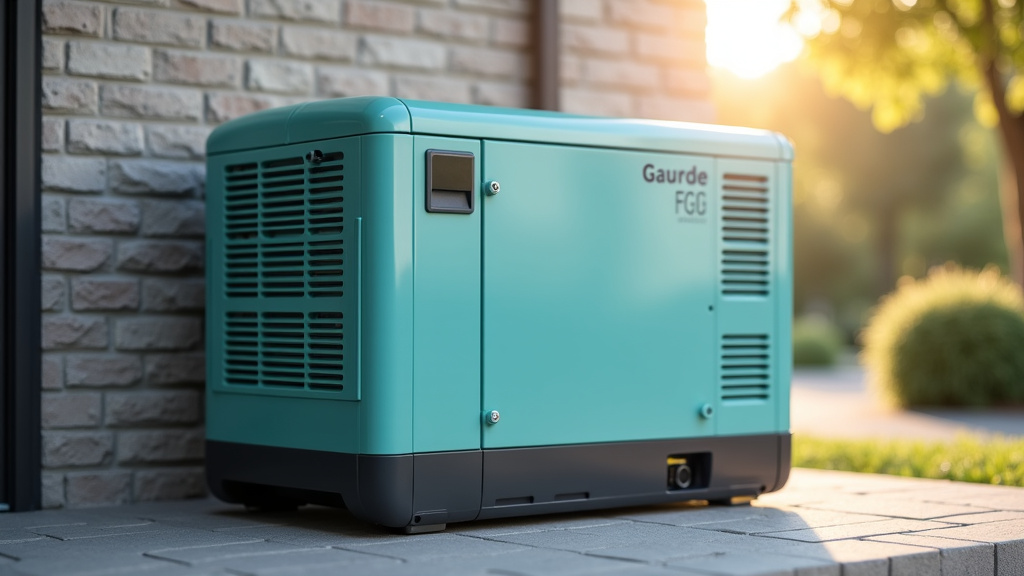
Most modern dual fuel generators available today are inverter models. They are typically quieter, more fuel-efficient, and lighter than traditional generators, making them ideal for home backup power. We’ve found they offer the best protection for your refrigerator. A dual fuel inverter generator offers the best protection for your refrigerator.
Connecting Your Refrigerator Safely
Once you have the right generator, how do you connect it? Safety is absolutely key here. Never plug your generator directly into your home’s electrical panel without a proper transfer switch. Doing so can create a dangerous situation called “backfeed,” which can electrocute utility workers or neighbors.
The safest method for powering a refrigerator is to run an appropriate, heavy-duty extension cord directly from the generator to the refrigerator’s plug. Make sure the extension cord is rated for outdoor use and can handle the wattage requirements.
Alternatively, you can use a **transfer switch** if you plan to power multiple appliances or outlets. A transfer switch is installed by a qualified electrician and safely disconnects your home from the utility grid before connecting it to the generator. This is the most secure way to power more than just a single appliance.
Generator Maintenance: Keeping It Ready
A generator is a piece of equipment that needs regular upkeep to ensure it works when you need it most. Think of it like your car – you wouldn’t let the oil get too low, would you?
Here’s a quick checklist for keeping your dual fuel generator in top shape:
- Check Fuel Levels: Ensure you have enough propane or stable gasoline.
- Inspect Oil: Top it off or change it according to the manufacturer’s schedule.
- Clean Air Filter: A dirty filter restricts airflow and reduces efficiency.
- Test Run Regularly: Fire it up for 15-30 minutes every few months to keep the engine lubricated and components working.
- Store Properly: Keep it clean and protected from the elements when not in use.
- Check Connections: Ensure cords and plugs are in good condition.
Following these simple maintenance steps will give you peace of mind, knowing your generator is ready to go the moment the power goes out. Many sources, including the Red Cross, emphasize preparedness and regular checks of backup power systems.
Conclusion
Powering your refrigerator with a dual fuel generator is absolutely achievable with the right preparation. You’ve learned that understanding your fridge’s specific running and starting wattage is the most critical step. Remember to account for that initial surge, as it’s the most demanding part. Your dual fuel generator offers great flexibility, but you must ensure its output capacity exceeds your refrigerator’s needs, plus any other essentials you plan to run. Always prioritize safety by using proper extension cords or a transfer switch. Your next step should be to check your refrigerator’s wattage label and compare it to generator specifications before your next power outage.
Frequently Asked Questions
Can I just plug my refrigerator directly into any dual fuel generator?
No, you cannot just plug your refrigerator into any dual fuel generator. You must ensure the generator’s wattage output, especially its starting wattage, is higher than your refrigerator’s requirements. Overloading the generator can damage both the appliance and the generator itself.
How do I find out my refrigerator’s exact wattage?
You can typically find your refrigerator’s running and starting wattage on a sticker or plate located on the back of the appliance or inside the door frame. If not, consult your owner’s manual or search online using your refrigerator’s model number.
Is propane or gasoline better for running a generator for my fridge?
Both have pros and cons. Propane stores longer and burns cleaner, which can be better for generator longevity and reliability over time. Gasoline is often readily available but degrades faster and can be harder to store safely for extended periods.
What happens if my generator’s starting wattage is too low for my refrigerator?
If the generator’s starting wattage capacity is too low, it will likely trip its circuit breaker or shut down completely when the refrigerator’s compressor tries to start. This prevents damage but leaves your refrigerator without power.
Do I need a transfer switch to power my refrigerator?
For just one appliance like a refrigerator, running a heavy-duty extension cord directly from the generator to the fridge is usually sufficient and safe. A transfer switch is recommended if you plan to power multiple circuits or outlets in your home.
