
What Do You Need to Test a Generator Transfer Switch?
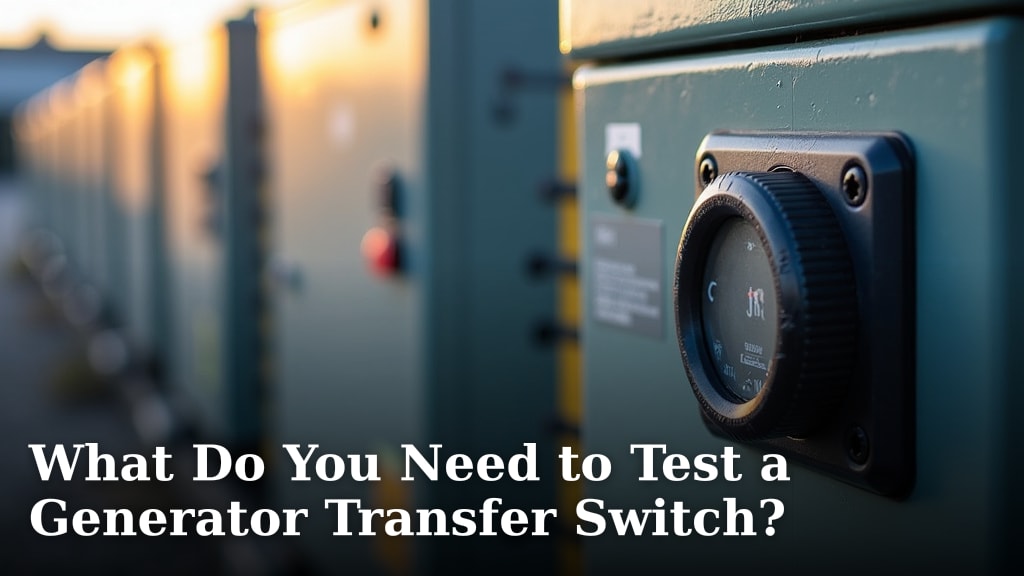
To test a generator transfer switch, you’ll need basic electrical tools and a multimeter. You should also have your generator’s manual handy. This allows you to safely check the switch’s functionality and connections. We recommend always prioritizing safety when working with electricity.
A transfer switch is your home’s connection point for backup power. Testing it ensures it works when you need it most, like during a storm. Many homeowners wonder if they can do this themselves. We found that with the right equipment and knowledge, you can perform basic tests to confirm it’s ready for action.
- Gather your tools.
- Confirm power sources.
- Inspect physical connections.
- Use a multimeter for voltage checks.
- Consult your manual.
Let’s walk through exactly what you’ll need and how to approach testing your generator transfer switch to give you peace of mind.
“`htmlWhat You’ll Need to Test Your Generator Transfer Switch
Testing your generator transfer switch is a smart move. It ensures you’re ready when the power goes out. You don’t need to be an electrical wizard to do it. But you do need the right tools and a clear understanding of safety first. We’ve put together a list of what you’ll typically need.
Essential Tools for Transfer Switch Testing
Your Basic Toolkit
Start with some basic hand tools. You’ll likely need a screwdriver set with both Phillips and flathead bits. A few different sizes are best. You might also need a nut driver set. These help with securing or loosening electrical connections. Always make sure your tools have insulated handles. This is a key safety step for electrical work.
The Indispensable Multimeter
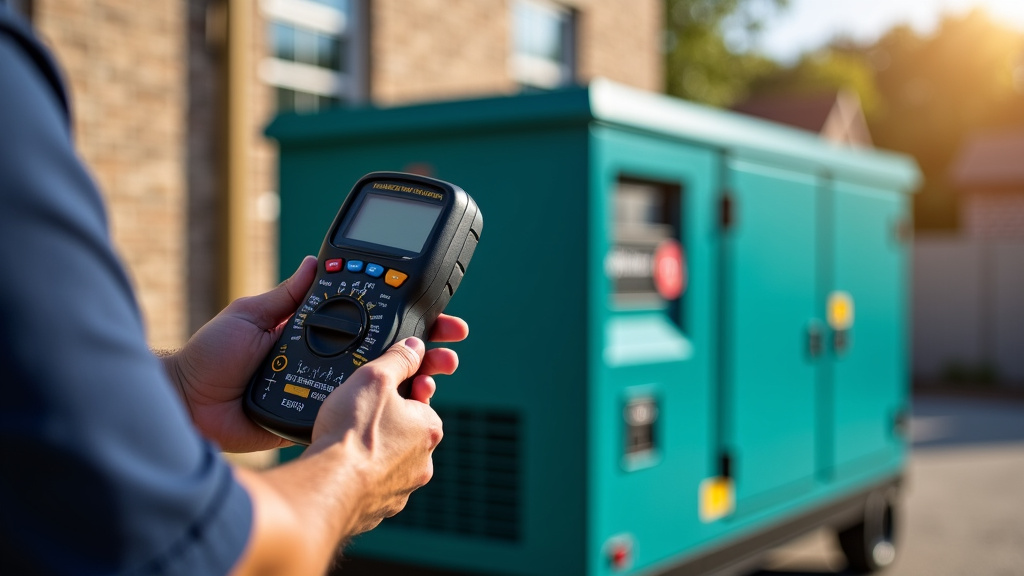
A multimeter is your most important diagnostic tool here. This device measures voltage, current, and resistance. For testing a transfer switch, you’ll primarily use it to check voltage levels. You’ll need one that can accurately read AC voltage. Digital multimeters are usually easiest to read. Make sure you understand how to use its different settings. Many online guides can help if you’re new to them.
Safety Gear is Non-Negotiable
Working with electricity means you must prioritize your safety. Always wear safety glasses to protect your eyes from debris or accidental sparks. Thick, insulating rubber gloves are also recommended, especially if you’re not completely comfortable. A non-conductive mat to stand on can add another layer of protection. Remember, electricity is unforgiving. Taking these precautions is **absolutely vital**.
Don’t Forget the Generator Manual
Your generator’s owner’s manual is a treasure trove of information. It will have specific details about your model. This includes wiring diagrams and recommended testing procedures. It might also list the proper voltage and amperage specifications for your generator. Referring to it ensures you’re performing tests correctly for your specific setup.
Understanding Power Sources and Connections
Confirming Your Power Sources
Before you touch anything, you need to be sure about your power sources. This means identifying the utility power line coming into your home. You also need to know where your generator power input is located. Often, this is a dedicated inlet box on the outside of your house. Understanding these paths helps you trace the flow of electricity and avoid confusion.
Visual Inspection of Connections
A good first step is a thorough visual inspection. Look for any signs of damage or wear on the transfer switch itself. Check the wiring connections. Are they tight and secure? Are there any loose wires or signs of corrosion? Sometimes, problems are as simple as a connection that has come loose over time. This initial look can save you a lot of troubleshooting.
Performing Basic Voltage Checks
Testing Utility Power (Before Generator Starts)
With the utility power on, you can perform a baseline check. You’ll want to measure the voltage coming from the grid. Locate the terminals on your transfer switch that are connected to utility power. Using your multimeter set to AC voltage, carefully touch the probes to these terminals. You should see a reading close to your home’s standard voltage (e.g., 120V or 240V). Always refer to your manual for expected values. This confirms the utility is supplying power correctly.
Testing Generator Power (After Generator Starts)
Once you know your generator is running, you can test the generator power input. You’ll need to have the generator connected to the transfer switch inlet. Make sure the main utility power is disconnected or switched off at the breaker panel. Now, check the voltage at the generator input terminals on the transfer switch. Again, use your multimeter. You should read a voltage similar to what your generator is rated to produce. This test verifies the transfer switch is receiving power from the generator.
Checking the Load Side
The “load side” of the transfer switch is what powers your home’s circuits. After confirming both utility and generator power are present at their respective inputs, you can check the load terminals. With utility power active and the generator off, check the voltage on the load terminals. Then, switch to generator power and check again. You should see the correct voltage on the load terminals in both scenarios, indicating the switch is directing power as it should.
A Simple Checklist for Your Test
Here’s a quick rundown to keep you on track:
- Gather all necessary tools and safety gear.
- Ensure your generator is in good working order.
- Locate and identify all power input points on the switch.
- Perform a visual check for any obvious damage or loose connections.
- Use your multimeter to verify utility voltage at the switch.
- Test generator voltage at the switch when it’s running.
Conclusion
You’ve learned what you need to test your generator transfer switch. It involves basic tools like a screwdriver set and an insulated multimeter. Always prioritize safety with glasses and gloves. Your generator’s manual is also key for specific details. By following these steps, you can perform essential checks. This ensures your backup power system is ready when you need it most. If you’re unsure about any step, it’s always best to consult a qualified electrician.
Frequently Asked Questions
How often should I test my generator transfer switch?
We recommend testing your transfer switch at least once a year. More frequent testing might be needed if you live in an area prone to frequent power outages. Regular checks ensure it’s always in good working order.
Can I test the transfer switch without starting the generator?
You can perform visual inspections and check utility power voltage without the generator. However, to confirm the generator side of the switch functions correctly, you’ll need to start and run the generator. This allows you to safely measure the generator’s voltage output at the switch.
What does it mean if my multimeter reads zero voltage?
A zero voltage reading could mean several things. It might indicate that the power source is off or disconnected. It could also point to a problem with the wiring or the transfer switch itself. Always double-check your connections and refer to your generator’s manual for troubleshooting.
Do I need a special type of multimeter for this test?
A standard digital multimeter capable of reading AC voltage is typically sufficient. Ensure it has insulated probes for safety. For most homeowners, a basic model will work fine for these transfer switch checks.
When should I call a professional electrician?
If you encounter any reading you don’t understand, or if the transfer switch doesn’t seem to be working correctly, it’s time to call a professional. Also, if you feel uncomfortable at any point during the testing process, a qualified electrician can ensure the work is done safely and correctly.
