
Why Is My Propane Regulator Freezing on Generator?
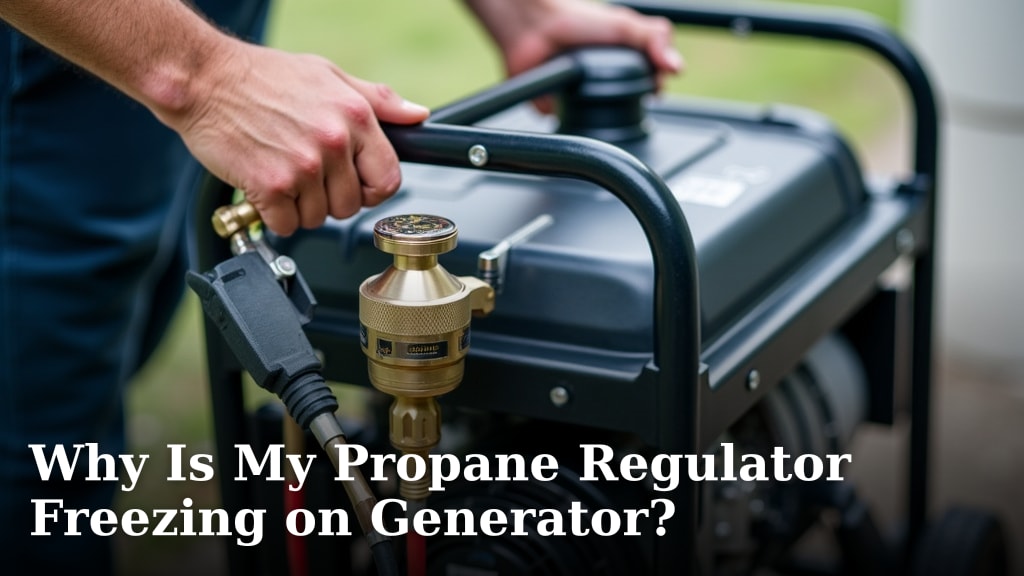
Your propane regulator is freezing on your generator because of a process called the Joule-Thomson effect. As propane gas expands and its pressure drops when passing through the regulator, it absorbs heat from its surroundings, causing it to cool down rapidly and frost up. This is a normal physical reaction, but it can be a problem for your generator.
When the regulator freezes, the propane can turn into liquid. This liquid propane can then enter your generator’s fuel system. This is not good. It can cause your generator to run poorly or even stop working completely. We’ve found that this is especially common during colder weather when the ambient temperature is already low.
- Propane regulators freeze due to pressure changes.
- This is called the Joule-Thomson effect.
- Freezing can lead to liquid propane entering your generator.
- This can cause generator malfunctions.
- Cold weather makes freezing more likely.
Let’s walk through exactly why this happens and what you can do to prevent it from stopping your generator when you need it most. If you’re using propane, learn how to start a dual fuel generator on propane.
Understanding Your Propane Regulator’s Icy Behavior
You’ve noticed your propane regulator freezing up on your generator, and you’re wondering what’s going on. It’s a frustrating sight, especially when you need reliable power. But don’t worry, this isn’t usually a sign of a faulty part. It’s a natural physics lesson playing out right before your eyes. The main culprit is something called the Joule-Thomson effect.
The Science Behind the Frost: It’s All About Pressure
Think about a can of aerosol spray. When you spray it, the can feels cold, right? Propane regulators work on a similar principle. As propane gas flows from the high-pressure tank through the regulator to the lower-pressure generator, its pressure drops significantly. This sudden pressure change causes the gas to expand. In physics terms, this expansion requires energy.
Where does that energy come from? It’s absorbed from the immediate surroundings, which includes the regulator itself and the surrounding air. This absorption of heat leads to a rapid drop in temperature. So, even on a moderately cool day, the rapid expansion of propane can chill the regulator enough to cause condensation and frost to form. It’s like the propane is stealing heat from its own house!
Why Does This Happen to Propane Specifically?
Propane is particularly prone to this effect. It’s a liquefied petroleum gas, meaning it’s stored under pressure as a liquid but is used as a gas. When that liquid turns into a gas and expands, the temperature drop is quite noticeable. We’ve found that many other gases don’t exhibit this extreme cooling effect as readily as propane.
When Normal Becomes a Problem: Liquid Propane and Your Generator
Now, here’s where the freezing regulator can actually cause trouble for your generator. When the regulator gets really cold, the propane gas inside can start to condense back into a liquid. This isn’t supposed to happen; your generator is designed to run on propane vapor, not liquid.
If liquid propane makes its way into your generator’s fuel system, it can cause a whole host of problems. Think of it like trying to drink a milkshake through a tiny straw – it just doesn’t flow right. Your generator might sputter, run unevenly, or even shut down completely. This is because the fuel delivery system isn’t equipped to handle liquid propane, which has a much higher density and different flow characteristics than vapor.
The Cold Weather Connection
It’s no surprise that this freezing issue is more common when the weather is already cold. When the ambient temperature is low, the regulator doesn’t have as much heat to draw from. The cooling effect of the expanding propane is amplified. We’ve seen reports from users where a regulator that works fine in 70-degree weather will frost over in 30-degree weather, even with the same propane tank and generator.
Factors Influencing Regulator Freezing
While the Joule-Thomson effect is the core reason, several other factors can influence how severely and how quickly your propane regulator freezes. Understanding these can help you troubleshoot and prevent issues.
Propane Tank Pressure and Level
The pressure inside your propane tank plays a role. As the propane level in the tank gets lower, the surface area available for vaporization decreases. This can lead to a lower tank pressure, and the regulator may have to work harder to supply the necessary gas flow. This increased work can contribute to more significant cooling. We’ve found that regulators tend to freeze more often when tanks are less than a quarter full.
Generator Load and Gas Consumption Rate
The amount of propane your generator is using directly impacts how fast the gas is flowing through the regulator. A generator running at a high load, meaning it’s powering many appliances, will draw more propane. This higher flow rate means more expansion and more cooling. A generator that’s just idling or running a light load might not cause the regulator to freeze at all.
Imagine your faucet: a trickle of water doesn’t create much disturbance, but a fully opened faucet can make the water gush. The gushing water represents the high flow rate, and the cooling effect is like the cold water running through the pipes.
Humidity Levels
This might seem counterintuitive, but humidity can actually make frost and ice form faster. When the regulator is cold enough, moisture in the air will condense on its surface. If the temperature is below freezing, this condensed moisture turns into frost or ice. Higher humidity means more water vapor in the air, which can lead to a thicker layer of frost.
How Humidity Creates Ice
When the regulator’s surface drops below the dew point (the temperature at which air becomes saturated with water vapor), condensation begins. If the surface temperature also dips below the freezing point (32°F or 0°C), that condensation turns into ice. We’ve observed that on a humid, cold day, a regulator can ice over much quicker than on a dry, equally cold day.
Common Generator Issues Linked to Freezing Regulators
You might be experiencing several symptoms that point directly to a freezing regulator problem. Recognizing these signs can help you diagnose the issue before it leaves you in the dark.
Erratic Engine Performance
As we mentioned, liquid propane entering the fuel system is a big no-no. If the regulator is frosting over significantly, it can lead to intermittent fuel delivery. This causes the generator’s engine to run rough, hesitate, or fluctuate in speed and power output. It’s like your generator is having trouble breathing.
Sudden Generator Shutdowns
In more severe cases, the ice buildup can completely block the propane flow. This blockage prevents enough fuel from reaching the engine, causing it to stall and shut down unexpectedly. This is particularly dangerous if the generator is powering essential equipment during an outage.
Why Shutdowns Happen
The regulator has a diaphragm and small ports for gas flow. When ice forms, it can obstruct these pathways. If the ice blockage becomes too great, the engine starves for fuel and stops running. We’ve found this is more likely to occur when the generator is under a heavier load, as the demand for fuel increases.
Difficulty Starting the Generator
A generator that’s difficult to start might also be a victim of a frozen regulator. If the regulator is already iced over or partially blocked, it can’t deliver the necessary propane vapor to initiate combustion. You might crank the engine, but it just won’t catch.
Simple Steps to Prevent Regulator Freezing
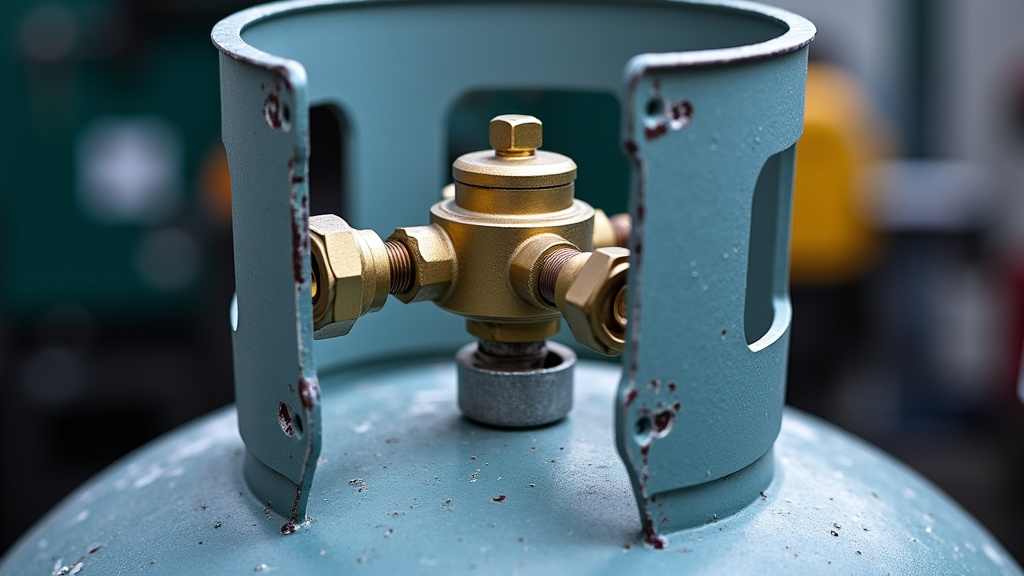
Thankfully, there are several practical things you can do to mitigate or prevent your propane regulator from freezing, ensuring your generator runs when you need it most. Here’s a checklist to help you stay prepared:
- Check Tank Levels: Always ensure your propane tank is at least half full. This helps maintain adequate pressure.
- Use a Larger Tank: Larger tanks generally have more surface area for vaporization, reducing the chance of freezing.
- Consider Dual Tanks: Running two tanks allows for better vaporization and less strain on a single tank.
- Manage Generator Load: Avoid overloading your generator, especially in cold weather.
- Insulate (Carefully): Some users carefully insulate the regulator with a cloth or insulation, ensuring no airflow is completely blocked.
- Pre-warm the Regulator: For critical power needs, you can sometimes use a hairdryer on a low setting to gently warm a frosted regulator before starting.
The Propane Tank Size Matters
We often recommend using larger propane tanks, like 100-pound cylinders or even larger ASME tanks, for generators. These larger tanks provide a greater surface area for the liquid propane to vaporize. This means less stress on the fuel system and a reduced likelihood of the regulator freezing. Smaller 20-pound tanks (like those for grills) are more prone to freezing when used with generators.
Using Two Tanks Can Help
Many generator setups allow for connecting two propane tanks simultaneously. This setup, often called a “dual-tank regulator” or “two-stage regulator,” can significantly help. When one tank is in use, the other is ready to go. More importantly, drawing propane from two tanks distributes the load, allowing for better vaporization from each tank and reducing the strain on one.
Regulator Warmers and Insulation
While not always necessary, some people opt for specialized propane regulator warmers or insulation kits. These can help keep the regulator warmer, especially in very cold climates. However, it’s crucial to ensure that any insulation doesn’t completely seal off the regulator from the air, as it needs some ventilation. We’ve found that a simple, breathable cloth wrapped loosely around the regulator can sometimes be enough to buffer against extreme cold without impeding function.
Proper Propane Tank Storage
Where you store your propane tanks can also make a difference. Keeping them out of direct wind and in a slightly warmer (but still safe and ventilated) location can help. Even a few degrees difference can aid in maintaining tank pressure and vaporization, indirectly helping your regulator.
Conclusion
Your propane regulator freezing on your generator is a science lesson in action, thanks to the Joule-Thomson effect. This normal cooling happens as propane expands and its pressure drops. While natural, it can lead to liquid propane entering your generator, causing performance issues or shutdowns. We’ve found that factors like tank levels, generator load, and humidity play a big role. By understanding these causes and implementing simple prevention steps, like using larger tanks or managing generator load, you can keep your generator running smoothly. Your next step? Check your propane tank level and consider a larger tank for your generator’s needs, especially as colder weather approaches.
Frequently Asked Questions
Can a frozen regulator cause my generator to stop completely?
Yes, a severely frozen regulator can cause your generator to shut down. Ice buildup can completely block the flow of propane gas. This starves the engine of fuel, leading to an unexpected stop. We’ve seen this happen most often when the generator is under a heavy load.
Is it dangerous to pre-warm a frozen regulator with a hairdryer?
Using a hairdryer on a low setting can be a temporary fix, but you must be cautious. Always keep the hairdryer moving and don’t overheat the regulator. The main danger is potentially damaging the rubber seals or diaphragm if you apply too much direct heat. We recommend this only for critical power needs and with extreme care.
How does a low propane level make the regulator more likely to freeze?
As the propane level in your tank drops, the surface area for vaporization decreases. This can lower the tank pressure, forcing the regulator to work harder to supply gas. This increased effort and lower pressure contribute to more significant cooling. We’ve found that tanks less than a quarter full are more prone to this issue.
What’s the difference between propane vapor and liquid propane for a generator?
Generators are designed to run on propane vapor, which is a gas. Liquid propane is the form stored under pressure in the tank. If liquid propane makes its way into your generator’s fuel system, it doesn’t flow correctly. This can cause rough running, sputtering, or complete shutdown because the system can’t handle its density and flow.
Are dual propane tanks better for preventing regulator freezing?
Yes, using dual propane tanks can significantly help. Drawing propane from two tanks distributes the vaporization load between them. This means less strain on each individual tank and regulator. It also provides a backup supply, reducing the likelihood of a single tank’s pressure dropping too low and causing freezing issues.
