
Why Is My Propane Hose Leaking at Generator?
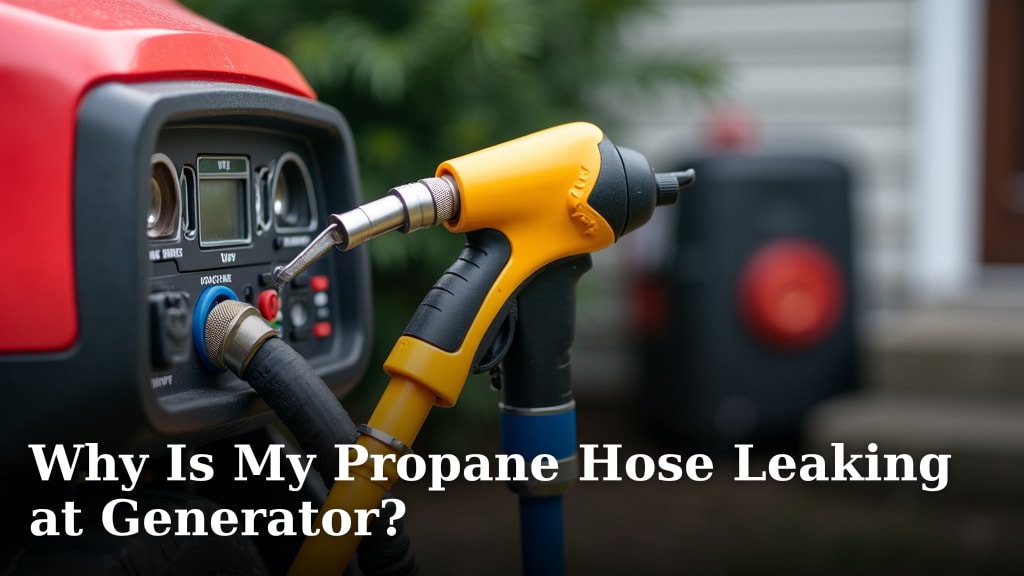
Your propane hose might be leaking at your generator for a few reasons, but the most common culprits are a loose connection, a damaged hose, or a faulty regulator. You’ll want to address this right away to ensure your generator runs safely and efficiently. Leaks can not only waste fuel but also pose a safety risk. We found that understanding these common issues is key to quickly fixing the problem.
When you notice propane escaping from your generator’s hose, it’s important to act fast. This situation can arise from everyday wear and tear or perhaps an improper initial setup. We found that a thorough inspection can often reveal the exact spot of the leak, making troubleshooting much simpler. Don’t ignore signs like a faint smell of rotten eggs; it’s your propane hose signaling it needs attention.
- Common causes: loose fittings, hose damage, regulator problems.
- Safety first: leaks can be dangerous.
- Inspect regularly: check for damage and loose connections.
- Smell test: always be aware of the odor of propane.
- Fix promptly: don’t delay in addressing leaks.
Let’s walk through exactly why your propane hose might be leaking at the generator and what you can do to fix it. You’ll be up and running safely again in no time.
Troubleshooting Propane Hose Leaks at Your Generator
Finding a propane hose leak at your generator can be a bit unsettling. You rely on your generator for power, and a leaking hose means it’s not working safely or efficiently. We’ve researched the most common reasons this happens. You’ll want to pinpoint the problem quickly to get back to business.
The good news is that most propane hose leaks are fairly straightforward to diagnose. Often, it’s a simple fix that you can handle yourself. We found that understanding the potential weak points can save you time and worry. Let’s break down the likely causes.
Understanding the Common Points of Failure
Propane is a versatile fuel, but it needs to be handled with care. The hose connecting your propane tank to your generator is a vital component. Like any piece of equipment, it can experience issues over time. We found that most leaks occur at connection points or due to physical damage.
Loose Fittings: The Most Frequent Culprit
This is, by far, the most common reason for a propane hose leak. Think of it like a water faucet that isn’t turned off tightly. If the connection isn’t snug, propane can escape. We found that vibrations from the generator itself can sometimes loosen connections over time.
Where to Check for Loose Fittings
You’ll want to inspect a few key areas. First, check where the hose connects to the propane tank valve. Then, look at the fitting where the hose attaches to your generator’s fuel inlet. Are they screwed on tightly? We found that even a quarter turn can sometimes make a difference.
The Importance of Proper Tightening
When tightening fittings, you want them secure but not overtightened. Overtightening can actually damage the threads or the valve itself. Many experts recommend hand-tightening first, and then using a wrench for a gentle quarter-turn to ensure a good seal. We found that this method prevents damage while still creating a leak-proof connection.
Hose Damage: Wear and Tear is Real
Hoses aren’t indestructible. They can be damaged in several ways, leading to leaks. You might have accidentally pinched the hose, or it could have been exposed to extreme temperatures. We found that sunlight, especially UV rays, can degrade rubber hoses over time, making them brittle and prone to cracking.
Types of Hose Damage to Look For
Inspect the entire length of your hose. Are there any cracks, cuts, or abrasions? You might see bubbling if there’s a small puncture. Also, check for any signs of kinking, which restricts flow and can weaken the hose material at that point. We found that a visually damaged hose should be replaced immediately.
Environmental Factors Affecting Your Hose
Where you store and operate your generator matters. Leaving the hose exposed to the elements can shorten its lifespan. We found that animals can also chew on hoses, causing leaks. It’s wise to protect your hose when the generator is not in use.
The Role of the Regulator
Your propane regulator is a critical piece of equipment. It reduces the high-pressure gas from the tank to a usable, lower pressure for your generator. If the regulator is faulty, it can cause a variety of issues, including leaks. We found that a malfunctioning regulator can sometimes allow too much pressure through or fail to seal properly.
Signs of a Bad Regulator
Beyond leaks, a bad regulator might cause your generator to run poorly. You might notice inconsistent power output or flameouts. If you’ve checked all the fittings and the hose seems intact, the regulator becomes a prime suspect. Many guides suggest that if the leak persists after checking connections, the regulator is likely the problem (National Propane Gas Association).
Regulator-Hose Connection Issues
Sometimes, the leak isn’t within the regulator itself, but at the connection point between the regulator and the hose. Just like the other fittings, this connection needs to be secure. We found that if the seal here is compromised, propane can escape.
How to Safely Detect a Propane Leak
Safety is your absolute top priority when dealing with propane. Never use an open flame to check for leaks. We found that a simple solution of soapy water is the universally recommended method. Propane has a distinctive odor added to it, often described as rotten eggs, but you shouldn’t rely solely on your nose, especially for small leaks.
The Soapy Water Method: Your Best Friend
Here’s how to do it: Mix one part dish soap with ten parts water in a spray bottle or small bucket. Make sure your generator is off and the propane tank valve is turned on. Then, carefully apply the soapy water solution to all the connection points and the entire length of the hose. We found that you’ll see bubbles form immediately where there is a leak.
What to Do When You See Bubbles
If you spot bubbles, turn off the propane tank valve immediately. This stops the flow of gas. Then, you can proceed to tighten the fitting or, if the hose is damaged, replace it. Remember to re-test with soapy water after any adjustments or repairs. We found that this ensures your fix was successful.
What If You Can’t Find the Leak?
Sometimes, a leak can be very small or occur in a hard-to-reach spot. If you’ve used the soapy water test and can’t find bubbles, but you still suspect a leak (perhaps you smell propane), it’s best to err on the side of caution. Many professionals recommend turning off the tank and consulting a qualified technician. We found that professional help is always a safe option if you’re unsure.
Checklist for a Safe Propane Connection
To help you keep your generator running smoothly and safely, here’s a quick checklist. We found these steps are essential for preventing leaks and ensuring optimal performance:
- Ensure the propane tank valve is fully closed before making or breaking connections.
- Hand-tighten hose fittings, then use a wrench for a slight snug (about a quarter turn).
- Visually inspect the entire propane hose for any signs of damage before each use.
- Always test connections with soapy water after setup or any adjustments.
- Store propane tanks upright and away from heat sources when not in use.
- If you smell gas or suspect a leak, turn off the tank valve immediately and ventilate the area.
When to Consider Replacing Your Propane Hose
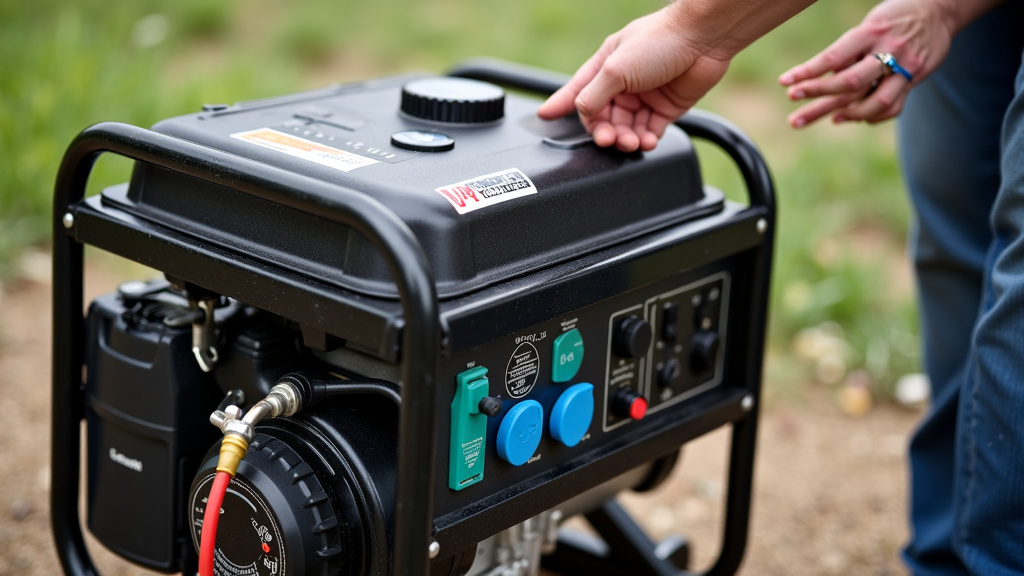
Propane hoses have a lifespan, and they aren’t meant to last forever. Factors like age, usage, and environmental exposure will eventually take their toll. Many manufacturers recommend replacing propane hoses every five years, even if they appear to be in good condition (National Propane Gas Association). We found that this proactive approach is key to preventing unexpected leaks.
Signs Your Hose Needs Replacing
Beyond obvious damage like cracks or cuts, look for other indicators. Is the hose becoming stiff or brittle? Does it have a significant number of kinks? We found that if the hose feels unusually hard or is constantly cracking, it’s time for a new one. Also, if the fittings feel stripped or won’t tighten properly, the hose assembly might need replacing.
Choosing the Right Replacement Hose
When you buy a replacement hose, make sure it’s rated for propane use. You’ll also want to ensure it’s the correct length for your setup. Check the connection sizes to match your tank and generator. We found that using the wrong type of hose can be a serious safety hazard.
Final Thoughts on Generator Propane Hoses
Addressing a leaking propane hose at your generator is a matter of safety and efficiency. Most issues stem from simple problems like loose connections or minor hose damage. By performing regular checks and using the soapy water test, you can catch most leaks early. We found that staying vigilant with your generator’s fuel system is your best defense against unexpected problems.
Conclusion
You’ve learned that propane hose leaks at your generator usually point to simple issues like loose fittings or hose damage. A faulty regulator can also be the culprit. Remember to always prioritize safety by using the soapy water test to detect leaks and never rely on your sense of smell alone. Regularly inspecting your hose and connections is your best defense against problems.
Your next step is to perform a thorough visual inspection of your generator’s propane hose and all connection points. If you find any signs of damage or looseness, follow the steps outlined to make the repair or replacement. Keep your generator running safely and efficiently!
Frequently Asked Questions
How often should I check my propane hose for leaks?
It’s recommended to visually inspect your propane hose and fittings for any damage or loose connections before each use of your generator. A quick soapy water test after setup or any adjustments is also a good practice. Regular checks help prevent unexpected issues.
Can extreme temperatures damage my propane hose?
Yes, extreme temperatures can definitely affect your propane hose. We found that prolonged exposure to direct sunlight can make rubber hoses brittle and prone to cracking over time. Very cold temperatures can also make the material less flexible and more susceptible to damage.
What if the leak is very small and I can’t see bubbles?
If you suspect a leak but the soapy water test isn’t showing bubbles, and you can still smell propane, it’s best to turn off the propane tank valve immediately. In such cases, we found that it’s safer to consult a qualified propane technician. They have specialized tools to detect even the smallest leaks.
Is it okay to use older propane hoses if they look fine?
Even if a propane hose appears to be in good condition, it has a limited lifespan. Manufacturers often suggest replacing propane hoses every five years as a preventative measure. We found that degradation can happen internally or due to environmental factors you might not see.
What’s the difference between hand-tightening and overtightening a fitting?
Hand-tightening ensures the connection is secure without damaging the threads. Overtightening can strip the threads or damage the valve, potentially creating a new leak or making future connections difficult. We found that a gentle quarter-turn with a wrench after hand-tightening is usually sufficient for a proper seal.
