
What Product Helps with Propane Regulator Freezing on Generator?
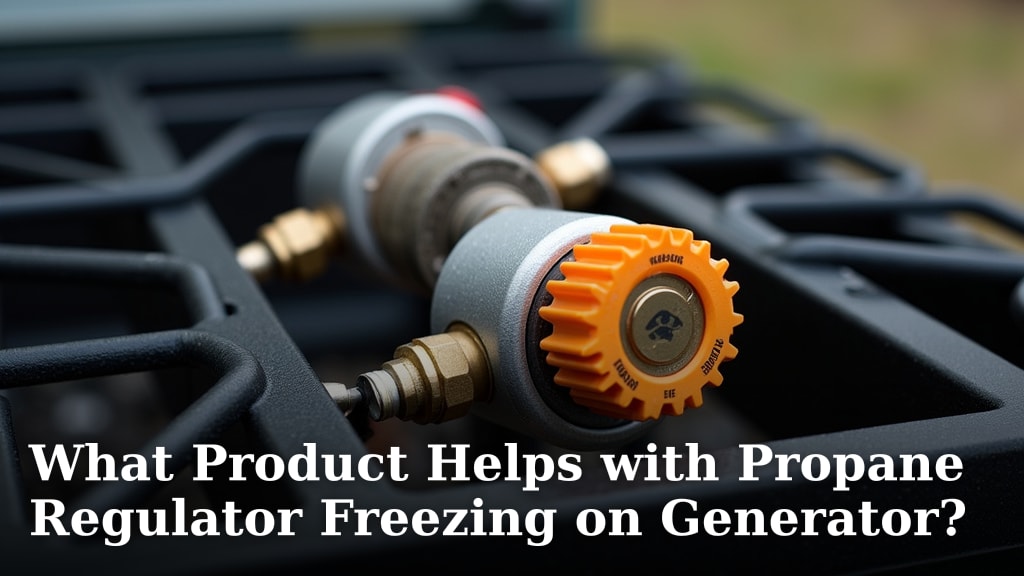
When your generator’s propane regulator freezes, the primary solution is using a regulator heater. This simple device helps prevent the extreme cold from causing ice buildup, ensuring your generator runs smoothly. You can find these specifically designed for propane regulators, often powered by a small battery or your generator’s AC output.
Propane naturally cools as it expands and vaporizes, especially in cold weather. This cooling effect can lead to moisture in the air freezing onto the regulator’s surface. Understanding this process helps you choose the right preventative measures to keep your equipment operational when you need it most.
- Regulator heaters are the top solution.
- They prevent ice buildup from cold.
- Propane vaporization causes cooling.
- Cold weather makes freezing worse.
Let’s walk through exactly what causes this and how a regulator heater can be your best friend during chilly days.
Solving Propane Regulator Freezing on Your Generator
The primary culprit behind a frozen propane regulator on your generator is the joule-thomson effect. It sounds complicated, but it’s a natural phenomenon. When propane gas expands and vaporizes, it absorbs heat from its surroundings. In cold weather, this cooling effect is amplified, leading to ice formation on the regulator.
Why Does Propane Regulator Freezing Happen?
You’re running your generator, and suddenly, it sputters and dies. Often, the issue is a frozen propane regulator. This happens because propane is stored as a liquid under pressure. When you open the valve, this liquid has to turn into a gas. This phase change requires energy, and it gets that energy by drawing heat from the regulator itself.
Think of it like using an aerosol can on a cold day. After spraying for a while, the can feels cold. Propane regulators work similarly, but on a much more serious scale for your generator’s operation. The cold gas passing through can chill the regulator down to below freezing temperatures.
This is especially problematic when the ambient temperature is already low. The regulator has less heat to draw from the surrounding air. So, the cooling effect quickly overtakes any warmth, leading to moisture in the air freezing onto the regulator’s metal parts. This ice buildup can then block the propane flow, starving your generator of fuel.
The Science Behind the Chill
The expansion of gases and liquids causes them to cool. This is a well-documented scientific principle. When propane transitions from a liquid to a gas, it expands rapidly. This expansion draws heat from the immediate environment. In this case, the immediate environment is the regulator housing and its internal components.
Research confirms that the temperature drop can be substantial, particularly under heavy load or when propane is flowing at a high rate. This is why generators used frequently or for extended periods in cold climates are more susceptible. The constant demand for fuel means a constant cooling process.
Moisture: The Silent Accomplice
Even if it’s not raining or snowing, there’s moisture in the air. This atmospheric humidity is the key ingredient for ice. As the regulator gets colder than the dew point of the surrounding air, water vapor in the air condenses onto its surface. Then, when temperatures drop below freezing, that condensed water turns into ice.
We found that even a small amount of ice can be enough to cause problems. It doesn’t take a thick layer of frost to disrupt the precise mechanism of a propane regulator. Think of it like a tiny pebble jamming a complex gear – the effect can be disproportionately large.
The Best Product to Prevent Regulator Freezing: Regulator Heaters
The most effective solution many experts recommend is a specialized propane regulator heater. These devices are designed specifically to combat the cold and keep your regulator functioning. They are a simple yet powerful tool in your cold-weather generator arsenal.
We’ve seen these heaters come in various forms, but they all share a common goal: to provide a gentle but consistent source of warmth to the regulator. This warmth counteracts the cooling effect caused by propane vaporization. It keeps the regulator above freezing, preventing ice from forming and blocking the fuel line.
How Do Regulator Heaters Work?
Regulator heaters typically use a low-wattage heating element. This element is positioned near or around the regulator body. Some models are designed as a wrap-around sleeve, while others might be a small pad that attaches directly. They are powered by a small battery or sometimes by the generator’s AC output when it’s running.
The heat generated is just enough to maintain the regulator at a safe temperature. It’s not designed to be intensely hot, which could damage the regulator or be a safety hazard. Instead, it provides a steady, gentle warmth that battles the natural cooling process. Many manufacturers recommend keeping the regulator within a specific temperature range to ensure optimal performance.
Types of Regulator Heaters Available
You’ll find a few main types of regulator heaters on the market. The most common are electric heaters. These can be battery-powered or AC-powered.
- Battery-Powered Heaters: These are great for portability and situations where you don’t have AC power readily available. They often use small, rechargeable batteries. Their run time will depend on the battery capacity and the heater’s wattage.
- AC-Powered Heaters: If your generator is stationary or you have access to an AC outlet, these can be a convenient option. They plug directly into a power source and don’t rely on battery life.
Some less common, but still viable, solutions involve passive heating. These might use insulating materials or even small heat packs designed for prolonged warmth. However, for consistent performance in truly cold conditions, active electric heaters are generally preferred by many users.
Powering Your Regulator Heater
Choosing the right power source is important. Battery-powered heaters offer independence, but you need to monitor battery levels. If you’re using AC power, ensure you have a reliable connection. Some users rig up small solar chargers for battery models to extend their use without needing frequent recharges.
It’s wise to consider the power draw of the heater. A low-wattage model will conserve battery life or have a minimal impact on your generator’s overall fuel consumption if AC-powered. Always check the specifications to match the heater to your power capabilities and generator setup.
Choosing the Right Regulator Heater for Your Needs
When you’re looking for a regulator heater, consider a few key factors. Your environment is a big one. Are you in extreme cold, or just chilly temps? How often will you use your generator?
Factors to Consider:
- Temperature Range: Check the heater’s specifications to ensure it’s rated for the temperatures you expect to encounter.
- Power Source: Decide if battery or AC power is more practical for your setup.
- Size and Fit: Make sure the heater is compatible with your specific propane regulator model.
- Durability: Look for heaters made with robust materials that can withstand outdoor conditions.
- Safety Certifications: Ensure the product meets safety standards for electrical components.
Comparing Heater Options: A Quick Look
We found that comparing models can be helpful. Here’s a simple breakdown of what to look for:
| Feature | Battery-Powered | AC-Powered |
|---|---|---|
| Portability | High | Low |
| Runtime | Limited by battery | Continuous (with power) |
| Setup Simplicity | Very High | High |
| Best For | Remote locations, intermittent use | Stationary setups, frequent use |
This table can give you a quick visual of the trade-offs. Think about where your generator lives and how you use it most often.
Installation and Usage Tips for Regulator Heaters
Installing a regulator heater is usually straightforward. Most wrap-around models simply secure with Velcro or straps. For pad-style heaters, an adhesive backing might be present.
Best Practices for Installation:
- Ensure the regulator is clean and dry before attaching the heater.
- Position the heater for maximum contact with the regulator body.
- Secure it firmly so it doesn’t shift or fall off.
- Connect the power source according to the manufacturer’s instructions.
Maintaining Your Heater:
Regular checks are a good idea. Ensure connections are secure and the heater element is free from damage. If using a battery model, keep spare batteries charged or have a charging plan. This proactive approach ensures your heater is always ready when the temperature drops.
A Quick Checklist for Cold Weather Generator Preparedness:
Before a cold snap hits, consider running through this checklist:
- Is your generator fueled and ready?
- Have you checked your propane tank levels?
- Is your regulator heater installed and powered on?
- Do you have backup power for your heater (e.g., charged batteries)?
- Is your generator stored in a reasonably protected location?
- Have you tested your generator recently in cold conditions?
Taking these small steps can save you a lot of headaches when you desperately need power.
Conclusion
Keeping your generator running smoothly in cold weather means tackling propane regulator freezing. You’ve learned that the physics of propane vaporization naturally cools the regulator. Moisture in the air then freezes onto it, disrupting fuel flow.
A specialized regulator heater is your best defense against this. By providing gentle warmth, it prevents ice buildup and ensures your generator gets the fuel it needs. Don’t let a frozen regulator leave you in the dark. Your next step is to identify the right heater for your generator and environment, ensuring reliable power when you need it most.
Frequently Asked Questions
How often do I need to check my regulator heater?
We recommend checking your regulator heater before each cold weather use, and at least monthly during freezing temperatures. Ensure it’s properly attached, powered on, and that batteries are charged if applicable. This quick check ensures it’s ready to prevent freezing.
Can I use a DIY solution instead of a commercial regulator heater?
While some people try DIY methods, we found that commercial regulator heaters are generally safer and more effective. They are designed with specific wattages and materials to prevent overheating or damage to the regulator. Stick with a purpose-built product for reliability.
Will a regulator heater use a lot of my generator’s power?
Most regulator heaters are low-wattage devices designed for efficiency. If AC-powered, the draw is usually minimal and won’t significantly impact your generator’s run time or fuel consumption. Battery-powered models are designed for extended life on a single charge.
What if my propane regulator is already frozen?
If your regulator is already frozen, the first step is to safely disconnect the propane source and allow the regulator to thaw naturally in a warmer environment. Trying to force heat can damage the unit. Once thawed, you can then install a regulator heater for future use.
Can I use a regulator heater in extremely high winds?
Regulator heaters are designed to operate in cold outdoor conditions, which can include wind. However, ensure the heater is securely attached and that any power cords are protected from damage. Extreme wind might necessitate extra care in securing your generator and its connections.
