
What Product Helps with Generator Running Rough on Old Gasoline?
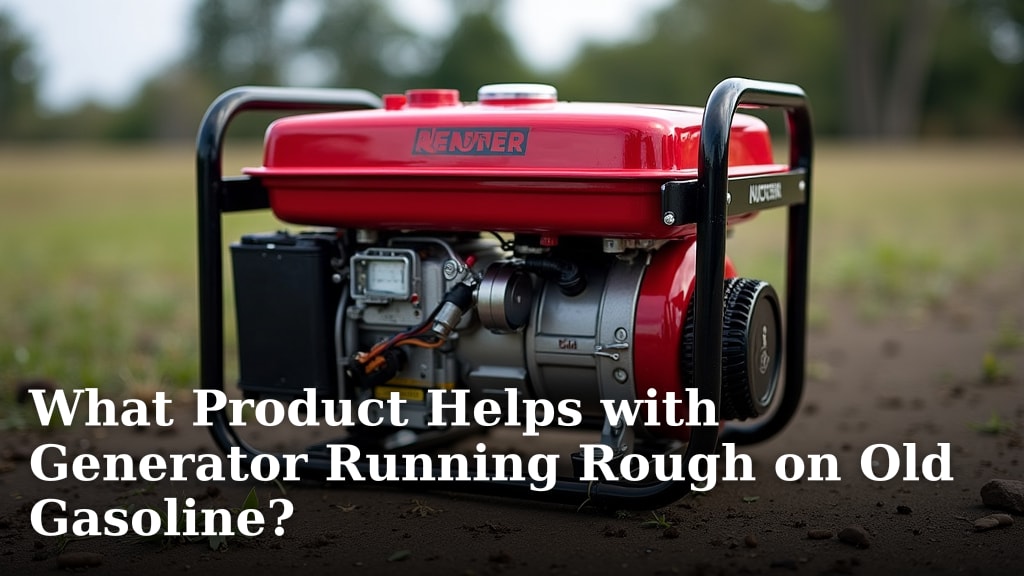
When your generator is running rough on old gasoline, the most common solution is to use a fuel stabilizer. This additive helps to clean your fuel system and prevent further engine trouble. Old gas can break down, creating gum and varnish that clog crucial engine parts.
You might have noticed your generator sputtering or losing power. This is often a sign that the gasoline has gone bad. Using a quality fuel stabilizer can make a big difference in performance. It’s designed to combat the effects of ethanol and oxidation in stored fuel.
- Old gas can ruin your generator.
- Fuel stabilizers are your best bet.
- They clean and protect the fuel system.
- Prevent gum and varnish buildup.
- Keep your generator ready to go.
Let’s dive into why old gasoline causes these problems and how a good fuel stabilizer can fix it right up.
Addressing Generators Sputtering on Old Fuel
When your generator starts acting up, sounding like it’s coughing or losing power, old gasoline is often the culprit. You’re probably wondering, “What product can help my generator when it’s running rough on old gasoline?” The answer, as we touched on in the introduction, is usually a fuel stabilizer. It’s like a tune-up in a bottle for your fuel system.
Why Does Old Gasoline Make Generators Run Rough?
Gasoline isn’t meant to sit around forever. Over time, it goes through a process called oxidation. This means it reacts with oxygen in the air. Oxidation causes the fuel to break down. It forms sticky residues, often called gum and varnish. These deposits are the main reason your generator starts sputtering.
Think of it like leaving milk out on the counter. It eventually spoils and gets chunky. Gasoline does something similar, but instead of spoiled milk, you get gummy gunk. This gunk loves to clog up the small, precise parts of your generator’s fuel system. These parts include the fuel lines, carburetor jets, and fuel injectors. When they’re blocked, fuel can’t flow properly. This leads to poor engine performance.
The Ethanol Factor
Many fuels today contain ethanol. Ethanol is an alcohol added to gasoline to boost octane and reduce emissions. While it has its benefits, ethanol also has some downsides. It’s hygroscopic, meaning it attracts water. Water in your fuel tank can lead to rust and corrosion. This can cause even more problems for your generator’s engine.
Ethanol can also cause certain rubber and plastic components in your fuel system to degrade over time. This degradation can release small particles that mix with the fuel. These particles then contribute to the clogging issue. So, even if the gasoline doesn’t completely break down, the ethanol content can still cause trouble. Research indicates that ethanol can also lead to phase separation in fuel, where the ethanol and water separate from the gasoline (Environmental Protection Agency).
What Exactly Does a Fuel Stabilizer Do?
A good fuel stabilizer works in a few key ways to combat these issues. Its primary job is to prevent fuel degradation. It contains chemicals that slow down the oxidation process. This keeps the gasoline from breaking down into those nasty gums and varnishes. It’s like putting a shield around your fuel.
Stabilizers also help to disperse water. If any water gets into your fuel tank, the stabilizer helps to keep it from settling or causing damage. It essentially allows the water to pass through the engine safely without causing corrosion or other problems. This is especially important for fuels containing ethanol. It helps mitigate the harmful effects of water absorption.
Cleaning Power of Stabilizers
Many modern fuel stabilizers also contain cleaning agents. These agents help to remove existing deposits from your fuel system. They can break down the gum and varnish that have already formed. This means they don’t just prevent future problems; they can also help fix current ones. A cleaner fuel system means better fuel flow and more consistent engine operation.
When you add a stabilizer to old gasoline, it works to clean the fuel injectors or carburetor. It also cleans the intake valves. This allows for a more complete combustion. A cleaner engine runs more efficiently. You’ll notice smoother operation and less sputtering. It’s a dual-action solution: prevent and clean.
How to Use a Fuel Stabilizer for Your Generator
Using a fuel stabilizer is pretty straightforward. You can add it to your gasoline in a few different scenarios. The best time to add it is when you’re storing gasoline. This applies whether you’re filling up a gas can or filling your generator’s tank for the first time.
Stabilizing Fuel Before Storage
If you plan to store gasoline for more than 30 days, you should add a stabilizer. This includes fuel in portable gas cans or in the generator’s tank. Follow the product’s instructions for the correct ratio. Typically, you’ll mix a certain amount of stabilizer with the gasoline. Then, run the generator for about 10-15 minutes. This ensures the treated fuel circulates through the entire fuel system.
This step is vital for seasonal equipment like generators. If you only use your generator a few times a year, stabilizing the fuel is a must. It prevents the need for costly repairs down the line. Think of it as essential maintenance. Experts often recommend this practice for any engine that sits for extended periods (Small Engine Repair Manuals).
Using Stabilizer on Existing Old Gasoline
What if your generator is already running rough because the gas is old? You can still use a fuel stabilizer. Fill the tank with fresh gasoline. Then, add a dose of stabilizer designed for cleaning and restoring fuel. Again, follow the product’s directions carefully. You might need a stronger cleaning formula for this situation. This process can often revive an engine that’s struggling due to stale fuel in a dual fuel generator.
After adding the stabilizer and fresh gas, let the generator run for a bit. This allows the new fuel mixture to get into all parts of the system. The cleaning agents will start to work on the existing gum and varnish. It might take a tank or two of treated fuel to see the full effect. This process can often revive an engine that’s struggling due to stale fuel.
Choosing the Right Fuel Stabilizer Product
Not all fuel stabilizers are created equal. You want a product that is specifically designed for gasoline engines, especially portable equipment. Look for brands that have a good reputation. Many automotive and marine supply stores carry excellent options. Some are general-purpose, while others are formulated for specific issues.
Key Features to Look For
When you’re shopping, check the product label. Does it mention cleaning agents or fuel system cleaners? This is important if you’re trying to fix a generator that’s already running rough. Look for stabilizers that mention combating ethanol issues. This is a common problem with modern fuels.
Some stabilizers are designed for short-term use (up to 6 months), while others can protect fuel for up to 1-2 years. For generator storage, you’ll want a product that offers longer-term protection. Read reviews if possible. See what other generator owners say about their experiences with a particular brand.
Popular Types of Fuel Stabilizers
You’ll find a few main types on the market:
- All-Season Stabilizers: These are great for general use. They protect fuel for several months. They are good for regular maintenance.
- Long-Term Storage Stabilizers: These are formulated for extended periods, often a year or more. They offer maximum protection against fuel breakdown.
- Fuel System Cleaners with Stabilizer: These combine cleaning power with stabilization. They are ideal for generators already experiencing rough running.
Brand Examples and What They Offer
Many well-known brands offer fuel stabilizers. Products like STA-BIL, Sea Foam, and PRI-G are popular choices. STA-BIL is often recommended for gasoline storage. Sea Foam is known for its cleaning abilities. PRI-G is designed specifically for ethanol-blended fuels and provides excellent stabilization.
When selecting a product, consider your generator’s fuel type. Most are designed for standard gasoline. Some may have special formulations for diesel engines, but that’s less common for portable generators. Always ensure the product is compatible with your equipment.
When to Consider a Professional Cleaning
While fuel stabilizers are incredibly effective, there are times when they might not be enough. If your generator has been sitting for a very long time with old fuel, the deposits might be too severe. In such cases, the stabilizer may help, but it might not completely resolve the issue. You might still experience sputtering or stalling.
If you’ve tried a good fuel stabilizer and fresh fuel, and the problem persists, it’s time to consider professional help. A mechanic can perform a more thorough cleaning of the fuel system. They can also check for other potential issues. Sometimes, the carburetor itself might need rebuilding or replacing. This is rare, but it can happen with severely neglected engines.
Preventing Future Generator Problems with Fuel Management
The best way to deal with a rough-running generator is to prevent the problem from happening in the first place. Good fuel management is key to keeping your generator ready when you need it most.
Regular Maintenance is Key
Make it a habit to run your generator every few months. Even just for 15-20 minutes, this circulates fresh fuel. It keeps the engine components lubricated and prevents seals from drying out. This is a simple step that pays off big time.
Proper Fuel Storage Practices
When you store gasoline, use approved containers. Keep them in a cool, dry, well-ventilated place. Always add a fuel stabilizer to gas you plan to store. Don’t store gasoline for longer than a year, even with a stabilizer. Fresh fuel is always best.
Checklist for Keeping Your Generator Running Smoothly
Here’s a quick checklist to help you maintain your generator:
- Always use a quality fuel stabilizer for stored gasoline.
- Run your generator for at least 15 minutes every 1-3 months.
- Use fresh gasoline whenever possible.
- Store gasoline in approved, sealed containers in a cool, dry place.
- Consider draining the fuel tank if the generator will be stored for more than a year.
- Keep your generator clean and perform other scheduled maintenance.
Understanding Fuel Stabilizer Effectiveness
Research shows that fuel stabilizers are highly effective when used correctly. They are an economical solution for preventing fuel-related issues. A bottle of stabilizer is far cheaper than repairing a clogged carburetor or fuel injector. Many sources confirm that proper fuel storage with stabilizers can extend the life of small engines significantly (National Ag Safety Resource Center).
The effectiveness can depend on the quality of the stabilizer and the storage conditions. However, for most users, a good quality stabilizer is a reliable way to ensure your generator starts and runs smoothly, even after months of inactivity. It’s a small investment for great peace of mind.
Conclusion
You’ve learned that when your generator sputters on old gas, a fuel stabilizer is your go-to solution. These additives combat fuel breakdown, stop gum and varnish buildup, and even help with ethanol’s side effects. By cleaning your fuel system and preventing future degradation, stabilizers keep your generator reliable. Don’t wait for another rough start; make a fuel stabilizer part of your regular generator maintenance. Grab a trusted brand today and ensure your generator is ready when you need it most.
Frequently Asked Questions
How quickly does old gasoline start to cause problems in a generator?
Gasoline can start to degrade after about 30 days, especially if it contains ethanol. Over time, this degradation leads to the formation of gum and varnish. These sticky residues can quickly clog your generator’s fuel system, causing it to run rough or not start at all.
Can I use a fuel stabilizer in a generator that’s already running rough?
Yes, you absolutely can! While stabilizers are best for prevention, many formulations include cleaning agents. Adding a stabilizer to fresh gasoline when your generator is already sputtering can help break down existing deposits. It might take a tank or two of treated fuel for the full effect.
Is it safe to use the same fuel stabilizer for my lawnmower and my generator?
Generally, yes. Most fuel stabilizers are designed for small gasoline engines and are safe to use in both generators and lawnmowers. Always check the product label to ensure it’s compatible with gasoline engines, but you’ll likely find that a good quality stabilizer works for multiple pieces of equipment.
How long does a bottle of fuel stabilizer typically last in a gas can?
The shelf life of a fuel stabilizer in a gas can depends on the product and storage conditions. However, most stabilizers are designed to protect fuel for at least 6 months to 1 year, with some offering protection for up to 2 years. Proper sealing of the gas can is key to its effectiveness.
What’s the difference between a fuel stabilizer and a fuel system cleaner?
A fuel stabilizer primarily prevents gasoline from degrading over time by slowing oxidation. A fuel system cleaner is designed to remove existing deposits like gum and varnish from your fuel lines, carburetor, or injectors. Many products today combine both functions, offering prevention and cleaning in one bottle.
