
What Is the Safest Way to Use a Generator Surge Protector?
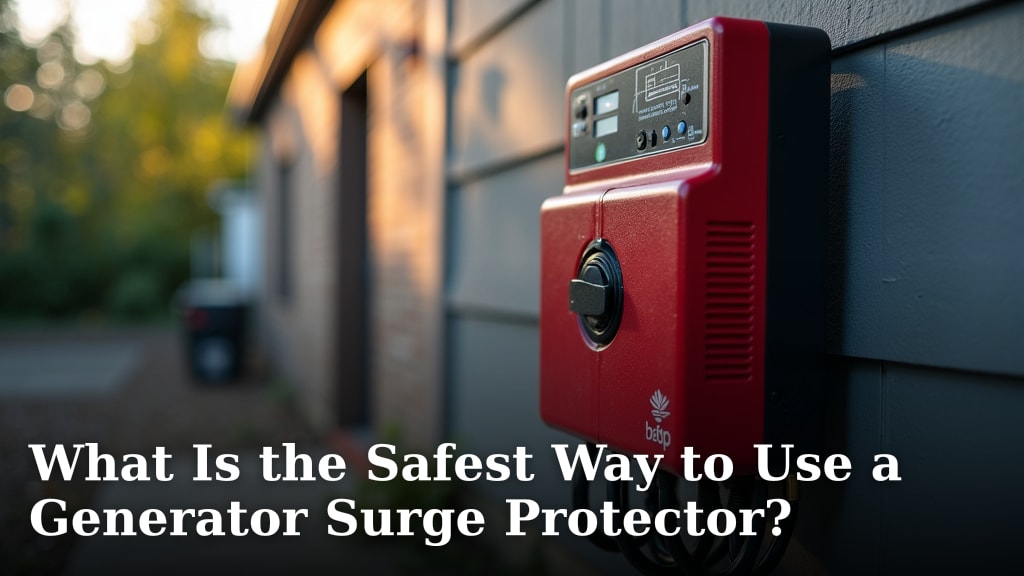
The safest way to use a generator surge protector is to ensure it’s properly rated for your generator’s output and that you plug it directly into the generator. This setup helps prevent damaging electrical spikes from reaching your connected appliances, protecting your electronics.
Many people wonder if a regular power strip will do the job. While some surge protectors look similar, a generator-specific model is designed to handle the unique power fluctuations a generator can produce. Using the wrong type of protector can leave your devices vulnerable to damage, so choosing the right protection is key.
- Always use a surge protector specifically designed for generators.
- Match the protector’s rating to your generator’s wattage.
- Plug the protector directly into the generator’s outlet.
- Avoid plugging too many devices into one protector.
Ready to make sure your generator powers your life safely? Let’s walk through exactly how to set up your generator surge protector for maximum peace of mind.
Using Generator Surge Protectors Safely and Effectively
Using a generator surge protector correctly is your first line of defense for your electronics. It’s not just about plugging something in. You need to make sure the protector can handle your generator’s power. This prevents damaging power surges and spikes. We’ll guide you through the steps to keep your devices safe.
Choosing the Right Generator Surge Protector
Not all surge protectors are created equal. Think of it like choosing the right tool for a job. A regular power strip might look similar to a surge protector. But it won’t offer the same protection against generator power. Generator power can be a bit wild. It can fluctuate more than the power from your utility company. You need a protector built for this.
Understanding Wattage Ratings
The most important factor is matching the protector’s wattage rating to your generator’s output. This is vital for safety and performance. A generator’s wattage is its capacity to deliver power. Your surge protector needs to be able to handle that power. If it’s too low, it could overheat or fail. This leaves your appliances unprotected.
You’ll usually find two wattage numbers on your generator: running wattage and starting wattage. Running wattage is the consistent power the generator can supply. Starting wattage is the extra power needed for motors to kick in. For surge protectors, you generally want to match the continuous running wattage of your generator. Some protectors might list a maximum joule rating. This indicates how much energy it can absorb before failing. Always check the manufacturer’s recommendations for both your generator and surge protector.
Generator-Specific vs. Standard Surge Protectors
A standard surge protector is designed for stable grid power. It has a clamping voltage. This is the point at which it starts to divert excess voltage. Generators can produce different types of power fluctuations. Some are faster or more intense. A generator-specific surge protector is built to handle these specific power characteristics. They often have faster response times and higher surge absorption capabilities.
Many experts recommend using a surge protector labeled for generator use. This ensures it’s tested and rated for those conditions. Look for models that clearly state they are suitable for generators. This is a key step in preventing damage. It’s like using a waterproof jacket in the rain; it’s designed for the task.
Proper Connection Steps for Maximum Safety
Once you have the right surge protector, connecting it correctly is simple but essential. Following these steps ensures you get the best protection. This minimizes risks for your sensitive electronics.
Direct Connection to the Generator
The golden rule here is to plug the surge protector directly into the generator’s outlet. Do not plug it into an extension cord that’s then plugged into the generator. Similarly, don’t plug the surge protector into another power strip. This direct connection ensures the protector gets the full brunt of the generator’s output.
It allows the surge protector to do its job effectively. It’s the first point of defense. Any other device in the chain can introduce its own issues. It could also dilute the protector’s effectiveness. Think of it as a gatekeeper. It needs to be right at the source of the power to do its job. This setup is critical for preventing voltage spikes from reaching your appliances.
Understanding Extension Cord Usage
If you need to reach your appliances from the generator, use a heavy-duty extension cord. This cord should run from the surge protector (which is plugged into the generator) to your appliances. Make sure the extension cord is rated for the amperage of the circuit you’re using. Check the gauge of the wire; thicker wires (lower gauge number) handle more power.
Never use a standard indoor extension cord outdoors. They can be a fire hazard and are not weatherproof. Always choose cords designed for outdoor use. Ensure the cord is in good condition, with no nicks or fraying. Damaged cords are a serious safety risk. They can cause shocks or fires.
Loading Your Surge Protector and Generator
It’s tempting to plug everything into one protected outlet. However, overloading is a common mistake. Your surge protector has a limit on the number of devices it can handle. Likewise, your generator has a total wattage capacity. You must not exceed either.
A good practice is to calculate the total wattage of all devices you plan to plug into the surge protector. Add up their running wattages. Make sure this total is well below the surge protector’s maximum rating. It’s wise to leave some headroom, maybe 20-30%. This prevents strain on the protector and the generator.
Calculating Total Wattage for Appliances
To find the wattage of most appliances, look for a label on the device itself. It might say “Watts” or “W.” If it only lists volts (V) and amps (A), you can calculate wattage using the formula: Watts = Volts x Amps. Remember that different appliances have different power needs. Things with motors, like refrigerators or power tools, often have higher starting wattages.
For example, a small fan might use 50 watts. A laptop might use 75 watts. A television could use 100 watts. A refrigerator, however, might use 150 watts running but need over 1,000 watts to start. You need to account for these differences when planning your load. We’ve found that many people underestimate their total power needs.
Prioritizing What to Connect
When in doubt, start with your most essential electronics. These are often the most sensitive and expensive items. Think of your computers, modems, routers, or medical equipment. These benefit the most from stable power. Avoid plugging in high-draw items like space heaters or hair dryers simultaneously if possible. These can quickly overload your system.
Consider running high-draw appliances one at a time. This helps manage the load on your generator and surge protector. It’s a simple strategy that makes a big difference. Many experts recommend a phased approach to powering up devices. This ensures you don’t trip breakers or damage equipment. It’s about managing power wisely.
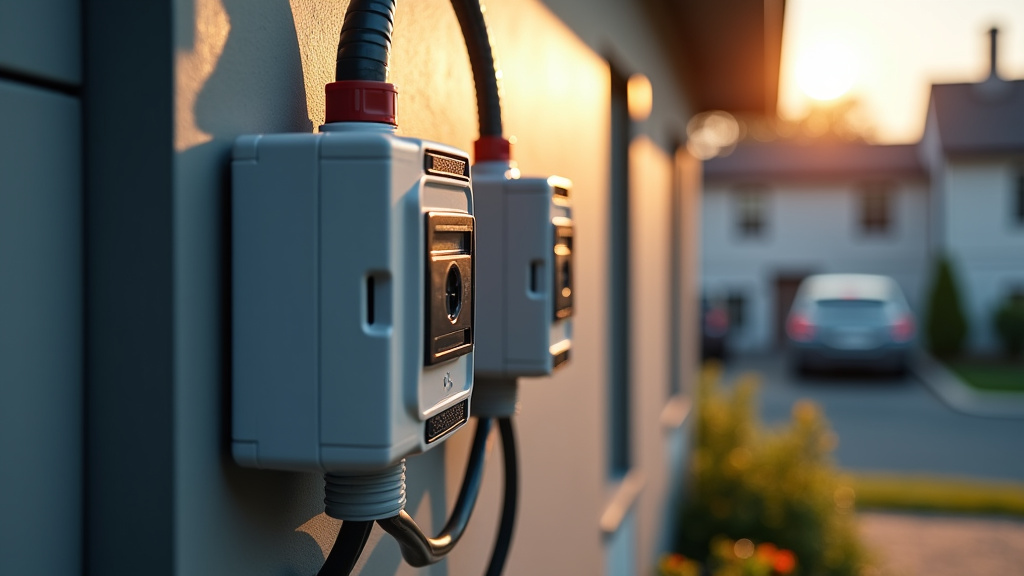
Maintenance and Inspection for Ongoing Safety
Your generator surge protector isn’t a “set it and forget it” item. Regular checks are important. They ensure it’s still in good working order. A damaged protector is worse than no protector at all.
Regular Visual Inspections
Before and after each use, take a moment to inspect the surge protector and its cord. Look for any signs of damage. Check for cracked casings, frayed wires, or bent prongs. Ensure the outlets are clean and free of debris. If you notice any damage, do not use it. Replace it immediately.
Pay close attention to the power cord connecting to the generator. Any wear and tear here can be a fire or shock hazard. Damaged cords can also lead to poor connections. This might cause intermittent power or even damage your generator. A quick visual check can prevent serious problems.
Understanding Surge Protector Lifespans
Surge protectors have a finite lifespan. They absorb energy from power surges over time. Eventually, this protective capability degrades. Many surge protectors have an indicator light that shows they are working. If this light goes out, the surge protection is likely gone. Even if the protector still provides power, it’s no longer safeguarding your devices from surges.
The lifespan varies by model and how often it experiences surges. Some manufacturers suggest replacing surge protectors every few years, even if they appear fine. Others rely on the indicator lights. We found that checking the manufacturer’s guidelines is the best approach. It’s a small investment to ensure continuous protection. Think of it like changing the oil in your car; it’s routine maintenance for optimal function.
Here’s a quick checklist to ensure you’re using your generator surge protector safely:
- Confirm your surge protector is rated specifically for generator use.
- Verify the protector’s wattage rating exceeds your generator’s running wattage.
- Plug the surge protector directly into the generator’s outlet.
- Use only heavy-duty, outdoor-rated extension cords for appliances.
- Calculate and do not exceed the total wattage of connected devices.
- Regularly inspect the protector and cords for any signs of damage.
Conclusion
You’ve learned that safe generator surge protector use boils down to a few key practices. Always choose a protector rated for generator use and match its wattage to your generator’s output. Plugging directly into the generator is non-negotiable for maximum protection. Remember to avoid overloading and perform regular inspections to ensure everything is in good condition. Taking these steps ensures your sensitive electronics stay safe and sound, no matter the power situation. Your next step is to perform a quick inspection of your current setup and replace any outdated or damaged surge protectors.
Frequently Asked Questions
How do I know if my surge protector is truly safe for generator use?
Look for explicit labeling on the surge protector that states it is designed or suitable for generator use. Standard surge protectors are made for stable grid power and may not handle the unique fluctuations a generator produces. A generator-specific model is your best bet for safety.
Can I use a regular power strip with my generator?
It’s strongly advised not to use a regular power strip. Power strips typically offer no surge protection. Even if it has a surge protection rating, it might not be designed to handle the variable power output of a generator, leaving your devices vulnerable to damage.
What happens if I plug my surge protector into an extension cord connected to the generator?
This setup is unsafe and reduces the effectiveness of your surge protector. Plugging into an extension cord first creates an unnecessary link that can introduce power inconsistencies. The surge protector must be plugged directly into the generator to act as the primary defense.
How often should I replace my generator surge protector?
Surge protectors wear out over time as they absorb power surges. Many have an indicator light that shows when the protection is no longer active. Manufacturers often recommend replacement every 3-5 years, or sooner if the indicator light goes out or if you notice any physical damage.
Is it okay to plug multiple high-wattage appliances into one generator surge protector?
No, this is a common way to overload both the surge protector and the generator. You must calculate the total wattage of all connected devices. Ensure this total is well below the surge protector’s maximum rating and your generator’s capacity to prevent strain and potential failure.
